Have you ever found yourself locked out with no key and no tools in sight? Knowing how to pick a deadbolt lock without tools can save you time, stress, and even money on locksmiths.
Imagine regaining access quickly using just simple techniques anyone can learn. You’ll discover easy, step-by-step methods that put you in control when you need it most. Keep reading, because what you’re about to learn could turn a frustrating situation into a simple fix.

Credit: www.wikihow.com
Types Of Deadbolt Locks
Deadbolt locks come in different types. Each type offers unique features and security levels. Understanding these types helps in picking the right deadbolt. This knowledge is useful if you need to pick one without tools.
Single Cylinder Deadbolts
Single cylinder deadbolts have a keyhole outside. Inside, they have a thumb turn. You can lock or unlock from the inside without a key. These are common on many homes. They are easy to use but can be less secure if there is glass near the door.
Double Cylinder Deadbolts
Double cylinder deadbolts need a key on both sides. No thumb turn is present inside. This adds extra security for doors with glass panels. It stops intruders from breaking glass and reaching in. The downside is you must have a key to exit, which can be risky in emergencies.
Keyless Deadbolts
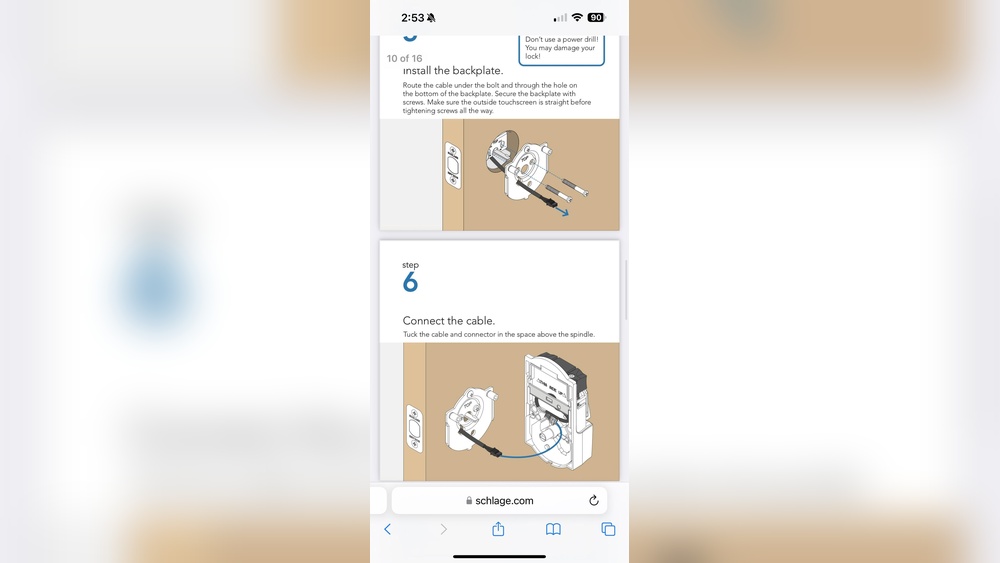
Keyless deadbolts use a code or fingerprint to unlock. No physical key is needed. These locks offer convenience and quick access. They reduce the chance of losing keys. Some models have backup keys for emergencies. They are popular for smart homes and offices.
Basic Lock Mechanisms
Understanding basic lock mechanisms helps you know how deadbolts function. This knowledge makes it easier to pick a deadbolt lock without tools. Deadbolts offer strong security by using simple parts that work together.
How Deadbolts Work
Deadbolts use a solid metal bolt that slides into the door frame. The bolt moves when you turn the key or thumb turn. This movement locks or unlocks the door. Deadbolts resist force better than spring locks. They do not have a spring inside. The bolt stays in place until turned back.
Common Lock Components
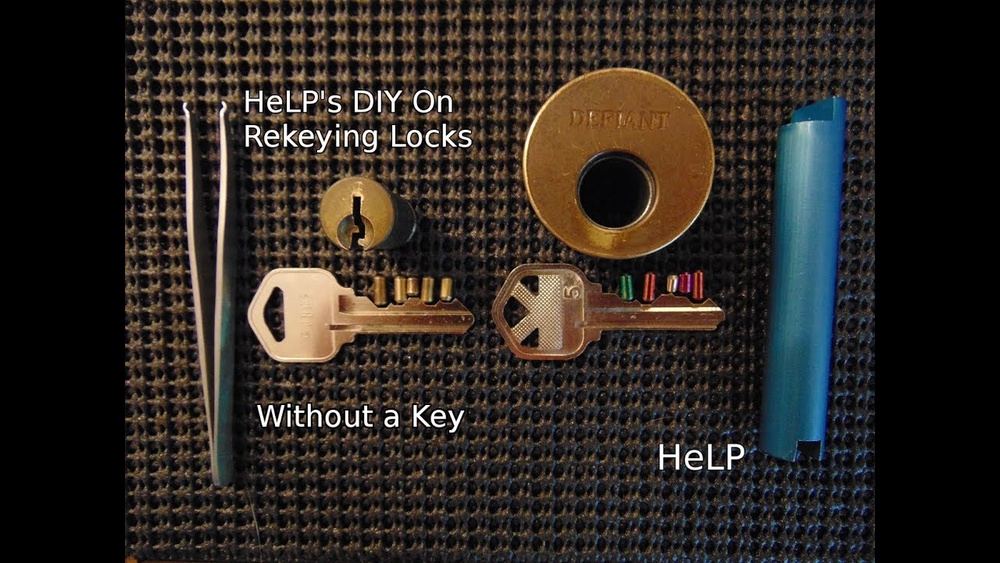
Deadbolts have a few main parts. The cylinder holds the keyway where the key goes. Inside the cylinder are pins that match the key’s shape. The bolt is the heavy metal piece that moves. The thumb turn or key turns the cylinder. Springs push pins into place, blocking the bolt. Pins, springs, cylinder, and bolt work as a team. Knowing these parts helps understand how to pick a lock.
Safety And Legal Considerations
Picking a deadbolt lock without tools can seem useful in some situations. Still, it is important to think about safety and the law. Knowing the rules helps avoid serious trouble. Always respect others’ property and privacy. Understand when it is okay and when it is not.
Legal Risks Of Lock Picking
Lock picking is illegal in many places without permission. It can be seen as an attempt to break in. Police may treat it as a crime. Carrying lock picking tools can cause suspicion. Even trying to pick a lock can lead to fines or arrest. Always check local laws before trying any lock picking.
When To Avoid Picking Locks
Never pick a lock that is not yours. Avoid it on doors of homes or businesses. Do not pick locks in public places. Picking locks without permission can damage the lock. It may cause more problems than you solve. Call a locksmith or the owner instead. Safety is more important than quick access.

Credit: www.wikihow.com
Preparing To Pick A Deadbolt
Preparing to pick a deadbolt takes careful steps. Knowing what you face helps you avoid mistakes. Small tools or items from home can make the task easier. Stay calm and work patiently for best results.
Assessing The Lock Type
Start by looking closely at the deadbolt. Notice its shape and size. Some locks have a keyhole only, while others have a thumb turn inside. Identify if it is a single or double cylinder lock. This helps in choosing the right method.
Gathering Household Items
You do not need special tools to pick a deadbolt. Common items can work well. A bobby pin, paperclip, or small nail can act as picks. A flat piece of plastic or a credit card might help too. Collect these before you start for quick access.
Techniques Without Tools
Picking a deadbolt lock without tools needs patience and simple tricks. These techniques use everyday items or just your fingers. They can help in emergencies or when no tools are around.
Using A Credit Card
Take a flexible card like a credit card or gift card. Slide it between the door and the frame where the latch is. Push the card while bending it toward the door. Wiggle the card up and down to push the latch back. This works best on spring locks, not deadbolts. Still, it is worth trying if you have no other option.
Using Hairpins Or Paperclips
Straighten two hairpins or paperclips. One acts as a tension wrench, the other as a pick. Insert the tension wrench into the bottom of the keyhole. Turn it slightly to apply tension. Use the other pin to lift the pins inside the lock one by one. Feel for clicks to know when a pin sets. Keep the tension steady to avoid resetting pins.
Applying Tension With Fingers
Sometimes, you can feel and turn the lock with just fingers. Insert a finger or thumb into the keyhole carefully. Try to turn the cylinder slowly while feeling for pins inside. This method needs a soft touch and patience. Small movements can help the pins align and the lock turn. It works best on worn or old locks.
Step-by-step Picking Process
Picking a deadbolt lock without tools requires patience and careful steps. This process involves feeling the lock’s pins and applying pressure. Each small move helps to find the right position. Follow these steps closely to improve your chances.
Setting The Tension
Start by applying light pressure on the lock’s cylinder. Use a small object like a coin edge to turn the lock slightly. This tension holds pins in place as you work. Too much force will make the pins hard to move. Too little will let them fall back. Find a balance to keep pins set.
Manipulating The Pins
Insert a thin piece like a paperclip into the lock’s keyhole. Push gently to lift each pin inside. Feel for a slight click or catch. Move from one pin to the next slowly. Each pin must reach the correct height. This action mimics the key’s shape inside the lock.
Testing The Lock
After setting all pins, try turning the lock. Keep the tension steady while testing. If it does not turn, adjust the pins again. Repeat pin manipulation and testing as needed. With practice, you will sense when pins align correctly. The lock should open smoothly without tools.
Troubleshooting Common Issues
Troubleshooting common issues helps solve problems while picking a deadbolt lock. Simple problems often stop the process. Knowing what to do saves time and frustration. Some issues happen often and have easy fixes. This section covers two main problems and how to handle them.
When The Lock Won’t Turn
The lock might not turn due to tight pins or wrong pressure. Try to apply steady, gentle pressure on the lock cylinder. Avoid forcing it hard, as this may break the lock.
Check if the tension wrench is placed correctly in the lock. Too much or too little pressure can stop the cylinder from turning. Adjust your grip slowly until you feel the lock move.
Sometimes, dirt or rust inside the lock causes it to stick. Try to wiggle the tension wrench gently back and forth. This can help loosen the pins inside the lock.
Dealing With Stuck Pins
Pins can get stuck if they are old or dirty. They may not move freely, making the picking process hard. Tap lightly on the lock with a small object to help loosen the pins.
Use slow, steady movements on the pick to lift each pin. Avoid quick or hard moves. Patience is key to freeing stuck pins.
Try to feel each pin carefully. Sometimes one pin holds others in place. Focus on freeing that pin first to ease the process.
Preventing Lock Damage
Preventing damage to a deadbolt lock is very important. A damaged lock can stop working or become hard to fix. Careful actions help keep the lock in good shape. This saves time and money later. You can try to pick a lock without tools, but gentle handling is key.
Gentle Handling Tips
Use soft, steady movements when working on the lock. Avoid quick or sharp motions. These can harm the lock’s inner parts. Take your time to feel how the lock moves inside. Small adjustments work better than big pushes. This helps protect the lock’s pins and cylinder. Use your fingers softly, not hard objects.
Avoiding Forceful Attempts
Do not force the lock to turn or open. Pushing too hard can break the lock’s mechanism. If it does not move easily, stop and try a different way. Forcing the lock may cause permanent damage. This makes the lock unsafe or useless. Gentle pressure is enough to test the lock’s response.
Alternative Entry Methods
Sometimes, getting inside without tools is tough. Alternative entry methods help in such cases. These options are safer and easier than trying to pick a lock. They reduce damage and save time. Below are some practical ways to enter without special tools.
Contacting A Locksmith
A locksmith has the right skills and tools. They can open your door quickly and safely. Calling a professional avoids damage to your lock or door. It also saves you from stress and extra costs later. Keep a locksmith’s number handy for emergencies.
Using Spare Keys
Spare keys are the simplest way to get inside. Store them in a safe place outside your home. Give a trusted friend or family member a copy. This avoids lock picking and keeps your property secure. Always check where your spare keys are before trying other methods.
Breaking In Safely
Breaking in should be a last option. Use a flat tool like a credit card for spring locks only. Avoid force that can break your door or lock. Be gentle to reduce damage and avoid injury. Call a locksmith if you cannot open the door easily.

Credit: www.youtube.com
Frequently Asked Questions
How Can I Pick A Deadbolt Lock Without Tools?
You can use simple techniques like a credit card or paperclip. These methods apply pressure to the latch and manipulate the lock pins carefully to unlock without tools.
Is Picking A Deadbolt Lock Without Tools Legal?
Picking your own lock is legal, but doing it on others’ property is illegal. Always ensure you have permission before attempting to pick a lock.
What Are The Risks Of Picking Deadbolt Locks Without Tools?
Picking without tools can damage the lock or door. It may also trigger security alarms or cause lock jams, requiring professional repair.
Can All Deadbolt Locks Be Picked Without Tools?
Not all deadbolts can be picked without tools. High-security locks have complex mechanisms that usually require specialized tools or professional intervention.
Conclusion
Picking a deadbolt lock without tools can be tricky but not impossible. Practice patience and stay calm throughout the process. Use simple items you have at home carefully. Always respect others’ property and never try this on locks you do not own.
Learning basic lock-picking helps in emergencies only. Remember, safety first. Keep your home secure with the right locks. This skill is useful, but use it responsibly. Stay safe and be prepared for unexpected situations.