Are you struggling to hang shelves, pictures, or fixtures on hollow walls without worrying about them falling down? Plastic hollow wall anchors might be the simple solution you need.
These small, easy-to-use tools provide strong support in drywall and hollow surfaces, making your projects safer and more secure. You’ll discover exactly how to use plastic hollow wall anchors step-by-step, so your next DIY task goes smoothly and lasts longer.
Keep reading to unlock the secrets to a hassle-free, sturdy installation you can trust.

Credit: www.reddit.com
Types Of Plastic Hollow Wall Anchors
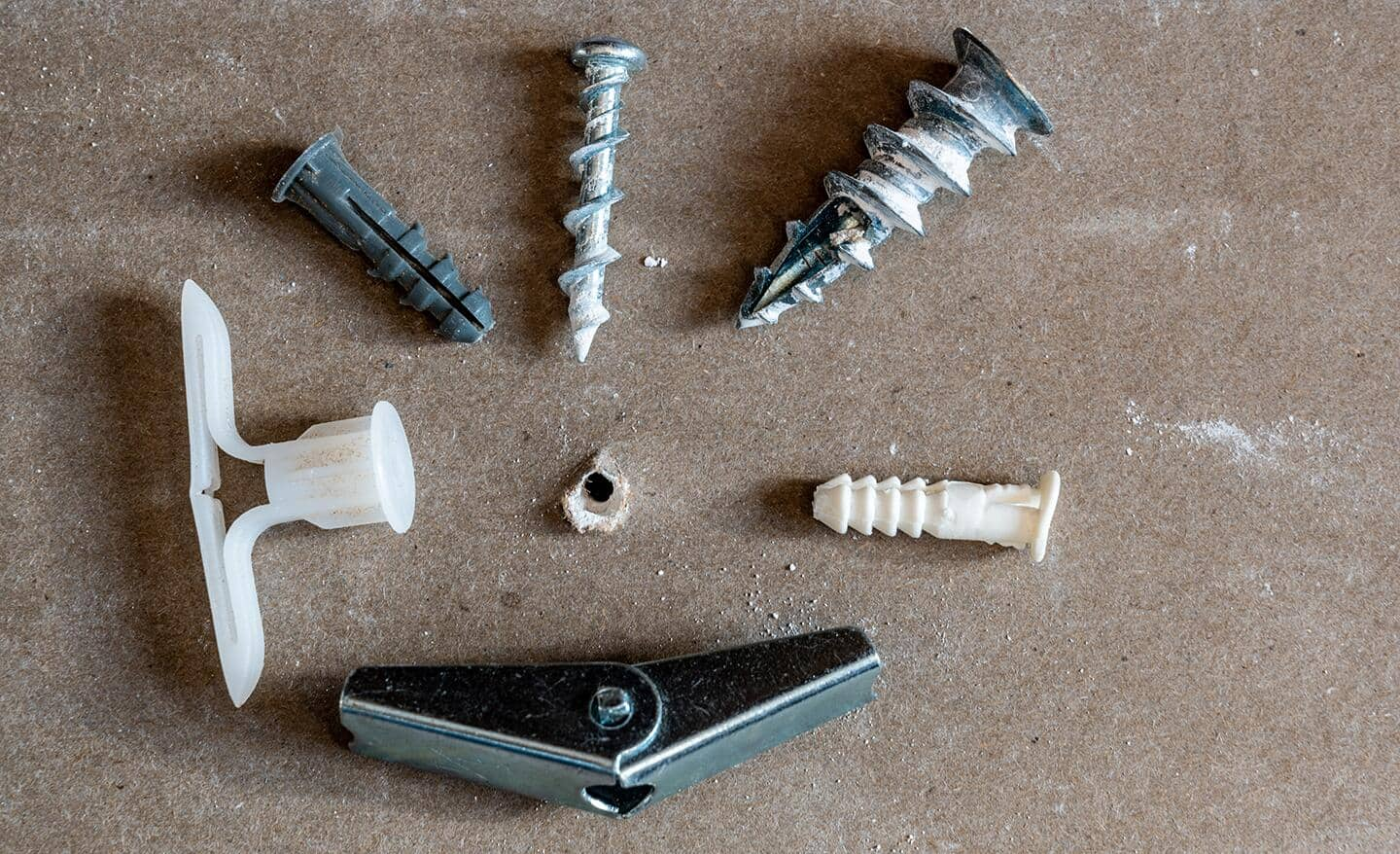
Plastic hollow wall anchors come in different types for various tasks. Each type offers unique features for holding power and ease of use. Choosing the right anchor depends on the weight and material of the item you want to hang. Below are the main types of plastic hollow wall anchors.
Standard Anchors
Standard anchors are the most common type. They work well with lightweight items like picture frames and small shelves. You drill a hole, insert the anchor, and then screw into it. These anchors expand inside the wall to hold firmly.
Heavy-duty Anchors
Heavy-duty anchors hold more weight and offer stronger support. They are ideal for heavier items like cabinets and large mirrors. These anchors are thicker and have a wider expansion to grip the wall better. Use them when extra strength is needed.
Self-drilling Anchors
Self-drilling anchors do not require a pre-drilled hole. They have sharp tips that cut into the wall as you screw them in. This type saves time and effort. They work best in drywall and provide good holding power for medium-weight items.

Credit: www.picturehangsolutions.com
Choosing The Right Anchor
Choosing the right plastic hollow wall anchor is key for strong, lasting support. Different anchors suit different jobs. Picking the wrong one can lead to weak holds or wall damage. This guide helps you select the best anchor for your needs.
Matching Anchor Size To Load
Check the weight of the object you want to hang. Choose an anchor that supports more than that weight. Larger anchors hold heavier loads better. Small anchors work for light items like picture frames. Always pick a size that matches the load for safety.
Selecting Anchor For Wall Material
Know your wall type before buying anchors. Plastic hollow wall anchors work best in drywall or plaster. For concrete or brick, use different anchors. Some anchors fit better in thick walls, others in thin panels. Match the anchor type to your wall material for a strong hold.
Tools Needed
Gather the right tools before starting. You need a drill with the correct bit size. A screwdriver or drill driver helps insert the anchor. A hammer can help tap the anchor into place. Having the right tools makes the job easier and cleaner.
Preparing The Wall
Preparing the wall is the first step before installing plastic hollow wall anchors. It helps make sure the anchors fit properly and hold strong. Taking time to prepare the wall carefully prevents mistakes. The process includes marking, drilling, and cleaning the holes. Each step is important for a secure fixing.
Marking The Fixing Points
Start by marking the exact spots where you want to fix the anchor. Use a pencil to make small dots on the wall. Measure twice to ensure the points are level and spaced correctly. Clear marks help guide your drilling and prevent errors.
Drilling The Hole Correctly
Choose a drill bit that matches the anchor size. Drill straight into the wall at the marked points. Avoid tilting the drill to keep holes clean and precise. Drill only as deep as the anchor’s length for a tight fit.
Cleaning The Hole
Remove dust and debris from the drilled hole. Use a small brush or blow air into the hole. Clean holes allow anchors to grip better and hold weight safely. Skip this step, and the fixing might fail later.
Credit: www.homedepot.com
Installing The Anchor
Installing plastic hollow wall anchors is a simple process that ensures strong support for your screws. Proper installation helps the anchor hold firmly in drywall or hollow walls. Follow the steps carefully to avoid loose fittings or damage.
Inserting The Anchor Properly
Start by drilling a hole that matches the anchor size. Push the anchor straight into the hole until it is flush with the wall surface. Tap gently with a hammer if needed. Do not force it hard to avoid wall damage. The anchor should fit snugly but not bend.
Using The Correct Screw
Choose a screw that fits the anchor size and length. The screw must be long enough to go through the object and anchor fully. Use screws designed for hollow wall anchors. Insert the screw slowly to avoid stripping the anchor’s inside. Tighten until secure but not too tight to crack the wall.
Ensuring Anchor Expansion
As the screw goes in, the anchor expands behind the wall. This expansion locks the anchor firmly in place. Check that the anchor does not spin or pull out. If loose, remove and try a larger anchor or screw. Proper expansion gives strong support for heavy objects on hollow walls.
Tips For Strong Fixings
Strong fixings are essential for secure and lasting installations with plastic hollow wall anchors. Proper technique helps avoid damage and ensures the anchor holds firmly in the wall. Follow these tips for reliable and safe fixings every time.
Avoiding Over-tightening
Do not tighten screws too much. Over-tightening can crack the anchor or the wall. Turn the screw slowly and stop when it feels firm. The anchor should expand gently inside the wall. This prevents damage and keeps the fixing strong.
Testing The Stability
After installation, gently pull or push the fixture to check stability. If it moves or feels loose, tighten the screw a little more. Test again until the fixing feels secure. This quick check helps avoid future problems with loose fittings.
Maintaining The Fixing Over Time
Inspect fixings regularly, especially in humid areas. Screws may loosen over time due to vibrations or weight changes. Tighten screws if needed to keep the anchor stable. Proper care extends the life of your wall fixings and prevents damage.
Common Mistakes To Avoid
Using plastic hollow wall anchors seems simple but many make basic errors. These mistakes reduce anchor strength and can damage walls. Avoid these common errors to get the best results and secure your fixtures safely.
Wrong Hole Size
Drilling the wrong hole size is a frequent problem. A hole too big makes the anchor loose. It will not hold weight properly. A hole too small makes it hard to insert the anchor. This can crack the wall or break the anchor.
Always check the anchor package for the right drill bit size. Measure twice before drilling. A snug fit is key for strong support.
Incorrect Anchor Choice
Not all anchors suit every wall or load. Using a plastic anchor for heavy items is risky. They work best for light to medium loads in drywall.
Choose anchors based on wall type and weight. For heavier objects, consider metal anchors or toggle bolts. Match anchor type to your project needs.
Ignoring Wall Condition
Walls with damage or soft spots weaken anchor hold. Old drywall or crumbling plaster will not support anchors well. Ignoring this leads to anchor failure and wall damage.
Inspect walls before installation. Repair cracks and holes first. Use anchors designed for the wall’s condition to ensure stability.
Frequently Asked Questions
What Are Plastic Hollow Wall Anchors Used For?
Plastic hollow wall anchors secure objects to drywall or hollow walls. They provide strong support for lightweight items without damaging walls.
How Do You Install Plastic Hollow Wall Anchors?
Drill a hole matching the anchor size. Insert the anchor into the wall. Tighten the screw to expand the anchor and hold it firmly.
Can Plastic Hollow Wall Anchors Support Heavy Loads?
Plastic hollow wall anchors are best for light to medium loads. For heavy items, use metal anchors or toggle bolts for better strength.
Are Plastic Hollow Wall Anchors Reusable?
No, plastic hollow wall anchors are generally single-use. Removing them often damages the anchor, reducing holding power if reused.
Conclusion
Plastic hollow wall anchors hold items securely on walls. They work best in drywall or hollow surfaces. Choose the right size for your project. Drill a hole, insert the anchor, then screw in your item. This method prevents damage and keeps things stable.
Use anchors to hang pictures, shelves, or light fixtures. Follow these steps for safe and easy installation. Small effort, strong results. Now you can hang items with confidence and care.