Have you ever found yourself standing in front of a door with a deadbolt lock, wondering how to get through it quickly and safely? Whether you’re locked out of your own home or need to understand how deadbolts work for security reasons, knowing the right techniques can save you time and stress.
You’ll discover simple, effective methods to get through a deadbolt lock without damaging your door or lock. Keep reading—you’ll gain practical tips that anyone can use, even if you’ve never handled a lock before.
Credit: www.reddit.com
Types Of Deadbolt Locks
Deadbolt locks are common for home security. They come in different types. Each type has unique features and security levels. Understanding these types helps in choosing the right lock for your needs.
Single Cylinder Deadbolts
This type uses a key on the outside and a thumb turn inside. It is easy to operate from inside without a key. Single cylinder deadbolts are common for residential doors. They provide good security but can be a risk near glass panels.
Double Cylinder Deadbolts
Double cylinder deadbolts need a key on both sides. They offer extra security for doors with glass near the lock. This stops someone from breaking the glass and turning the lock. These locks require a key every time to open the door.
Lock Grades And Security Levels
Deadbolts have grades that show their strength. Grade 1 is the strongest, used in commercial places. Grade 2 is good for home use and offers solid protection. Grade 3 is the basic level, suitable for light security needs. Choosing the right grade improves safety and durability.
Credit: www.reddit.com
Tools For Bypassing Deadbolts
Deadbolt locks offer strong security, but certain tools can help bypass them. These tools work by manipulating the lock’s internal parts. Understanding these tools is key for anyone interested in lock mechanics or emergency entry.
Each tool has a specific use and method. Some require skill and practice, while others are simpler to use. Knowing how these tools work can help in choosing the right approach to bypass a deadbolt.
Lock Picks And Tension Wrenches
Lock picks and tension wrenches are common tools for opening deadbolts. The tension wrench turns the lock cylinder slightly. This tension allows the pick to lift the pins inside the lock.
By lifting pins to the right height, the lock opens. This method needs patience and a steady hand. Many locksmiths use these tools for non-destructive entry.
Bump Keys
Bump keys are specially cut keys that fit many locks. They work by “bumping” the lock pins with a quick tap. This causes the pins to jump, allowing the lock to turn.
Using a bump key requires a small hammer or similar tool. It is a fast method but can damage the lock if done incorrectly. Not all deadbolts respond well to bump keys.
Credit Cards And Shims
Credit cards and shims can help slide past the latch of some locks. A plastic card can push the latch back if the door isn’t fully closed. This works mainly on spring latch locks, not true deadbolts.
Shims are thin pieces of metal that slip between the door and frame. They can push the latch back without turning the lock cylinder. This method needs careful handling to avoid damage.
Quick Picking Techniques
Quick picking techniques are ways to open a deadbolt lock fast. These methods do not need much skill or tools. They help save time and effort when dealing with simple locks.
Each technique uses a different approach. Some move all pins together. Others work on one pin at a time. Some rely on special keys to push pins into place.
Understanding these methods can help you handle locks better. Practice is key to getting good at any of these techniques.
Raking Method
The raking method uses a rake tool or a similar pick. Insert it into the lock and move it back and forth quickly. This motion pushes the pins up randomly.
Raking is fast and works on many locks. It does not require precise feel or patience. It is best for simple or worn locks.
Single Pin Picking
Single pin picking targets one pin at a time. Use a tension wrench to apply slight pressure. Then lift each pin until it sets at the shear line.
This method needs more skill and time. It allows more control and works on complex locks. It is the most common technique for lock picking.
Using A Bump Key
A bump key is a special key cut to fit the lock type. Insert it and tap it gently with a tool. This bump pushes the pins up to the shear line.
Bump keys are quick but need the right key shape. They work well on pin tumbler locks. Use softly to avoid damage to the lock.
Alternative Entry Methods
Alternative entry methods can help you get through a deadbolt lock without a key. These methods work best in urgent situations. Be careful and gentle to avoid damage. Some methods need basic tools and patience. Choose the method that suits your door type and lock.
Removing The Door Hinges
Check if the door hinges are outside. If yes, try removing the hinge pins. Use a screwdriver and hammer to tap the pin out. Once all pins are out, lift the door off the frame. This method needs no special tools. It works well on older doors with exposed hinges.
Sliding The Bolt With A Credit Card
Use a plastic card like a credit card. Insert it between the door and frame near the bolt. Push the card while wiggling it down. The card tries to slide the bolt back. This method works on spring bolts but not on deadbolts. Be careful not to damage the card or door.
Drilling The Lock
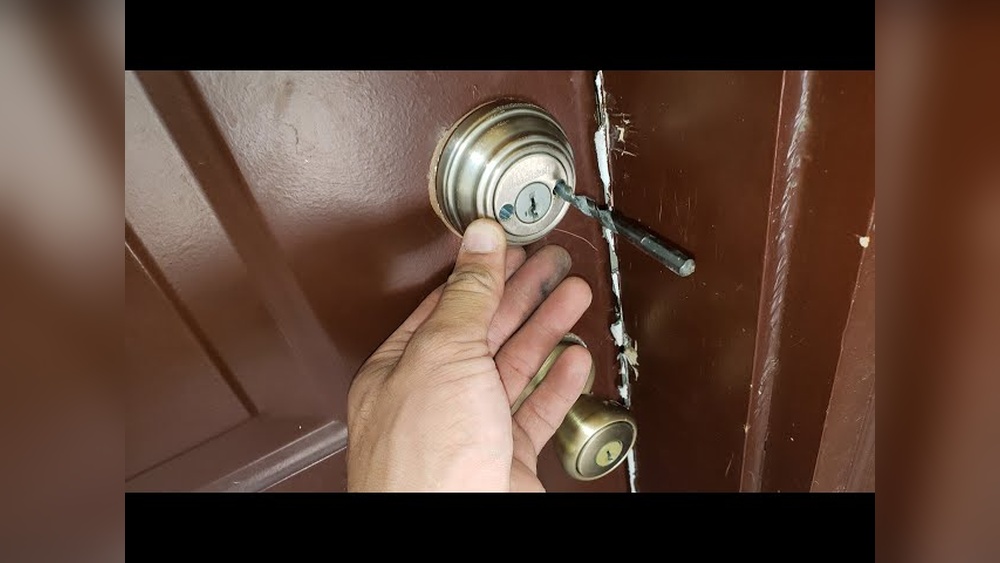
Drilling is a last-resort method. Use a drill with a metal bit. Drill into the center of the keyhole. The goal is to destroy the locking pins inside. Wear safety glasses before starting. This method will damage the lock and needs replacement after. Use it only if other methods fail.
Safety And Legal Considerations
Dealing with a deadbolt lock can be tricky and requires care. Safety and legal matters come first. Knowing the right steps helps avoid trouble. Protect yourself and your property by understanding these points.
When It’s Legal To Bypass Locks
Bypassing a lock is only legal if you own the property. Permission from the owner is also required. Using these methods on others’ property is against the law. Trespassing and breaking in can lead to serious charges. Always ensure you have the right to access the door.
Avoiding Damage To Locks And Doors
Damaging a lock can be costly to fix. Using proper tools helps keep the lock intact. Forceful attempts might break the door or frame. Gentle techniques reduce repair costs and keep doors secure. Take care to avoid unnecessary harm to your property.
When To Call A Locksmith
Professional help is best for tough locks. Locksmiths have the right tools and skills. They can open locks without causing damage. Calling a locksmith saves time and stress. Use their services if you are unsure or locked out.
Preventing Deadbolt Lockouts
Deadbolt lockouts can cause stress and waste time. Preventing these lockouts helps keep your day smooth. Simple steps can avoid the hassle of being stuck outside your home. This section covers easy methods to prevent deadbolt lockouts.
Spare Keys And Smart Locks
Keep spare keys in safe places. Give copies to trusted friends or family members. Avoid hiding keys in obvious spots. Smart locks offer a modern solution. Use codes or apps to enter without keys. Smart locks reduce the risk of lockouts significantly.
Maintenance Tips
Regularly check your deadbolt for wear and tear. Lubricate the lock with graphite or silicone spray. Avoid oil-based lubricants that attract dust. Tighten loose screws on the lock and door frame. Proper maintenance keeps the lock working smoothly.
Upgrading To Keyless Entry
Keyless entry removes the need for physical keys. Options include keypad locks and biometric systems. These locks allow easy access with a code or fingerprint. They improve security and convenience. Choose a model that fits your budget and needs.
Credit: www.youtube.com
Frequently Asked Questions
How Can I Unlock A Deadbolt Without A Key?
Use a bump key, lock pick set, or credit card to unlock a deadbolt. These methods require skill and practice. Always ensure you have legal permission before attempting to unlock any door.
What Tools Are Needed To Pick A Deadbolt Lock?
Common tools include tension wrenches, lock picks, and bump keys. These help manipulate the lock pins to open the deadbolt. Proper technique and patience are essential for success.
Is It Legal To Bypass A Deadbolt Lock?
Bypassing a deadbolt is legal only if you own the property or have permission. Unauthorized entry is illegal and punishable by law. Always verify your rights before attempting to bypass locks.
Can Deadbolt Locks Be Opened Quickly In Emergencies?
Yes, with proper tools like lock picks or bump keys, deadbolts can open quickly. Emergency locksmiths use specialized tools to unlock doors swiftly and safely without damage.
Conclusion
Getting through a deadbolt lock takes patience and the right steps. Practice the methods carefully and stay calm throughout. Always respect the law and use these skills only for legal reasons. Knowing how deadbolts work helps you handle them better.
Keep tools ready and learn simple tricks to save time. Safety matters most, so avoid damage to doors or locks. With practice, you can improve your technique day by day. Remember, understanding locks builds confidence and skill. Stay safe and act responsibly at all times.