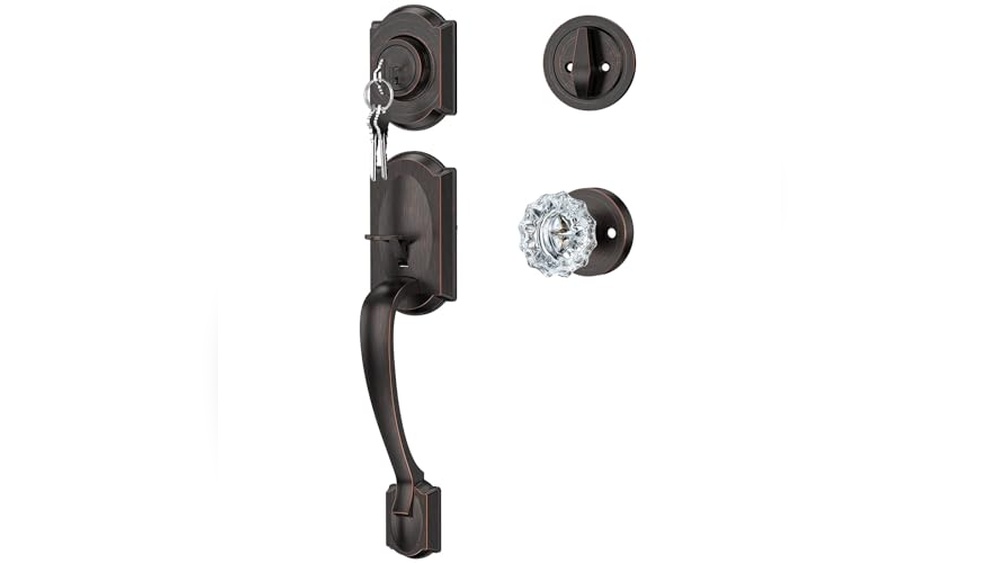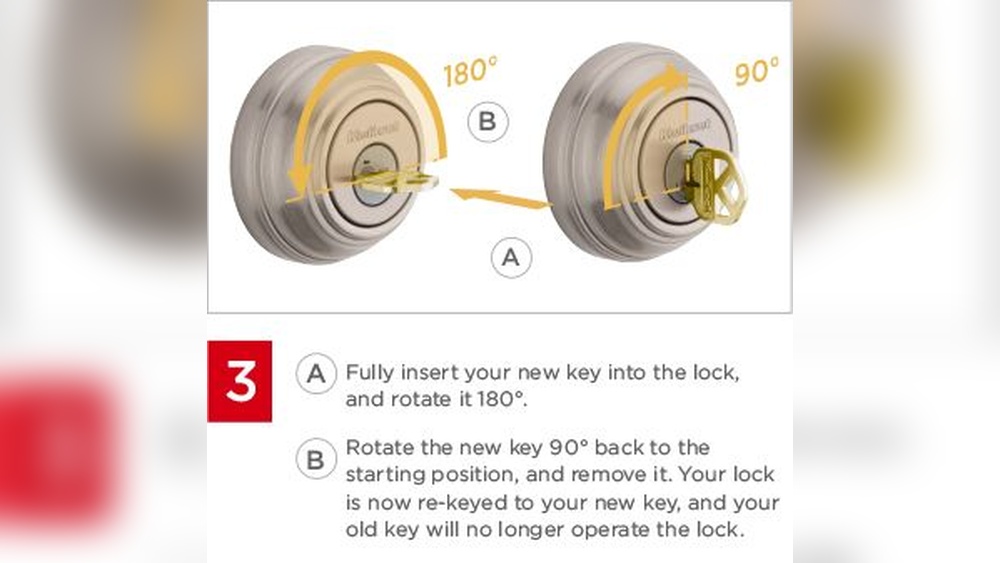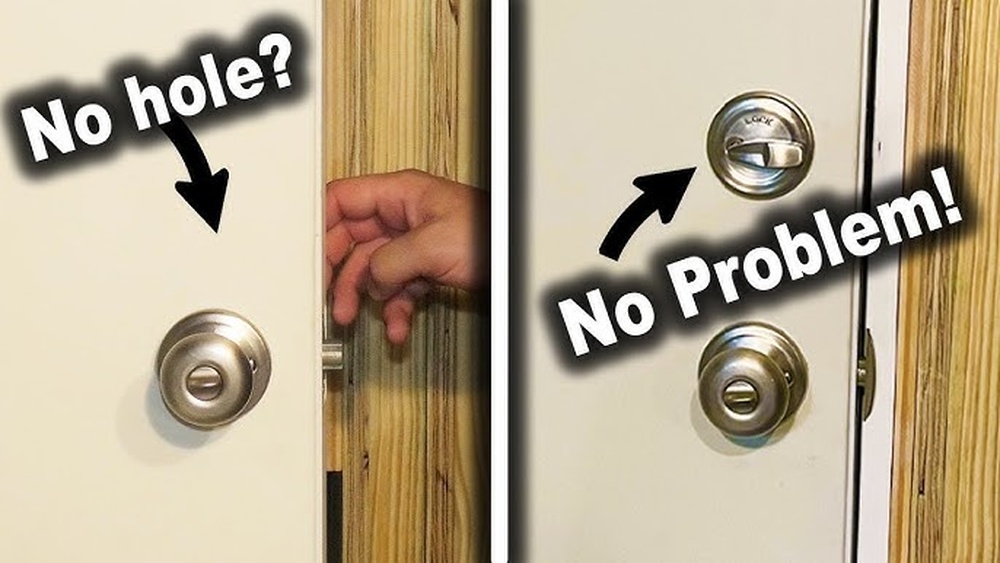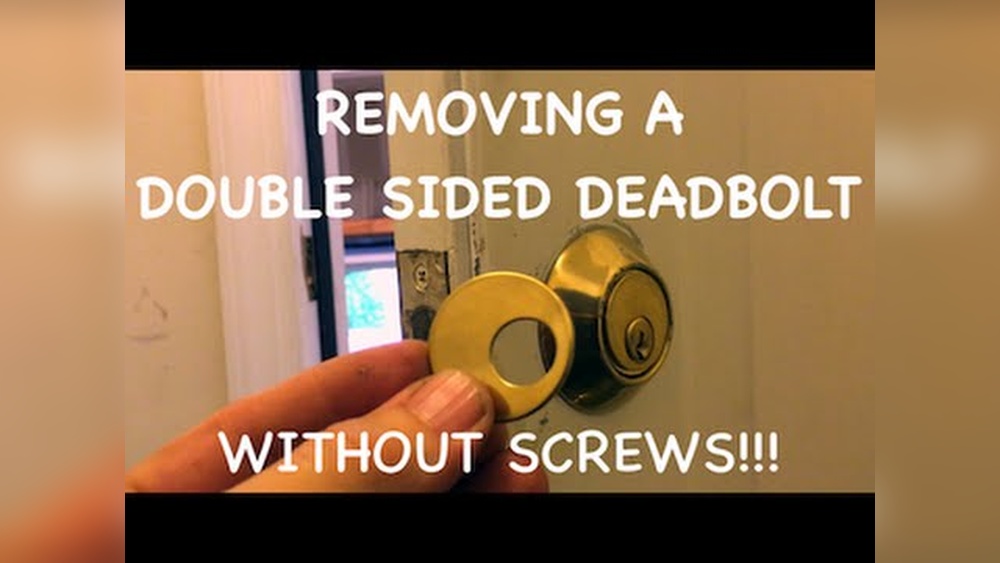
Is your deadbolt feeling loose or wobbly, but you don’t have screws to fix it? You might think tightening a deadbolt without screws is impossible, but it’s easier than you expect.
Imagine securing your door firmly without extra tools or hardware. In this post, you’ll discover simple tricks that make your deadbolt tight and reliable again. Keep reading to learn how to fix your lock quickly and keep your home safe—no screws needed.
Signs Of A Loose Deadbolt
A loose deadbolt can make your door feel unsafe. It may not lock properly or wiggle when touched. Knowing the signs helps you fix it before bigger problems start. Pay attention to small changes in how your lock works.
Deadbolts without screws can still become loose over time. This happens due to daily use or pressure on the door. Watch for signs to keep your home secure.
Common Issues Without Screws
Deadbolts without screws rely on other parts to stay tight. These parts can wear down or shift. The lock might feel shaky or move side to side. Turning the key could become hard or sticky. The bolt may not fully extend into the door frame. These problems show the deadbolt is loose and needs fixing.
When To Act Quickly
A loose deadbolt can let intruders enter more easily. If the lock feels weak or loose, fix it fast. Do not wait for it to break completely. A failing deadbolt lowers your home’s security. Acting quickly protects your family and belongings. Check the lock often to catch problems early.

Credit: diy.stackexchange.com
Tools You’ll Need
Tightening a deadbolt without screws might seem tricky. The right tools make the task easier and faster. You don’t need a full toolbox. Just some simple items can help you secure your lock properly. Below are useful tools divided into two groups.
Basic Household Items
Start with items found in most homes. A butter knife or flathead screwdriver can gently pry or adjust parts. A rubber band helps add grip to slippery handles or knobs. A pair of pliers offers control to twist or hold small pieces. A cloth or rag protects surfaces and keeps dust away. Tape, like painter’s tape, can hold parts temporarily in place. These items keep the job simple and cost-free.
Specialty Alternatives
Some tools work better if you want precision. A small hex wrench fits many deadbolt sets. A tension wrench or lock pick set can apply pressure inside the lock. A flashlight shines inside dark spaces to see screws or parts clearly. A small level ensures the deadbolt aligns perfectly. These tools need buying but improve accuracy. They help solve tricky deadbolt problems without screws.
Using Adhesives For Stability
Using adhesives can help tighten a deadbolt without screws. Adhesives add stability by holding parts firmly in place. This method works well when screw holes are stripped or damaged. It creates a strong bond between the lock and the door. Choosing the right adhesive and applying it carefully is key. A proper adhesive can last a long time and keep the deadbolt secure.
Types Of Adhesives That Work
Epoxy glue is very strong and durable. It bonds metal and wood tightly. It dries hard and resists weather well.
Super glue works fast and sticks well to small parts. It is good for quick fixes but may not be as strong as epoxy.
Construction adhesive is thick and holds heavy materials. It works well on both wood and metal surfaces.
Polyurethane glue expands as it dries. It fills gaps and creates a solid hold. It works best on wood parts of the door.
Step-by-step Application
First, clean the area around the deadbolt. Remove dirt, dust, and old glue. This helps the adhesive stick better.
Next, apply a small amount of adhesive to the deadbolt base. Avoid using too much to prevent mess.
Press the deadbolt firmly against the door. Hold it steady for a few minutes so the glue sets.
Use clamps or heavy objects to keep the deadbolt tight while drying. Follow the adhesive’s drying time on the label.
After it dries, check if the deadbolt feels solid. If needed, add another layer of glue for more strength.

Credit: diy.stackexchange.com
Leveraging Wood Fillers And Shims
Deadbolts can become loose without screws holding them tight. Wood fillers and shims help fix this problem. They fill gaps and give support to the lock. These tools make the deadbolt secure again. Easy to use and affordable, they are great options for quick repairs.
Using wood fillers and shims keeps your door safe. They stop the lock from wobbling or moving. These materials fit well in small spaces. They hold the deadbolt firmly without needing screws. This method is simple and effective for many types of doors.
Filling Loose Holes
Start by cleaning the holes around the deadbolt. Remove any dust or old material. Apply wood filler into the loose holes carefully. Push it in to fill all empty spaces. Let the filler dry completely before moving to the next step. This creates a solid base for the deadbolt screws or parts.
Once dry, sand the filled area smooth. The surface should be even with the door. This helps the deadbolt sit tightly and prevents movement. Wood filler strengthens weak spots around the lock. It keeps the deadbolt steady without screws.
Inserting Shims For Tightness
Shims are thin pieces of wood or plastic. Insert shims between the deadbolt and door frame. They fill gaps that cause looseness. Push the shims gently until the deadbolt feels tight. Trim any extra shim material that sticks out. This adjustment stops the deadbolt from moving side to side.
Shims add extra support where screws are missing or loose. They work well with wood fillers to secure the lock. Using shims is a quick fix that improves deadbolt stability. This method helps keep your door locked firmly and safely.
Applying Double-sided Tape
Applying double-sided tape is a quick way to tighten a deadbolt without screws. This method works well for small adjustments and adds extra grip. The tape holds parts together firmly and stops the deadbolt from feeling loose.
Choosing the right tape and placing it correctly are key steps. Poor tape or wrong placement might reduce the effectiveness. Let’s explore the best tape options and how to place them properly for a secure hold.
Best Tape Options
Select tape with strong adhesive to hold metal parts well. Look for tapes made for heavy-duty use or mounting. Acrylic foam tapes offer good strength and durability. Double-sided carpet tape can also work but may wear out faster. Avoid thin or weak tapes that lose stickiness quickly. Test the tape on a small area before full use to ensure it sticks well.
Proper Placement Techniques
Clean the deadbolt surface before applying tape. Remove dirt and oil with rubbing alcohol. Cut tape strips to fit the size of the loose part. Place tape between the deadbolt plate and the door frame. Press firmly to remove air bubbles and improve grip. Use enough tape to fill gaps but avoid excess. Check if the deadbolt moves less after taping. Add more strips if needed for better tightness.

Credit: www.youtube.com
Utilizing Epoxy Putty
Utilizing epoxy putty offers a strong solution to tighten a deadbolt without screws. This material bonds firmly with metal and wood. It fills gaps and stabilizes loose parts. Epoxy putty is easy to shape and hardens fast. It creates a durable fix that lasts. Using it requires some care and the right method.
Choosing The Right Putty
Select an epoxy putty designed for metal or wood repair. Some putties dry too soft or brittle. Look for one with high strength and quick drying time. Check the packaging for recommended uses. A putty that sticks well to metal improves deadbolt hold. Avoid cheap brands with poor reviews on durability.
Molding And Setting Tips
Cut a small amount of putty and knead it well. Mixing activates the hardening process. Shape the putty to fit the deadbolt’s gaps or loose areas. Press it firmly to ensure good contact. Smooth the surface for a neat finish. Let it cure without moving the lock. Wait the full time suggested on the package. Avoid using the door until the putty is fully set.
Adjusting The Strike Plate
The strike plate is a metal piece attached to the door frame. It catches the deadbolt and keeps the door locked. When the deadbolt feels loose, the strike plate may be out of place. Adjusting it can tighten your lock without screws.
Small shifts in the strike plate position help the deadbolt fit better. This reduces wiggle and improves security. You do not always need screws to make these changes.
Realigning Without Screws
Push or pull the strike plate gently to move it. Use a flat tool like a butter knife to slide it. Aim to line the hole exactly with the deadbolt.
Check the door’s lock by turning the key. Move the strike plate little by little. The right spot will stop the bolt from shaking.
Apply pressure on the strike plate edges to hold it in place. The door frame wood can grip the metal tightly for now.
Temporary Fixes That Last
Use strong tape around the strike plate for a quick hold. Wrap it tightly to stop movement. This helps until you fix it properly later.
Wood glue or putty can fill gaps behind the strike plate. Press the plate against the frame and let the glue dry. This adds firmness without screws.
Try small clamps to hold the plate steady. Leave them until the glue sets. These tricks make your deadbolt feel secure longer.
Preventing Future Looseness
Preventing future looseness in a deadbolt is important for home security. A loose deadbolt can make your door less safe and harder to use. Simple steps can keep your deadbolt tight and working well for a long time. Regular care and small upgrades help stop the deadbolt from loosening again.
Routine Maintenance Tips
Check your deadbolt every few months. Tighten any loose parts gently. Clean the lock with a soft cloth to remove dust. Avoid using harsh chemicals that can damage the metal. Lubricate the lock with graphite or silicone spray to keep it smooth. Regular checks help find problems early before they get worse.
Upgrading Deadbolt Components
Replace worn parts like screws, strike plates, or latch bolts. Use longer screws to secure the strike plate deep into the door frame. Consider installing a metal reinforcement plate for extra strength. Upgrading helps the deadbolt hold tight and lasts longer. Quality parts make your lock more stable and safe.
Frequently Asked Questions
How Can I Tighten A Deadbolt Without Screws?
You can tighten a deadbolt by adjusting the strike plate or using shims. Tighten internal parts by realigning the lock mechanism without screws.
What Tools Are Needed To Tighten A Deadbolt?
Common tools include a screwdriver, shims, and possibly an Allen wrench. These help adjust the lock and tighten it without screws.
Is It Safe To Tighten Deadbolts Without Screws?
Yes, if done correctly. Ensure the lock mechanism is secure and the door frame is strong for safety.
Can I Fix A Loose Deadbolt Without Replacing It?
Yes, tightening the lock mechanism and strike plate can fix looseness without replacement.
Conclusion
Tightening a deadbolt without screws is possible with simple steps. Use strong glue or adhesive strips to hold parts firm. Adjust the lock carefully to avoid damage. Test the deadbolt to ensure it works well. Small fixes can keep your door secure and safe.
These easy methods save time and tools. Try them before calling a locksmith. Your door will feel tighter and more stable. Keep your home protected with these quick tips.