Are you planning to create a new space in your home or office? Knowing how to anchor a partition wall properly is key to making your project safe and sturdy.
Whether you want to divide a large room or add privacy, the way you secure your partition wall will determine its strength and durability. In this guide, you’ll discover simple, step-by-step methods to anchor your partition wall like a pro.
Keep reading to learn the secrets that will save you time, money, and frustration while giving you a solid, reliable result you can trust.
Credit: www.woodworks.org
Choosing The Right Materials
Choosing the right materials is key to building a strong partition wall. The materials decide how stable and durable your wall will be. It also affects how easy it is to install and maintain the wall. Understanding the types of walls and the best anchors helps you pick the right supplies.
Types Of Partition Walls
There are several types of partition walls. Drywall partitions are common and easy to install. They use metal or wooden frames covered with gypsum boards. Glass partitions create a modern look and allow light to pass through. Timber partitions offer a warm, natural feel and are sturdy. Each type needs specific materials for the best support and finish.
Selecting Anchors And Fasteners
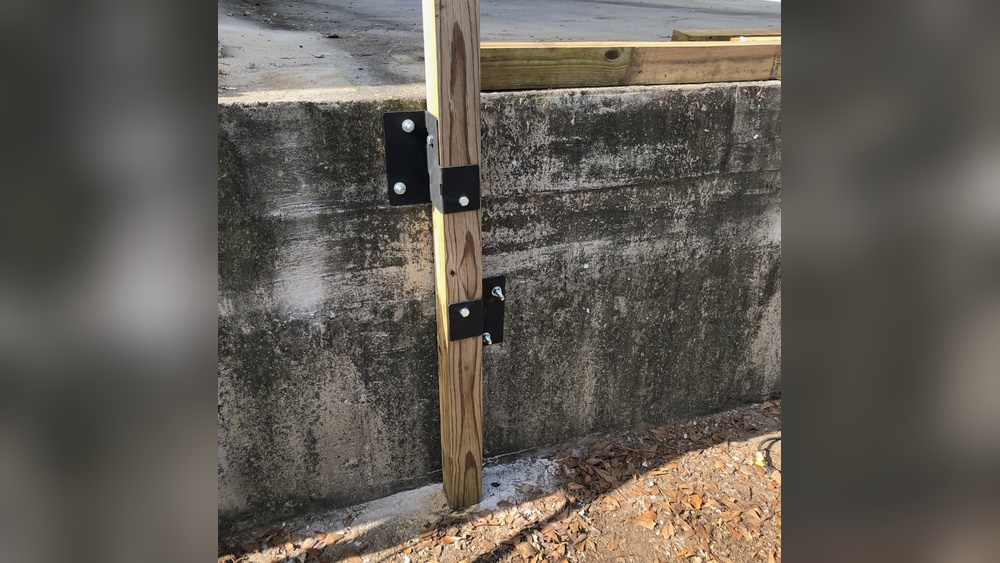
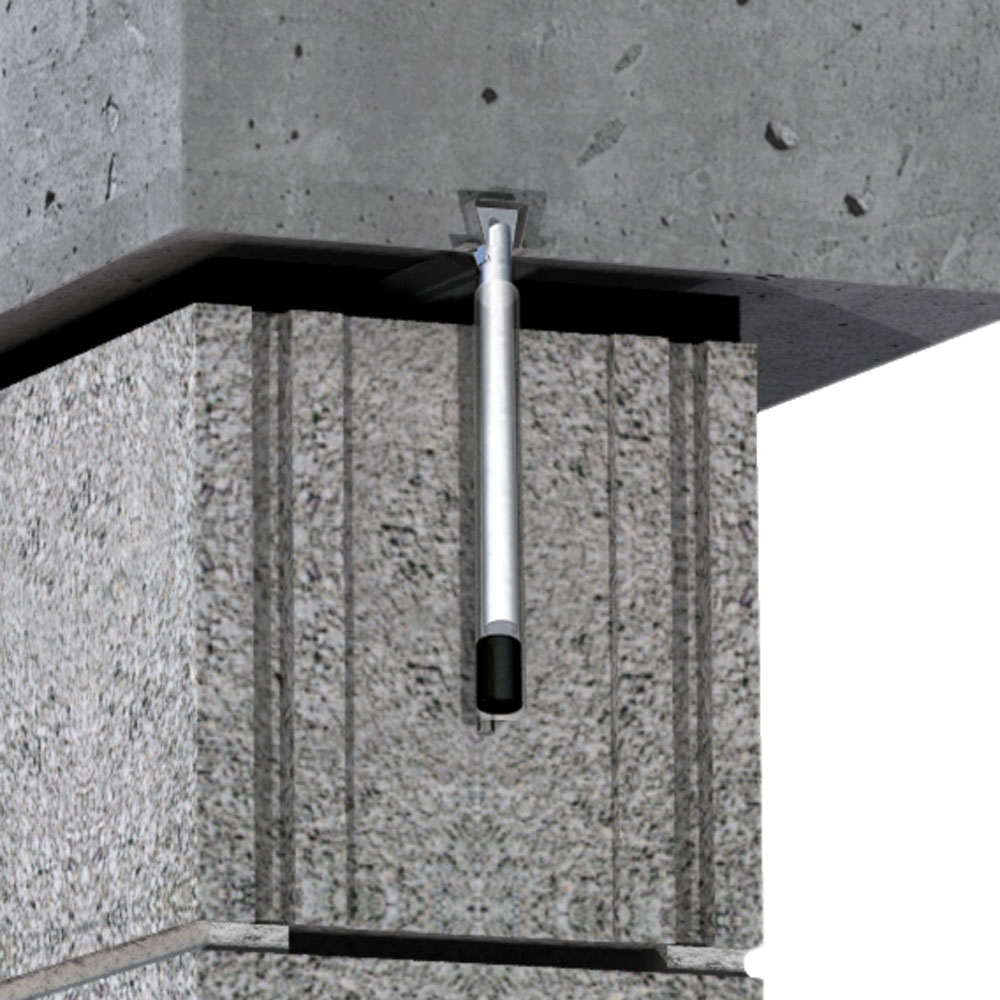
Anchors and fasteners hold the partition wall firmly in place. Choose anchors based on wall weight and material. Expansion anchors work well in concrete or brick walls. Toggle bolts are great for hollow walls like drywall. Screws must match the anchor type and wall frame. Using the right fastener prevents movement and increases safety.
Credit: www.h-b.com
Preparing The Workspace
Preparing the workspace is the first step to anchor a partition wall correctly. A clean and organized area helps make the job easier and safer. Taking time to set up will save effort later.
Measuring And Marking
Measure the space where the partition wall will go. Use a tape measure for accuracy. Mark the wall and floor with a pencil. These marks guide you during installation.
Check the marks twice to avoid mistakes. Straight lines ensure the wall fits well. Clear markings prevent guesswork and speed up the process.
Gathering Tools And Safety Gear
Collect all needed tools before starting. Common tools include a drill, screws, level, and screwdriver. Having everything ready helps work flow smoothly.
Wear safety gear like gloves and goggles. Protecting your hands and eyes is important. Safety gear reduces the risk of injury during work.
Installing The Frame
Installing the frame is the key step in building a strong partition wall. The frame holds the wall’s structure. Proper installation ensures the wall stays firm and straight. Focus on placing studs and securing plates correctly.
Positioning The Studs
Start by marking the wall layout on the floor and ceiling. Space the studs evenly, usually 16 inches apart. Place each stud vertically between the top and bottom plates. Make sure they stand straight and aligned. Use a level to check the studs’ position. This prevents wavy or weak walls.
Securing The Bottom And Top Plates
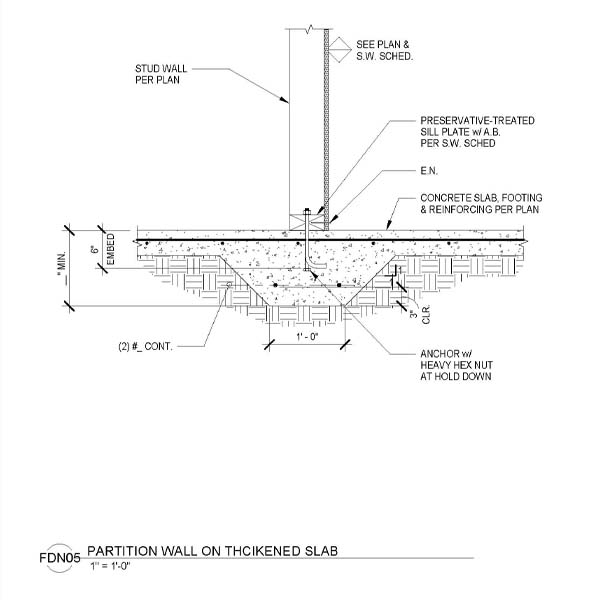
Attach the bottom plate firmly to the floor. Use screws or nails suitable for your floor type. Fix the top plate to the ceiling or joist. Ensure both plates run parallel and straight. Check for any gaps or uneven areas. Tight plates lock the studs and add strength.
Anchoring Techniques
Anchoring a partition wall is key to making it strong and safe. The right anchoring stops movement and keeps the wall steady. There are several techniques to secure a partition wall properly. Each method fits different wall types and materials.
Using Wall Anchors
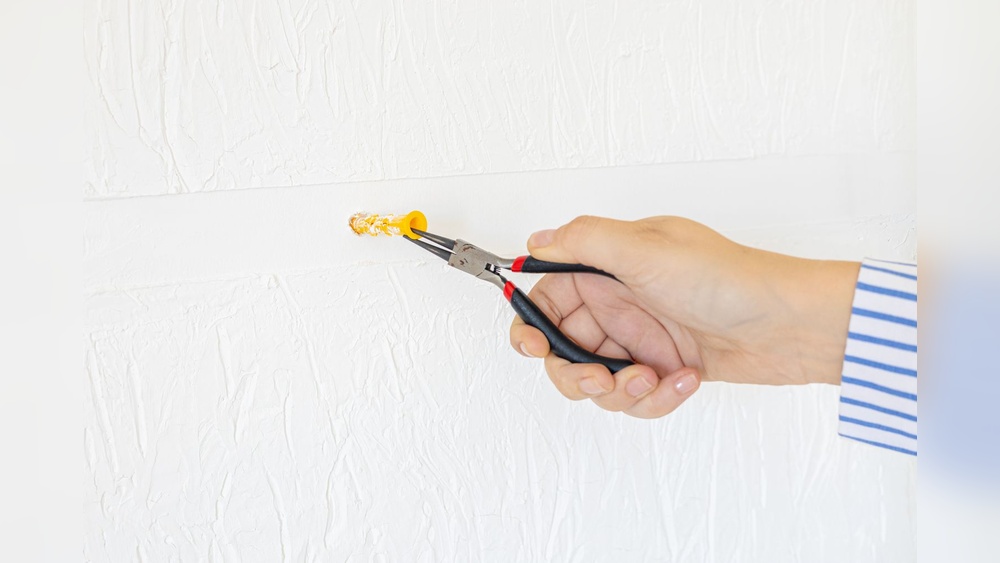
Wall anchors hold screws tightly in place. They work well in hollow walls and drywall. First, drill a hole in the wall. Then, push the anchor into the hole. Finally, insert the screw into the anchor. This method prevents screws from pulling out easily. Choose anchors based on wall weight and type.
Fixing To Concrete And Drywall
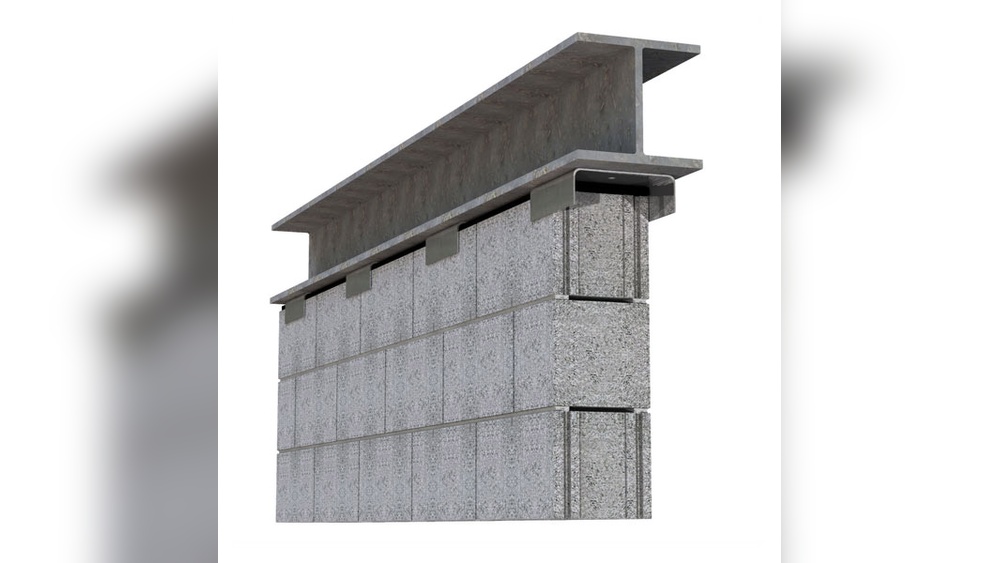
Concrete needs strong anchors like sleeve or wedge anchors. Drill a hole with a hammer drill first. Tap the anchor into the hole firmly. Tighten the screw to secure the wall frame. For drywall, use toggle bolts or molly bolts. These spread the load over a bigger area. This keeps the partition stable on lighter walls.
Ensuring Level And Plumb
Level and plumb walls look good and last longer. Use a spirit level to check horizontal and vertical lines. Adjust the frame before fixing anchors. Small tweaks improve wall strength and appearance. Double-check after fixing to avoid future problems.
Adding Stability Features
Adding stability features to a partition wall makes it strong and safe. These features help the wall resist pressure and stay upright over time. They also prevent shaking or bending, especially in busy spaces or tall walls.
Simple steps like bracing, blocking, and reinforcing corners improve the wall’s durability. These methods support the frame and keep everything tightly connected. Proper stability means the wall lasts longer and looks better.
Bracing And Blocking
Bracing adds diagonal supports between studs. It stops the wall from swaying side to side. Use metal braces or wooden strips for this job.
Blocking fills gaps between studs horizontally. It strengthens the wall frame and gives extra nailing spots. This helps attach drywall or paneling firmly.
Reinforcing Corners
Corners are weak points in a partition wall. Reinforce them with solid wood blocks or metal brackets. This keeps corners tight and prevents cracks.
Use corner braces to join two walls firmly. Strong corners add overall stability and make the wall frame rigid.
Finishing Touches
Finishing touches make your partition wall look complete and neat. This stage covers installing the surface material and making sure the wall looks smooth and clean. Proper finishing improves the wall’s strength and appearance.
Installing Drywall Or Panels
Start by measuring the wall carefully. Cut drywall or panels to fit the space. Attach them to the frame using screws or nails. Make sure the panels are flush and tight against the frame. Check for any gaps or loose spots. Filling these gaps helps keep the wall strong and insulated.
Sealing And Painting
Apply joint compound to cover seams and screw holes. Smooth it with a putty knife for an even surface. Let it dry fully before sanding lightly. This step removes bumps and rough areas. Use primer before painting to help paint stick well. Choose paint that matches your room’s style. Paint in thin, even coats for the best finish. Allow each coat to dry before applying the next.
Common Mistakes To Avoid
Anchoring a partition wall seems simple, but small mistakes can cause big problems. These errors affect the wall’s strength and safety. Avoiding common mistakes saves time and money. Here are two key errors to watch out for.
Incorrect Anchor Placement
Placing anchors in the wrong spot weakens the wall. Anchors must go into strong framing, not just drywall. Drywall cannot hold heavy weight, so the wall may wobble or fall. Check the wall studs before drilling. Use a stud finder to locate solid wood or metal studs. Position anchors evenly to spread the load. Avoid placing anchors too close to edges. This prevents cracks and damage.
Ignoring Structural Load
Ignoring how much weight the wall will hold is risky. Partition walls often carry shelves or cabinets. If anchors cannot support the load, the wall fails. Calculate the load before choosing anchors. Use heavy-duty anchors for heavier loads. Light anchors suit only light partitions. Think about future changes too. Strong anchors keep the wall safe and stable over time.

Credit: www.reddit.com
Frequently Asked Questions
What Tools Are Needed To Anchor A Partition Wall?
You need a drill, screws, anchors, a level, measuring tape, and a stud finder. These tools ensure secure and precise anchoring of the partition wall.
How Do You Find Studs For Anchoring Partition Walls?
Use a stud finder to locate studs behind drywall. Mark the studs clearly for accurate screw placement and stronger support for the partition wall.
Can I Anchor A Partition Wall Without Studs?
Yes, use wall anchors or toggle bolts to secure the partition wall. These provide firm support when studs are unavailable or inconvenient.
What Is The Best Anchor Type For Partition Walls?
Plastic expansion anchors or metal toggle bolts work best. They hold well in drywall and provide strong support for partition walls.
Conclusion
Anchoring a partition wall takes careful steps and the right tools. Follow the guide to place anchors firmly and safely. Strong anchors keep the wall stable and last longer. Check your work often to avoid mistakes. This helps your wall stay straight and secure.
With patience and care, anyone can do it well. Keep practicing, and your skills will improve. A well-anchored partition adds space and style to your room. Simple steps lead to great results every time.