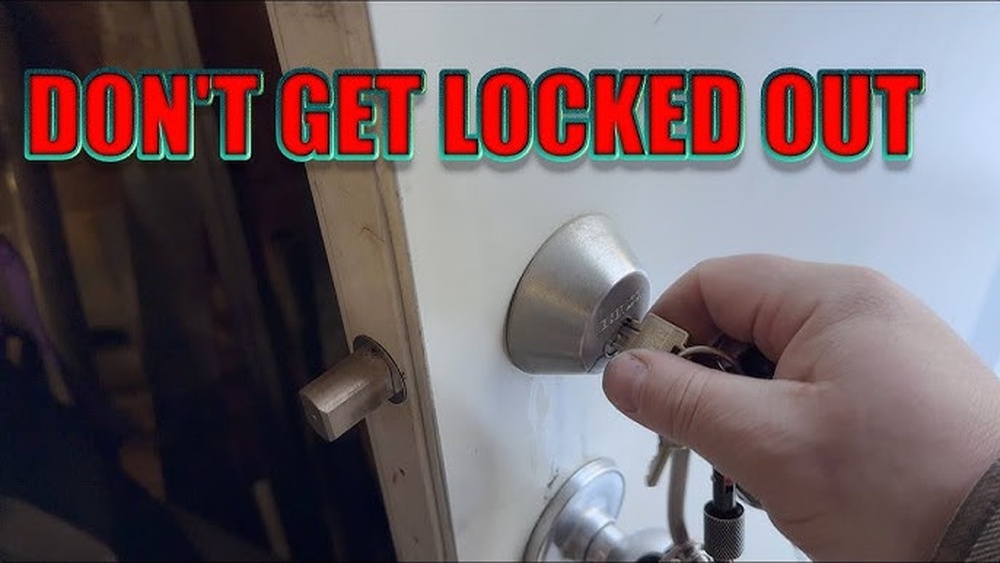
Have you ever faced the frustration of a frozen deadbolt right when you need to get inside? It’s a common problem, especially during cold months, and it can leave you feeling stuck and helpless.
But don’t worry—unfreezing a deadbolt is easier than you think. You’ll discover simple, effective methods to get your lock working again quickly. Keep reading, and you’ll never have to worry about a frozen deadbolt slowing you down.
Causes Of A Frozen Deadbolt
A frozen deadbolt can block your way and cause real trouble. Understanding why deadbolts freeze helps you prevent and fix the problem. Several factors cause deadbolts to freeze, mostly related to weather and wear. Knowing these causes makes it easier to deal with a stuck lock quickly.
Weather Effects
Cold weather is the main cause of a frozen deadbolt. When temperatures drop, metal parts contract and tighten. This shrinking can stop the lock from moving smoothly. Strong winds and cold air can bring moisture inside the lock. This moisture freezes and locks the deadbolt in place.
Moisture And Ice Build-up
Moisture gets inside the lock from rain or snow. Water inside the deadbolt freezes in cold weather. Ice build-up blocks the keyhole and the lock’s moving parts. Even a small amount of ice can stop the deadbolt from turning. This makes it impossible to open the door.
Mechanical Wear
Old or damaged deadbolts may freeze more easily. Worn parts can trap water and dirt inside the lock. Rust forms when metal stays wet for too long. Rusty parts do not move well and can get stuck. Regular use and lack of maintenance cause mechanical wear.
Credit: www.youtube.com
Tools Needed To Unfreeze A Deadbolt
Unfreezing a deadbolt requires the right tools to work safely and fast. Using proper items can prevent damage to your lock and door. Some tools you may already have at home. Others might need to be bought from a hardware store. Knowing these tools helps you act quickly when the deadbolt freezes.
Household Items
Common items can help thaw a frozen deadbolt. A hairdryer is one of the best tools to warm the lock gently. Rubbing alcohol or hand sanitizer can melt ice inside the lock. A small towel or cloth helps hold warmth around the deadbolt. Even warm water poured carefully can help, but avoid too much to prevent water damage.
Specialized Tools
Some tools are made specifically for frozen locks. A lock de-icer spray works fast to melt ice inside the mechanism. A lock lubricant keeps parts moving smoothly after thawing. A heat gun can warm the deadbolt more powerfully than a hairdryer but needs careful use to avoid damage. A set of lock picks might help if the lock is stuck after thawing.
Quick Home Remedies To Thaw A Deadbolt
Deadbolts can freeze in cold weather, stopping you from opening your door. Quick home remedies can help thaw a deadbolt fast. These methods use common items found at home. They are safe and easy to try. Acting fast prevents damage to the lock.
Using Heat Sources
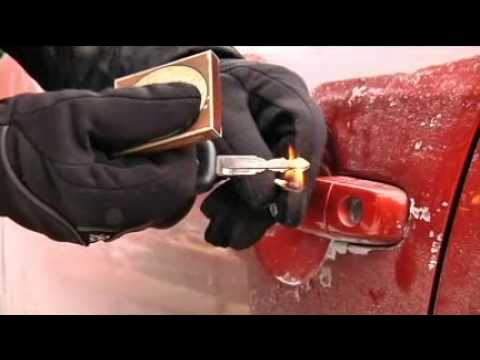
Applying gentle heat melts ice inside the deadbolt. Use a hairdryer on low heat. Hold it a few inches away from the lock. Move it around for even warming. Avoid open flames, as they can harm the door. Heat softens ice, allowing the lock to move freely.
Applying Lubricants
Lubricants reduce friction and prevent ice buildup. Spray graphite or silicone lubricant into the keyhole. These lubricants do not attract dirt. They help the key slide in smoothly. Avoid oil-based lubricants; they can thicken in cold weather. Lubricants protect the deadbolt from future freezing.
Warm Water Method
Warm water can melt ice inside the deadbolt. Pour it slowly over the lock. Use water that is warm, not hot, to avoid damage. Dry the lock immediately with a soft cloth. This prevents new ice from forming. Repeat if the deadbolt remains stuck.

Credit: diyprojects.com
Step-by-step Guide To Unlock A Frozen Deadbolt
A frozen deadbolt can be frustrating, especially on a cold day. This guide shows simple steps to free it quickly. Follow each step carefully to avoid damage and get the lock working again.
Prepare The Area
Clear the space around the door. Remove ice or snow near the lock. Keep towels or cloths ready to catch water from melting ice. Make sure the door can open safely once the lock is free.
Apply Heat Safely
Use a hairdryer to warm the deadbolt gently. Hold it a few inches away from the lock. Move the heat around evenly for a few minutes. Avoid open flames or high heat sources to prevent damage.
Use Lubricant Correctly
Choose a graphite or silicone-based lubricant. Spray or apply a small amount inside the keyhole. Avoid oil-based lubricants as they can attract dirt. Work the key in and out slowly to spread the lubricant inside.
Test The Lock
Insert the key and try turning it gently. Do not force the key if it feels stuck. Repeat heating and lubricating steps if needed. The lock should turn smoothly once thawed and lubricated.
Preventing Deadbolt Freezing In The Future
Preventing deadbolt freezing saves time and frustration in cold months. A frozen lock can block access and cause damage. Simple steps keep your deadbolt working smoothly through winter. Regular care and smart choices protect your lock from ice and cold.
Regular Maintenance Tips
Clean your deadbolt often. Dirt and grime can hold moisture. Use a dry cloth to wipe the lock and keyhole. Apply a silicone-based lubricant to keep parts moving freely. Avoid oil-based lubricants; they attract dust and freeze easily. Check the lock for rust or damage and fix problems early.
Weatherproofing Strategies
Install a lock cover to shield against rain and snow. Weather stripping around the door stops cold air from reaching the lock. Use a door sweep at the bottom to block drafts. Keep the area near the lock dry and clear of snow. These steps reduce moisture and cold contact.
Choosing The Right Lock
Select locks made for cold climates. Some models resist freezing better than others. Look for weather-resistant materials and coatings. Consider locks with built-in heaters or special seals. A good lock design lowers the risk of freezing and improves security.
When To Call A Locksmith
Knowing when to call a locksmith can save time and prevent damage. Some deadbolt problems need expert help. Trying to fix serious issues alone may cause more harm. A locksmith has the tools and skills to handle tough situations safely.
Signs Of Serious Damage
Look for broken or bent parts in the lock. If the key won’t turn or gets stuck, it means trouble. Rust or corrosion can weaken the deadbolt’s mechanism. Cracks around the lock or door frame show damage. These signs need a professional’s attention to avoid bigger problems.
Emergency Situations
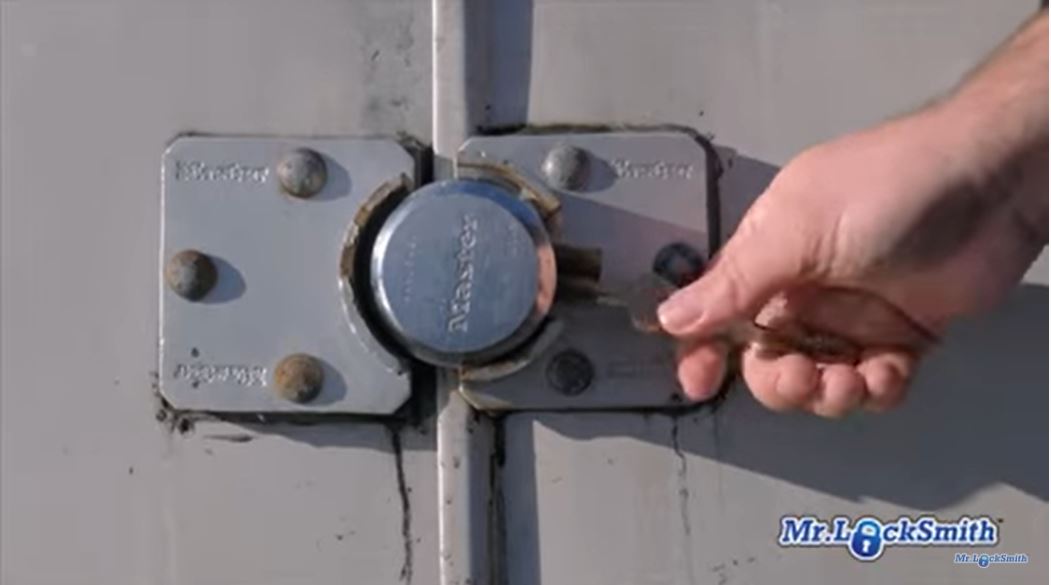
Being locked out in cold weather can be dangerous. A frozen deadbolt that won’t open may trap you inside or outside. Lost or broken keys also require quick help. In these cases, a locksmith can respond fast and safely unlock the door. Acting quickly can protect your safety and property.
Credit: mrlocksmith.com
Frequently Asked Questions
How Can I Safely Unfreeze A Deadbolt Lock?
To safely unfreeze a deadbolt, apply a lock de-icer or use a hairdryer on low heat. Avoid force to prevent damage. Lubricate with graphite or silicone spray afterward for smooth operation.
What Household Items Help Unfreeze A Deadbolt Quickly?
Rubbing alcohol, hand sanitizer, or warm water can thaw a frozen deadbolt. Apply carefully and avoid excess water. Use a hairdryer as an alternative for faster thawing without damage.
Why Does My Deadbolt Freeze In Winter?
Deadbolts freeze due to moisture inside the lock that turns to ice in cold weather. Poor weather sealing and exposure to snow or rain increase freezing risk. Regular maintenance helps prevent this issue.
Can I Prevent My Deadbolt From Freezing Again?
Yes, apply silicone or graphite lubricant regularly. Install weather stripping to reduce moisture entry. Keep the lock clean and dry, especially during winter months, to prevent freezing.
Conclusion
Dealing with a frozen deadbolt can be frustrating and stressful. Using simple methods like warm water, lubricant, or heat helps free it quickly. Avoid using force, as it may damage the lock. Regular maintenance keeps deadbolts working smoothly in cold weather.
Stay calm and try each step carefully. You can solve the problem without extra help. Keep these tips handy for winter emergencies. A little care goes a long way in protecting your home.