If you’ve ever tried to hang heavy shelves on plaster walls, you know it’s not as simple as drilling a hole and popping in a screw. Plaster can crack, crumble, or fail to hold weight properly, leaving your shelves dangerously unstable.
But don’t worry—anchoring heavy shelves in plaster walls is totally doable when you know the right techniques. In this guide, you’ll learn step-by-step how to secure your shelves safely and confidently, so they hold firm without damaging your walls. Keep reading to discover the easy tricks that will save your walls—and your stuff.
Credit: idlehandsawake.com
Choosing The Right Anchors
Choosing the right anchors is key to safely hanging heavy shelves on plaster walls. Plaster walls can be brittle and may crack without proper support. The right anchor holds the shelf steady and protects your wall from damage. This section explains the types of anchors, how to check their weight limits, and the tools you need.
Types Of Anchors For Plaster Walls
Plastic expansion anchors work for light to medium loads. They expand inside the hole to grip the plaster. Metal toggle bolts spread the load over a larger area. They are good for heavy shelves. Molly bolts create a strong hold by expanding behind the wall. They fit well in hollow plaster. Choose anchors made specifically for plaster or drywall.
Weight Capacity Considerations
Each anchor has a weight limit. Check the package for the maximum load. The shelf’s weight plus items on it must be less than this limit. Use anchors rated for more weight than you expect. This adds a safety margin. Avoid using weak anchors for heavy shelves.
Materials And Tools Needed
You will need anchors, screws, and a drill. A screwdriver helps tighten the screws. A stud finder can locate wooden supports behind plaster. A level ensures shelves hang straight. Measuring tape helps place anchors evenly. Use a hammer to make pilot holes if needed.
Locating Wall Studs
Locating wall studs is the first step to securely anchor heavy shelves in plaster walls. Studs provide strong support that plaster alone cannot offer. Finding the right spots ensures your shelves stay safe and stable.
Studs are usually spaced 16 or 24 inches apart inside the wall. Knowing their location helps you drill into solid wood rather than just plaster. This prevents damage and keeps shelves from falling.
Using A Stud Finder
A stud finder is a small tool that detects wood or metal behind plaster. Hold it flat against the wall and move it slowly. The device will beep or light up when it finds a stud.
Choose a quality stud finder for better accuracy. Some models also detect wires and pipes, adding safety while drilling. Use the tool along the wall at the height of your shelf.
Manual Methods For Stud Detection
Tap the wall lightly with a small hammer or your knuckle. A hollow sound means no stud. A solid, less echoing sound shows a stud’s position.
Look for clues like nails or screws in baseboards. They often mark where studs are nailed. Outlets and light switches usually attach to studs too.
Marking Anchor Points
Once you find studs, mark their edges with a pencil. Mark both sides to center your shelf bracket on the stud.
Use a level to keep marks straight and even. Properly marked points help drill holes accurately. This step prevents mistakes and keeps shelves secure.
Preparing The Wall
Preparing the wall is the first step to safely anchor heavy shelves in plaster walls. A clean and solid surface helps the anchors hold better. It also prevents damage during installation. Take time to prepare well for a strong, lasting shelf mount.
Cleaning And Inspecting The Surface
Clear dust, dirt, and loose plaster from the wall area. Use a soft brush or cloth to wipe the surface. Check for cracks, holes, or weak spots. These can affect the shelf’s stability. Mark any damaged areas to avoid them when drilling.
Drilling Pilot Holes Safely
Use a small drill bit to make pilot holes. This guides the larger drill bit and stops plaster from cracking. Drill slowly and gently. Keep the drill straight to avoid widening the hole. Wear safety glasses to protect your eyes from dust.
Preventing Wall Damage
Place masking tape over the drilling spot. This reduces plaster chipping around the hole. Avoid using too much force when inserting anchors. Choose anchors made for plaster walls. These spread the load and protect the wall from cracking.

Credit: athomewithashley.com
Installing Anchors
Installing anchors in plaster walls is key for holding heavy shelves safely. Plaster walls can be fragile, so using the right anchors keeps your shelves steady. Proper installation stops shelves from falling and protects your walls from damage.
Step-by-step Anchor Installation
First, mark the spot where you want the shelf. Use a pencil and a level for straight lines. Next, drill a hole slightly smaller than the anchor. This makes the anchor fit tight.
Push the anchor into the hole until it is flush with the wall. Use a hammer if needed, but gently. Then, screw in the anchor until it expands behind the plaster. This holds it firmly in place.
Securing Heavy Shelves Properly
Choose anchors rated for heavy weight. Insert screws that match the anchor size. Tighten screws slowly to avoid cracking plaster. Check that shelves are level before final tightening.
Use a stud finder to find wall studs. Anchors near studs give extra support. Spread anchors evenly under the shelf for balance. This prevents sagging and keeps shelves strong.
Common Mistakes To Avoid
Do not drill holes too big. Loose anchors will not hold weight. Avoid over-tightening screws; plaster can crack easily. Skipping a level check causes crooked shelves.
Do not ignore the weight limit of anchors. Using small anchors for heavy shelves is unsafe. Avoid placing all anchors in one spot. This leads to uneven support and wall damage.
Testing Shelf Stability
Testing shelf stability is a key step after anchoring heavy shelves in plaster walls. It ensures the shelf can hold weight without risk. A stable shelf keeps your items safe and prevents wall damage. Checking stability early helps avoid accidents and costly repairs.
Load Testing Methods
Start by placing light items on the shelf. Gradually add weight in small steps. Watch for any movement or creaking sounds. Use a level tool to check if the shelf stays even. Avoid sudden heavy loads during the first test. This slow approach reveals weak points safely.
Adjusting For Extra Support
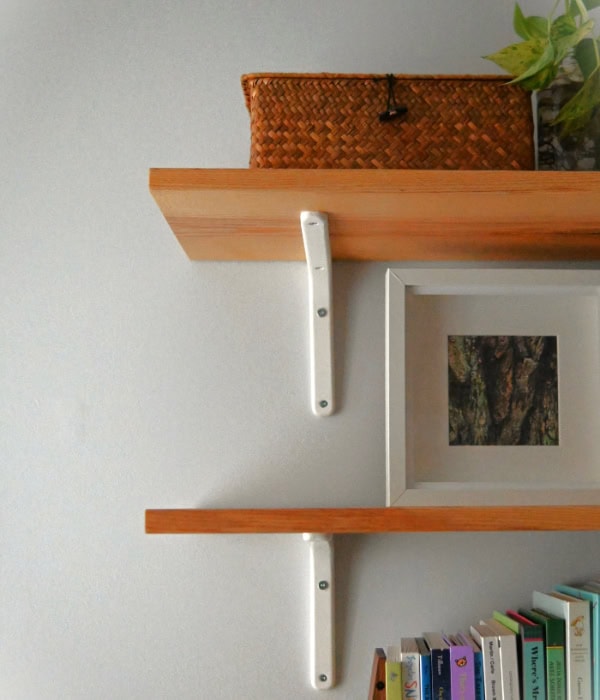
If the shelf shows signs of strain, add more anchors. Use wall studs or toggle bolts for stronger hold. Consider adding brackets underneath for extra support. Tighten all screws and anchors firmly. Recheck the shelf level after adjustments. Extra support spreads the load and reduces stress on plaster.
Maintenance Tips
Regularly inspect the shelf and anchors for damage. Tighten loose screws to keep the shelf secure. Remove heavy items if you notice cracks or sagging. Clean dust from anchor points to avoid weakening. Small checks extend the shelf’s life and safety.
Credit: yellowbrickrosehome.com
Frequently Asked Questions
How Do I Anchor Heavy Shelves In Plaster Walls Safely?
Use specialized anchors like toggle bolts or molly bolts for plaster. Pre-drill holes carefully to avoid cracking. These anchors distribute weight evenly, providing strong support for heavy shelves.
What Tools Are Needed To Mount Shelves On Plaster Walls?
You will need a drill, masonry bits, a screwdriver, a level, and suitable anchors like toggle or molly bolts. These tools ensure precise holes and secure shelf installation.
Can I Use Regular Wall Anchors For Plaster Walls?
Regular plastic anchors often fail in plaster. Use metal anchors designed for hollow or brittle walls. Toggle and molly bolts are more reliable for heavy loads on plaster.
How To Find Studs Behind Plaster Walls For Shelf Support?
Use a stud finder designed for plaster or gently tap the wall to listen for solid sounds. Anchoring shelves into studs provides the strongest support.
Conclusion
Anchoring heavy shelves in plaster walls needs care and the right tools. Choose strong anchors designed for plaster to avoid damage. Always check the wall’s condition before drilling. Use a level to keep shelves straight and secure. Taking these steps helps keep your shelves steady and safe.
Now, you can enjoy your space with confidence and style. Simple tips make a big difference in home projects. Give your walls the support they need for heavy shelves.