Are you tired of struggling with weak wall anchors that just won’t hold your shelves or decorations securely? Installing pop toggle wall anchors can be the simple fix you need to make your walls strong and reliable.
In this guide, you’ll learn exactly how to install these anchors step-by-step, so your items stay firmly in place without any hassle. Keep reading, and you’ll discover easy tips that save you time and frustration, turning you into a confident DIY pro in no time.
Choosing The Right Wall Anchors
Choosing the right wall anchors is essential for a secure and lasting hold. Different projects need different anchors. Picking the wrong type may cause damage or failure. Understanding types and weight limits helps avoid mistakes. Here is what you need to know about pop toggle wall anchors.
Types Of Pop Toggle Anchors
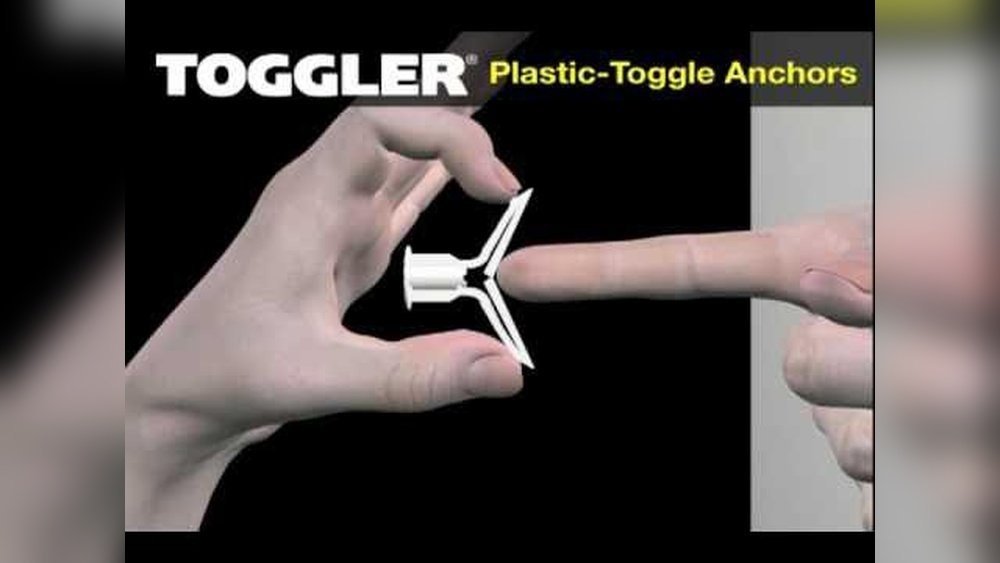
Pop toggle anchors come in several types. Some have metal wings that open behind the wall. Others use plastic toggles that snap open. There are also anchors made for hollow walls and others for solid walls. Each type works best in certain wall materials. Choose based on the wall you are working with.
Materials And Weight Considerations
Wall anchor material affects strength and use. Metal anchors hold heavier loads than plastic ones. Check the weight rating on the package. Match the anchor to the item’s weight. Overloading anchors risks damage and injury. Also, consider the wall material. Some anchors work better in drywall, others in plaster or concrete.

Credit: www.youtube.com
Tools Needed For Installation
Installing pop toggle wall anchors requires specific tools. Using the right tools makes the job easier and safer. It also ensures the anchors hold firmly in the wall. Prepare these tools before you start the installation.
Drill And Drill Bits
A drill is essential for making holes in walls. Choose a drill with enough power for your wall type. Use the correct drill bit size to match the anchor diameter. Too small a bit makes insertion hard. Too large a hole reduces anchor strength. A clean, precise hole helps the anchor work well.
Screwdrivers And Measuring Tools
Screwdrivers help tighten screws into the anchors. Have both flathead and Phillips screwdrivers ready. A tape measure or ruler ensures correct anchor placement. Mark the spot clearly before drilling. This avoids mistakes and keeps your work tidy. Level tools can help if you want anchors in a straight line.
Preparing The Wall
Preparing the wall is a crucial step before installing pop toggle wall anchors. It ensures a secure hold and prevents damage. Taking time to prepare the wall properly makes the installation easier and safer.
Locating Studs And Marking Spots
First, find the studs behind the wall. Use a stud finder tool for accuracy. Mark the spots where you plan to install the anchors. Marking helps place the anchors in the right position. Avoid placing anchors directly on studs unless needed.
Drilling The Correct Hole Size
Choose a drill bit size that fits the toggle anchor perfectly. Too small a hole can break the anchor. Too large a hole may not hold the anchor tightly. Drill straight and steady to avoid wall damage. Clean the hole from dust before inserting the anchor.
Installing Pop Toggle Anchors
Installing pop toggle anchors is a smart choice for hanging heavy items on drywall. These anchors provide strong support by expanding behind the wall. The process is simple and requires few tools. Follow each step carefully to ensure a secure hold.
Inserting The Anchor
Start by drilling a hole in the wall. Use the right drill bit size for your anchor. Push the anchor through the hole until it fits snugly. Make sure the anchor is flush with the wall surface. Avoid forcing it in to prevent damage.
Engaging The Toggle Mechanism
Pull the anchor back slightly to open the toggle wings behind the wall. The wings will spread out and grip the inside firmly. Tighten the screw slowly to lock the toggle in place. Check that the anchor stays tight and does not move. This step secures the anchor and prepares it for mounting.
Securing The Fixture
Securing the fixture is the key step after installing pop toggle wall anchors. It holds your item firmly on the wall. A loose fixture can cause damage or fall off. Follow the steps carefully to keep the fixture stable and safe. Use the right screws and tools for best results.
Aligning And Attaching Screws
Start by placing the fixture against the wall. Match the screw holes with the pop toggle anchors. Insert screws through the fixture into the anchors. Turn the screws slowly by hand to avoid cross-threading. Use a screwdriver to tighten screws further. Keep the fixture steady during this process.
Ensuring A Tight Fit
Check that the fixture does not move after screwing. Tighten screws evenly to avoid tilting the fixture. Avoid over-tightening; it may damage the wall or anchors. Test the fixture by gently pulling or pushing it. If it feels loose, adjust the screws slightly. A firm fit ensures long-lasting support and safety.

Credit: diy.stackexchange.com
Testing The Hold Strength
Testing the hold strength of Pop Toggle wall anchors is a key step after installation. It ensures your anchors are secure and ready to support weight. This process helps avoid accidents and damage to your walls.
Applying Load Gradually
Start by adding a small weight to the anchor. Increase the load slowly in steps. This prevents sudden pressure that might loosen the anchor. Watch closely for any movement or slipping as you add weight.
Checking For Stability
Look carefully at the wall and anchor point. The anchor should stay firm and not wiggle. Tap gently around the anchor to feel if it moves. If it stays steady, the hold is strong and reliable.
Common Mistakes To Avoid
Installing pop toggle wall anchors is simple, but mistakes can cause problems. Avoid common errors to ensure a strong hold and safe mounting. These mistakes often lead to anchors failing or walls getting damaged.
Incorrect Hole Size
Drilling the wrong hole size is a frequent error. A hole too big makes the anchor loose. A hole too small can break the anchor or make it hard to insert. Use the drill bit size recommended on the anchor package. Measure twice before drilling to get it right.
Overtightening Screws
Overtightening screws can damage the wall and anchor. Tighten screws until the anchor feels secure, not more. Too much force can crack drywall or strip the anchor’s grip. Stop as soon as you feel resistance to avoid damage.
Maintenance Tips For Long-lasting Holds
Maintaining Pop Toggle Wall Anchors ensures they hold strong over time. Regular care helps avoid loose fittings and keeps your items secure on the wall. Simple steps can extend the life of your anchors and prevent damage.
Regular Inspections
Check the anchors regularly for any signs of wear or movement. Look for cracks, rust, or any damage around the wall area. Catching problems early helps stop bigger issues later. Make inspections part of your routine home care.
Re-tightening When Necessary
Sometimes anchors can loosen with use or time. Gently tighten screws to keep a firm grip. Avoid over-tightening as this can damage the wall or anchor. Tighten only when you notice slight movement or wobbling.

Credit: www.lowes.com
Frequently Asked Questions
What Tools Are Needed To Install Pop Toggle Wall Anchors?
You need a drill, drill bit, screwdriver, and Pop Toggle anchors. These tools ensure a secure and accurate installation every time.
How Do Pop Toggle Wall Anchors Work?
Pop Toggle anchors spread behind the wall for strong support. They hold heavy items securely without damaging drywall or plaster.
Can I Install Pop Toggle Anchors On Drywall?
Yes, Pop Toggle anchors are ideal for drywall. They provide firm grip and prevent wall damage during heavy item mounting.
How Much Weight Can Pop Toggle Anchors Hold?
Pop Toggle anchors can support up to 100 pounds. This makes them suitable for shelves, mirrors, and other heavy wall fixtures.
Conclusion
Installing pop toggle wall anchors is simple and effective. Follow the steps carefully for a strong hold. These anchors work well for heavy items on drywall. Using the right tools makes the job easier and faster. Take your time to ensure a secure fit.
With practice, you will feel more confident. Now, your walls can hold shelves, mirrors, or pictures safely. Try it yourself and see the difference today.