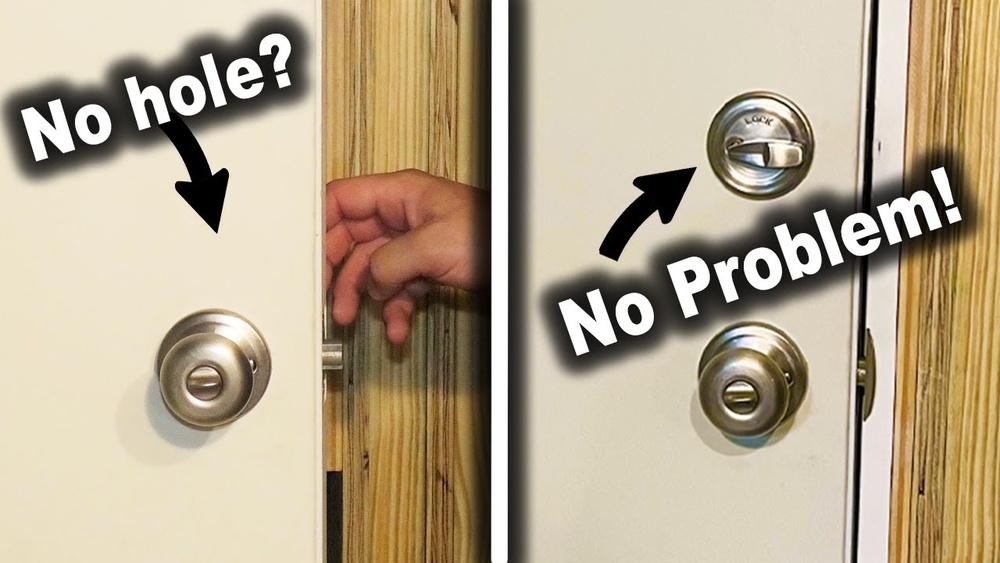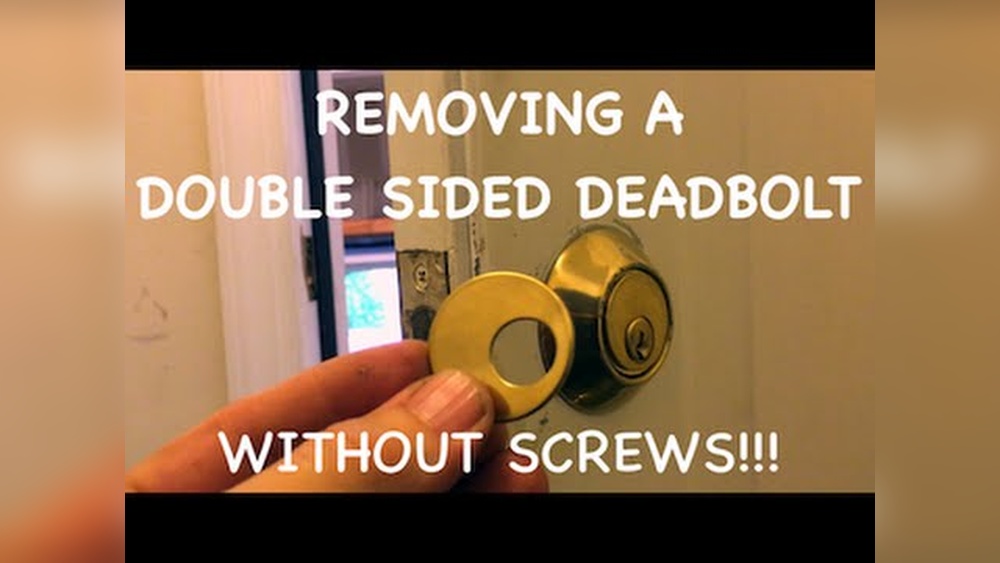
Have you ever found yourself staring at a stubborn deadbolt lock, wondering how to remove it without causing damage? Whether you’re upgrading your security, fixing a jam, or simply replacing an old lock, knowing how to take off a deadbolt lock can save you time and frustration.
In this guide, you’ll discover simple, step-by-step instructions that anyone can follow—even if you’re not a DIY expert. Keep reading, and you’ll gain the confidence to handle your deadbolt like a pro.

Credit: www.youtube.com
Tools Needed
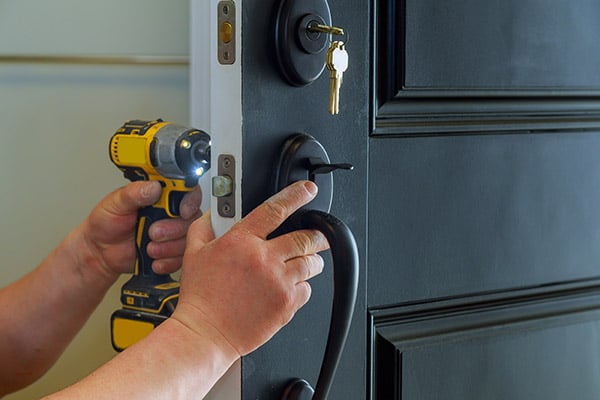
Removing a deadbolt lock requires a few basic tools. Having the right tools makes the job easier and faster. These tools help you handle screws, pry parts, and work safely.
Most of these tools are common and easy to find. You might already have some of them at home. Let’s look at the essential tools needed for this task.
Screwdriver Set
A screwdriver set is a must-have. Deadbolts usually have screws that hold them in place. Different locks use different screws, so a set with various heads is best. Phillips and flathead screwdrivers are the most common types needed.
Allen Wrench
Some deadbolts use hex screws. An Allen wrench fits these screws perfectly. It helps remove the lock without stripping the screws. Check your lock to see if this tool is necessary.
Utility Knife
A utility knife helps cut through paint or caulk around the lock. This makes it easier to remove the lock without damage. Use it carefully to avoid scratches on the door.
Pliers
Pliers give extra grip when twisting or pulling parts. Needle-nose pliers work well in tight spaces. They help remove small parts and hold screws while unscrewing.
Putty Knife
A putty knife can pry off the lock’s faceplate gently. It helps loosen stuck parts without damage. Choose a thin, sturdy knife for best results.
Credit: www.4feldco.com
Locate The Screws
Locating the screws is the first step in removing a deadbolt lock. These screws hold the lock’s parts together. Knowing their exact place makes the removal easier and faster.
Deadbolt locks usually have screws on both the inside and outside parts. You need to find all of them before starting to take the lock apart. Missing one screw can cause damage or make the job harder.
Check The Interior Side Of The Deadbolt
The interior side often has visible screws. These screws attach the lock’s thumb turn and mounting plate. Use a flashlight if the area is dark. Look closely around the edges.
Inspect The Exterior Side For Hidden Screws
The exterior side may have hidden screws under a cover plate. Gently pry off the cover with a flat tool. Be careful not to scratch the door. Hidden screws secure the outer lock face.
Identify The Screw Types And Sizes
Screws can be Phillips, flathead, or security types. Knowing the screw type helps choose the right screwdriver. Using the wrong tool can strip the screws. Take note of screw lengths too.
Remove The Interior Knob
Removing the interior knob is the first step in taking off a deadbolt lock. This part holds the lock mechanism inside the door. Taking it off carefully helps you access the screws and other parts easily. It is a simple task that needs only a few tools.
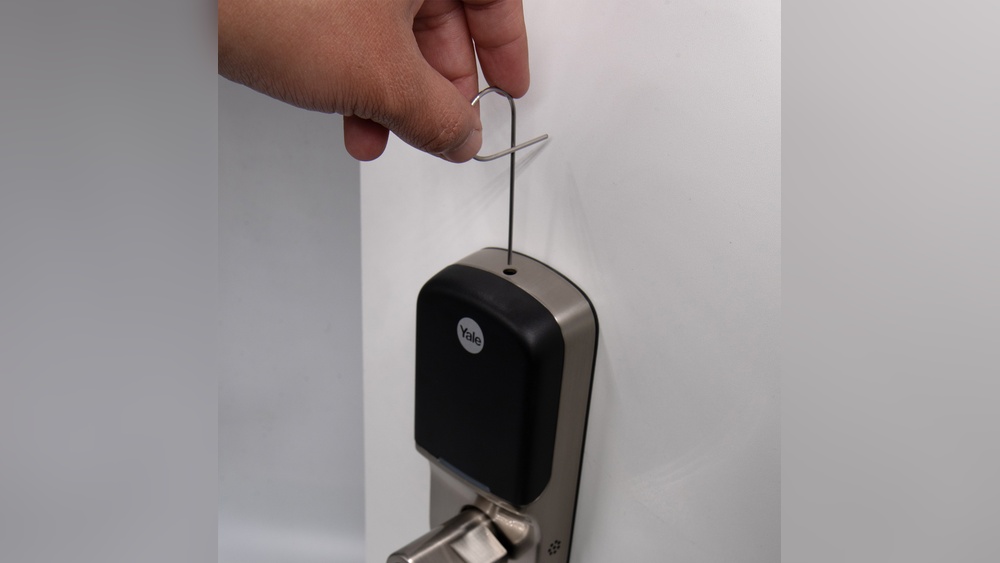
Start by locating the small hole or slot on the knob’s side. This hole hides a release button or a clip. Pressing this button or pushing the clip will loosen the knob. Sometimes, you may need a small flathead screwdriver or a paperclip to press it.
Locate The Release Mechanism
Look around the edge of the interior knob. Find a tiny hole or a small slot. This is the release mechanism. It holds the knob tightly in place. You must press or push it to remove the knob.
Press The Release Button Or Clip
Use a small tool like a screwdriver or paperclip. Insert it into the hole. Push gently until the knob loosens. Do not force it hard. The knob should slide off easily once released.
Pull Off The Interior Knob
Hold the knob firmly. Pull it straight away from the door. It should come off without resistance. If it feels stuck, check the release button again. Make sure it is fully pressed.
Remove The Mounting Screws
After taking off the knob, find the screws inside. Use a screwdriver to remove them. These screws hold the lock assembly on the door. Keep them safe for reassembly or replacement.
Credit: www.reddit.com
Unscrew The Exterior Plate
Unscrewing the exterior plate is the first step to removing a deadbolt lock. This plate covers the screws that hold the lock in place. Taking off the plate allows access to those screws. Without removing this plate, you cannot remove the lock.
The exterior plate is usually located on the outside part of the door. It may have visible screws or be held by clips. Knowing how to properly unscrew it helps avoid damage to your door or lock. Use the right tools and take your time.
Gather The Needed Tools
Start by getting a screwdriver. Most deadbolts use a Phillips head screwdriver. A flathead screwdriver works if the screws are slotted. Having the right tool makes the job faster and safer.
Locate The Screws On The Exterior Plate
Look carefully at the exterior plate. Find the screws that hold it to the door. Some plates hide screws under a small cover. Gently pry off any covers to expose the screws.
Remove The Screws Carefully
Turn the screwdriver counterclockwise to loosen each screw. Hold the plate steady with your other hand. Do not force the screws. If stuck, try applying a little oil to loosen them.
Take Off The Exterior Plate
After removing all screws, gently pull the plate away from the door. The plate may stick slightly. Wiggle it softly until it comes off. Keep the screws safe for later use.
Extract The Deadbolt Mechanism
Extracting the deadbolt mechanism is the key step in removing a deadbolt lock. This part controls the lock’s movement and keeps the door secure. Removing it carefully helps avoid damage and prepares the lock for replacement or repair.
Follow clear steps to take out the mechanism safely. This makes the task easier and less frustrating. Use the right tools and stay patient throughout the process.
Remove The Faceplate Screws
Start by unscrewing the faceplate on the door edge. Use a screwdriver that fits the screws perfectly. Keep the screws safe for later use or replacement.
Pull Out The Deadbolt
Gently slide the deadbolt piece out of the door. Sometimes it may stick. Wiggle it slightly to loosen without forcing.
Unscrew The Lock Cylinder
Locate the screws holding the lock cylinder inside. Remove these screws carefully. This frees the cylinder for full removal.
Extract The Internal Components
With the cylinder out, take out all internal parts. Note their order for easier reassembly. Handle each piece gently to avoid breaking.
Handle Stuck Or Rusted Locks
Deadbolt locks can get stuck or rusted over time. This makes removing them hard. Rust builds up from moisture and age. A stuck handle means you cannot turn it easily. Fixing these problems needs simple steps and patience.
Assess The Lock Condition
Check if the lock shows signs of rust or dirt. Look for rough spots or discoloration. Try to move the handle gently. Notice if it feels tight or frozen. This helps decide the best way to proceed.
Apply Lubricant To Loosen The Mechanism
Use a spray lubricant like WD-40 on the lock parts. Spray into the keyhole and around the handle. Let it sit for 10 to 15 minutes. This softens rust and dirt inside the lock. Then try turning the handle slowly again.
Use Tools Carefully To Free The Handle
Grab a pair of pliers or a wrench for extra grip. Hold the handle firmly and try turning it. Avoid using too much force to prevent damage. If it still won’t move, repeat lubricant application and wait longer.
Clean Rust With Vinegar Or Baking Soda
Remove the lock if possible. Soak it in white vinegar for a few hours. Vinegar breaks down rust naturally. Alternatively, make a paste with baking soda and water. Apply it to rusted areas and scrub gently with a brush.
Prevent Future Rust And Stuck Handles
Keep the lock dry and clean regularly. Apply lubricant every few months. Cover the lock if exposed to rain or snow. Regular care stops rust from forming again. This keeps your deadbolt working smoothly.
Replace Or Repair The Lock
Deciding whether to replace or repair a deadbolt lock depends on its condition and your needs. A broken lock may need repair to work smoothly again. Sometimes, replacing the lock is safer and more cost-effective. Both options have steps that anyone can follow with basic tools.
Assess The Lock’s Condition
Check if the lock turns smoothly or sticks. Look for rust, broken parts, or damage. If the lock feels loose or hard to turn, it may need repair. Cracks or severe rust usually mean replacement is best. A good assessment helps avoid problems later.
Repairing The Deadbolt Lock
Start by removing the lock from the door. Clean all parts with a cloth and oil. Tighten any loose screws. Replace small broken parts like springs if possible. Test the lock after repair to ensure it works well. Repair saves money but needs some patience.
Replacing The Deadbolt Lock
Remove the old lock by unscrewing it from the door. Buy a new lock that fits your door size. Follow the instructions included with the new lock. Insert the new lock and secure it with screws. Test the new lock several times for smooth operation.
Frequently Asked Questions
How Do You Remove A Deadbolt Lock Easily?
To remove a deadbolt lock, first unscrew the interior plate. Next, remove the exterior lock and latch mechanism carefully. Use a screwdriver to detach all screws. Finally, pull the deadbolt assembly out of the door. This process is simple with the right tools.
What Tools Are Needed To Take Off A Deadbolt Lock?
You need a screwdriver, usually Phillips or flathead, to remove screws. Sometimes, an Allen wrench or drill may be required. Having a flashlight and pliers can help with tight screws. These common tools make deadbolt removal quick and efficient.
Can I Remove A Deadbolt Without A Key?
Yes, you can remove a deadbolt without a key by unscrewing the interior side first. If locked, try accessing screws through the faceplate. In some cases, drilling the lock may be necessary. Always ensure you have permission before removal.
How Long Does It Take To Remove A Deadbolt Lock?
Removing a deadbolt typically takes 5 to 15 minutes. It depends on your experience and the lock type. Using proper tools speeds up the process. Careful handling avoids door damage and ensures smooth removal.
Conclusion
Removing a deadbolt lock is simpler than many think. Follow the steps carefully and take your time. Use the right tools to avoid damage. Stay safe and work slowly for best results. With practice, you will feel more confident handling locks.
This skill can save money and hassle later. Remember, patience and attention make the process smooth. Keep your home secure by choosing good locks afterward. Small efforts today lead to easier tasks tomorrow.