Have you ever tried to remove a sticky hook from your wall, only to end up with a stubborn mess? It can be frustrating when those hooks leave behind sticky residue or damage your paint.
But don’t worry—you’re not alone, and there’s a simple way to fix it. You’ll learn easy, effective methods to get sticky hooks off your walls without causing harm. Keep reading, and you’ll soon have your walls looking clean and smooth again.
Common Types Of Sticky Hooks
Sticky hooks are popular for hanging items without nails. They use adhesive to stick on walls. Different types serve different needs. Knowing these types helps remove them safely without wall damage.
Adhesive Strips
Adhesive strips are flat and thin. They stick firmly to walls and objects. People use them for light items like pictures. They peel off easily but need careful pulling. Too much force can peel paint or leave marks.
Command Hooks
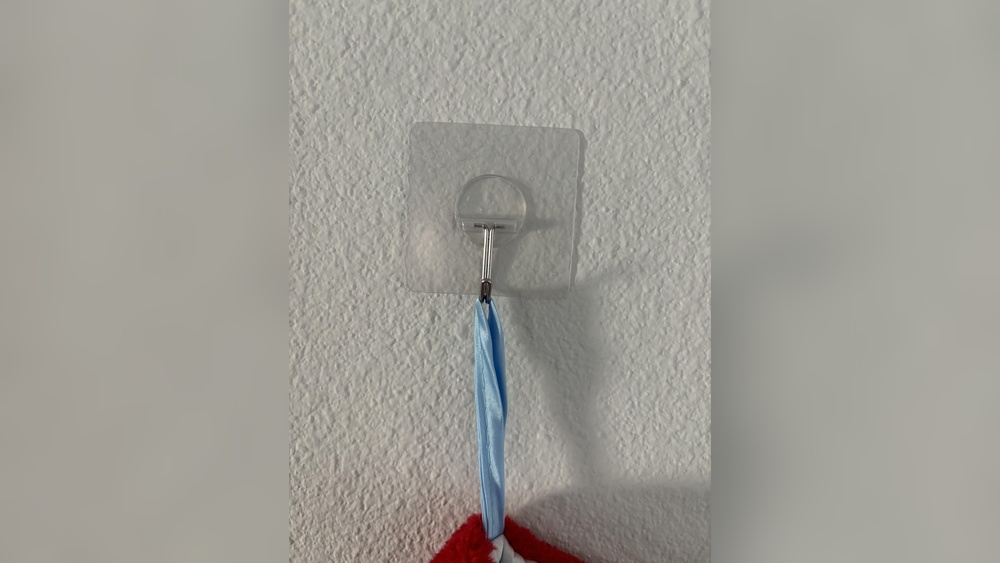
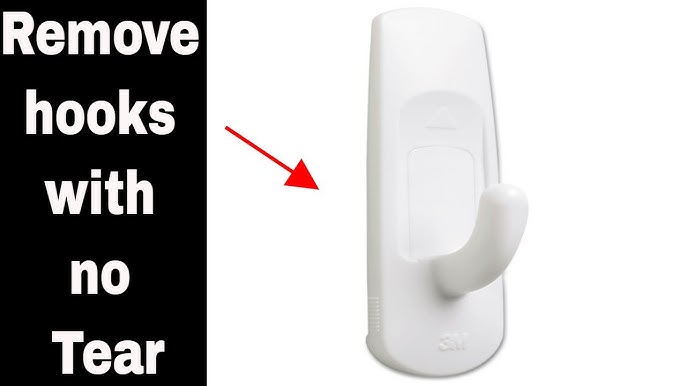
Command hooks are famous for damage-free hanging. They use special strips to hold hooks on walls. These strips stretch when removed, releasing the hook. They hold medium weight items like keys or small bags. Proper removal prevents wall damage and sticky residue.
Reusable Sticky Hooks
Reusable sticky hooks have a gel or silicone base. They stick well and can be washed to reuse. They work well on smooth surfaces like tiles or glass. Over time, their stickiness may reduce. Cleaning them restores grip for multiple uses.
Risks Of Removing Sticky Hooks Incorrectly
Removing sticky hooks from walls seems simple but can cause problems. Many people pull them off too fast or use the wrong tools. This can harm your wall’s surface. Knowing the risks helps you avoid damage and keeps your walls looking good.
Wall Damage
Pulling sticky hooks too hard can tear the wall surface. Drywall and plaster are easy to break. Small holes or dents might appear. These marks need repair before painting or hanging new items. Damage lowers your home’s appearance and value.
Peeling Paint
Sticky hooks often stick to paint layers. Removing them wrongly can peel off paint. Large patches of paint may come off with the hook. This leaves uneven spots that look bad. Fixing peeled paint takes time and extra paint.
Residue Problems
Sticky hooks leave behind glue or tape bits. Residue attracts dust and dirt. It also makes walls sticky and hard to clean. Some residues stain the wall or cause discoloration. Removing residue can be tough without the right method.
Simple Tools You’ll Need
Removing sticky hooks from walls is easier with the right tools. These simple items help loosen adhesive without damaging paint or wallpaper. You can find them at home or in any store. Use them carefully to save time and avoid marks.
Hair Dryer
A hair dryer heats the sticky glue on hooks. Warm adhesive becomes soft and easier to peel off. Hold the dryer a few inches from the wall. Move it slowly over the hook for about 30 seconds. This method works well on most surfaces.
Plastic Card
A plastic card, like an old credit card, helps lift the hook gently. Slide the card between the wall and the sticky part. Push slowly to separate the hook without scratching. This tool is perfect for delicate surfaces and small spaces.
Rubbing Alcohol
Rubbing alcohol removes leftover sticky residue. Dab some on a cloth or cotton ball. Rub the sticky spots until the glue disappears. It dries fast and won’t harm most wall paints. Use it carefully and test on a small area first.
Credit: www.youtube.com
Step-by-step Removal Methods
Removing sticky hooks from walls can be tricky. The adhesive often leaves marks or damages paint. Following clear, simple steps helps protect your wall while removing hooks effectively. Use these methods to avoid hassle and keep surfaces smooth.
Using Heat To Soften Adhesive
Heat makes adhesive softer and easier to remove. Use a hairdryer on low heat. Hold it close to the hook for about 30 seconds. The warmth loosens the glue under the hook. This step reduces the risk of peeling paint or wall damage.
Stretching The Adhesive Strip
After heating, gently stretch the adhesive strip. Pull the strip slowly straight down, not outward. This technique helps release the adhesive cleanly. Stretching avoids ripping off paint or leaving sticky residue behind.
Peeling Gently With A Plastic Card
Use a plastic card like a credit card to lift the hook edge. Slide the card under the hook or adhesive strip. Move it back and forth carefully to break the glue bond. This gentle peeling prevents wall damage and removes leftover adhesive.
Removing Sticky Residue
Sticky hooks often leave behind residue that looks messy on walls. Removing this sticky residue cleans the wall surface and prepares it for repainting or new decorations. The right method depends on the type of adhesive and wall material. Below are simple and effective ways to remove sticky residue without damaging your walls.
Using Rubbing Alcohol Or Vinegar
Rubbing alcohol and vinegar dissolve sticky residues well. Soak a cotton ball or cloth in rubbing alcohol or white vinegar. Gently rub the sticky area in small circles. The residue will start to break down. Wipe the area with a clean, damp cloth afterward. Repeat if needed, but avoid rubbing too hard to protect paint.
Soap And Water Techniques
Soap and warm water work for light sticky residue. Mix a few drops of mild dish soap in warm water. Dip a sponge or cloth in the solution and apply it to the sticky spot. Let it sit for a few minutes to soften the glue. Then rub gently until the residue lifts. Rinse with clean water and dry with a towel.
Commercial Adhesive Removers
Commercial adhesive removers target tough sticky residues. Choose a product safe for painted walls. Follow the instructions on the label carefully. Apply a small amount on the sticky residue. Let it sit for a short time to soften the glue. Wipe away the residue with a soft cloth. Test in a hidden area first to avoid damage.

Credit: www.youtube.com
Tips To Prevent Wall Damage
Removing sticky hooks from walls can be tricky. The goal is to avoid damage to paint or drywall. Careful steps help keep your walls looking good. Use simple methods that protect the surface below the hook.
Pulling Slowly And Evenly
Start by pulling the hook slowly. Pull it straight out from the wall. Avoid quick, sharp tugs. Slow pulling reduces the chance of peeling paint. Keep the pressure even across the hook’s base. This helps the adhesive release gently.
Avoiding Sharp Tools
Do not use knives or sharp objects to remove hooks. These tools can scratch or gouge the wall. Use your hands or soft tools like a plastic card. Soft tools help lift the edge without damage. Stay gentle to keep the wall smooth and clean.
Testing In Hidden Areas
Test removal methods in hidden spots first. This shows how your wall reacts. Try on corners or behind furniture. Small tests prevent large wall problems later. Adjust your method based on what you see in the test. This keeps your wall safe from harm.
When To Call A Professional
Removing sticky hooks from walls can be tricky. Sometimes, the damage is too big or the glue is too tough. At times, the wall surface is very delicate. Knowing when to call a professional can save time and prevent more damage.
Severe Wall Damage
Large holes or deep scratches need expert help. Professionals have the right tools to fix serious damage. Trying to fix it alone may make the problem worse. Experts can restore the wall smoothly and quickly.
Stubborn Adhesive
Some adhesives stick very tightly. Harsh chemicals or strong scraping may be needed. A professional knows the best safe method. They remove glue without harming the wall’s paint or texture.
Delicate Wall Surfaces
Walls with wallpaper or special paint need extra care. Removing hooks can peel or tear the surface easily. Professionals handle delicate walls with gentle techniques. This keeps the surface intact and looking good.

Credit: www.reddit.com
Frequently Asked Questions
How Can I Safely Remove Sticky Hooks From Walls?
To safely remove sticky hooks, gently pull the tab straight down, stretching the adhesive slowly. Avoid pulling outward to prevent wall damage. Use heat or rubbing alcohol if adhesive residue remains for easy cleanup.
What Household Items Help Remove Sticky Hook Residue?
Common household items like rubbing alcohol, warm soapy water, or vinegar can dissolve sticky residue. Apply with a cloth and gently rub the area. These items are safe for most wall surfaces and help avoid damage.
Can Sticky Hooks Damage Wall Paint Or Wallpaper?
Yes, sticky hooks can sometimes peel paint or damage wallpaper when removed improperly. Always pull the adhesive strip slowly and use heat or adhesive removers to minimize damage and preserve your wall’s finish.
How Do I Remove Sticky Hooks Without Leaving Marks?
Pull the adhesive tab straight down slowly to release the hook cleanly. Use a hairdryer to warm the adhesive for easier removal. Clean any residue with rubbing alcohol to prevent marks or stains.
Conclusion
Sticky hooks can leave marks, but removing them is simple. Use gentle tools and common household items. Take your time to avoid damage to walls. Small steps protect your paint and surface. Clean the area after removing the hook. Now your walls look neat and fresh again.
Try these tips next time you remove sticky hooks. Easy and quick fixes save you effort and stress. Keep your space tidy without any hassle.