Have you ever faced the frustration of a deadbolt that just won’t come off because the screws are stuck or missing? You might think replacing a deadbolt without screws is impossible, but it’s not.
In fact, with the right approach, you can easily swap out your old lock and boost your home’s security without hunting down tiny screws. If you want a simple, step-by-step guide that saves you time and stress, keep reading. By the end, you’ll have the confidence to replace your deadbolt quickly and hassle-free.

Credit: diy.stackexchange.com
Tools Needed
Removing the old deadbolt is the first step in replacing it without screws. This part can be tricky. Most deadbolts are held by screws, but some models use clips or friction. Knowing how to remove the old lock carefully is important. It helps avoid damage to the door and frame. Follow these simple steps to take out the old deadbolt safely.
Loosen The Deadbolt
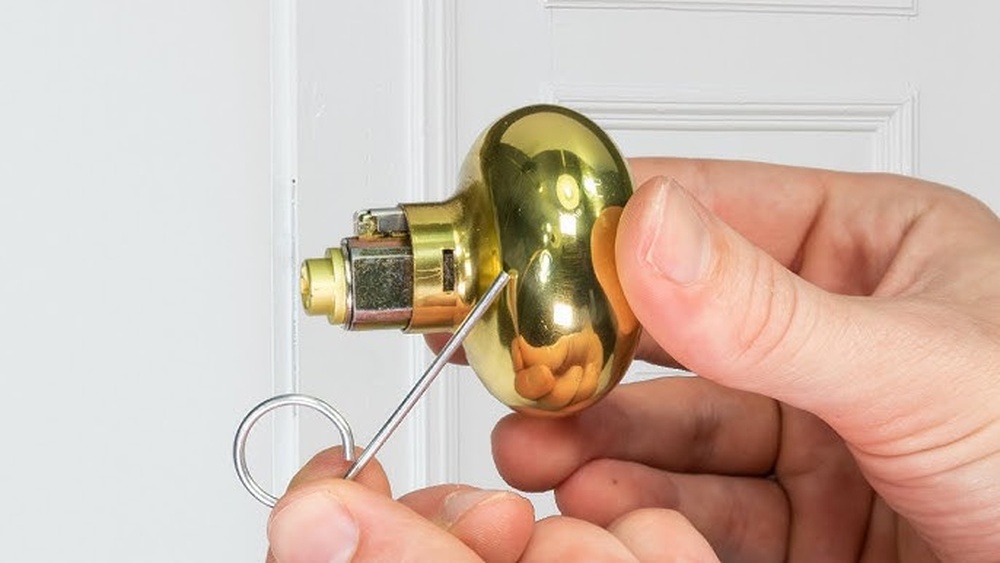
Start by checking the inside of the door knob or handle. Look for a small hole or slot. Use a flathead screwdriver or a paperclip to press inside the hole. This action releases the lock from its hold. Twist the knob or handle gently while pressing. The deadbolt should start to move. If it does not, try wiggling the lock slightly to loosen it.
Extract The Lock Mechanism
Once loose, pull the deadbolt out carefully. Use steady force to avoid bending or breaking parts. If the lock feels stuck, slide a thin tool between the door and lock. This can help ease the mechanism free. Remove both sides of the lock—outside and inside parts. Place the old lock aside. Now the door is ready for the new deadbolt installation.

Credit: diy.stackexchange.com
Remove Old Deadbolt
Preparing the door surface is an important step before replacing a deadbolt without screws. A smooth and clean surface helps the new lock fit better and work properly. Taking time to prepare ensures the deadbolt stays secure and lasts longer.
Clean The Area
Start by removing dirt, dust, and old glue from the door surface. Use a soft cloth and mild cleaner to wipe the area gently. Make sure the surface is dry before moving on. A clean surface helps the new lock stick firmly without gaps.
Check Alignment
Look closely at the door and frame edges where the deadbolt will go. Check if the holes line up well and the door closes smoothly. Fix any misalignment by adjusting the door or sanding rough spots. Proper alignment prevents the lock from sticking or failing.
Prepare Door Surface
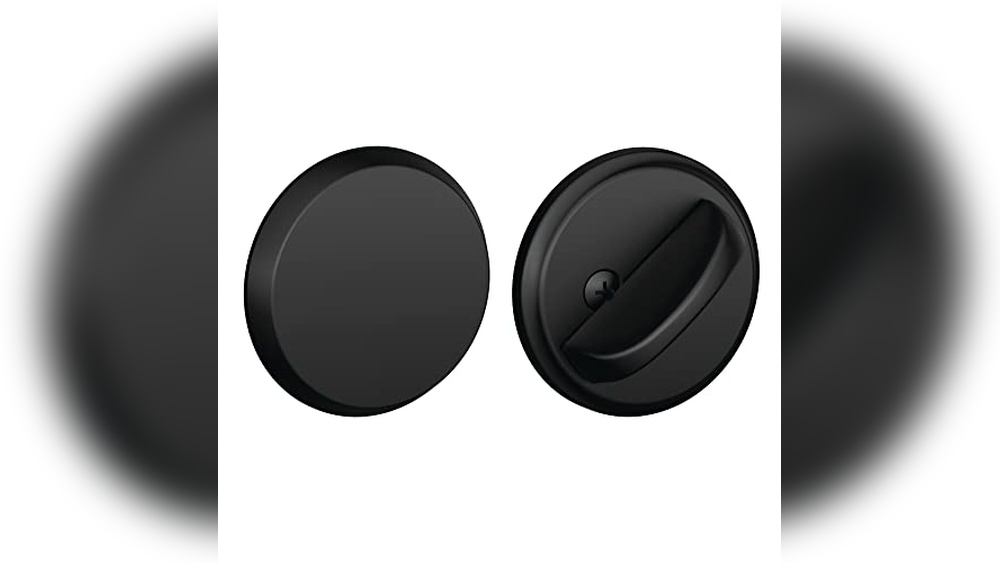
Choosing a screwless deadbolt makes replacing a lock easy. No need to deal with tiny screws or special tools. These deadbolts come ready to install. They fit well on most doors and offer good security. Great for quick fixes or upgrades.
Types Available
Screwless deadbolts come in several styles. Some use strong adhesive to hold the lock parts together. Others have a twist-lock mechanism that snaps into place. Some models include a sliding latch system. Each type suits different door materials and thicknesses. Check your door before buying one.
Material And Durability
Most screwless deadbolts use metal parts for strength. Common materials include stainless steel and zinc alloy. These resist rust and damage over time. Some have plastic covers, but the internal parts stay metal. Look for locks with good reviews on lasting long. Durable materials keep your home safe for years.
Choose Screwless Deadbolt
Installing a new deadbolt without screws may seem tricky. This process calls for care and the right approach. The key is to position the lock correctly and secure it firmly without screws. Follow these steps to complete the installation smoothly.
Positioning The Lock
Start by aligning the deadbolt with the door’s hole. Hold the lock in place to check the fit. The lock should sit flush against the door surface. Make sure the bolt lines up with the strike plate on the door frame. Proper positioning ensures the lock works smoothly.
Securing Without Screws
Use strong adhesive pads or double-sided tape designed for heavy use. Apply the adhesive evenly on the back of the lock. Press the lock firmly against the door for several minutes. Let the adhesive set for the time stated in instructions. For extra strength, combine adhesive with a tension bar or clamp. This method keeps the deadbolt stable and secure without screws.
Install New Deadbolt
Testing the lock functionality is a key step after replacing a deadbolt without screws. It ensures the lock works smoothly and keeps your door secure. Taking time to test helps avoid future problems. Follow these simple checks to confirm your lock is ready to use.
Check Lock Engagement
Turn the key or thumb turn to lock and unlock. Listen for a clear click sound. The bolt should slide in and out easily. Make sure the bolt fits fully into the strike plate. Test the door by trying to open it when locked. It should stay firmly closed without any movement.
Adjust If Necessary
If the lock does not engage properly, adjust the bolt or strike plate. Loosen screws slightly to move the strike plate up or down. Tighten screws after adjustment. Test the lock again until the bolt fits perfectly. Repeat until the lock works smoothly with no resistance.

Credit: www.youtube.com
Test Lock Functionality
Maintaining a deadbolt lock without screws ensures it lasts longer and works smoothly. Simple care helps prevent problems and keeps your door secure. Follow these easy tips to keep your lock in good shape.
Regular Cleaning
Clean the deadbolt regularly to remove dust and dirt. Use a soft cloth to wipe the surface gently. Avoid harsh chemicals that can damage the lock’s finish. Clean the keyhole by blowing air or using a small brush. This stops dust from blocking the mechanism inside.
Lubrication Advice
Lubricate the lock to keep it turning smoothly. Use graphite powder or a silicone-based lubricant. Avoid oil-based lubricants, as they attract dust and dirt. Apply a small amount inside the keyhole and on the bolt. Turn the key several times to spread the lubricant evenly.
Frequently Asked Questions
How Do You Remove A Deadbolt Without Screws?
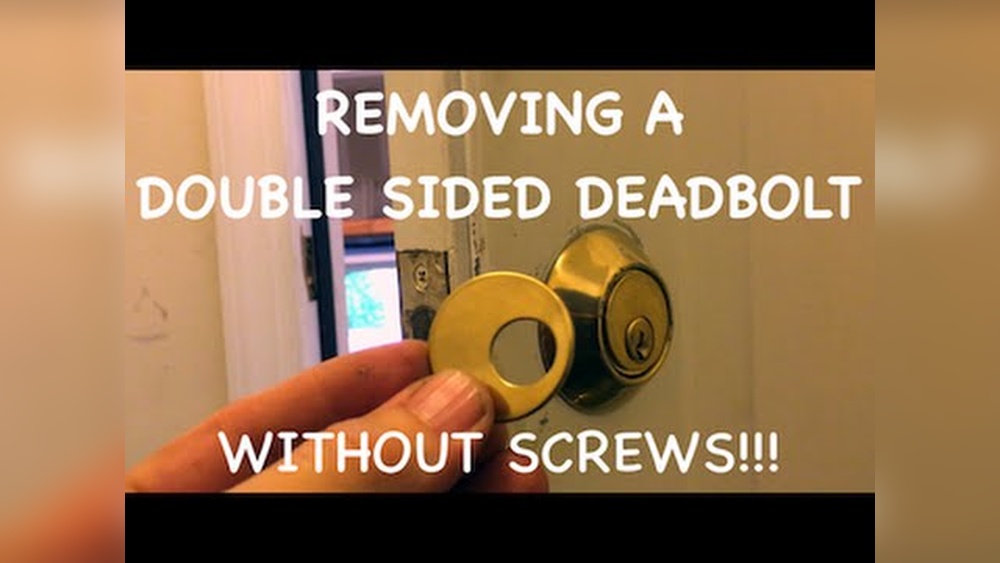
You can remove a deadbolt by sliding or prying off the faceplate. Use a credit card or flat tool to release the latch gently. Some models have hidden clips or tabs to unlock the mechanism without screws.
Can A Deadbolt Be Replaced Without Drilling Holes?
Yes, you can replace a deadbolt without drilling by using adhesive mounts or retrofit kits. These options secure the lock firmly while avoiding damage to the door. Always check compatibility with your door type before purchasing.
What Tools Are Needed To Replace A Screwless Deadbolt?
Basic tools include a flathead screwdriver, a credit card, and pliers. These help to release clips and remove the old deadbolt easily. No power tools or drills are necessary for screwless deadbolt replacement.
Is It Safe To Install A Deadbolt Without Screws?
Installing a deadbolt without screws can be safe if you use strong adhesive or retrofit hardware. Ensure the lock fits tightly and operates smoothly to maintain security. Follow manufacturer instructions carefully for best results.
Conclusion
Replacing a deadbolt without screws is simpler than it seems. Using alternative methods can save time and effort. Carefully follow the steps to ensure a secure fit. This approach works well for many standard doors. Always check your door type before starting the process.
With patience, you can complete the task safely. Keep your tools ready and work slowly. A secure deadbolt keeps your home safe and sound. Try this method next time your deadbolt needs a change.