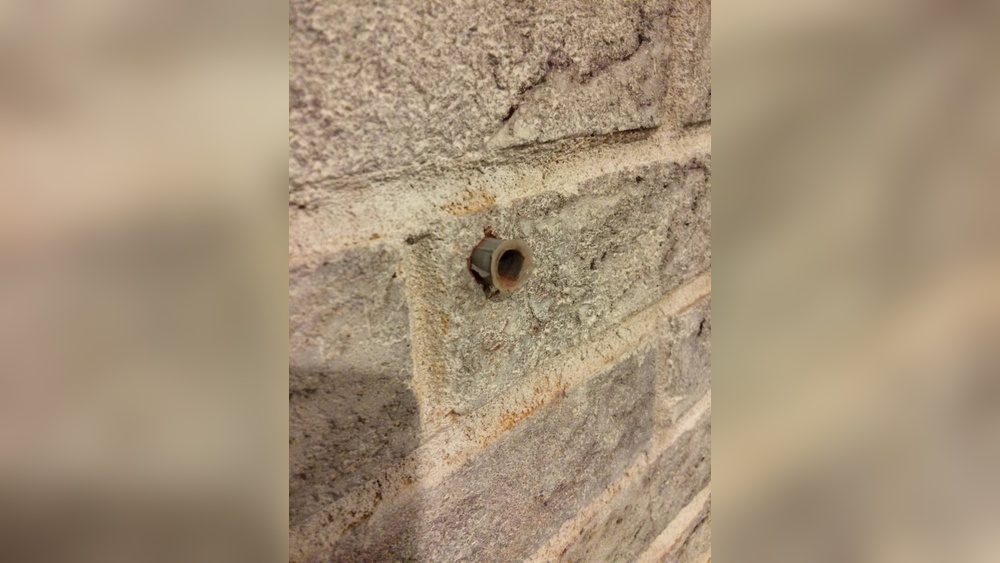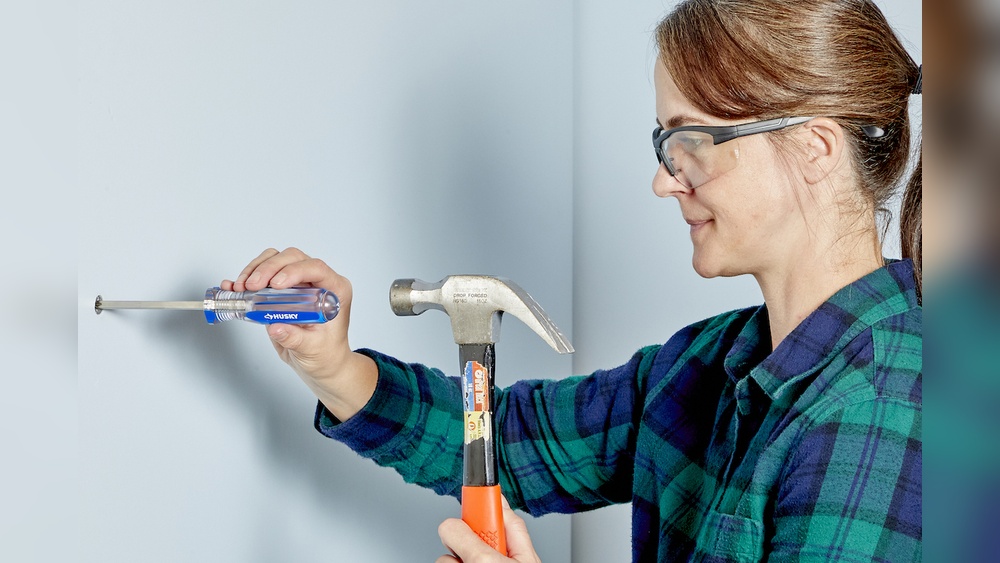
Have you ever tried to remove plastic drywall anchors and ended up with a bigger hole or a stubborn piece stuck inside the wall? You’re not alone.
These little anchors can be tricky to get out, but don’t worry—there are simple, effective ways to handle them without damaging your walls. In this guide, you’ll discover easy steps to remove plastic drywall anchors quickly and cleanly. Keep reading, and you’ll save time, avoid frustration, and get your walls ready for a fresh start.

Credit: www.wikihow.com
Tools You’ll Need
Removing plastic drywall anchors requires the right tools. Using the proper tools makes the job easier and prevents wall damage. Some tools are found in most homes, while others are made specifically for this task.
Common Household Items
Start with basic tools you likely have at home. A flathead screwdriver helps pry the anchor from the wall. Needle-nose pliers grab and pull out stubborn anchors. A utility knife can cut around the anchor to loosen it. These items work well for small or loose anchors.
Specialized Tools
Special tools speed up the process and reduce wall damage. An anchor remover tool fits around the anchor and pulls it out. A power drill with a screwdriver bit can twist the anchor free. Stud finders help locate wall studs to avoid drilling into them. These tools are useful for tough or deeply embedded anchors.
Types Of Plastic Drywall Anchors
Plastic drywall anchors come in different types. Each type works in a special way to hold items on the wall. Knowing the types helps you remove them safely and easily. This section explains the main types of plastic drywall anchors.
Expansion Anchors
Expansion anchors are simple and common. They expand inside the wall when you insert a screw. This expansion holds the anchor tightly. You feel resistance when pulling them out. They work well for light to medium loads.
Threaded Anchors
Threaded anchors look like big plastic screws. You twist them into the drywall by hand. The threads grip the wall firmly. They hold better than expansion anchors. Removing them may need twisting in the opposite direction or pulling gently.
Toggle Anchors
Toggle anchors have plastic wings or toggles that open behind the wall. They spread the load over a larger area. These anchors hold heavy items securely. Removing toggle anchors can be tricky because the wings stay behind the wall. Careful pulling or cutting may be needed.
Preparation Before Removal
Removing plastic drywall anchors needs some careful preparation. This step makes the process easier and protects your wall. Taking time to prepare helps avoid damage and keeps your space clean. Follow simple steps to get ready before starting the removal.
Clearing The Area
Clear the space around the anchor. Remove furniture or objects near the wall. This prevents accidents and gives you room to work. Keep the floor free of clutter to avoid tripping. Good lighting helps you see the anchor clearly. Prepare tools close by for quick access.
Protecting The Wall Surface
Cover the wall with painter’s tape around the anchor. This shields the paint and drywall from scratches. Use a small piece of cardboard or a plastic sheet if needed. Gently press the tape to avoid air bubbles. Protecting the surface reduces repair work later.

Credit: www.reddit.com
Pulling Out Anchors With Pliers
Pulling out plastic drywall anchors with pliers is a common and simple method. It works well for anchors that are not deeply embedded or stuck tight. This technique uses basic tools and a little force to remove the anchor cleanly.
The process is straightforward. You grip the anchor firmly with the pliers and pull it straight out. This avoids damage to the wall and leaves a small hole that is easy to patch later.
When This Method Works Best
This method is best for plastic anchors that stick out slightly from the wall. If the anchor is flush or sunk deeply, pliers might not get a good grip. It also works well when the anchor is not too tight inside the drywall. Anchors that spin or move easily can be pulled out without much effort. Avoid this method if the anchor breaks easily or crumbles.
Step-by-step Process
- Grab a pair of needle-nose or regular pliers.
- Open the pliers and position the jaws around the anchor’s edge.
- Squeeze the pliers gently to get a firm grip on the anchor.
- Pull the anchor straight out, using steady pressure.
- If the anchor resists, try rocking it slightly side to side.
- Once removed, check the hole size for patching.
Using A Screw To Extract Anchors
Using a screw to remove plastic drywall anchors is a simple and effective method. It requires just a few tools you likely have at home. This technique helps pull the anchor out without damaging your wall. Follow the steps carefully for best results.
Choosing The Right Screw
Select a screw slightly smaller than the anchor’s opening. A wood screw works best for plastic anchors. The screw should be long enough to grip inside the anchor. Avoid screws that are too big; they can break the anchor. A Phillips head screw is easier to turn and control.
Removing The Anchor Safely
Insert the screw into the anchor slowly. Turn it gently with a screwdriver until it feels tight. Pull the screw straight out while turning it back slowly. The anchor should come out with the screw attached. Use pliers if the anchor sticks to pull it out carefully. Patch the hole afterward for a smooth wall surface.

Credit: www.youtube.com
Pushing Anchors Through The Wall
Pushing anchors through the wall is a simple way to remove plastic drywall anchors. This method works by gently pushing the anchor into the wall cavity behind the drywall. It avoids pulling or twisting, which can cause damage. It is quick and leaves only a small hole in the wall. This hole can be easily fixed later. This method works best with certain types of anchors and wall conditions.
When To Use This Method
Use this method if the anchor is loose or stuck. It works well with hollow wall anchors. Avoid this if the anchor is metal or very tight. Also, avoid if the wall is fragile or old. Pushing anchors works best when you want to avoid large wall damage. It saves time compared to pulling the anchor out.
How To Minimize Wall Damage
Push the anchor gently to avoid cracking the drywall. Use a blunt tool like a screwdriver or a wooden dowel. Apply steady pressure, not force. If the anchor resists, stop and try a different method. After pushing the anchor in, fill the hole with spackle or putty. Sand and paint the area to make it smooth. This keeps your wall looking clean and neat.
Filling And Repairing The Hole
After removing plastic drywall anchors, you will see a hole left behind. Filling and repairing this hole is important to restore your wall’s smooth look. A well-repaired wall looks clean and ready for painting or decoration. Follow simple steps to fix the damage quickly and easily.
Selecting The Right Filler
Choose a filler that suits the size of the hole. For small holes, spackling paste works well. It dries fast and is easy to apply. Larger holes may need joint compound or patch kits. These provide stronger support and a smooth finish. Read the product label for drying times and instructions. Use a putty knife to apply the filler evenly. Press the filler firmly into the hole to avoid air gaps.
Sanding And Painting Tips
After the filler dries, sand the area gently. Use fine-grit sandpaper for a smooth surface. Sand until the patch blends with the wall. Wipe away dust with a damp cloth. Choose paint that matches your wall color. Use a small brush or roller to cover the patch. Apply thin coats and let each dry fully. Repeat if needed for full coverage. Proper sanding and painting make the repair invisible.
Preventing Damage During Removal
Removing plastic drywall anchors can be tricky. Pulling too hard or using the wrong tools can damage the wall. Preventing damage during removal keeps your wall smooth and ready for new fixtures. Care and patience are key.
Gentle Techniques
Start by softening the anchor with a little twisting. Use pliers to grip the anchor gently. Pull slowly and steadily without sudden force. If the anchor won’t come out, try pushing it inside the wall carefully. This avoids ripping the drywall surface.
Avoiding Common Mistakes
Never yank the anchor quickly. This can tear the drywall paper. Avoid using sharp tools that can gouge the wall. Don’t drill out the anchor unless necessary. Drilling can make the hole larger and harder to fix. Patience helps prevent costly repairs later.
Alternative Solutions For Stubborn Anchors
Stubborn plastic drywall anchors can be tough to remove. Sometimes pulling or twisting does not work. In these cases, alternative methods help get the job done. These techniques focus on reducing damage to the wall and making removal easier.
Cutting The Anchor Flush
Cutting the anchor flush with the wall surface is a simple way to deal with stuck anchors. Use a utility knife or small saw to trim the anchor carefully. This method leaves the anchor inside the wall, but it prevents it from sticking out. After cutting, patch the hole with spackle or wall filler. This approach is quick and avoids extra damage.
Using Heat Or Solvents
Applying gentle heat can soften the plastic anchor, making removal easier. Use a hairdryer on low heat and warm the anchor for a few minutes. This softens the plastic without harming the wall. Another option is using solvents like rubbing alcohol to weaken glue or residue. Soak a cotton swab and apply it around the anchor. These methods help loosen the anchor for easier pulling or twisting.
Frequently Asked Questions
How Do I Remove Plastic Drywall Anchors Easily?
To remove plastic drywall anchors, first try pulling gently with pliers. If that fails, push the anchor into the wall cavity using a screwdriver. This method minimizes wall damage and allows easy patching afterward.
Can I Reuse Plastic Drywall Anchors After Removal?
Plastic drywall anchors are usually damaged during removal. It’s best to use new anchors for a secure hold. Reusing old anchors can reduce their grip and risk wall damage.
What Tools Do I Need To Remove Drywall Anchors?
Common tools include pliers, a flathead screwdriver, and a utility knife. These help loosen, pull, or push anchors out safely without causing excessive wall damage.
Will Removing Drywall Anchors Damage My Wall?
Removing anchors can cause minor wall damage, like small holes or dents. Proper removal techniques and patching materials can restore the wall’s smooth surface quickly and effectively.
Conclusion
Removing plastic drywall anchors takes patience and the right tools. Start by loosening the anchor gently to avoid wall damage. Use simple methods like pulling, twisting, or pushing to remove it. If one way doesn’t work, try another. Clean the hole afterward to prepare for repairs.
With care, you can fix the wall and hang items again. Small steps lead to great results. Keep calm and take your time.