Have you ever tried to remove plastic anchors from a concrete wall and ended up frustrated or unsure where to start? Removing these small but stubborn fixtures can be tricky if you don’t know the right steps.
Whether you’re renovating, redecorating, or fixing a mistake, getting those anchors out cleanly is key to a smooth finish. In this guide, you’ll discover simple, effective methods to remove plastic anchors without damaging your wall. Stick with me, and you’ll learn how to make your concrete wall look as good as new—quickly and easily.

Credit: www.youtube.com
Tools Needed
Removing plastic anchors from a concrete wall needs the right tools. The right tools make the job easier and safer. Some tools are common in most homes. Others are special and designed for this task. Knowing these tools helps you prepare well.
Common Household Tools
You can use simple tools found in most homes. A flathead screwdriver helps to pry out anchors. Pliers provide a good grip for pulling anchors. A hammer can tap the screwdriver or anchor gently. A utility knife helps cut any protruding plastic. These tools make small jobs quick and easy.
Specialized Equipment
Some tasks need special tools to remove anchors cleanly. A power drill with a small bit can drill out the anchor. A rotary tool with a grinding bit smooths the hole after removal. An anchor removal tool fits over the anchor for pulling. These tools work best for tough or deep anchors. They keep the wall safe from damage.
Safety Precautions
Removing plastic anchors from a concrete wall can be tricky. Safety must come first. Taking the right precautions protects your eyes, hands, and lungs from harm. It also keeps the work area clean and safe.
Protective Gear
Wear safety glasses to shield your eyes from dust and debris. Use gloves to protect your hands from sharp edges and rough surfaces. A dust mask helps prevent breathing in small particles. Closed-toe shoes protect your feet from falling tools or debris. Dress in long sleeves and pants to avoid skin irritation.
Work Area Preparation
Clear the area of furniture and objects. This prevents damage and gives you space to work. Use a drop cloth or plastic sheet to catch dust and debris. Make sure the area is well-lit so you can see clearly. Keep children and pets away to avoid accidents. Have a first aid kit nearby just in case.
Identify Anchor Type
Knowing the type of anchor in your concrete wall is key. Each anchor has a different shape and way it holds in the wall. This affects how you remove it. Identifying the anchor type makes removal easier and safer.
Plastic Expansion Anchors
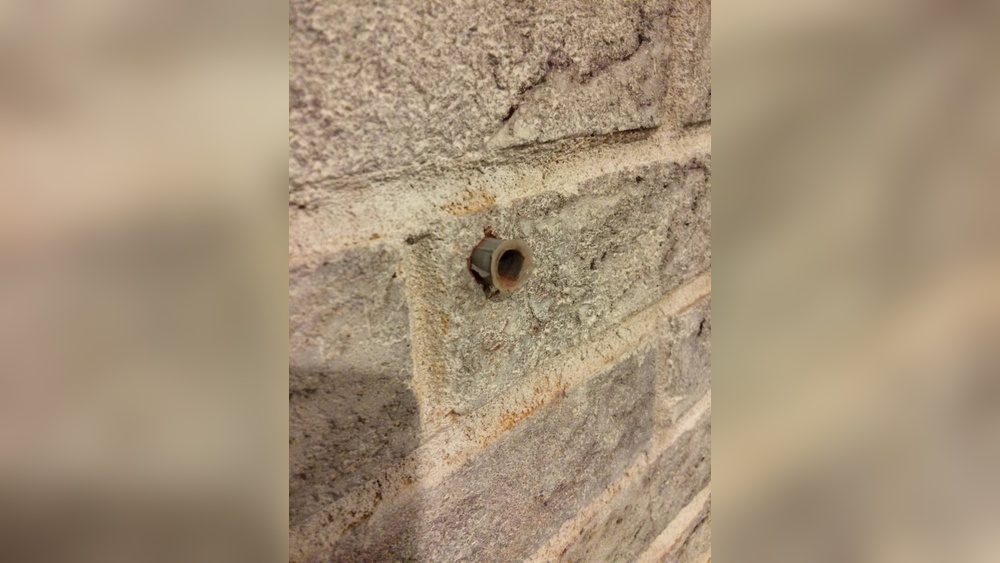
Plastic expansion anchors are common in concrete walls. They are made of plastic and have a tapered shape. When a screw is driven in, the anchor expands inside the hole. This holds the anchor tightly in place. These anchors are usually small and white or beige.
Removing plastic expansion anchors requires pulling or pushing them out gently. If the anchor is stuck, drilling it out carefully can help.
Sleeve Anchors
Sleeve anchors have a metal sleeve around a bolt or screw. The sleeve expands as the bolt tightens. This creates a strong hold in the concrete. Sleeve anchors are larger than plastic expansion anchors. They are often used for heavy items.
Removing sleeve anchors needs loosening the bolt first. Then, the sleeve can be pulled out or tapped out with a hammer. Knowing the sleeve anchor type helps avoid damage to the wall.
Manual Removal Methods
Removing plastic anchors from a concrete wall can be simple with the right tools. Manual methods work well for small anchors and avoid damage to your wall. These methods require only basic tools like pliers or a screwdriver.
Manual removal gives you control. It is quiet and does not need power tools. This section explains two easy ways to pull out plastic anchors by hand.
Prying Out With Pliers
Grip the plastic anchor firmly with pliers. Use needle-nose pliers for better reach and grip. Pull straight out slowly to avoid breaking the anchor inside the hole. Wiggle the anchor gently if it feels stuck.
Apply steady force, not sudden jerks. This prevents damage to the wall around the hole. If the anchor breaks, try another method or use a hook to pull out the pieces.
Using A Screwdriver
Insert a flathead screwdriver between the anchor and the wall. Twist the screwdriver gently to pry the anchor out. Move the screwdriver around the edge to loosen the anchor evenly.
Be careful not to scratch the wall surface. If the anchor is deep, push the screwdriver further inside to get better leverage. This method works well with anchors that are flush with the wall.
Drilling Techniques
Removing plastic anchors from a concrete wall needs careful drilling techniques. Using the right drill and method helps avoid wall damage. Proper drilling makes the job faster and cleaner.
Drill Bit Selection
Choose a masonry drill bit for concrete walls. The bit must be slightly larger than the anchor. This helps loosen the anchor without breaking the wall. Use carbide-tipped bits for better durability. Avoid regular wood or metal bits. They wear out quickly on concrete.
Step-by-step Drilling
Start by marking the center of the anchor. Hold the drill steady and perpendicular to the wall. Drill slowly at first to create a guide hole. Increase speed gradually to avoid cracking the wall. Drill deep enough to reach the full length of the anchor. Stop and pull the drill out often to clear dust. This keeps the hole clean and prevents overheating. After drilling, gently tap or pull out the anchor. If stuck, repeat drilling to loosen it further.

Credit: diy.stackexchange.com
Alternative Removal Tips
Removing plastic anchors from a concrete wall can be tricky. Sometimes, the usual methods do not work well. Alternative removal tips can help make the process easier. These tips use simple tools and ideas to loosen the anchor.
Try gentle methods first. They reduce the risk of damage to the wall. Below are two useful ways to try if the anchor is stuck tight.
Heating The Anchor
Heat can soften plastic anchors. Use a hairdryer to warm the anchor. Hold it close for a few minutes. The heat makes the plastic more flexible.
After heating, try pulling the anchor out again. The softened plastic may come out easier. Avoid using too much heat to prevent wall damage.
Applying Lubricants
Lubricants can help loosen the anchor. Use a small amount of oil or WD-40. Apply it around the anchor’s edges. Let it soak in for 5 to 10 minutes.
The lubricant reduces friction between the anchor and concrete. This makes it easier to pull the anchor free. Wipe away any extra oil afterward to keep the wall clean.
Repairing The Hole
After removing plastic anchors from a concrete wall, a hole remains. Repairing this hole keeps your wall smooth and strong. It also prepares the surface for painting or new fixtures. Fixing the hole properly prevents cracks and damage later. The process involves cleaning the area and filling it with the right material. Follow these steps for a neat, lasting repair.
Cleaning The Area
Start by removing dust and debris from the hole. Use a brush or vacuum to clear out loose bits. This helps the patch stick better to the concrete. Make sure the surface is dry before moving to the next step. A clean hole ensures a smooth, strong repair.
Filling With Concrete Patch
Choose a concrete patch made for small repairs. Mix the patch according to the instructions. Use a putty knife to press the patch into the hole. Smooth the surface so it is even with the wall. Let the patch dry completely before touching or painting. This step seals the hole and restores the wall’s strength.
Preventing Future Damage
Preventing damage to concrete walls is key after removing plastic anchors. Careful steps can keep your walls strong and clean. Avoiding common mistakes helps maintain the surface and prevents cracks or holes. Focus on the right materials and methods for lasting results.
Choosing The Right Anchor
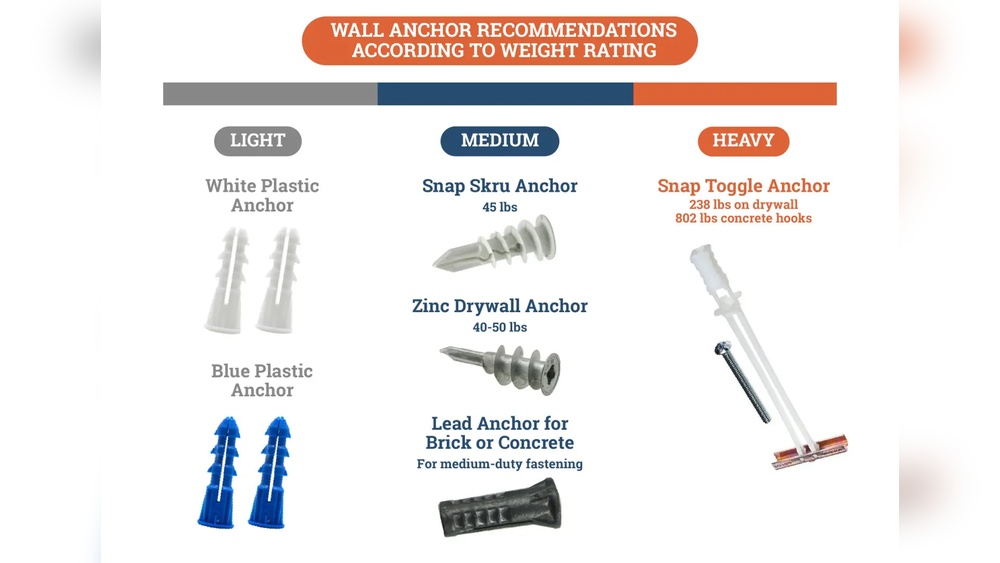
Select anchors made for concrete. Use anchors that fit the weight and type of your object. Avoid plastic anchors that are too small or weak. Metal anchors or heavy-duty plastic ones last longer and hold better. Check the package for wall compatibility and weight limits.
Proper Installation Techniques
Drill holes that match the anchor size exactly. Too big or too small holes cause loose fitting or damage. Clean the hole of dust before inserting the anchor. Tap the anchor gently until it is flush with the wall. Tighten screws slowly to avoid cracking the concrete.

Credit: www.youtube.com
Frequently Asked Questions
How Do I Remove Plastic Anchors From Concrete Walls?
To remove plastic anchors from concrete, use pliers to grip and pull them out carefully. If stuck, gently pry with a flathead screwdriver or drill around the anchor for easier removal. Avoid damaging the wall surface.
Can I Reuse Plastic Anchors After Removal?
Plastic anchors usually deform during removal, making reuse unlikely. It’s best to replace them with new anchors for secure fastening and safety.
What Tools Are Needed To Remove Plastic Anchors?
Common tools include needle-nose pliers, a flathead screwdriver, and a drill with a masonry bit. These help loosen and extract anchors without wall damage.
Will Removing Anchors Damage The Concrete Wall?
If done carefully, anchor removal causes minimal damage. Avoid excessive force to prevent wall cracks or holes. Patch any small holes after removal.
Conclusion
Removing plastic anchors from a concrete wall is simple with the right steps. Start by loosening the anchor carefully to avoid wall damage. Use basic tools like pliers or a screwdriver for best results. Take your time and work gently to keep the wall smooth.
With practice, the process becomes quicker and easier. Now, your wall is ready for new fixtures or a fresh look. Keep these tips handy for any future home projects. Small effort brings neat, clean results every time.