Locked out and don’t have bobby pins to pick your deadbolt? That moment can be frustrating and stressful, especially when you need quick access.
But don’t worry—you’re not stuck. There are simple, effective ways you can unlock a deadbolt without bobby pins. In this guide, you’ll discover easy tricks and tools you can use right now to get back inside. Keep reading, and you’ll learn how to handle this common problem with confidence and calm.

Credit: www.wikihow.com
Tools You Can Use Instead
Finding yourself locked out without bobby pins can be stressful. There are several common household tools that can help open a deadbolt. These tools work well and are easy to find. Understanding their use can save time and frustration.
Paperclip Alternatives
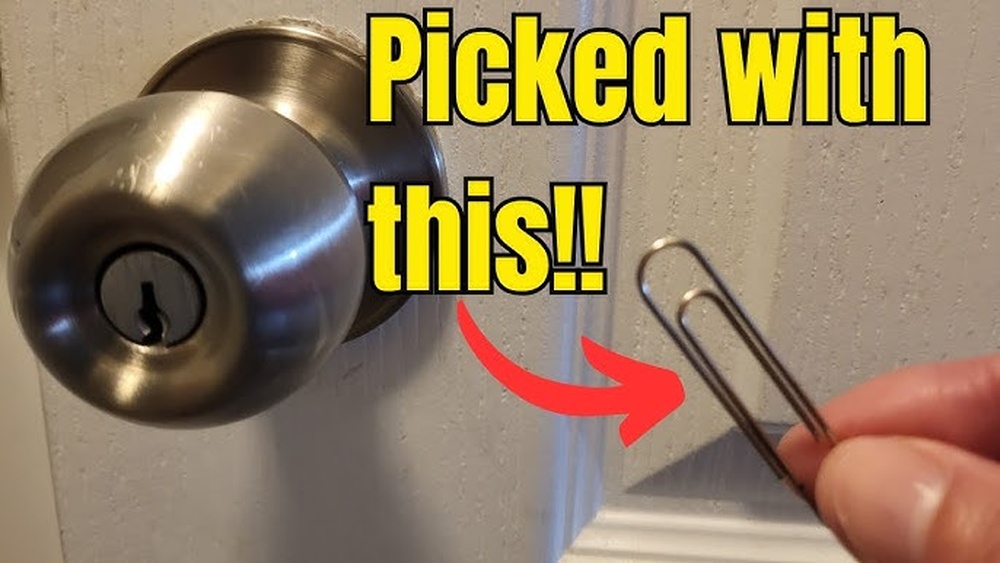
Paperclips are popular for picking locks but not the only option. Small metal items like hairpins or safety pins can work similarly. Straighten them and bend a small tip to manipulate the lock pins. Thin wires from twist ties can also serve as a makeshift tool. These alternatives are often easy to find around the house.
Using A Screwdriver
A flathead screwdriver can help turn a deadbolt in some cases. Insert it gently between the door and the frame near the lock. Apply slow pressure to move the bolt back. Small screwdrivers are better for tight spaces. Use caution to avoid damaging the door or lock.
Credit Card Method
A flexible plastic card can slide between the door and frame. This method works best with spring bolt locks, not deadbolts. Slide the card where the latch meets the frame. Push and wiggle the card to force the latch back. Avoid using old or easily bendable cards to prevent damage.
Step-by-step Unlocking Methods
Learning how to open a deadbolt lock without bobby pins requires patience and the right techniques. This section explains simple steps you can follow. These methods use basic tools and careful movements. Practice each step slowly to improve your skill. Understanding these methods helps in emergencies or when you lose keys.
Raking Technique
The raking technique uses a tool to move pins quickly. Slide a rake pick into the lock. Move it back and forth gently. This motion lifts the pins inside the lock. Listen for small clicks. These clicks mean pins are moving into place. Keep raking until the lock turns open. This method is fast and simple for beginners.
Single Pin Picking
Single pin picking focuses on one pin at a time. Insert a hook pick into the lock. Push each pin up slowly. Feel for pins that stick. When a pin sets, it stays in place. Move to the next pin and repeat. This technique takes time but is very precise. It works well on most deadbolt locks.
Applying Tension
Tension is key to all lock picking methods. Use a tension wrench in the lock’s bottom. Apply light pressure in the direction of turning. Keep steady tension while picking pins. Too much pressure can stop pins from moving. Too little pressure makes the lock loose. Find the right balance for smooth picking. Tension helps pins stay set as you work.
Household Items For Lock Picking
Finding yourself locked out can be stressful. Not everyone has a bobby pin ready. Household items can help pick a deadbolt in such cases. These everyday tools work well with simple lock mechanisms. They are easy to find and use.
Using common objects saves time and effort. No need to buy special tools. A little patience and care make these options effective. Always use them responsibly and only on locks you own.
Hairpins And Bobby Pin Substitutes
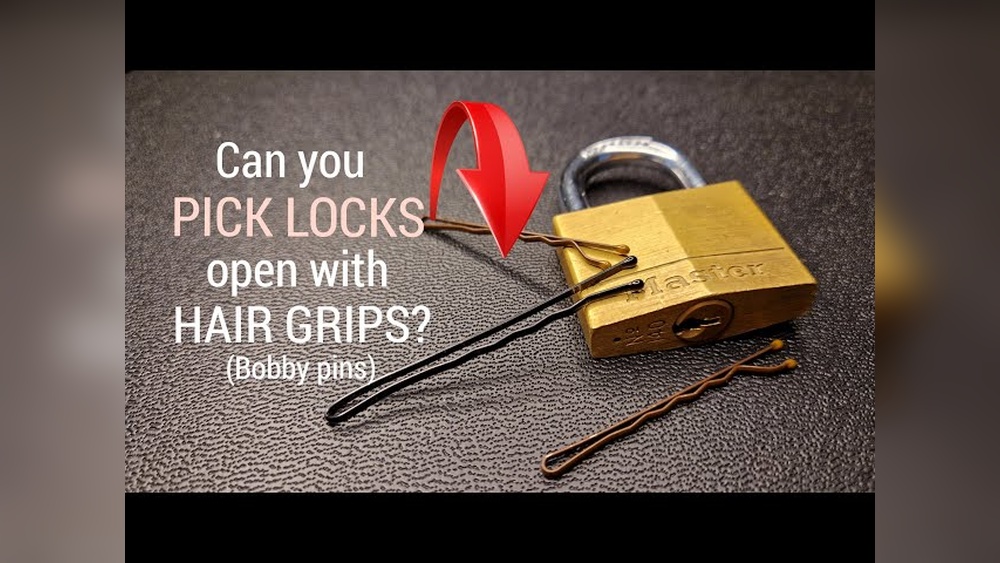
Hairpins are popular for lock picking. If you don’t have bobby pins, try hairpins instead. Straighten one hairpin and bend the other slightly. Use one as a tension wrench and the other to push the pins inside the lock. Hairpins are thin and flexible, perfect for small lock pins.
Wire Hangers
Wire hangers provide a strong and sturdy option. Cut a piece of hanger wire about six inches long. Straighten it and shape one end to fit the lock keyhole. Use the other end to apply tension. Wire hangers are thicker but still flexible enough to manipulate lock pins.
Safety Pins
Safety pins work well as lock picking tools. Open the safety pin and straighten it carefully. One pin acts as the pick, the other as the tension wrench. Safety pins are small and easy to handle. They can reach tight spaces inside the lock.
When To Call A Professional
Knowing when to call a professional locksmith is important. Trying to open a deadbolt without the right tools can cause damage. Some locks are too complex for DIY methods. A trained locksmith has the skills and tools to handle tough locks safely.
Signs Of A Complex Lock
Some deadbolts have extra security features. They may have multiple locking points or reinforced mechanisms. If the lock feels stiff or unusual, it might be complex. Standard methods like bobby pins won’t work here. These locks need expert knowledge to open without damage.
Avoiding Damage
Using the wrong tools can break the lock or door. Damaged locks can cost more to fix or replace. Professionals know how to open locks gently. They avoid scratches, dents, and broken parts. Calling a locksmith saves time and money in the long run.
Emergency Locksmith Services
Locked out at night or in bad weather? Emergency locksmiths are available 24/7. They respond quickly and help you get inside safely. Many offer mobile services and can come to your location fast. This option is best for urgent situations or when you cannot wait.
Preventive Measures For Lockouts
Getting locked out can be frustrating and stressful. Taking simple steps before a lockout happens saves time and worry. These measures help keep you prepared and safe.
Spare Key Solutions
Keep a spare key in a safe place outside your home. Give a trusted friend or family member a copy. Avoid hiding keys in obvious spots. Use a secure lockbox if needed. This ensures easy access without damage or delay.
Smart Lock Options
Smart locks allow keyless entry using codes or apps. Set up temporary access codes for guests or workers. They reduce the risk of losing keys. Many models send alerts if someone tries to enter. Smart locks add convenience and extra safety.
Regular Lock Maintenance
Clean locks often to prevent dirt buildup. Lubricate moving parts with graphite or silicone spray. Check keys for wear and replace if bent. Fix loose screws and tighten lock hardware. Well-maintained locks work smoothly and last longer.

Credit: www.wikihow.com

Credit: www.youtube.com
Frequently Asked Questions
How Can I Unlock A Deadbolt Without Bobby Pins?
You can use household items like paper clips or credit cards to unlock a deadbolt. These tools mimic the shape and function of lockpicking tools. Be cautious and gentle to avoid damaging the lock or door.
What Tools Work Best For Unlocking Deadbolts?
Lockpicks, tension wrenches, and bump keys are effective for unlocking deadbolts. In emergencies, improvised tools like paper clips can help. Using the right tools increases your chances of unlocking the deadbolt without damage.
Is It Legal To Unlock A Deadbolt Without Keys?
Unlocking your own deadbolt is legal, but picking locks without permission is illegal. Always ensure you have the right to access the property. Consult local laws to avoid legal issues.
Can I Unlock A Deadbolt Quickly Without Professional Help?
Yes, with practice, you can unlock a deadbolt quickly using basic lockpicking techniques. Using improvised tools may take longer. Watching tutorials and practicing on spare locks improves your speed and skill.
Conclusion
Knowing how to open a deadbolt without bobby pins can save time. Simple tools around the house often work well. Practice patience and stay calm during the process. Always try legal and safe methods first. Remember, careful handling prevents damage to your lock.
These tips help in emergencies or locked-out moments. Stay prepared and confident with these easy steps.