Are you tired of wall anchors that just don’t hold up? Choosing the right wall anchor size can make all the difference between a secure mount and a falling mess.
But how do you know which size fits your needs perfectly? You’ll discover simple tips to pick the correct wall anchor size, so your shelves, pictures, or hooks stay firmly in place. Keep reading to avoid common mistakes and make your next project a success!
Types Of Wall Anchors
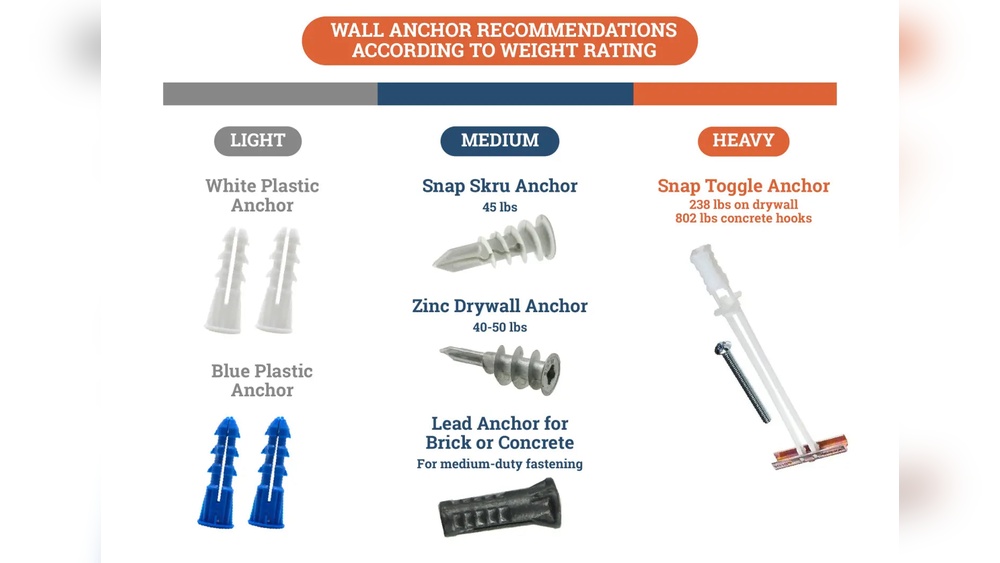
Wall anchors come in different types. Each type suits specific wall materials and weights. Choosing the right anchor helps hold your items securely. Understanding these types makes picking easier. Here are the common wall anchors you should know.
Plastic Expansion Anchors
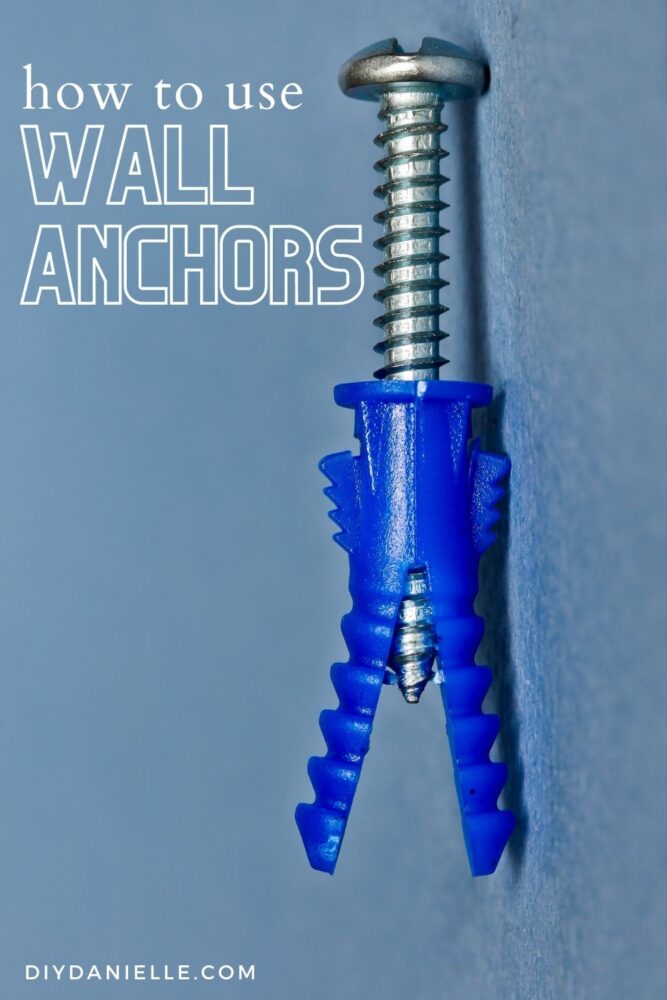
Plastic expansion anchors are simple and widely used. They work best in drywall and plaster walls. Push the anchor into a drilled hole, then insert the screw. The anchor expands, gripping the wall tightly. These anchors hold light to medium loads well.
Toggle Bolts
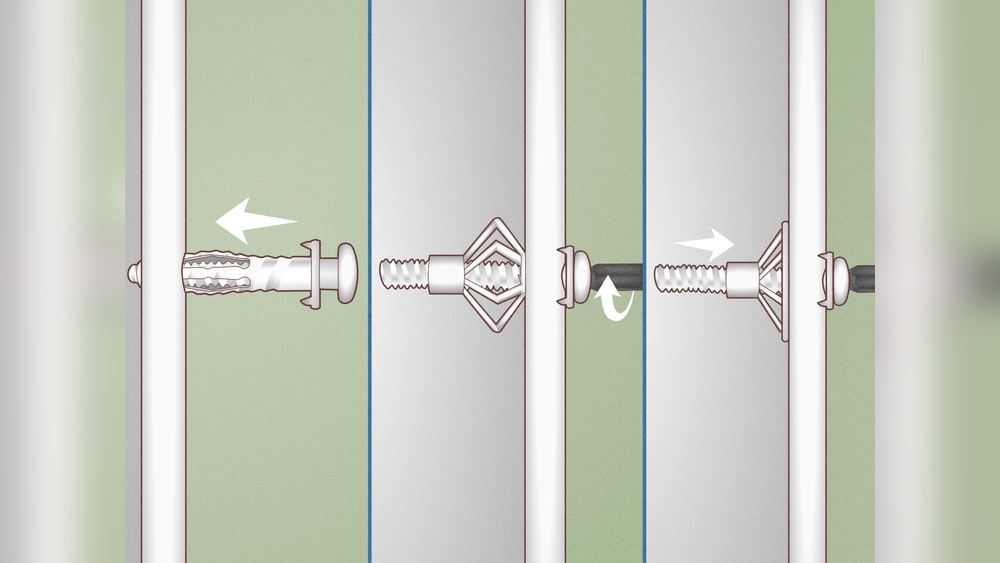
Toggle bolts have metal wings that open behind the wall. They spread the load over a larger area. Suitable for hollow walls, they hold heavy items securely. Drill a hole, insert the folded wings, then tighten the screw. The wings lock in place to support strong weight.
Molly Bolts
Molly bolts expand inside the wall as you tighten the screw. They are good for medium-heavy loads in drywall or plaster. Insert the bolt in a drilled hole, then tighten to expand the sleeve. The expanded sleeve grips the inside wall firmly for stability.
Threaded Drywall Anchors
Threaded drywall anchors screw directly into drywall without pre-drilling. They have wide threads that hold firmly in soft drywall. Insert the anchor by twisting it into the wall, then add the screw. These anchors support light to medium weights and are easy to install.
Credit: www.thehandymansdaughter.com
Factors Influencing Anchor Size
Choosing the right wall anchor size is important for a safe and strong hold. Several factors affect which anchor size you should pick. Knowing these helps you avoid damage and ensures your item stays secure. Let’s explore the main factors that influence anchor size.
Wall Material
Different walls need different anchor sizes. Drywall, concrete, brick, and plaster all have unique textures and strengths. Softer walls like drywall require larger anchors for better grip. Hard walls like concrete allow smaller anchors to hold tightly. Check your wall type first to match the anchor size.
Load Weight
The weight of the item you hang matters a lot. Heavy items need bigger, stronger anchors. Lightweight items can use smaller anchors safely. Always estimate the load weight before picking an anchor. This keeps your wall and item safe from falling.
Screw Size Compatibility
Anchors must fit the screws you plan to use. The anchor’s hole size should match the screw diameter. Using a screw that is too big or too small can weaken the hold. Check the screw size and pick an anchor that fits perfectly for best results.
Anchor Length
Anchor length depends on wall thickness and load. Thicker walls need longer anchors to reach solid material. Heavy loads also require longer anchors for better support. Measure your wall depth and choose an anchor long enough for a firm grip.
Measuring For The Right Anchor
Choosing the right wall anchor size starts with accurate measuring. This step ensures the anchor fits well and holds weight safely. Measuring involves checking the wall thickness, weight needs, and screw size. Each factor helps pick the best anchor for your project.
Determining Wall Thickness
First, measure the wall thickness where you want to install the anchor. Use a tape measure or ruler for this task. Thin walls need smaller anchors, while thick walls require longer ones. Correct length prevents the anchor from slipping or breaking.
Assessing Weight Requirements
Know the weight of the item you will hang. Heavy objects need anchors with higher load capacity. Always choose an anchor rated for more than the item’s weight. This keeps the installation safe and stable.
Matching Screw Diameter
Check the screw diameter that fits your anchor. The screw must slide easily into the anchor without too much force. Too large screws can crack the anchor. Too small screws will not hold properly. Match screw size to anchor size for best results.
Credit: diydanielle.com
Installing Wall Anchors Correctly
Installing wall anchors correctly ensures strong support for your items. It prevents damage to walls and keeps things secure. Proper installation also extends the life of the anchors and screws. Follow simple steps to achieve the best results.
Drilling Proper Hole Size
Use a drill bit that matches the anchor size. The hole should be clean and straight. Avoid making the hole too big or too small. A loose hole won’t hold the anchor well. A tight hole can crack the wall or break the anchor.
Inserting The Anchor
Push the anchor gently into the hole. It should fit snugly without forcing. Tap lightly with a hammer if needed. Make sure the anchor is flush with the wall surface. This helps the screw hold firmly later.
Securing The Screw
Choose a screw that fits the anchor size. Turn the screw slowly into the anchor. Tighten until the screw feels firm but not over-tightened. Over-tightening can damage the anchor or wall. Stop when the item feels secure and stable.
Common Mistakes To Avoid
Choosing the right wall anchor size is important. Many people make common mistakes that weaken the hold and damage the wall. Avoiding these errors helps your anchors work well and keeps your walls safe.
Using Oversized Anchors
Big anchors do not always mean better support. Using anchors too large can crack the wall or create big holes. This makes the wall weaker. Choose an anchor size that fits the screw and the hole properly.
Ignoring Wall Material
Different walls need different anchors. Drywall, brick, and concrete all require special anchors. Using the wrong type or size for the wall material can cause the anchor to fail. Always match the anchor to the wall type.
Overloading Anchors
Anchors have weight limits. Putting too much weight on them causes them to pull out. Overloading can break the wall or damage the item you hang. Check the anchor’s weight rating and stay within its limit.
Tips For Heavy-duty Applications
Heavy-duty wall anchors need more care. They hold heavy items safely. Choosing the right size and type is key. Small mistakes can cause damage or accidents. Follow these tips for strong, secure anchoring.
Choosing Heavy-duty Anchors
Pick anchors made for heavy loads. Metal anchors often hold more weight than plastic. Check the weight rating on the package. Match the anchor size with the wall material. Bigger anchors give better grip in drywall and masonry.
Using Multiple Anchors
Spread the weight across several anchors. Use two or more anchors for very heavy items. Space them evenly to balance the load. Multiple anchors reduce stress on one spot. This helps prevent the wall from cracking or breaking.
Reinforcing Wall Support
Strengthen the wall behind the anchor if needed. Add a wooden board or metal plate for extra support. Attach the anchors through this reinforcement. This method is good for weak drywall or hollow walls. It keeps heavy items stable and safe.

Credit: www.ceres-tools.com
Frequently Asked Questions
What Factors Determine The Right Wall Anchor Size?
The right wall anchor size depends on the wall type, weight load, and screw size. Choose anchors that match your screw diameter and support the intended load safely.
How To Measure Wall Anchor Size Correctly?
Measure the screw diameter and length needed for your project. Select an anchor slightly larger than the screw to ensure a tight fit and strong hold.
Can Wrong Wall Anchor Size Cause Damage?
Yes, using incorrect anchor size can damage walls or cause fixtures to fall. Too small anchors won’t hold weight; too large ones may crack the wall.
Which Wall Anchor Size Suits Drywall Best?
For drywall, medium-sized anchors (around 1/4 inch) work well for light to medium loads. Use larger anchors for heavier items to ensure firm support.
Conclusion
Choosing the right wall anchor size makes your project strong and safe. Check the weight of what you hang. Match the anchor size with the wall type and load. Use the right tools to install anchors properly. Small mistakes can cause damage or accidents.
Take your time and measure twice. This simple step helps avoid problems later. Good preparation leads to better results every time. Keep these tips in mind for your next project.