Are you worried about cracks or bowing walls in your basement? You’re not alone.
Basement walls can shift or lean over time, causing serious damage to your home. But here’s the good news: you can stop this problem before it gets worse by learning how to anchor your basement walls properly. You’ll discover simple, effective methods to secure your walls and protect your home’s foundation.
Keep reading to find out exactly what you need to do to keep your basement strong and safe.
Credit: www.youtube.com
Causes Of Basement Wall Movement
Basement walls move for several reasons. Knowing these causes helps you protect your home. Walls may crack, bow, or shift over time. This can lead to costly repairs if ignored. Understanding the main causes of movement is the first step in fixing the problem.
Soil Pressure Effects
Soil around your basement pushes against the walls. This pressure increases after rain or snow melts. Heavy soil weight can cause walls to bend inward. Expanding clay soil is especially strong against walls. Over time, this pressure weakens the wall structure.
Water Damage Impact
Water leaks cause soil to become soft and unstable. Wet soil loses its strength to hold walls in place. Water can seep through cracks and worsen the damage. Moisture also causes mold and wood rot in basements. Proper drainage is essential to prevent water damage.
Foundation Settlement
Foundations can sink or settle unevenly over time. This movement causes cracks and shifts in basement walls. Poor soil compaction during construction is a common cause. Heavy loads from the house or nearby structures add pressure. Settling weakens the wall’s support and stability.

Credit: www.gothrasher.com
Signs Of Wall Instability
Basement walls show signs when they become unstable. These signs warn of possible damage or collapse. Early detection helps protect your home and avoid costly repairs. Watch carefully for changes in the wall’s shape or surface. Recognizing these clues is the first step in fixing the problem.
Visible Cracks
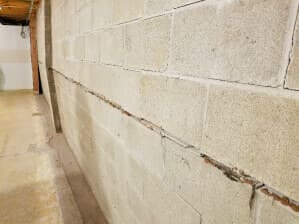
Cracks on basement walls are clear signs of trouble. They can be thin or wide and may run vertically or horizontally. Small cracks might seem harmless but can grow over time. Large cracks often indicate serious pressure from outside soil. Check for cracks near windows, doors, or corners. Mark their length and width to track changes.
Bulging Walls
Bulges appear when soil pushes hard against the wall. The wall bends outward, creating a curved surface. Bulging weakens the wall’s structure and can lead to collapse. It usually happens where water collects in the soil. Notice any areas that look swollen or rounded. Bulges need quick attention to avoid damage.
Leaning Or Bowing
Leaning or bowing walls tilt inward or outward. This movement shows the wall is losing support. Soil pressure or water buildup often causes this problem. Leaning walls may feel unstable to touch. Bowing creates a noticeable curve along the wall’s length. These signs mean immediate action is necessary to secure the wall.
Types Of Wall Anchors
Anchoring basement walls is crucial to prevent cracks and bowing. Different types of wall anchors offer specific benefits. Choosing the right one depends on your wall condition and soil type. Understanding these anchors helps you protect your basement effectively.
Exterior Anchors
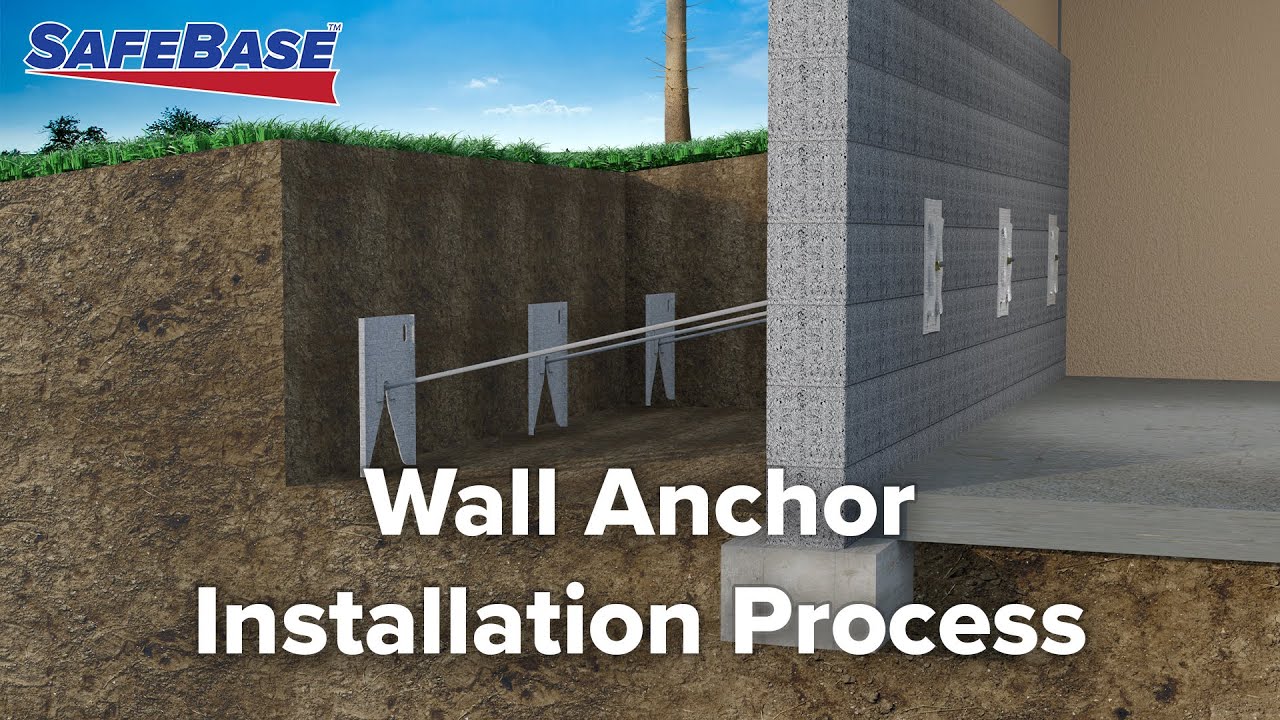
Exterior anchors work outside the basement wall. They connect the wall to a stable spot in the soil. This method pulls the wall back to its original position. Exterior anchors often use steel rods and plates. They are strong and reliable for heavy wall movement.
Interior Anchors
Interior anchors install inside the basement. They attach to the wall and reach deep into the soil. These anchors push the wall back from the inside. They need less digging outside, making them less disruptive. Interior anchors are a good option for limited outdoor space.
Helical Anchors
Helical anchors screw into the soil like a giant screw. They provide strong support by gripping the earth tightly. These anchors work well in soft or loose soil. Installation is fast and requires less heavy equipment. Helical anchors can be used inside or outside the basement.
Tools And Materials Needed
Anchoring basement walls requires specific tools and materials. Choosing the right items makes the job safer and easier. This section covers the essentials you need for this task.
Anchor Plates And Rods
Anchor plates are flat metal pieces that hold the wall in place. Rods connect these plates to the wall and floor. Together, they stop walls from bowing or moving.
Drilling Equipment
Drilling equipment includes a power drill and masonry bits. These tools create holes in concrete or brick walls. Proper drilling makes sure anchors fit tightly and securely.
Fastening Hardware
Fastening hardware includes bolts, nuts, and washers. These secure the rods and plates to the wall and floor. Using strong hardware prevents loosening over time.
Step-by-step Anchoring Process
Anchoring basement walls is a vital step to prevent cracks and structural damage. The process involves fixing the walls firmly to the ground. This guide explains each step clearly and simply. Follow along to secure your basement walls properly.
Preparing The Wall Surface
Start by cleaning the wall surface. Remove dirt, dust, and loose materials. Use a wire brush for better cleaning. Check the wall for cracks or weak spots. Mark areas where anchors will go. This step ensures strong attachment points.
Installing Anchor Plates
Place the anchor plates on the marked spots. These plates spread the load evenly. Use a drill to make holes in the wall. Secure the plates with heavy-duty bolts. Make sure plates sit flush against the wall.
Securing Anchor Rods
Insert anchor rods through the plates into the wall. These rods connect the plates to the foundation. Use a wrench to tighten the rods. Check that rods are straight and firmly fixed. This step holds the wall firmly in place.
Tightening And Adjusting
After securing rods, tighten all bolts slowly. Tighten evenly to avoid wall damage. Check the wall for any movement. Adjust the rods if the wall shifts. Proper tightening keeps the wall stable and safe.
Safety Precautions
Safety is the top priority when anchoring basement walls. Taking the right precautions prevents accidents and damage. Follow these simple safety steps to protect yourself and your home.
Protective Gear
Wear gloves to protect your hands from sharp edges. Use safety goggles to guard your eyes against dust and debris. A dust mask helps keep harmful particles out of your lungs. Sturdy boots protect your feet from heavy tools and falling objects.
Structural Assessment
Check the wall and foundation for cracks or weakness. Identify any signs of water damage or mold. Assess if the wall needs extra support before starting. Consult a professional if you are unsure about the structure’s safety.
Proper Handling Of Tools
Read instructions for all tools before use. Use tools only for their intended purpose. Keep your work area clean and organized. Store tools safely when not in use to prevent accidents. Replace damaged tools immediately to avoid injury.
Maintenance Tips For Anchored Walls
Anchored walls in basements need care to stay strong and safe. Proper maintenance helps avoid big problems later. Small checks and fixes keep walls steady and dry. Follow these simple tips to maintain your anchored basement walls effectively.
Regular Inspections
Check your anchored walls often. Look for cracks, rust, or loose anchors. Early signs of damage need quick attention. Use a flashlight to see hard spots. Note any changes and track them over time. Regular inspections prevent small issues from growing.
Moisture Control
Keep your basement dry to protect anchored walls. Use a dehumidifier or fans to reduce moisture. Fix leaks in pipes or walls fast. Clear gutters and downspouts to direct water away. Dry walls avoid mold and rust, which weaken anchors.
Timely Repairs
Fix problems as soon as you find them. Replace damaged anchors or bolts immediately. Seal cracks with waterproof materials to stop water entry. Repairing early saves money and keeps walls strong. Delaying repairs can cause bigger damage and higher costs.
Credit: acculevel.com
When To Call A Professional
Knowing when to call a professional for anchoring basement walls is very important. Some situations need expert help to keep your home safe. A professional can assess the problem and suggest the best solution. Here are clear signs that show it’s time to get a pro involved.
Severe Structural Damage
Large cracks or deep wall bowing need urgent attention. These issues can weaken your home’s foundation. A professional will check how serious the damage is. They know how to fix it safely and correctly. Trying to fix severe damage alone can make things worse.
Complex Foundation Issues
Problems like uneven settling or water damage require expert care. These issues often need special tools and skills. Professionals understand different foundation types and their problems. They can recommend the right anchoring method for your basement. Complex issues are best handled by trained specialists.
Permitting And Codes
Many areas require permits for foundation work. Professionals know local building codes and rules. They help get the right permits before starting work. Following codes keeps your home safe and legal. Doing work without permits can cause fines or problems when selling your house.
Frequently Asked Questions
What Is The Best Method To Anchor Basement Walls?
The best method involves using steel wall anchors or carbon fiber straps. These provide strong lateral support and prevent wall bowing effectively.
How Do Basement Wall Anchors Prevent Wall Movement?
Anchors stabilize walls by transferring pressure from inside to outside. This reduces stress and stops further wall bowing or cracking.
When Should You Consider Anchoring Basement Walls?
Anchoring is necessary when walls show bowing, cracking, or water damage. Early intervention prevents costly structural repairs later.
Can I Anchor Basement Walls Myself?
Yes, with proper tools and instructions, DIY anchoring is possible. However, consulting a professional ensures safety and long-term success.
Conclusion
Anchoring basement walls helps keep your home safe and strong. It stops walls from leaning or cracking over time. Using the right tools and methods is very important. Small repairs now prevent big problems later. Take action early to protect your basement’s structure.
A solid foundation means peace of mind for years. Remember, steady walls support a healthy home environment. Simple steps make a big difference in wall stability. Stay careful, and your basement will stay secure and dry.