Are you tired of struggling with loose screws that just won’t hold your shelves, mirrors, or decorations securely? Installing wall anchor screws the right way can make all the difference.
In this guide, you’ll learn simple, step-by-step instructions to ensure your anchors stay strong and your walls stay intact. Whether you’re a beginner or just want to avoid common mistakes, this article will give you the confidence to get the job done right.
Keep reading, and say goodbye to wobbly fixtures for good!
Credit: www.youtube.com
Types Of Wall Anchor Screws
Wall anchor screws come in various types. Each type suits different wall materials and weight loads. Choosing the right anchor ensures a strong and secure hold. Understanding these types helps you pick the best option for your project.
Plastic Expansion Anchors
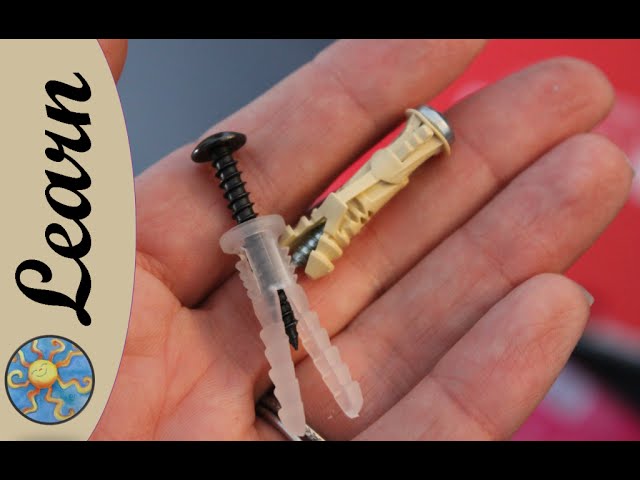
Plastic expansion anchors are common and easy to use. They work well in drywall and light materials. Insert the anchor into a drilled hole, then screw in. The plastic expands, gripping the wall tightly. Ideal for hanging pictures and light shelves.
Toggle Bolts
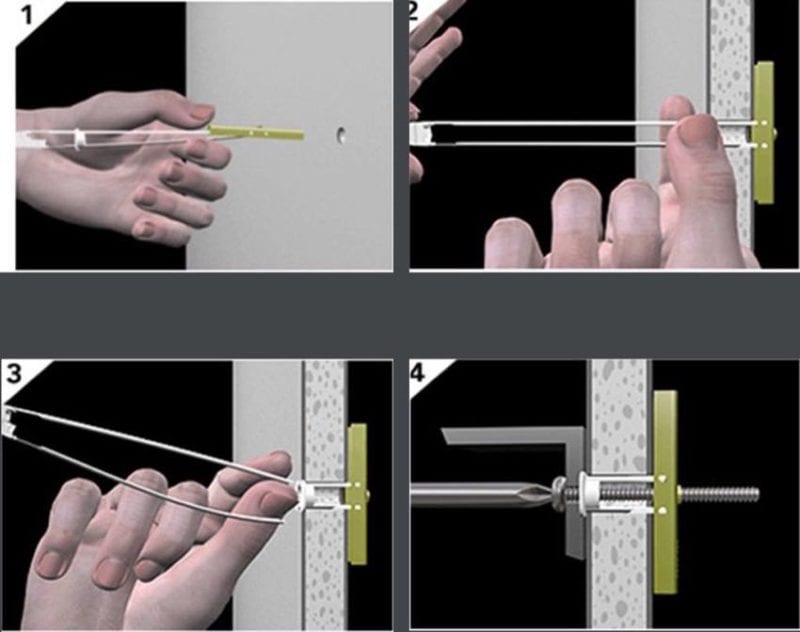
Toggle bolts are strong anchors for heavy loads. They have wings that open inside the wall cavity. Insert folded wings through a drilled hole. Once inside, the wings open to spread the load. Perfect for mounting heavy items on hollow walls.
Molly Bolts
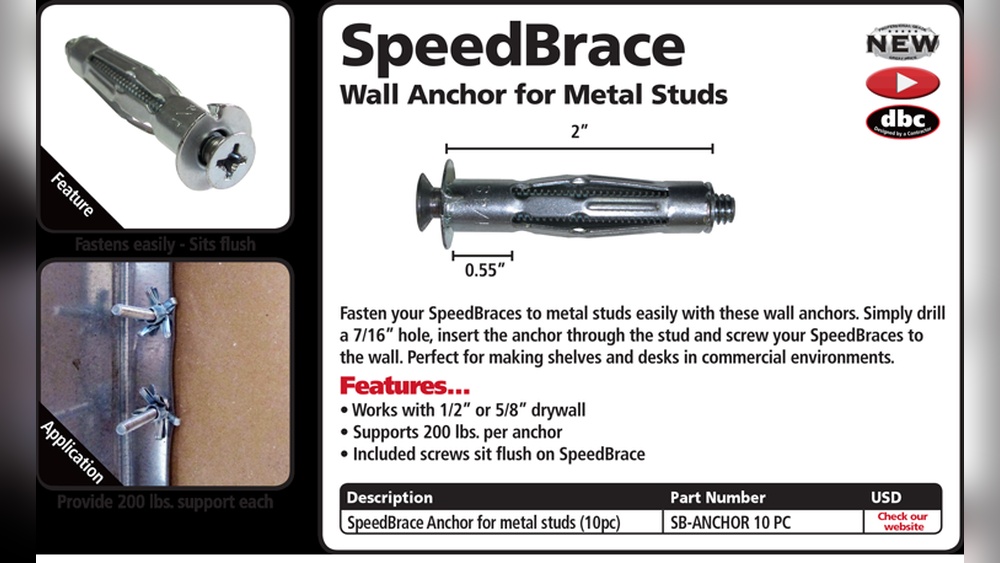
Molly bolts are metal anchors that expand behind the wall. Drill a hole and insert the molly bolt. Tighten the screw to expand the anchor’s legs. This creates a secure hold in drywall and plaster. Great for medium-weight fixtures like curtain rods.
Self-drilling Anchors
Self-drilling anchors do not require pre-drilling. They have sharp tips that cut into drywall. Screw them directly into the wall with a screwdriver. These anchors expand as the screw goes in. Suitable for quick installs and light to medium loads.
Tools Needed For Installation
Installing wall anchor screws is simple with the right tools. These tools help you work quickly and safely. Prepare all tools before starting. This saves time and avoids mistakes.
Drill And Drill Bits
A drill makes holes for the anchors. Choose the right drill bit size. It should match the anchor’s diameter. Use a drill with good power for tough walls.
Screwdriver
A screwdriver tightens screws into the anchors. Use a screwdriver that fits the screw head well. This prevents stripping the screw or slipping.
Hammer
A hammer helps tap anchors into the holes. Use gentle taps to avoid damage. A hammer is useful for plastic or metal anchors.
Measuring Tape And Pencil
Measure the spot where you want the anchor. Mark the point with a pencil for accuracy. This keeps your installation neat and even.
Choosing The Right Anchor
Choosing the right wall anchor screw is key to a strong hold. It depends on several factors like the wall type, weight of the item, and anchor size. Picking the wrong anchor can cause damage or make the item fall. Understanding these points helps you select the best anchor for your project.
Assessing Wall Material
Check the wall material before choosing an anchor. Drywall, concrete, brick, and plaster need different anchors. Drywall anchors work well for hollow walls. Concrete or brick require heavy-duty anchors like sleeve or expansion anchors. Knowing the wall type ensures the anchor grips firmly.
Weight Capacity Considerations
Think about the weight of the object you want to hang. Light items need small anchors. Heavy objects require strong anchors with higher weight capacity. Always choose anchors that support more than your item’s weight. This adds safety and prevents accidents.
Anchor Size Selection
Anchor size matters for stability. Use anchors that fit the screw size. Bigger screws need larger anchors. Too small anchors can loosen or break. Use the packaging guide or instructions to match screw and anchor sizes correctly. Proper sizing improves hold and durability.
Credit: www.protoolreviews.com
Step-by-step Installation
Installing wall anchor screws is simple with clear steps. Follow each part carefully for a strong hold. This guide breaks down the process into easy actions. You need just a few tools and a bit of patience. Let’s start.
Marking The Drill Spot
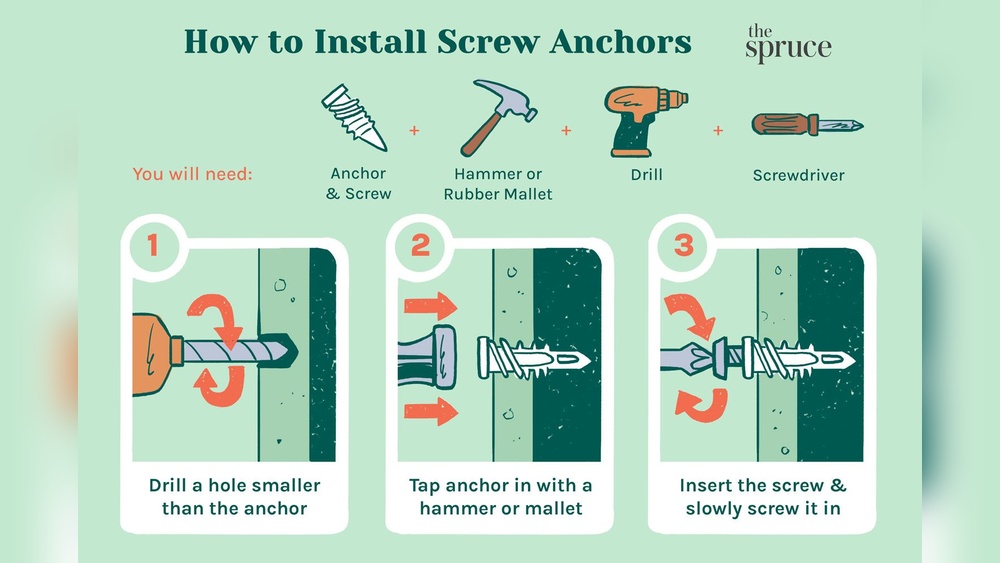
Choose the exact spot on the wall for the anchor. Use a pencil to mark the point clearly. Check the height and alignment before marking. A small, precise mark helps drill in the right place.
Drilling The Hole
Select a drill bit matching the anchor size. Hold the drill steady and drill straight into the wall. Drill slowly to avoid cracking or damaging the surface. Stop when the hole reaches the correct depth.
Inserting The Anchor
Push the anchor into the hole gently. Tap lightly with a hammer if it feels tight. The anchor should fit flush with the wall surface. Avoid forcing it too hard to prevent damage.
Securing The Screw
Place the screw into the anchor’s opening. Use a screwdriver to turn the screw clockwise. Tighten until the screw feels secure but not too tight. The anchor will expand inside the wall, holding firmly.
Tips For Strong Support
Strong support is key when installing wall anchor screws. Proper steps help anchors hold weight safely. Follow these tips for a secure and lasting fix.
Avoiding Over-tightening
Turn screws gently. Stop when you feel resistance. Over-tightening can crack walls or damage anchors. This weakens the hold and causes problems later.
Using The Correct Screw Length
Pick screws that match the anchor size. Too short screws won’t grip well. Too long screws may go too deep and break the anchor. Measure carefully before installation.
Checking Anchor Stability
After inserting the anchor, test its firmness. Gently wiggle the anchor with your hand. It should not move inside the wall. A loose anchor needs to be replaced or repositioned.
Common Mistakes To Avoid
Installing wall anchor screws can be tricky. Many people make common mistakes that cause weak holds or damage. Avoiding these errors helps keep your items safe and secure on the wall. Pay attention to the details for a strong installation.
Wrong Anchor For Wall Type
Different walls need different anchors. Drywall, concrete, and brick each require specific types. Using the wrong anchor can cause it to fail or damage the wall. Check your wall material before picking an anchor. This step saves time and effort later.
Ignoring Weight Limits
Every anchor has a weight limit. Overloading it can make the anchor pull out or break. Always check the weight rating on the package. Choose an anchor that can hold more than your item’s weight. This prevents accidents and damage to your wall.
Improper Hole Size
The hole must match the anchor size exactly. A hole too big lets the anchor slip and fail. A hole too small can crack the wall or make insertion hard. Use the right drill bit size for the anchor. This ensures a tight fit and strong hold.
Maintaining Wall Anchors
Maintaining wall anchors is important for safety and durability. Over time, anchors can weaken or loosen. Regular care helps keep your walls strong and secure. This section explains how to check and fix wall anchors easily.
Regular Inspections
Check wall anchors every few months. Look for cracks or movement around the anchor area. Use a flashlight to see small gaps. Tighten any loose screws gently to avoid damage. Early checks prevent bigger problems later.
Replacing Damaged Anchors
Remove anchors that show cracks or wear. Use the right tool to pull them out carefully. Choose a new anchor that fits your wall type. Insert it firmly and test the hold before hanging anything. Fresh anchors keep the wall safe.
Handling Loose Screws
Loose screws reduce the anchor’s strength. Turn the screw clockwise to tighten it. Avoid over-tightening to stop stripping the hole. If the screw won’t stay tight, replace it with a longer one. Secure screws protect your items on the wall.

Credit: www.youtube.com
Frequently Asked Questions
What Tools Are Needed To Install Wall Anchor Screws?
You need a drill, drill bit, screwdriver, and wall anchors. Choose a drill bit matching the anchor size. A screwdriver helps secure the screw after inserting the anchor. These basic tools ensure a proper and secure installation.
How Do I Choose The Right Wall Anchor Screw?
Select anchors based on wall type and weight load. Drywall anchors are for light loads; toggle bolts suit heavier items. Match the anchor size to the screw and drill bit. Proper selection prevents damage and ensures stability.
Can I Install Wall Anchors Without A Drill?
Yes, for small anchors, you can use a screwdriver. But drilling a pilot hole is recommended for accuracy and ease. Using a drill ensures the hole fits the anchor snugly, improving holding strength and preventing wall damage.
How Deep Should I Drill For Wall Anchor Screws?
Drill a hole slightly longer than the anchor length. This allows the anchor to fit fully without resistance. Too shallow holes prevent proper anchor expansion, reducing holding power. Correct depth ensures a secure and lasting installation.
Conclusion
Wall anchor screws hold items firmly on walls. Choosing the right type matters a lot. Drill a hole carefully, then insert the anchor. Tighten the screw without forcing it too much. These simple steps keep your items safe and secure.
Practice makes the process easier each time. Use wall anchors to hang shelves, pictures, or mirrors. A strong hold means less worry about falling things. Follow these tips for a steady and lasting fix.