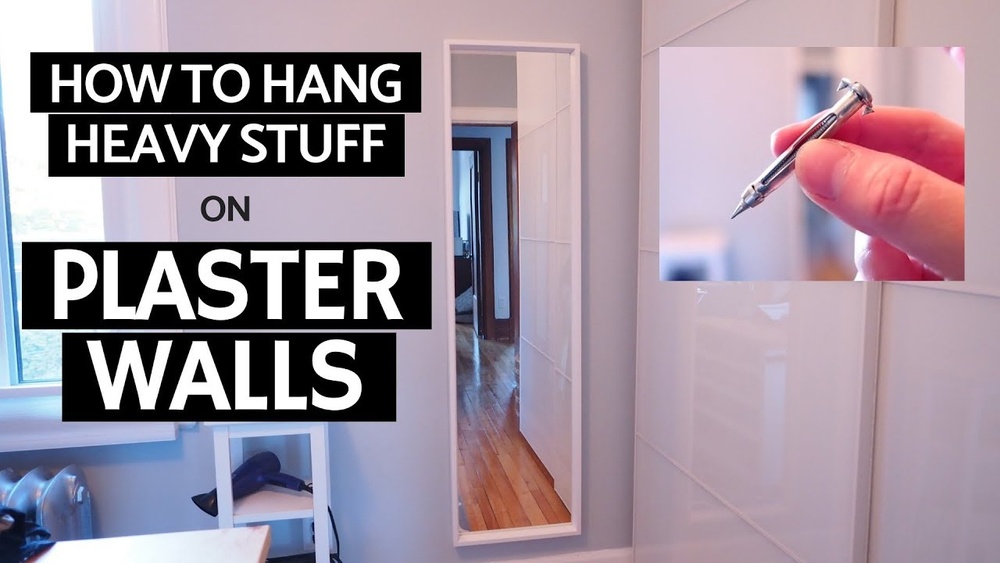
Have you ever tried hanging something heavy on your wall, only to find the screws slipping out or the anchors failing? If so, you know how frustrating it can be to find the right support.
Expanding wall anchors might be the simple solution you’re missing. But how exactly do they work to hold your shelves, pictures, or mirrors securely in place? Understanding this can save you time, money, and the hassle of fixing fallen items.
Keep reading, and you’ll discover the smart science behind these small but powerful tools—and how you can use them to make your walls hold strong every time.

Credit: www.youtube.com
Types Of Expanding Wall Anchors
Expanding wall anchors come in several types. Each type fits different wall materials and holds various weights. Knowing these types helps choose the right anchor for your project.
Different anchors expand in unique ways to secure items firmly. Understanding their design can make your installation stronger and safer.
Plastic Expansion Anchors
Plastic expansion anchors are common and easy to use. They work well in drywall and light materials. When you insert a screw, the anchor expands inside the wall. This creates a tight grip to hold light to medium loads.
Metal Sleeve Anchors
Metal sleeve anchors offer stronger support. They fit well in brick, concrete, and block walls. As the screw tightens, the metal sleeve expands against the wall’s inside surface. This ensures a firm hold for heavier objects.
Toggle Bolts
Toggle bolts use spring-loaded wings that open inside hollow walls. Once inside, the wings spread and press against the wall. This spreads the load over a larger area. They are great for hanging heavy items on drywall.
Molly Bolts
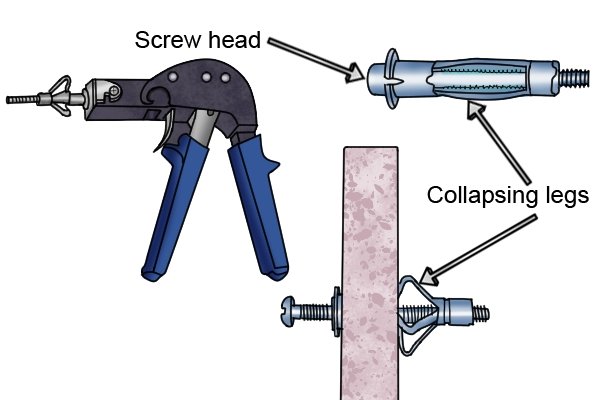
Molly bolts have a metal sleeve that expands behind the wall. When you tighten the screw, the sleeve spreads and locks in place. This provides strong support in hollow walls and drywall. Molly bolts hold medium to heavy loads securely.

Credit: www.youtube.com
Materials And Construction
Expanding wall anchors rely on strong materials and smart construction to hold items securely. Their effectiveness depends on the parts used and how they are built. Understanding these aspects helps in choosing the right anchor for any project.
Anchor Materials
Most expanding wall anchors are made from plastic, metal, or a mix of both. Plastic anchors resist rust and are light. Metal anchors, often steel or zinc, offer higher strength. Some anchors combine plastic sleeves with metal screws for better grip.
The choice of material affects durability and grip inside the wall. Plastic works well for light loads and drywall. Metal is best for heavy objects or masonry walls. Each material suits different wall types and weight needs.
Design Features
Expanding anchors have unique designs that help them hold tightly. Many have slits or wings that open wide when the screw goes in. This expansion spreads pressure evenly inside the wall.
The length and shape of the anchor also matter. Longer anchors reach deeper and hold better. Some designs include ribs or barbs to stop slipping out. These small details improve stability and safety.
Load Capacity Factors
Load capacity depends on material strength and anchor size. Bigger anchors hold more weight. Metal anchors generally support heavier loads than plastic ones.
The type of wall also affects load capacity. Solid walls like brick or concrete can bear more weight than drywall. Proper anchor choice prevents damage and ensures safety.
Installation Process
The installation process of expanding wall anchors is simple and effective. These anchors help hold heavy items on walls securely. Each step ensures the anchor stays firm and supports the load well. Follow these steps carefully for the best results.
Preparing The Wall
Start by choosing the right spot on the wall. Clean the area to remove dust and dirt. Check for wires or pipes behind the wall to avoid damage. Use a pencil to mark the exact point for the hole.
Drilling The Hole
Select a drill bit that matches the anchor size. Drill a hole straight into the wall at the marked point. Keep the hole depth equal to the anchor length. Clear out dust from the hole using a brush or air blower.
Inserting The Anchor
Push the expanding anchor into the hole gently. Tap it lightly with a hammer if needed. Make sure the anchor sits flush with the wall surface. Avoid forcing it in to prevent wall damage.
Securing The Fixture
Place the fixture or bracket over the anchor. Insert the screw through the fixture into the anchor. Tighten the screw slowly to expand the anchor inside the wall. Stop tightening once the fixture feels secure and stable.
How Expansion Mechanism Works
Expanding wall anchors hold objects firmly to walls. Their strength comes from a clever expansion mechanism. This mechanism activates after the anchor is pushed or screwed into a hole. It makes the anchor widen inside the wall, creating a secure hold. Understanding this process helps explain why these anchors are so effective.
Anchor Expansion Inside The Wall
The anchor starts as a slim piece, easy to insert. Once inside, the anchor expands. This happens as a screw or bolt pushes into it. The anchor’s sides spread out against the wall’s inner surface. This widening fills the hole tightly.
Friction And Grip
Expansion causes the anchor to press firmly on the wall. This pressure creates friction. Friction keeps the anchor from moving or slipping. The more the anchor expands, the stronger the grip. This grip holds the attached object steady and safe.
Load Distribution
Expanding anchors spread the load over a larger area. This means less stress on one spot. The load moves through the expanded sides of the anchor. This helps prevent damage to the wall. It also keeps the anchor and object stable for a long time.
Choosing The Right Anchor
Choosing the right expanding wall anchor is key for a strong hold. The anchor must fit the wall type and the load it will carry. Picking the wrong anchor can cause damage or failure. Below are important factors to consider for the best choice.
Wall Material Considerations
Different walls need different anchors. Drywall, concrete, brick, and plaster all have unique properties. Expanding anchors work by pressing against the wall inside. Softer walls like drywall need anchors that spread wide to hold well. Harder walls require anchors that expand tightly inside holes. Always check the wall material before selecting the anchor type.
Weight And Load Requirements
Know the weight of the item you want to hang. Light objects need small anchors. Heavy items need larger, stronger anchors that expand more. Check the anchor’s weight rating on the package. Use anchors rated higher than the item’s weight for safety. Overloading anchors can cause them to pull out or break.
Environmental Factors
Consider the environment around the anchor. Moisture or outdoor use can cause rust or corrosion. Use anchors made of stainless steel or plastic in damp places. Temperature changes can affect the anchor’s grip too. Choose anchors designed for your environment to keep the hold strong over time.
Credit: www.wonkeedonkeetools.co.uk
Common Mistakes To Avoid
Expanding wall anchors are helpful for securing items to walls. Mistakes during installation can reduce their strength and cause damage. Avoiding common errors helps make the anchors work properly and last longer.
Incorrect Hole Size
Drilling the wrong hole size is a frequent mistake. A hole too big makes the anchor loose and weak. A hole too small makes it hard to insert the anchor. Use the drill bit size recommended on the package. Measure carefully before drilling.
Overtightening
Overtightening screws in anchors can cause cracks or break the anchor. Tighten screws slowly and stop as soon as the anchor feels secure. Too much force pushes the anchor out or damages the wall. Be gentle and patient for a strong hold.
Using The Wrong Anchor Type
Different walls need different anchors. Using the wrong type can cause failure. Drywall, concrete, and brick all require specific anchors. Check the wall material before buying anchors. Match the anchor to the wall for the best fit and strength.
Applications And Use Cases
Expanding wall anchors have many practical uses. They provide strong support in various materials. These anchors are essential for secure attachments. Their design allows them to hold heavy loads safely. Different settings need different types of fixings. Here are some common applications and use cases of expanding wall anchors.
Home Improvement Projects
Expanding wall anchors are perfect for home repairs. They help hang shelves, mirrors, and cabinets securely. These anchors work well on drywall and plaster walls. They prevent damage by spreading the load evenly. Homeowners trust them for easy and safe installations.
Commercial Installations
Businesses use expanding wall anchors for strong fixtures. They support signage, lighting, and equipment mounts. Anchors keep installations stable in busy environments. They handle vibrations and frequent use without loosening. This reliability makes them common in offices and stores.
Heavy-duty Fixings
Heavy items need strong, reliable anchors. Expanding anchors grip firmly inside concrete or brick. They hold machinery, railings, and large frames safely. These anchors resist pulling forces and heavy weight. They provide peace of mind for tough jobs.
Maintenance And Removal Tips
Expanding wall anchors need care to work well over time. Checking their condition and knowing how to remove them safely keeps your walls damage-free. Proper maintenance also helps you avoid redoing the same work. Here are some simple tips to keep your anchors secure and remove them without problems.
Checking Anchor Stability
Check anchors regularly to ensure they stay firm. Gently wiggle the attached item to feel if the anchor moves. Look for cracks or gaps around the anchor in the wall. Loose anchors need attention to prevent damage or failure.
Safe Removal Techniques
Remove anchors carefully to protect your walls. Use the right tools like pliers or a screwdriver. Pull anchors out straight to avoid breaking the wall surface. For stubborn anchors, slowly twist them back and forth before pulling. Fill holes with spackle after removal to keep walls smooth.
Replacing Anchors
Replace anchors if they no longer hold tight. Choose the right size and type for your wall and load. Drill a new hole if needed, slightly larger than the old one. Insert the new anchor fully and tighten it securely. Check its hold before hanging anything heavy again.
Frequently Asked Questions
What Are Expanding Wall Anchors Used For?
Expanding wall anchors secure objects to drywall or masonry. They provide strong, reliable support for shelves, fixtures, and heavy items.
How Do Expanding Wall Anchors Hold Weight?
They expand inside the wall cavity when screws tighten. This expansion increases grip and distributes load evenly for better support.
Can Expanding Wall Anchors Be Reused?
No, most expanding wall anchors are single-use. Removing them often damages the wall, so new anchors are needed for reinstallation.
Are Expanding Wall Anchors Suitable For All Wall Types?
They work best in drywall, plaster, and masonry. However, anchors vary by wall material, so choose the right type for your surface.
Conclusion
Expanding wall anchors hold objects firmly on walls. They work by spreading inside the wall when tightened. This spreads the load and prevents slipping. Choosing the right anchor depends on the wall type. Using them correctly ensures strong, lasting support.
Now you can hang items with confidence. Understanding how they work helps avoid mistakes. Try them on your next project for better results. Simple, effective, and reliable—anchors make wall mounting easier.