Have you ever tried to hang something on your wall, only to find the anchor spinning around and making the job impossible? It’s frustrating, time-consuming, and can even damage your walls.
But what if you could stop that anchor from spinning and make your project smooth and easy? You’ll discover simple, practical tips to keep your wall anchors steady every time. Keep reading, and you’ll never struggle with a spinning anchor again.

Credit: www.reddit.com
Causes Of Wall Anchor Spinning
Wall anchors spinning is a common problem during installation. It stops the anchor from holding the screw tightly. This causes the fixture to become loose or fall off. Understanding why anchors spin helps fix the problem quickly. It also prevents damage to walls and saves time.
Common Wall Anchor Types
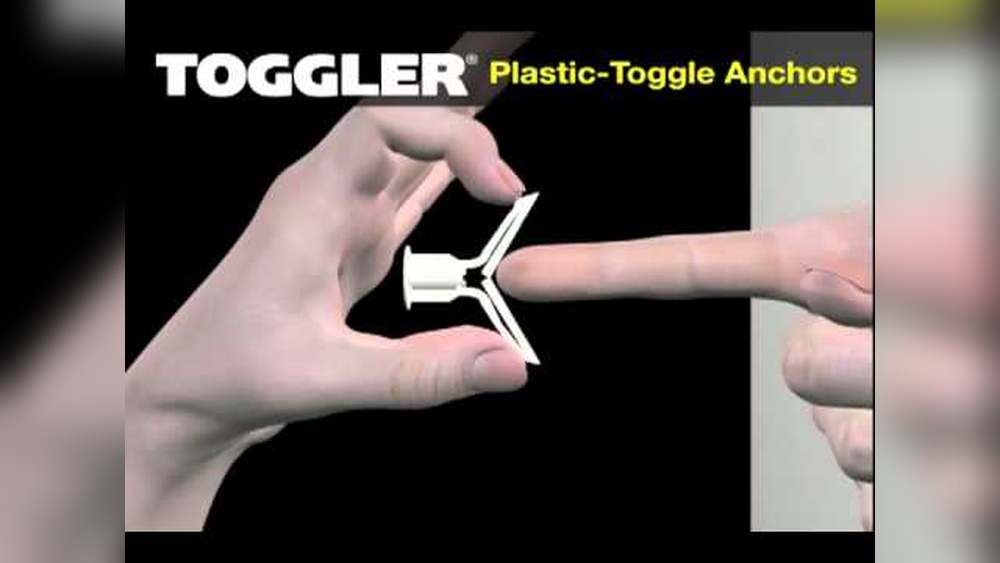
Several wall anchors exist for different uses. Plastic expansion anchors are popular for light loads. They expand inside drywall when a screw is inserted. Toggle bolts have wings that open behind the wall. They hold heavy items securely. Molly bolts are metal anchors that expand inside the wall. Each type works differently and may spin for unique reasons.
Why Anchors Spin In Drywall
Drywall is soft and fragile. Anchors may not grip well if the hole is too big. Loose holes let the anchor turn freely. Spinning happens if the anchor does not catch the drywall. Over-tightening screws can also cause spinning. It strips the anchor’s threads or breaks the drywall. Poor fit between the anchor and screw leads to slipping.
Material And Installation Issues
Low-quality anchors often spin more than strong ones. Cheap plastic bends easily inside the wall. Wrong anchor size for the screw causes movement. Drilling an oversized hole weakens the hold. Improper installation angle reduces grip. Not pushing the anchor fully into the wall leaves it loose. These errors increase the chance of spinning.

Credit: www.reddit.com
Tools And Materials Needed
To stop a wall anchor from spinning, gather the right tools and materials first. Having the correct items makes the task easier and faster. It also helps prevent damage to your walls. Below are the key tools and materials needed for this job.
Essential Repair Tools
Start with a power drill or screwdriver. These tools help insert and tighten anchors. A drill bit matching the anchor size is important for a neat hole. A hammer may be needed to tap anchors in place. A level ensures your items hang straight. A utility knife helps clean the hole edges if needed.
Recommended Wall Anchors
Choose anchors made for your wall type: drywall, plaster, or masonry. Plastic expansion anchors work well for light loads. For heavier items, metal or toggle anchors offer more support. Self-drilling anchors reduce hole size and spinning risk. Select anchors that fit tightly in the hole to avoid movement.
Additional Supplies
Use wood glue or construction adhesive for extra grip inside the hole. Masking tape can help hold loose anchors temporarily. Keep a small brush to clean dust from drilled holes. A pencil marks anchor spots precisely. Safety glasses protect eyes from dust and debris during drilling.
Quick Fixes For Spinning Anchors
Spinning wall anchors can cause frustration and weaken your hold. Quick fixes help stop the spin and keep anchors stable. These simple methods save time and avoid major repairs. Each fix suits different anchor problems, making your wall strong again.
Tightening Loose Anchors
Start by turning the screw slowly. Tighten it to pull the anchor firmly into the wall. Avoid over-tightening to prevent damage. Sometimes, just a small turn stops the spin. Check if the anchor holds tight after this.
Using Toothpicks Or Wooden Dowels
Insert toothpicks or small wooden dowels into the anchor hole. They fill the gap and give the anchor more grip. Break off extra wood so it fits flush with the wall. Push the anchor back in and tighten the screw again. This method works well for loose drywall anchors.
Applying Wall Repair Paste
Fill the hole around the anchor with wall repair paste. Let the paste dry completely before reinserting the anchor. The dried paste creates a firm base to stop spinning. It also helps when the hole is too big or damaged. Use a putty knife for smooth application.
Replacing The Wall Anchor
Replacing a wall anchor is key when it spins or fails to hold. Proper replacement stops damage to your wall and ensures a strong hold. Follow these steps to remove the old anchor, pick the right one, and install it correctly.
Removing The Old Anchor
Start by pulling the old anchor out gently. Use pliers to grip and twist it slowly. If it breaks inside, push it deeper carefully. Avoid making the hole bigger.
Choosing The Right Replacement
Select an anchor that fits your wall type and weight needs. Plastic anchors suit light loads and drywall. Metal anchors work well for heavy items and plaster. Match the size of the screw with the anchor.
Proper Installation Techniques
Drill a hole slightly smaller than the anchor size. Insert the anchor flush with the wall surface. Tighten the screw slowly to avoid spinning. Stop when it feels firm and secure.
Preventing Future Anchor Spin
Preventing wall anchor spin keeps your fixtures secure. It avoids damage to walls and saves time. Simple steps during installation help anchors stay tight and strong.
Pre-drilling Correctly
Drill a hole slightly smaller than the anchor size. This ensures a tight fit for the anchor. Avoid drilling a hole too big or too deep. A snug hole stops the anchor from spinning inside.
Selecting Suitable Anchors For Your Wall
Choose anchors made for your wall material. Drywall anchors differ from masonry anchors. Use anchors designed for the weight of your item. Proper anchors hold firmly and resist spinning.
Avoiding Over-tightening
Tighten screws just enough to hold the item. Over-tightening can strip the anchor or wall. Stop when you feel resistance. This keeps anchors from loosening or spinning later.
When To Call A Professional
Sometimes, fixing a wall anchor that spins is not easy. The problem may be bigger than it looks. Knowing when to call a professional can save time and avoid damage. A trained expert will know how to fix the issue safely and correctly.
Signs Of Wall Damage
Look for cracks near the anchor. Loose or crumbling drywall is a bad sign. Paint peeling or bulging walls show damage too. If the wall feels weak or soft, it needs help. These signs mean the wall anchor problem is serious.
Complex Repair Situations
Some repairs need special tools or skills. Large holes or deep damage are hard to fix alone. If anchors keep spinning despite your efforts, a pro can help. Fixing studs or replacing wall parts requires experience. Complex issues can worsen if not handled right.
Hiring A Handyman Or Contractor
Choose someone with good reviews and experience. Ask if they fix wall anchors and drywall. A handyman is good for small jobs and quick fixes. Contractors handle bigger repairs and structural damage. Always check their license and insurance before hiring.

Credit: www.reddit.com
Frequently Asked Questions
Why Does My Wall Anchor Keep Spinning?
Wall anchors spin when the anchor hole is too large or the anchor is loose. This prevents proper gripping. Using the right anchor size and tightening carefully helps avoid spinning.
How Can I Stop A Wall Anchor From Spinning?
To stop spinning, insert a larger anchor or fill the hole with wood glue or toothpicks. Tighten the screw slowly and ensure the anchor grips the wall securely.
What Tools Help Prevent Wall Anchor Spinning?
Use a drill with the correct bit size and a screwdriver with good grip. A manual hand drill offers more control to avoid oversizing the hole, reducing spinning risk.
Can Wall Anchors Be Reused If They Spin?
No, spinning anchors lose grip and should be replaced. Reusing a loose anchor can damage walls and reduce support strength.
Conclusion
Keeping a wall anchor from spinning takes some care and the right steps. Choose the right anchor for your wall type. Use tools carefully and avoid over-tightening. Make sure the anchor fits snugly in the hole. Small adjustments can make a big difference.
These tips help your anchors hold strong and last longer. A stable anchor means safer and stronger wall mounts. Try these simple ideas for better results next time.