Have you ever tried to remove a plastic wall anchor from your plaster wall, only to end up with a bigger mess? You’re not alone.
These little anchors hold things firmly in place, but pulling them out can be tricky and might damage your wall if you don’t know the right steps. Imagine saving your plaster from cracks and holes while getting rid of those stubborn anchors quickly and cleanly.
In this guide, you’ll discover simple, effective ways to remove plastic wall anchors without stress or extra repairs. Keep reading—you’ll learn exactly how to protect your walls and make your next DIY project easier than ever.
Credit: www.hgtv.com
Tools Needed
Removing plastic wall anchors from plaster requires the right tools. Using proper tools makes the job easier and protects your wall from damage. Some tools are found in most homes. Others are made for this specific task. Knowing these tools helps you prepare well before starting.
Common Household Tools
Start with basic tools found in many homes. A flathead screwdriver helps pry the anchor out gently. Needle-nose pliers grip and pull the anchor when loose. A utility knife cuts around the anchor if needed. A hammer can tap the screwdriver or pliers for better grip. These tools work well for simple anchors and small jobs.
Specialized Removal Tools
Some anchors need special tools for easy removal. An anchor removal tool fits around the anchor to pull it out smoothly. A drill with a small bit can help loosen stubborn anchors. A stud finder locates wall studs to avoid damage during removal. These tools make the process faster and prevent harm to plaster walls.
Safety Precautions
Removing plastic wall anchors from plaster can be tricky. Safety comes first to avoid damage and injury. Taking simple steps protects your walls and yourself. Follow these basic safety precautions for a smooth process.
Protecting Walls
Cover the area around the anchor with painter’s tape. This prevents plaster from chipping or cracking. Use a soft cloth or sponge to clean dust gently. Avoid harsh tools that can damage the wall surface. Work slowly to keep the plaster intact.
Personal Safety Tips
Wear safety glasses to protect your eyes from debris. Use gloves to avoid cuts from sharp tools or anchor edges. Work in a well-lit space to see clearly. Keep children and pets away from the work area. Take breaks to avoid hand strain during removal.
Preparing The Area
Preparing the area is the first step to safely remove plastic wall anchors from plaster. It helps avoid damage and keeps your space clean. A little effort here saves time and frustration later.
Clearing Surroundings
Remove any items near the wall. Clear shelves, pictures, and decorations. This gives you room to work and stops things from falling. A clean area lets you focus on removing the anchors without distractions.
Protecting Furniture And Floors
Cover nearby furniture with old sheets or plastic covers. Lay down a drop cloth or newspapers on the floor. This protects surfaces from dust, debris, and accidental scratches. Taking these steps keeps your home tidy during the project.
Methods To Remove Anchors
Removing plastic wall anchors from plaster can be tricky but doable with the right method. Several ways exist to get the anchor out without damaging the wall. Choose the method that fits your tools and the anchor type. Each method has simple steps and tools that make the job easier.
Pulling Out With Pliers
Grip the anchor head firmly with needle-nose pliers. Pull straight out slowly to avoid breaking the anchor. Wiggle gently if the anchor is tight. This method works best for anchors that stick out from the wall.
Pushing Through The Wall
Use a hammer or blunt tool to push the anchor deeper into the wall. This clears the hole for patching later. Be careful not to crack the plaster while pushing. This method suits anchors set flush with the wall surface.
Using A Screwdriver
Insert a screwdriver into the anchor’s center. Turn counterclockwise to unscrew the anchor. Pull it out once loose. This method works with anchors that have a screw slot or are threaded inside.
Drilling Out The Anchor
Choose a drill bit slightly smaller than the anchor. Drill slowly into the anchor to break it apart. Remove the broken pieces with pliers. This method is best for anchors stuck too tight to pull out.
Dealing With Damage
Removing plastic wall anchors from plaster can leave marks and holes. These spots need attention to keep your walls looking smooth and neat. Fixing the damage is not hard. A few steps can make the wall look like new again.
Filling Holes
Start by cleaning the hole with a brush or cloth. Use a putty knife to apply filler or spackle. Press the filler firmly inside the hole to fill it completely. Let the filler dry according to the instructions on the package. This step makes the wall surface even.
Sanding And Smoothing
After the filler dries, gently sand the area with fine-grit sandpaper. Sand until the surface feels smooth and blends with the wall. Wipe away dust with a clean cloth. This creates a perfect base for painting and hides the repair.
Touch-up Painting
Choose paint that matches your wall color. Use a small brush to apply paint over the repaired spot. Apply thin coats and let each dry before the next. This helps the repair blend seamlessly with the rest of the wall. Your plaster will look fresh and flawless.

Credit: www.hgtv.com
Preventing Future Damage
Preventing damage to plaster walls is key when using plastic wall anchors. Proper care keeps your walls strong and smooth. Taking time to choose the right anchor and install it correctly stops cracks and holes. This protects your walls for years.
Choosing The Right Anchor
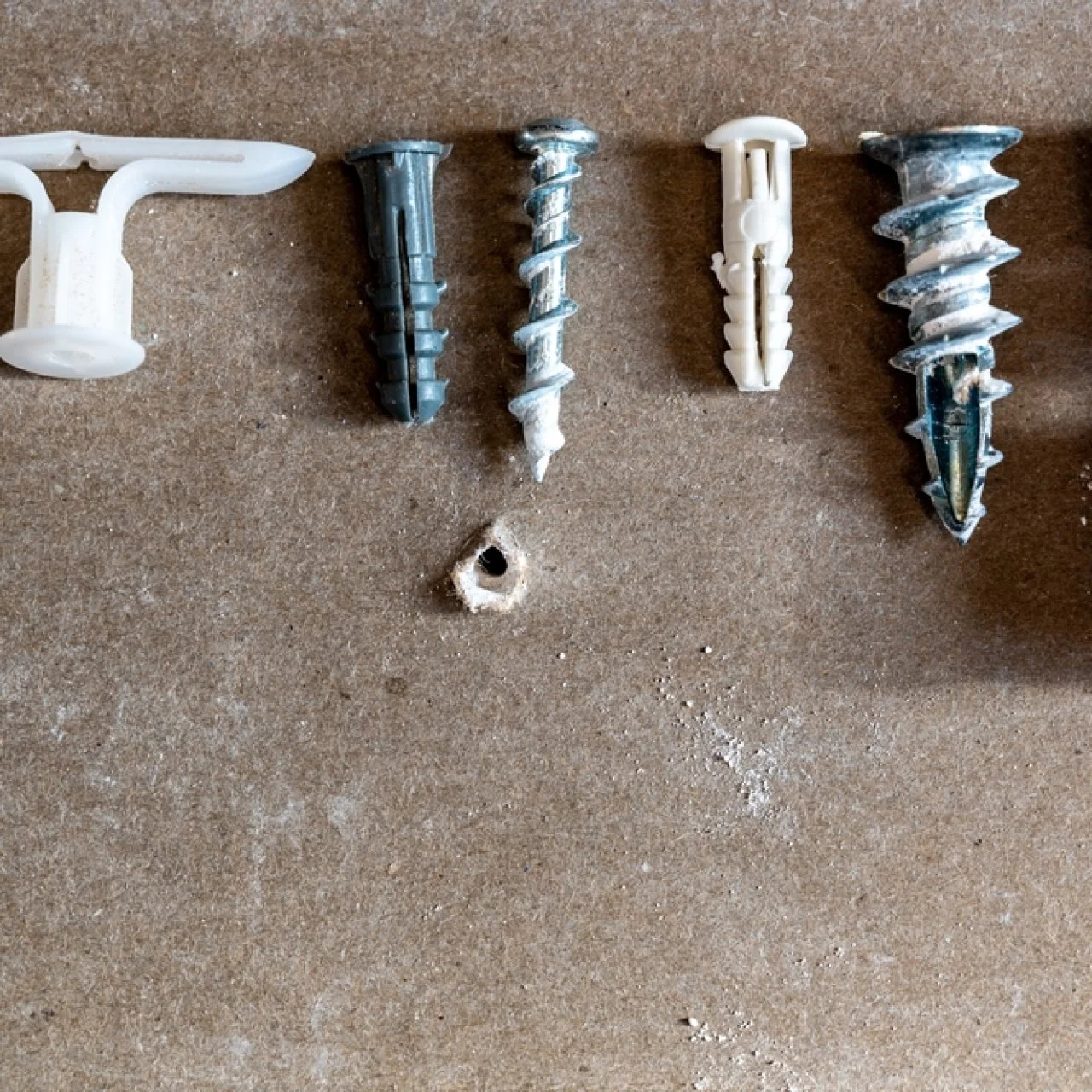
Select anchors made for plaster walls. Plastic anchors work well for light items. For heavier items, use metal or toggle anchors. These spread weight and reduce pressure on plaster. Check weight limits on anchor packaging. Pick anchors that fit the wall thickness. Avoid anchors that are too large or too small.
Proper Installation Techniques
Drill a hole slightly smaller than the anchor size. Use a drill bit made for plaster walls. Drill slowly to avoid cracking plaster. Insert the anchor gently without forcing it. Use a screwdriver, not a drill, to tighten screws. Tighten screws just enough to hold the item. Over-tightening can crack or break plaster. Patch any gaps around the anchor with plaster repair.

Credit: www.wikihow.com
Frequently Asked Questions
How Do I Safely Remove Plastic Anchors From Plaster Walls?
To safely remove plastic anchors, first try pulling them out with pliers. If stuck, gently pry them using a flathead screwdriver. Avoid damaging the plaster by working slowly and carefully.
Can I Patch Holes After Removing Wall Anchors?
Yes, you can patch holes easily. Use spackling compound or plaster to fill the hole. Sand smooth after drying, then repaint for a clean finish.
What Tools Are Best For Extracting Plastic Wall Anchors?
Pliers, a flathead screwdriver, and a utility knife work best. These tools help grip and pry anchors without damaging plaster walls.
Will Removing Anchors Damage My Plaster Wall?
If done carefully, removal won’t damage plaster. Pull anchors slowly and avoid forcing them. Small holes can be patched quickly afterward.
Conclusion
Removing plastic wall anchors from plaster does not have to be hard. Use the right tools and take your time. Gently pull or twist the anchor to avoid damaging the wall. If the anchor breaks, try small pliers or a drill carefully.
Fix any holes with plaster or filler afterward. This keeps your wall smooth and clean. Following these steps makes the task easier and safer. You can handle it yourself with patience and care.