Are you ready to secure your 2×6 wall plate firmly to a concrete wall but unsure where to start? Getting this step right is crucial for a strong, stable structure that lasts.
In this guide, you’ll discover simple, clear methods to anchor your wall plate safely and effectively. Whether you’re a DIY enthusiast or tackling your first project, this article will give you the confidence and know-how to get the job done right.
Keep reading, and you’ll learn the exact tools, materials, and steps needed to make your wall plate stand strong against time and pressure.
Credit: www.youtube.com
Choosing The Right Anchors
Choosing the right anchors is key to securing a 2×6 wall plate to a concrete wall. The anchors must hold the wood firmly without damaging the concrete. Selecting the proper type and size of anchor ensures a strong and safe connection. This section explains what types of anchors to use and how to pick the correct size for your project.
Types Of Concrete Anchors
Concrete anchors come in various types. Sleeve anchors expand inside the hole for a tight fit. Wedge anchors use a metal clip that locks into place. Tapcon screws drill directly into concrete and hold well. Each type suits different wall thicknesses and loads. Choose an anchor type that fits your concrete and wall plate needs.
Anchor Size And Load Capacity
Anchor size affects strength and holding power. Larger anchors hold more weight but need bigger holes. The length must match the thickness of the 2×6 and concrete. Load capacity shows how much force the anchor can handle. Check the anchor’s load rating to match your wall plate’s weight and use. Proper size and capacity prevent wall movement and damage.
Credit: connectorsonly.com
Preparing The Concrete Wall
Preparing the concrete wall is a key step before anchoring a 2×6 wall plate. This process ensures a strong and lasting hold. You need to work carefully and follow the right steps. Proper preparation makes the installation easier and safer.
Cleaning And Marking The Surface
Start by cleaning the concrete wall. Remove dust, dirt, and loose particles. Use a wire brush or broom for this. A clean surface helps the anchor grip better.
Next, mark the exact spots for drilling. Use a pencil or chalk to make clear marks. Measure twice to avoid mistakes. These marks guide your drill for precise holes.
Drilling Proper Holes
Choose a drill bit made for concrete. A hammer drill works best. Align the drill bit with your marks. Drill straight into the wall to the right depth.
Keep the drill steady and apply firm pressure. Avoid tilting or wobbling the bit. Clean out dust from the holes before inserting anchors. This step helps anchors fit tightly.
Attaching The Wall Plate
Attaching the 2×6 wall plate to a concrete wall is a key step in building a strong structure. The wall plate holds the frame and transfers weight to the foundation. Proper attachment ensures safety and durability. This process requires careful alignment and secure fastening with the right anchors. Follow the steps below for a solid installation.
Aligning The 2×6 Wall Plate
Place the 2×6 wall plate against the concrete wall. Use a level to make sure it is straight. Mark the spots for drilling holes through the plate into the wall. Space the marks evenly, usually every 16 to 24 inches. Double-check the alignment before drilling. This step ensures the frame sits correctly on the wall.
Securing With Anchors
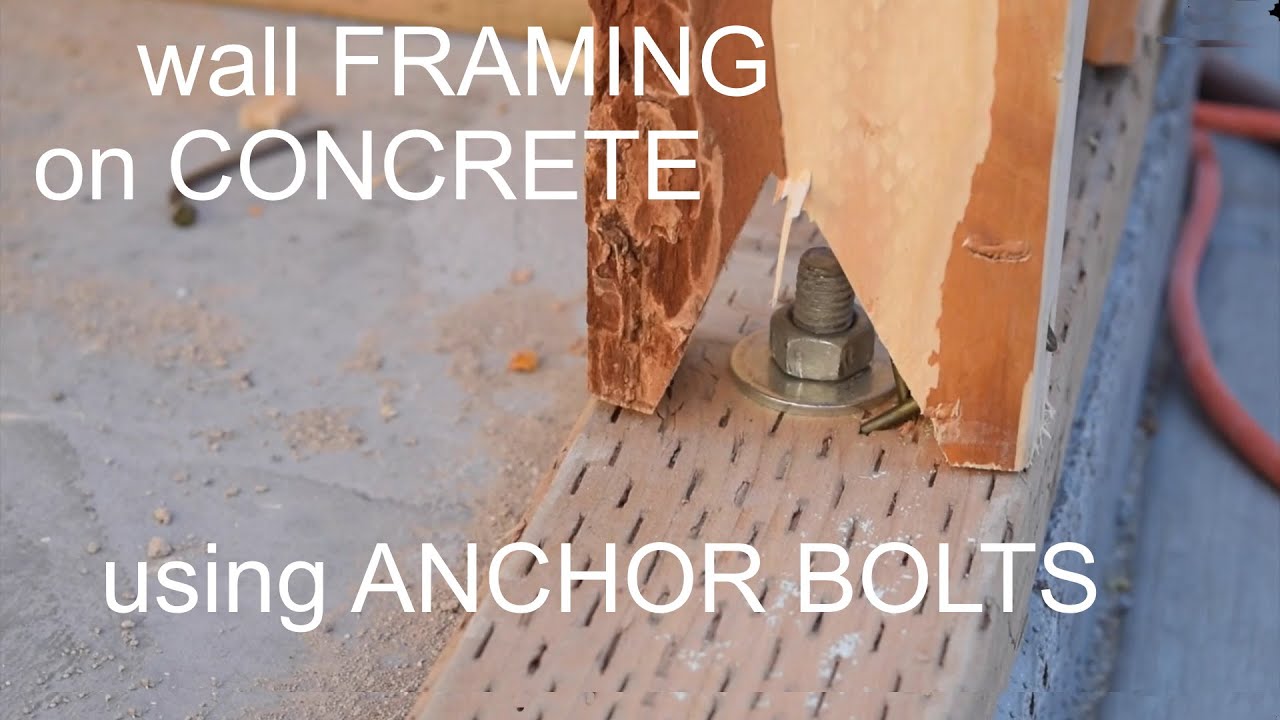
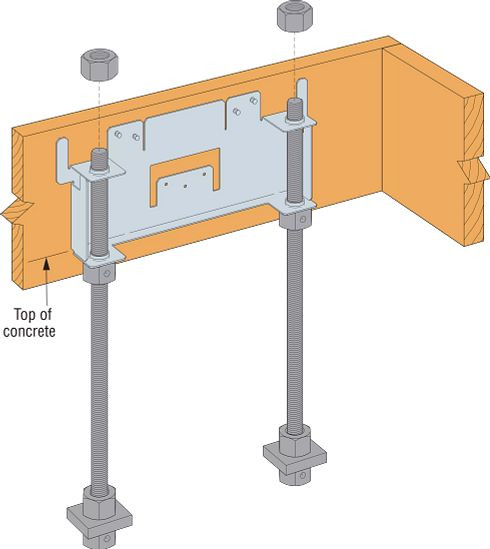
Drill holes into the concrete at the marked spots. Use a hammer drill and masonry bit for best results. Insert concrete anchors into each hole. Tap them in until they are flush with the wall. Position the wall plate back and line up holes with anchors. Drive screws or bolts through the plate into the anchors. Tighten securely to hold the plate firmly in place.
Using Epoxy For Extra Strength
Using epoxy to anchor a 2×6 wall plate to a concrete wall adds extra strength. Epoxy acts like a strong glue that holds bolts or anchors firmly in the concrete. This method helps keep the wall stable and secure over time. It works well in places where normal anchors might loosen or fail.
Epoxy creates a bond that fills cracks and gaps in the concrete. This makes the anchor hold tightly. It also protects the anchor from moisture and corrosion. Using epoxy is a smart choice for tough jobs and heavy loads.
When To Use Epoxy
Use epoxy if the concrete is old or cracked. These conditions make regular anchors less reliable. Epoxy helps to keep anchors secure in weak or damaged concrete. It is also good for heavy wall frames. Use epoxy if the wall will face strong forces like wind or pressure.
Applying Epoxy Correctly
Clean the hole in the concrete first. Remove dust and loose debris with a brush or vacuum. This helps the epoxy stick well. Mix the epoxy according to the instructions. Fill the hole with epoxy using a syringe or nozzle. Insert the anchor bolt while the epoxy is still wet. Turn the bolt slightly to spread the epoxy evenly. Wait for the epoxy to fully cure before attaching the wall plate. This can take several hours or a full day. Proper curing ensures the best bond and strength.
Common Mistakes To Avoid
Anchoring a 2×6 wall plate to a concrete wall requires care and attention. Avoiding common mistakes can save time and ensure a strong hold. Many beginners make simple errors that weaken the connection or cause damage. Learn what to watch out for to get the best results.
Incorrect Anchor Placement
Placing anchors in the wrong spots reduces the wall plate’s strength. Avoid setting anchors too close to the edges of the concrete. This can cause cracks or breakage. Spread anchors evenly along the plate for balanced support. Also, avoid placing anchors too far apart. This lowers the stability of the entire wall frame.
Overtightening Fasteners
Fasteners that are too tight can damage both the wall plate and anchors. Over-tightening may strip the anchor threads inside the concrete. It can also crack the wood plate or the concrete surface. Tighten screws just enough to hold the plate firmly. Stop once you feel resistance to avoid breaking materials.

Credit: books.byui.edu
Tools And Materials Checklist
Before anchoring a 2×6 wall plate to a concrete wall, gather the right tools and materials. This ensures a smooth, safe, and strong installation. Having everything ready saves time and avoids frustration during the job.
The checklist includes basic tools, safety gear, and specific fasteners. Each item plays a key role in securing the wall plate firmly to the concrete.
Essential Tools
- Hammer drill with a masonry bit
- Socket wrench or impact driver
- Measuring tape
- Carpenter’s pencil
- Level
- Safety glasses and ear protection
Materials Needed
- 2×6 lumber wall plate
- Concrete anchors or wedge anchors
- Concrete screws or bolts
- Construction adhesive (optional)
- Shims (for leveling)
Safety Gear
- Protective gloves
- Dust mask
- Safety glasses
- Ear protection
Frequently Asked Questions
What Tools Are Needed To Anchor 2×6 Wall Plate To Concrete?
You need a hammer drill, masonry bit, concrete anchors, a tape measure, pencil, and a hammer. Safety gear like gloves and goggles is also essential.
How Deep Should Holes Be For Concrete Wall Anchors?
Drill holes at least 1 to 1. 5 inches deep. Depth depends on anchor size and manufacturer’s instructions for a secure hold.
Which Anchors Work Best For 2×6 Wall Plates?
Use wedge anchors or sleeve anchors for strong, reliable fastening to concrete. These provide excellent grip and stability for wall plates.
Can I Anchor 2×6 Plate Without Pre-drilling Holes?
Pre-drilling is necessary to avoid concrete cracking and ensure anchor holds. Skipping this step can weaken the installation.
Conclusion
Anchoring a 2×6 wall plate to a concrete wall takes careful steps. Use the right tools and anchors for a strong hold. Drill holes straight and clean for best results. Tighten bolts firmly, but avoid cracking concrete. Check your work to keep the wall steady and safe.
This method helps build a solid base for your project. Keep safety in mind and work with patience. Follow these tips to complete your wall plate anchoring with confidence.