Are you ready to hang your favorite artwork, shelves, or TV but unsure how to anchor to the wall securely? Getting it wrong can lead to damage or accidents, and that’s the last thing you want.
This guide will walk you through simple, step-by-step methods to make sure your anchors hold tight every time. By the end, you’ll have the confidence to tackle any wall project without worry. Keep reading to learn the secrets of strong, reliable wall anchoring—your walls will thank you!
Types Of Wall Anchors
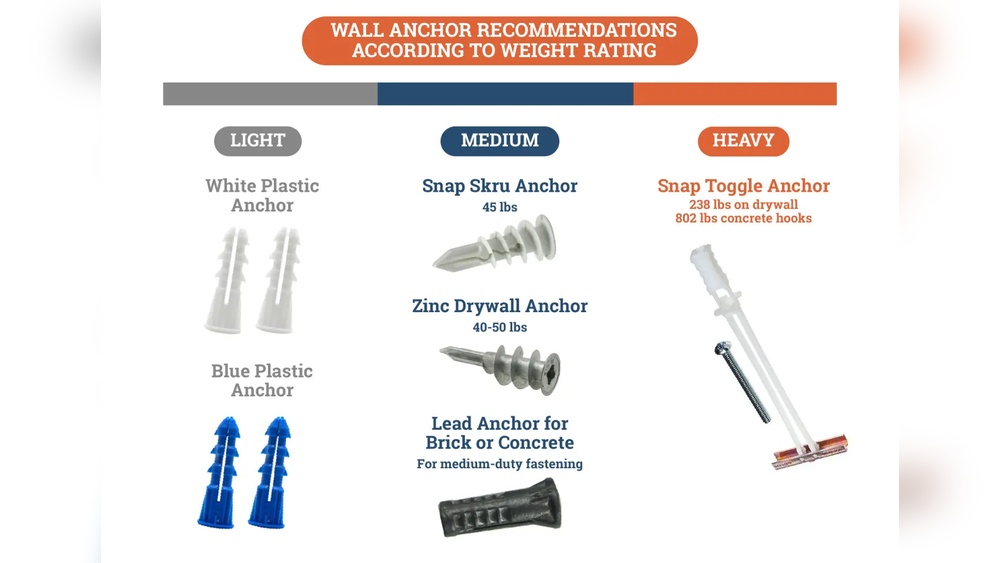
Wall anchors hold screws securely in different wall materials. Choosing the right type is key for strong support. Each anchor fits specific walls and weight needs. Understanding these types helps you pick the best one for your project.
Plastic Expansion Anchors
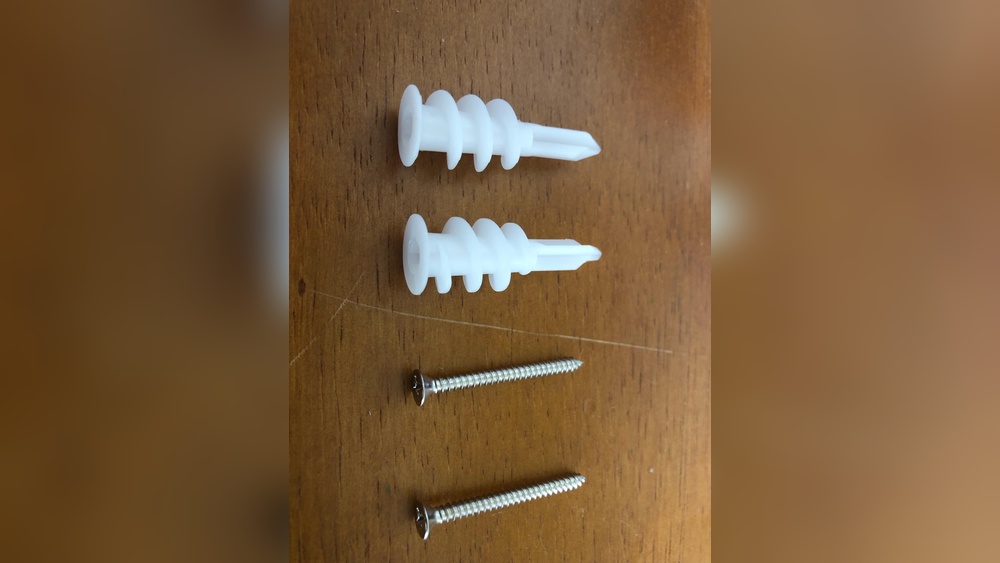
Plastic expansion anchors work well for light loads. Insert them into a drilled hole, then drive the screw. The anchor expands inside the wall, holding tight. They suit drywall and plaster walls.
Toggle Bolts
Toggle bolts are strong anchors for hollow walls. They have wings that open behind the wall. This spreads the load over a larger area. Use toggle bolts for heavy items on drywall.
Molly Bolts
Molly bolts provide firm support in drywall. They expand inside the wall when the screw tightens. This creates a secure hold for medium-weight objects. Ideal for shelves and mirrors.
Sleeve Anchors
Sleeve anchors fit concrete and brick walls. They have a metal sleeve that expands when tightened. This grips the solid wall firmly. Use them for heavy-duty fastening outdoors or indoors.
Hammer Drive Anchors
Hammer drive anchors are quick to install in concrete. You hammer the pin into the anchor body inside the hole. This locks the anchor in place. Great for light to medium loads on masonry walls.
:max_bytes(150000):strip_icc()/how-to-use-and-discard-anchor-screws-1822671-Final-ec8091ccf65241b1b1f888549f25003a.jpg)
Credit: www.thespruce.com
Choosing The Right Anchor
Choosing the right anchor is key to a strong, safe hold on your wall. Different walls need different anchors. Picking the right one keeps your items secure and prevents damage. Consider the wall type, the weight of what you hang, and the anchor size. These factors help you find the best anchor for your project.
Assessing Wall Material
Start by checking the wall material. Drywall, concrete, brick, and plaster all need different anchors. Drywall anchors work best in hollow walls. Concrete and brick require heavy-duty anchors like sleeve or wedge types. Knowing the material helps pick the right anchor that grips well.
Considering Load Weight
Think about how much weight the anchor must hold. Light items need simple anchors. Heavy objects require strong anchors designed for big loads. Always choose an anchor rated for more than your item’s weight. This prevents accidents and keeps things steady.
Anchor Size And Length
Anchor size and length matter for a secure fit. Longer anchors reach deeper into the wall for better hold. The thickness should match the hole size and wall strength. Too small or short anchors can pull out easily. Choose size based on wall type and load weight.
Tools And Materials Needed
Anchoring to a wall requires specific tools and materials to ensure a secure hold. Having the right items makes the task easier and safer. Prepare all tools before starting to avoid interruptions.
Drill And Drill Bits
A drill helps create holes in the wall for anchors and screws. Choose drill bits that match the anchor size. Use a drill suitable for the wall type, like masonry or wood.
Screwdriver And Screws
A screwdriver drives screws into the anchors firmly. Select screws that fit the anchor and the object you hang. Both manual and electric screwdrivers work well.
Measuring Tape And Level
Measuring tape measures the exact spot to place anchors. A level ensures your object hangs straight on the wall. Use both tools for precise and balanced results.
Pencil And Hammer
A pencil marks drilling points on the wall clearly. A hammer helps tap anchors into the holes gently. Both tools prepare the surface for secure anchoring.
Preparing The Wall
Preparing the wall is the first step to secure anchors safely and correctly. It sets the stage for strong support and prevents damage. Careful preparation saves time and effort later.
Start by understanding the wall type and its condition. This helps choose the right tools and anchors. Clean the wall surface to remove dust or loose material. A clean wall ensures better grip and accuracy.
Marking Anchor Points
Use a pencil and level to mark exact spots for anchors. Measure twice to avoid mistakes. Marking points clearly guides drilling and keeps the project neat. Marks should be visible but easy to erase if needed.
Checking For Hidden Utilities
Scan the wall for pipes, wires, or cables before drilling. Use a stud finder or utility detector. Avoid hitting utilities to prevent injury and damage. Safety is key during this step.
Drilling Pilot Holes
Drill small pilot holes at the marked points. Pilot holes guide larger drills and reduce wall cracking. Use the right drill bit size for the anchor type. Drill slowly and steadily for clean holes.
Installing The Anchor
Installing the anchor is a key step to secure objects on a wall. Proper installation ensures strength and safety. Follow each step carefully to get the best hold.
Inserting The Anchor
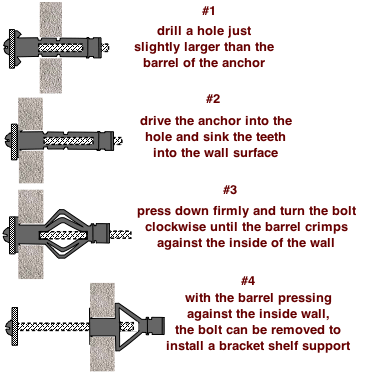
Start by drilling a hole that fits the anchor size. Clean out any dust from the hole. Gently push the anchor into the hole until it is flush with the wall. Avoid forcing it in to prevent damage.
Securing The Anchor
Use a screwdriver or drill to tighten the anchor. Turn slowly to expand the anchor inside the wall. Stop tightening as soon as the anchor feels firm. Over-tightening can weaken the hold.
Testing Stability
After installation, gently pull on the anchor to check strength. It should not move or wiggle. Apply light pressure at first, then increase to test. A stable anchor keeps your objects safe and secure.

Credit: www.frontierbasementsystems.com
Common Mistakes To Avoid
Anchoring to a wall seems easy but many people make common mistakes. These errors can cause weak holds or damage. Avoid these problems to secure your items safely and effectively.
Overdrilling Holes
Drilling too deep or wide weakens the wall. It can cause the anchor to fall out. Measure the exact size needed before drilling. Use a drill bit that matches the anchor size. Stop drilling as soon as you reach the right depth.
Using Wrong Anchor Type
Different walls need different anchors. Drywall, brick, and concrete each require specific types. Using the wrong anchor reduces holding power. Choose anchors made for the wall material. Check the weight limit before picking an anchor.
Ignoring Wall Condition
Walls with cracks or holes may not hold anchors well. Old or damaged walls can break under pressure. Inspect the wall before anchoring. Repair any damage first for a safe hold. Clean the surface from dust and debris to improve grip.
Tips For Heavy-duty Fixing
Heavy-duty fixing requires strong support. Using the right method makes your anchor secure and safe. These tips help ensure your anchor holds firm under heavy loads. Follow simple steps to improve your wall anchoring strength.
Using Multiple Anchors
Spread the load by using more than one anchor. Multiple anchors share the weight evenly. This reduces pressure on a single point. Space anchors properly for the best hold. Use anchors designed for heavy loads only.
Reinforcing Wall Sections
Strengthen the wall before fixing. Add wooden blocks or metal plates behind drywall. This gives extra support for heavy objects. Use strong materials that match your wall type. Reinforced sections prevent damage and improve stability.
Professional Installation Options
Choose professional help for complex or very heavy tasks. Experts know how to select the right anchors and tools. They can reinforce walls safely and effectively. Hiring a pro saves time and avoids mistakes. It ensures long-lasting and secure fixing.
Credit: www.do-it-yourself-help.com
Frequently Asked Questions
What Tools Do I Need To Anchor To A Wall?
You need a drill, wall anchors, screws, a screwdriver, and a level. These tools ensure a secure and precise installation.
How Do I Choose The Right Wall Anchor?
Select anchors based on wall type and weight load. Plastic anchors suit drywall; metal anchors work for masonry and heavier items.
Can I Anchor To A Drywall Without Studs?
Yes, use toggle bolts or molly bolts for drywall. They provide strong support without needing to find studs.
How Deep Should I Drill For Wall Anchors?
Drill a hole slightly longer than the anchor length. This ensures the anchor fits fully and holds securely.
Conclusion
Anchoring to a wall is simple with the right steps and tools. Choose the correct anchor type for your wall material. Measure and mark carefully before drilling holes. Insert anchors firmly to hold weight safely. Use screws that fit anchors properly for strong support.
Taking time to do it right prevents damage and keeps items secure. Practice makes the process easier and faster. Now, you can hang shelves, pictures, or fixtures with confidence. Safe anchoring protects your walls and belongings. Try these tips on your next project.