Are you tired of your screws slipping out of your plaster walls every time you hang something? Whether it’s a picture frame, a shelf, or a mirror, getting a strong hold in plaster can be tricky.
But don’t worry—anchoring screws in plaster walls is easier than you think. You’ll learn simple, step-by-step methods to secure your screws firmly, so your items stay put without damaging your walls. Keep reading, and you’ll discover the secrets to a reliable, long-lasting fix that saves you time and frustration.

Credit: www.reddit.com
Choosing The Right Anchor
Choosing the right anchor for a plaster wall is important for strong support. Plaster walls can be fragile, so the anchor must hold well without damaging the wall. The right anchor keeps your screws tight and secure. It also prevents cracks or holes from getting bigger. Understanding the types of anchors and the factors to consider helps you pick the best one for your project.
Types Of Anchors For Plaster Walls
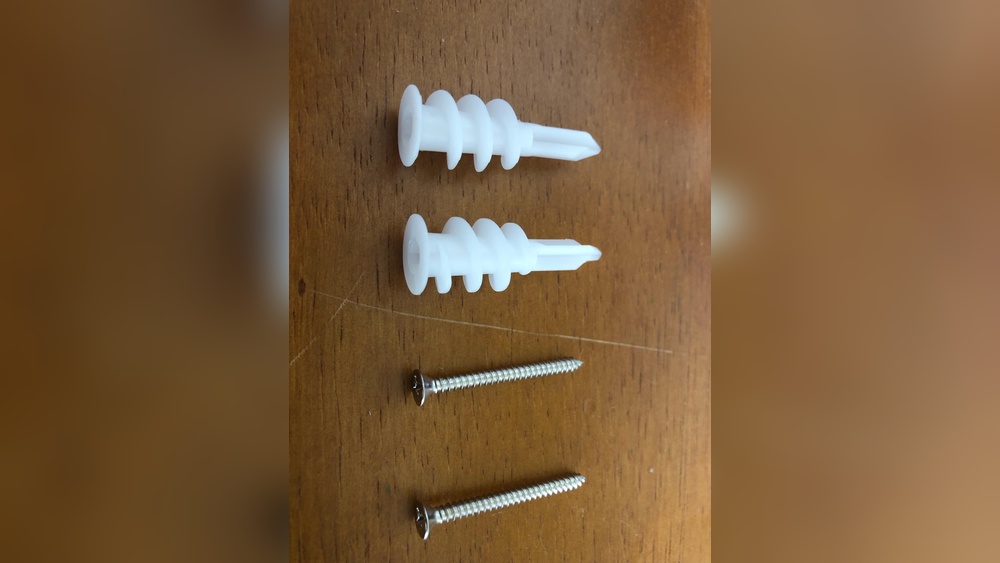
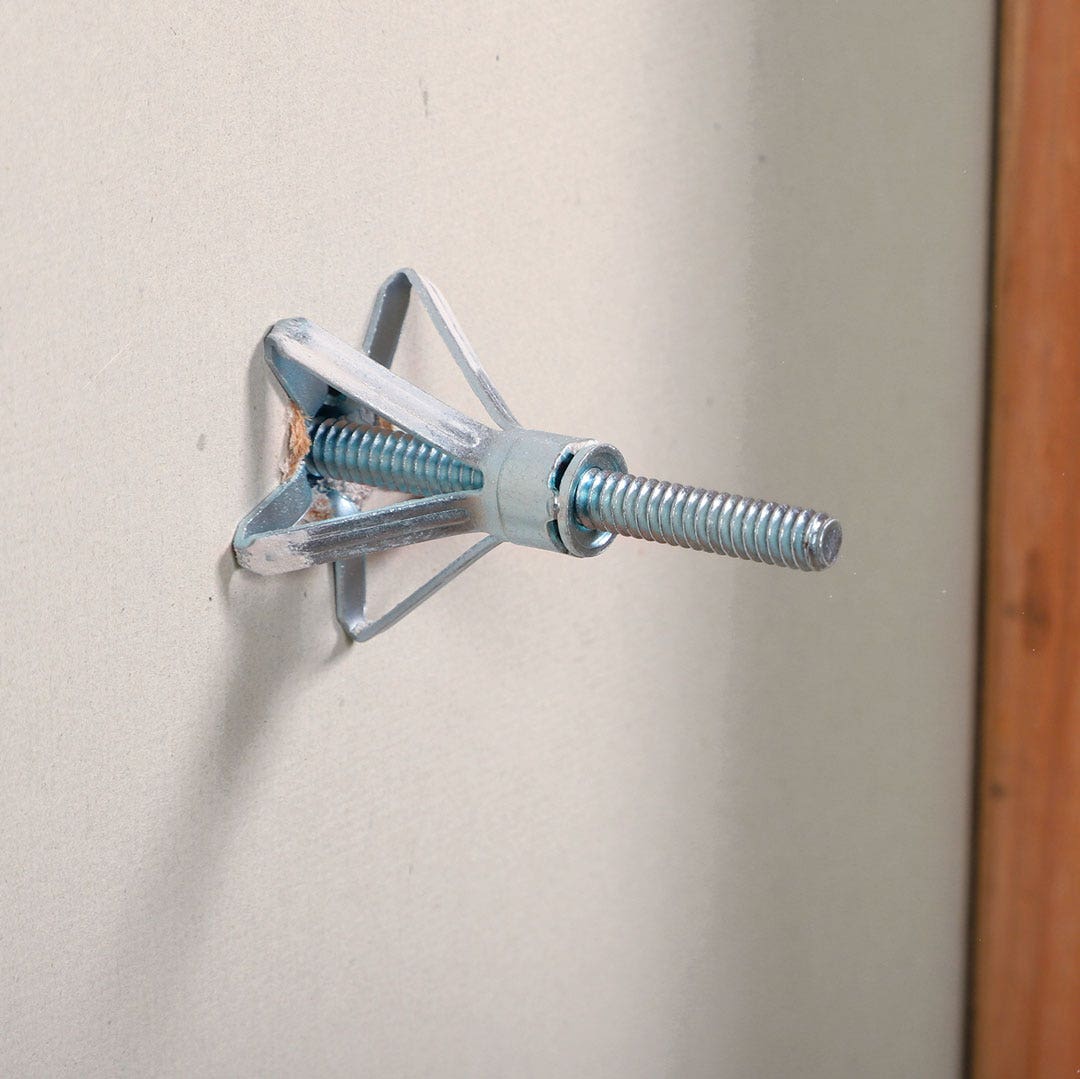
There are several types of anchors made for plaster walls. Plastic expansion anchors are common. They expand inside the wall to hold the screw. Toggle bolts have wings that open behind the wall. This gives strong support for heavy items. Molly bolts are metal anchors that expand when the screw is tightened. They work well in hollow plaster walls. Each type fits different weight needs and wall thickness.
Factors To Consider Before Selection
Weight of the item is the first factor. Heavy objects need stronger anchors like toggle bolts. Wall thickness matters too. Thin plaster may need shorter anchors. Check if the wall has lath or is solid plaster. This affects anchor choice. Ease of installation is key for beginners. Some anchors need special tools or skills. Also, consider if the anchor can be removed easily later. All these points help in choosing the right anchor safely.
Tools And Materials Needed
Anchoring screws in plaster walls requires the right tools and materials. Using proper items helps ensure a strong hold and prevents wall damage. Gather everything needed before starting for smooth work and better results.
Essential Tools For The Job
A drill with a masonry bit is necessary to make holes in plaster. A screwdriver or a drill with a screwdriver bit helps drive screws easily. A hammer may be needed to tap anchors into place. A tape measure ensures correct placement of holes. A pencil helps mark spots for drilling.
Recommended Materials For Secure Fixing
Use wall anchors designed for plaster walls for a secure hold. Plastic expansion anchors work well for light to medium loads. For heavier items, metal anchors or toggle bolts are better choices. Choose screws that fit the anchors properly. Make sure screws are long enough to hold the object firmly to the wall.
Preparing The Wall Surface
Preparing the wall surface is an important first step before anchoring screws in plaster walls. A smooth, clean, and well-marked wall helps ensure the screws hold firmly. Taking time to prepare the surface prevents damage and makes the job easier.
Locating Studs And Avoiding Hazards
Find studs behind the plaster for better support. Use a stud finder or tap the wall to hear solid spots. Avoid electrical wires and pipes inside the wall. These hazards can cause injury or damage if drilled into.
Mark the stud locations lightly with a pencil. Anchoring screws into studs provides strong support. If no stud is present, use special anchors designed for plaster walls.
Cleaning And Marking The Spot
Clean the wall surface where you plan to drill. Remove dust, dirt, and loose plaster with a dry cloth. A clean surface helps the screw or anchor hold better.
Mark the exact spot with a pencil. Use a level or ruler to keep marks straight. Clear, precise marks guide drilling and prevent mistakes.
Drilling The Hole
Drilling the hole is the first step to anchor screws securely in plaster walls. It must be done carefully to avoid cracks and ensure a firm hold. Using the right tools and techniques helps protect the wall and makes the job easier.
Choosing The Right Drill Bit
Select a drill bit made for masonry or plaster. These bits have a special tip to cut through plaster cleanly. Use a smaller bit than the anchor size for a tight fit. Avoid using wood or metal bits, as they can damage the plaster.
Drilling Techniques For Plaster Walls
Start drilling slowly to prevent cracking the plaster. Keep the drill steady and straight. Do not press too hard; let the drill do the work. Drill just deep enough for the anchor length. Clear dust from the hole before inserting the anchor.
Installing The Anchor
Installing the anchor correctly is key to a strong hold in plaster walls. Anchors give screws extra grip and prevent damage. Different anchors fit different needs. Choose the right type for your project. Follow clear steps for secure installation.
Inserting Plastic Anchors
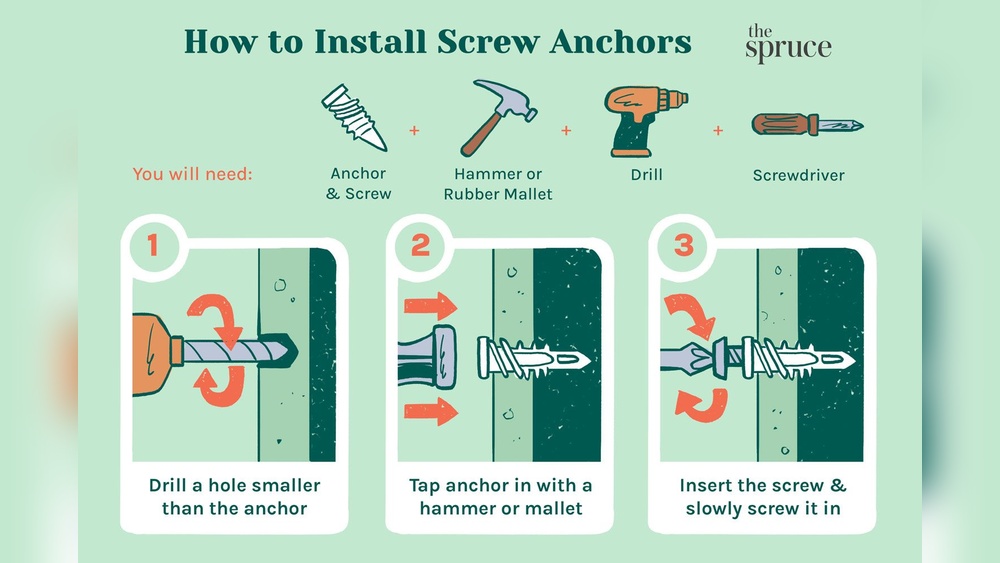
Plastic anchors work well for light loads. First, drill a hole slightly smaller than the anchor. Push the plastic anchor into the hole until flush with the wall. Tap gently with a hammer if needed. Insert the screw into the anchor and tighten slowly. The anchor expands, holding the screw firmly.
Using Toggle Bolts And Molly Screws
Toggle bolts and molly screws suit heavier items. For toggle bolts, drill a hole large enough for the folded toggle. Push the toggle through the hole. Tighten the screw carefully to open the toggle behind the wall. Molly screws need a drilled hole too. Insert the molly and tap it in. Tighten the screw to spread the anchor inside the wall. Both types secure heavy objects well.
Securing The Screw
Securing the screw in a plaster wall is a key step for a strong hold. The right technique keeps your items safe and prevents damage. This section explains how to drive screws correctly and ensure a firm, stable fix.
Driving The Screw Properly
Start by placing the screw into the anchor gently. Use a screwdriver or drill with slow speed. Turn the screw straight, not at an angle. Avoid pushing too hard to stop cracking the plaster. Keep steady pressure until the screw feels tight. Stop turning once you feel resistance. This prevents over-tightening and wall damage.
Ensuring A Tight And Stable Fix
Check the screw is flush against the wall surface. A loose screw will not hold weight well. If the screw moves, remove and try again. Use a larger anchor or different wall plug if needed. Test the screw by gently pulling on it. The fix should feel firm and stable. Secure screws protect your wall and items.
Common Mistakes To Avoid
Anchoring screws in plaster walls may seem easy, but many people make common mistakes. These errors can cause damage or weak support. Avoid these pitfalls to ensure a strong hold and protect your wall.
Overtightening And Wall Damage
Turning the screw too hard can crack plaster walls. The plaster is brittle and breaks under too much pressure. Tighten screws just enough to hold the item firmly. Stop once you feel resistance. This prevents cracks and holes that weaken the wall.
Using The Wrong Anchor Type
Plaster walls need specific anchors for a secure fit. Using anchors meant for drywall or concrete can fail. Choose anchors designed for plaster or hollow walls. These spread the load evenly and hold better. Wrong anchors risk the screw slipping or the wall breaking.
Credit: www.ashanging.com
Tips For Heavy Or Large Fixtures
Heavy or large fixtures need strong support on plaster walls. Normal screws and anchors may not hold well. Use special methods to avoid damage and keep fixtures safe. Follow simple tips to secure heavy items properly.
Reinforcing The Wall
Strengthen the plaster by adding a backing board or plywood. Attach the board to wall studs first. Then fix the heavy item to the board. This spreads the weight evenly and prevents cracks.
Use longer screws to reach the studs behind the plaster. Studs provide the best grip for heavy loads. Check the stud location with a stud finder before drilling.
Alternative Fixing Methods
Try toggle bolts or molly bolts for heavy fixtures. These anchors open behind the wall for strong hold. Drill a hole big enough for the anchor to fit.
Consider using a French cleat system. It distributes weight across a wide area. The cleat mounts on the wall and the fixture hangs on it. This method is ideal for large, heavy items.

Credit: www.picturehangsolutions.com
Frequently Asked Questions
What Tools Are Needed To Anchor Screws In Plaster Walls?
You need a drill, masonry bit, wall anchors, screws, and a screwdriver. These tools ensure secure and proper installation without damaging the plaster.
How To Choose The Right Anchor For Plaster Walls?
Select anchors based on weight and wall thickness. Plastic anchors suit light loads, while metal anchors support heavier items safely.
Can I Drill Directly Into Plaster Without Anchors?
Drilling directly is risky; plaster can crack or crumble. Always use anchors to distribute weight and maintain wall integrity.
How Deep Should I Drill For Plaster Wall Anchors?
Drill a hole slightly deeper than the anchor length. This ensures the anchor fits fully and holds the screw firmly.
Conclusion
Anchoring screws in plaster walls takes care and the right steps. Choose the correct anchor type for your wall’s strength. Drill carefully to avoid cracks or damage. Insert anchors firmly to hold screws tightly. This method keeps your items secure and your wall safe.
Small efforts lead to strong, lasting results. Try these tips for your next wall project. You will see better support and less hassle. Simple steps make a big difference every time.