Are you struggling to hang something heavy on your wall without worrying it will fall? Using plastic anchors might be the simple solution you need.
These little tools can make a huge difference in securing shelves, pictures, or mirrors safely and firmly. If you’ve ever drilled into a wall and felt unsure about what comes next, this guide is for you. Keep reading, and you’ll learn exactly how to use plastic anchors step-by-step, making your next project easier and more secure than ever.
Your walls—and your belongings—will thank you!
Choosing The Right Plastic Anchors
Choosing the right plastic anchors makes your wall project strong and safe. The wrong anchor can cause damage or fail to hold the item. Knowing the types of anchors, matching them to wall materials, and thinking about weight limits helps you pick the best one.
Types Of Plastic Anchors
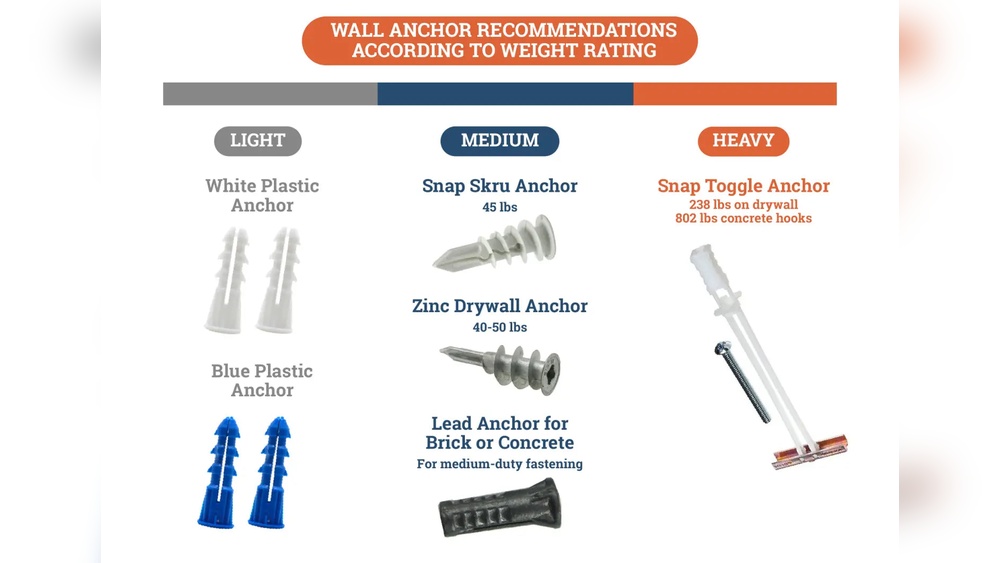
Plastic anchors come in several types. Some expand as you screw into them. Others have wings that open behind the wall. Some are simple sleeves that hold screws tightly. Each type fits different wall conditions and tasks.
Matching Anchors To Wall Materials
Walls differ: drywall, plaster, or concrete. Drywall needs anchors that spread load inside the hollow space. Plaster walls require anchors that grip well without cracking. Concrete or brick needs heavy-duty anchors that drill into hard surfaces. Choose anchors made for your wall type.
Weight Capacity Considerations
Every anchor has a weight limit. Light items like picture frames need small anchors. Heavy shelves or cabinets need strong anchors with high load ratings. Check the anchor’s weight capacity before use. Safety depends on not overloading the anchor.

Credit: www.reddit.com
Tools And Materials Needed
Using plastic anchors in walls needs the right tools and materials. These help you work safely and make sure the anchors hold well. Prepare these tools before starting. It saves time and avoids mistakes.
Drill And Drill Bits
A drill makes holes for plastic anchors. Choose a drill bit that matches the anchor size. The hole must fit the anchor tightly. Use a drill with adjustable speed for better control. This helps prevent wall damage.
Screwdrivers And Screws
Screwdrivers insert screws into the anchors. Pick a screwdriver that fits the screw head. Phillips and flathead are common types. Use screws that match the plastic anchors. Proper screws keep the anchor secure and strong.
Measuring And Marking Tools
Measure and mark the wall before drilling. Use a tape measure or ruler for accuracy. A pencil or marker creates visible marks. Marking spots ensures anchors go in the right place. This keeps your project neat and balanced.
Preparing The Wall
Preparing the wall is the first step to using plastic anchors correctly. It ensures the anchors hold well and the item stays secure. Proper preparation saves time and prevents damage to your walls.
Locating Studs And Avoiding Obstacles
Check where the studs are in the wall. Studs are wooden supports behind drywall. Anchors work best in drywall, not on studs. Use a stud finder or tap the wall and listen for a solid sound. Also, avoid electrical wires and pipes. These can be damaged if drilled into.
Marking Anchor Positions
Mark the exact spots where you want to place the anchors. Use a pencil to make small marks. Measure carefully to keep the marks level and spaced correctly. Accurate marks make drilling easier and prevent mistakes.
Cleaning The Surface
Clean the wall surface before drilling. Remove dust, dirt, and loose paint. Use a dry cloth or brush for this task. A clean surface helps the anchors fit tightly and hold better. It also stops debris from falling into the holes.

Credit: www.picturehangsolutions.com
Installing Plastic Anchors
Installing plastic anchors is a key step for hanging objects on walls. These anchors provide extra support and prevent screws from pulling out. The process is simple and requires only a few tools. Follow these steps to install plastic anchors correctly and securely.
Drilling The Hole
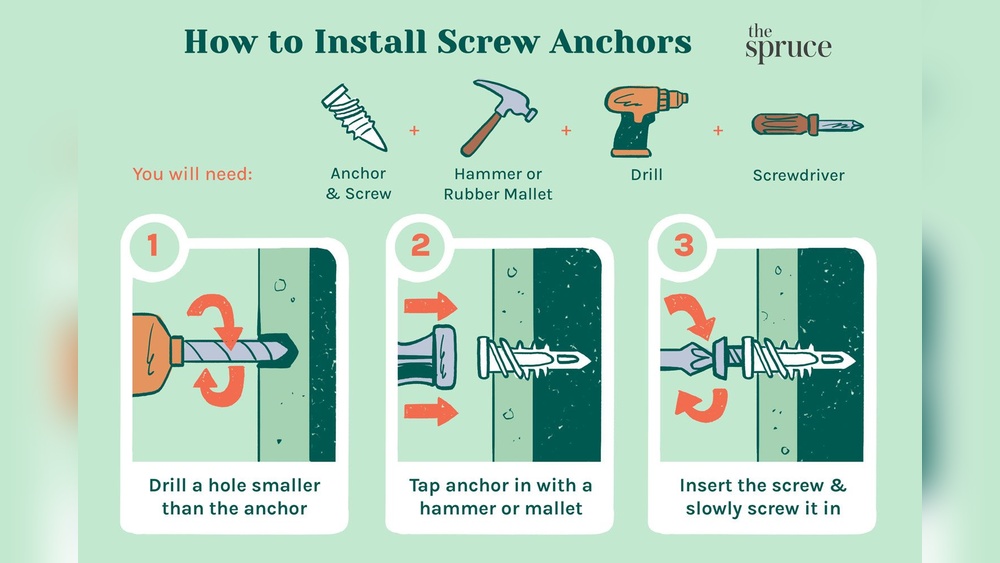
Start by choosing the right drill bit size. It should match the diameter of the anchor. Mark the spot on the wall where you want to install the anchor. Drill a hole straight into the wall. Keep the drill steady to avoid a crooked hole. Clean out any dust or debris from the hole.
Inserting The Anchor
Take the plastic anchor and push it into the drilled hole. Use your fingers or a hammer to tap it gently. The anchor should fit snugly and sit flush with the wall surface. Avoid forcing it too hard to prevent damage. The anchor expands inside the wall for a tight hold.
Securing The Screw
Choose a screw that fits the anchor size. Insert the screw into the anchor slowly. Turn the screwdriver clockwise to tighten. Stop once the screw feels firm and secure. Avoid over-tightening to prevent cracking the anchor. The screw holds your object safely in place.
Tips For Strong Support
Plastic anchors help hold screws tightly in walls. Using them correctly makes your hold strong and safe. Small mistakes can cause anchors to fail. Follow these tips to get the best support from plastic anchors.
Avoiding Over-tightening
Do not tighten screws too much. Over-tightening can crack the anchor or wall. Tighten screws until they are snug. Stop when you feel resistance. This keeps the anchor secure and the wall safe.
Using The Correct Screw Size
Choose screws that match your anchor size. Too small screws slip inside the anchor. Too large screws can break the anchor. Check the anchor package for screw size advice. Proper screw size gives strong, steady support.
Checking Anchor Stability
After installation, test the anchor’s hold. Gently pull or wiggle the screw. If it moves or feels loose, fix it. Remove and use a bigger anchor or screw if needed. Stable anchors hold your items safely on the wall.
Common Mistakes To Avoid
Using plastic anchors correctly is key for strong wall support. Many beginners make simple errors that cause anchors to fail. Avoiding these common mistakes saves time and effort. Understanding what not to do helps your projects last longer and stay secure.
Wrong Anchor For Wall Type
Not all plastic anchors fit every wall. Drywall needs different anchors than concrete or brick. Using the wrong type can cause the anchor to slip or break. Check your wall material before picking an anchor. Choose anchors made for your specific wall type.
Improper Hole Size
Drilling a hole too big or too small harms anchor grip. A hole too large makes the anchor loose. A hole too small risks breaking the anchor during insertion. Use the drill bit size recommended on the anchor package. Measure carefully before drilling for a perfect fit.
Ignoring Weight Limits
Plastic anchors have weight limits to keep loads safe. Overloading an anchor causes it to pull out or break. Always check the weight capacity on the anchor packaging. Do not hang items heavier than the limit. Better to use multiple anchors for heavy objects.
Applications For Plastic Anchors
Plastic anchors are small but strong tools used to hold screws in walls. They help secure items firmly, especially in drywall or plaster. Using plastic anchors prevents damage and keeps things stable. Many household projects need these anchors for safety and durability.
Hanging Shelves
Plastic anchors support shelves by holding screws tightly. Shelves need strong support to carry weight. Anchors stop screws from pulling out of the wall. They work well in drywall where screws alone fail. This makes shelves safe for books, decorations, and more.
Mounting Pictures And Mirrors
Pictures and mirrors must stay securely on walls. Plastic anchors keep hooks and screws steady. They prevent frames from falling and breaking. Anchors are perfect for drywall or hollow walls. They spread the weight evenly to protect the wall.
Installing Light Fixtures
Light fixtures require secure mounting to avoid accidents. Plastic anchors hold the fixture base tightly on the wall or ceiling. They help screws grip into weak wall material. This keeps lights stable and safe to use. Anchors make installation easier and more reliable.
Credit: www.youtube.com
Frequently Asked Questions
What Are Plastic Anchors Used For In Walls?
Plastic anchors provide a secure hold for screws in drywall, plaster, or masonry. They prevent damage and support lightweight to medium items like shelves or frames.
How Do You Install Plastic Anchors Correctly?
First, drill a hole matching the anchor size. Then, insert the anchor flush with the wall. Finally, screw in the fastener to expand the anchor for a tight grip.
Can Plastic Anchors Support Heavy Wall Fixtures?
Plastic anchors are best for light to medium loads. For heavy items, use metal anchors or toggle bolts for stronger wall support.
Which Drill Bit Size Fits Plastic Anchors?
Use a drill bit the same diameter as the anchor’s body. This ensures a snug fit and proper holding strength in the wall.
Conclusion
Plastic anchors help hold items securely on walls. Choose the right size for your wall type. Drill a hole slightly smaller than the anchor. Push the anchor in gently until it fits flush. Screw into the anchor to keep it tight.
These steps make hanging objects easier and safer. Use plastic anchors for pictures, shelves, or mirrors. Practice makes the process faster and more precise. Now, you can hang things confidently without wall damage. Simple tools and careful work lead to great results.