
Have you ever hung a picture or shelf, only to find it wobbling or falling because the wall anchor is loose? It’s frustrating when your hard work doesn’t hold up the way you expect.
But don’t worry—you can fix a loose wall anchor quickly and easily. You’ll discover simple, effective steps that will make your anchors strong and secure again. Keep reading, and you’ll learn how to protect your walls and keep your items safely in place without any hassle.
Types Of Wall Anchors
Wall anchors hold screws tightly in walls. Different types fit different needs and wall materials. Knowing each type helps you fix loose anchors properly. Here are common wall anchors and how they work.
Plastic Expansion Anchors
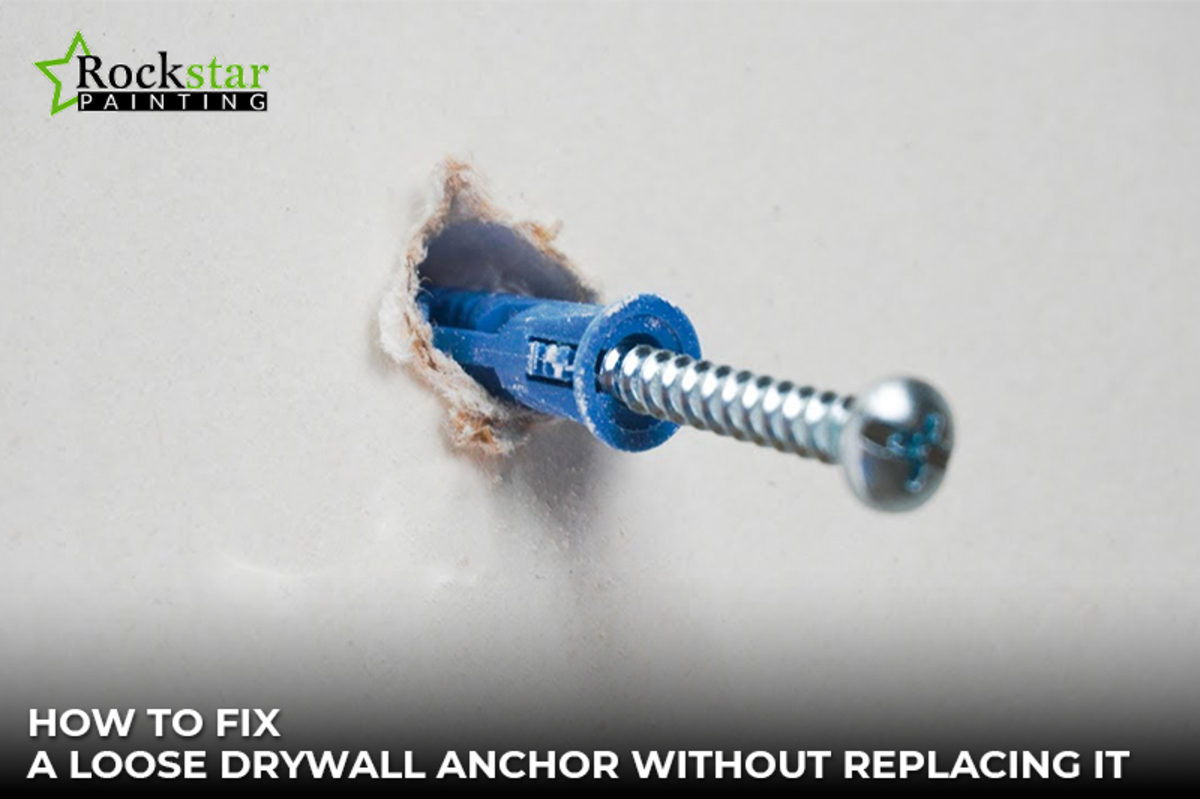
Plastic expansion anchors are simple and common. You drill a hole, push the anchor in, and insert a screw. The anchor expands inside the wall as the screw goes in. This holds the screw firmly. They work best in drywall or plaster.
Toggle Bolts
Toggle bolts have wings that open inside the wall. You insert them through a drilled hole. The wings spread wide behind the wall for strong support. They hold heavy items well. Good for hollow walls or ceilings.
Molly Bolts
Molly bolts are metal anchors that expand inside the wall. You insert them in a drilled hole and tighten the screw. The bolt’s sleeve expands and grips tightly. They work well for medium-weight objects in drywall.
Self-drilling Anchors
Self-drilling anchors do not need pre-drilling. You screw them directly into drywall. The screw then goes into the anchor. They are quick and easy to install. Suitable for light to medium loads.
Credit: rockstarpaintingdenver.com
Common Causes Of Loose Anchors
Loose wall anchors cause frustration and damage. Knowing why anchors become loose helps fix them right. Several common reasons lead to this issue. Identifying the cause is the first step to a secure hold.
Oversized Holes
Holes too big for the anchor reduce grip strength. The anchor can’t expand properly in large holes. This causes the anchor to wobble or slip out. Always match the drill bit size to the anchor size.
Weak Wall Material
Soft or crumbly walls fail to hold anchors firmly. Drywall, plaster, or hollow walls may not support heavy loads. The anchor may pull out easily if the wall is weak. Use anchors designed for specific wall types.
Incorrect Anchor Type
Each anchor type suits certain wall materials and weights. Using the wrong anchor reduces stability. Plastic anchors in drywall may not hold heavy items. Choose anchors made for your wall and load needs.
Wear And Tear
Old anchors lose grip from repeated use or stress. Moving or adjusting anchors can widen holes. Time and vibrations weaken the anchor’s hold. Replace anchors that show signs of damage or looseness.
Tools Needed For Repair
Fixing a loose wall anchor needs a few basic tools. Having the right tools helps make the repair easier and lasts longer. Gather these tools before you start. They help remove old anchors and put new ones in place.
Drill And Bits
A drill is essential to remove or widen holes. Use drill bits that match the size of your wall anchor. They make sure the new anchor fits tight and holds strong.
Screwdriver
A screwdriver is needed to remove and insert screws. Choose a screwdriver that fits your screw head. It gives you better control and avoids damaging the wall or screw.
Wall Putty Or Filler
Wall putty fills gaps and holes left by old anchors. It smooths the wall surface before you paint. Using putty helps the wall look neat and clean after repair.
Sandpaper
Sandpaper smooths the putty once it dries. It creates an even surface for painting or finishing. Use fine grit sandpaper for the best results.
Replacement Anchors
New anchors replace the loose or broken ones. Choose anchors made for your wall type and weight needs. Strong anchors keep your items safe and secure.

Credit: www.youtube.com
Step-by-step Fixes For Loose Anchors
Fixing a loose wall anchor is easier than many think. Follow these clear steps to secure your anchor tightly again. Each step builds on the last to ensure a strong hold. This guide uses simple words and short sentences to make the process clear.
Removing The Old Anchor
Start by pulling the loose anchor from the wall. Use pliers for a better grip. If it does not come out easily, twist it slowly. Avoid damaging the wall around the hole. Clear out any debris left inside the hole.
Filling The Hole
Fill the empty hole with wall filler or spackle. Press the filler in tightly using a putty knife. Smooth the surface to match the wall. Let the filler dry completely before moving on. Drying time varies but usually takes a few hours.
Drilling A New Hole
Mark a new spot close to the old hole. Use a drill bit that matches the new anchor size. Drill straight into the wall carefully. Make sure the hole is clean and free of dust. This helps the new anchor stay firm.
Installing A New Anchor
Push the new anchor into the drilled hole. Tap it gently with a hammer if needed. Insert the screw into the anchor and tighten it slowly. Check that the anchor feels solid and does not move. The wall is now ready to hold your item securely.
Alternative Solutions
Sometimes, a loose wall anchor needs more than a simple fix. You can try different methods to make it stronger and safer. These alternative solutions work well for various wall types and anchor problems. They help keep your items secure without damaging the wall.
Using Larger Anchors
One easy fix is to replace the loose anchor with a bigger one. Larger anchors fill the hole better and hold tight. Measure the hole first to find the right size. Bigger anchors spread the weight more evenly. This reduces the chance of the anchor slipping out again.
Switching Anchor Types
Different anchors work better for different walls. Plastic anchors may not hold well in some walls. Try metal anchors or toggle bolts instead. These types grip the wall stronger and last longer. Choose an anchor type that matches your wall material and weight needs.
Anchoring Into Studs
Finding a stud behind the wall is the best way to secure heavy items. Studs are wooden beams that hold the wall firm. Use a stud finder to locate them easily. Screws anchored into studs hold much better than anchors in drywall. This method gives the strongest support possible.
Using Adhesives For Extra Hold
Adding glue or construction adhesive can help anchors stay tight. Apply the adhesive inside the hole before putting the anchor in. The glue bonds the anchor to the wall for extra strength. Let the adhesive dry fully before adding weight. This trick works well for lightweight to medium loads.

Credit: www.instructables.com
Preventing Future Looseness
Preventing wall anchors from becoming loose saves time and effort. Proper care stops damage to your walls and keeps items secure. Simple steps can make a big difference in anchor stability.
Choosing The Right Anchor
Select anchors based on wall type and weight needs. Drywall, plaster, and concrete require different anchors. Use anchors made for the material you have. Check the weight rating to match the load. This choice prevents slipping and loosening over time.
Proper Installation Techniques
Drill holes carefully, matching the anchor size exactly. Clean out dust before inserting the anchor. Insert anchors straight, avoiding angled placement. Tighten screws just enough to hold firmly. Too much force can damage the anchor or wall.
Regular Inspection
Check anchors every few months for signs of loosening. Look for wobbling screws or gaps around the anchor. Tighten screws gently if needed. Early checks stop small problems from getting worse.
Avoiding Overloading
Know the weight limit of each anchor. Do not hang items heavier than recommended. Spread weight across multiple anchors for heavier objects. Overloading causes anchors to pull out or loosen fast.
Frequently Asked Questions
What Causes A Wall Anchor To Become Loose?
Wall anchors loosen due to improper installation, excessive weight, or wall material deterioration. Overloading anchors stresses the wall, causing instability. Moisture or vibrations can also weaken the anchor’s grip, leading to looseness and reduced holding strength.
How Can I Fix A Loose Wall Anchor Securely?
Remove the loose anchor and use a larger size or toggle anchor. Fill the old hole with wall filler or epoxy before re-drilling. This ensures a tight fit and restores the anchor’s holding power safely and effectively.
Can I Reuse A Loose Wall Anchor?
Reusing a loose anchor is not recommended as it may not hold properly. Instead, replace it with a new anchor suited to the wall type and load requirements for better stability and safety.
What Tools Are Needed To Fix A Loose Wall Anchor?
You’ll need a drill, screwdriver, wall filler or epoxy, and a replacement anchor. Optionally, a putty knife and sandpaper help prepare the hole and smooth the surface before reinstalling the anchor.
Conclusion
Fixing a loose wall anchor is easier than it seems. Start by removing the old anchor carefully. Choose the right size anchor for the hole. Insert the new anchor firmly into the wall. Tighten the screw just enough to hold the item.
Avoid over-tightening to prevent damage. A secure anchor keeps your wall safe and strong. With simple tools and steps, you can do it yourself. No need to call a professional every time. Try these tips and fix loose wall anchors today.
Your walls will thank you.

