Choosing the right deadbolt door lock is more important than you might think. Your home’s safety depends on it.
But with so many options out there, how do you know which one fits your needs? This guide will help you pick the perfect deadbolt lock that keeps your loved ones and valuables secure. By the end, you’ll feel confident making the best choice for your door and peace of mind.
Keep reading—you deserve a lock you can trust.
Types Of Deadbolt Locks
Deadbolt locks are a key part of home security. They come in different types, each designed for specific needs. Knowing these types helps you choose the right lock for your door. Here are the main types of deadbolt locks you should know about.
Single Cylinder Deadbolts
Single cylinder deadbolts have a keyhole on the outside. Inside, they use a thumb turn to lock and unlock. They are common and easy to use. These locks provide good security for doors with no glass nearby. They are simple but effective for most homes.
Double Cylinder Deadbolts
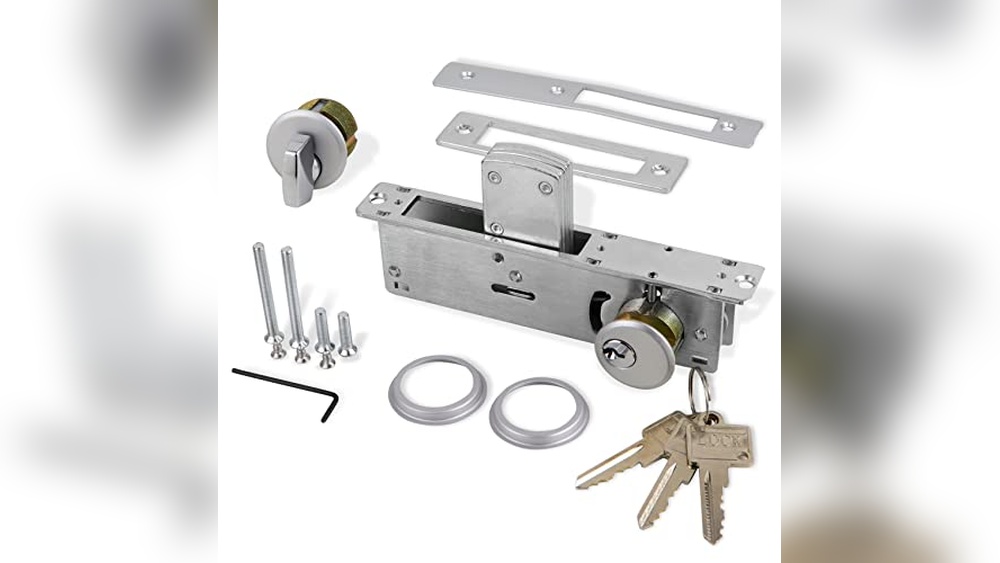
Double cylinder deadbolts need a key on both sides of the door. No thumb turn inside means extra safety. These locks work well for doors with glass panels. They stop intruders from breaking glass and opening the door. But using a key on both sides can be slower in emergencies.
Keyless And Smart Deadbolts
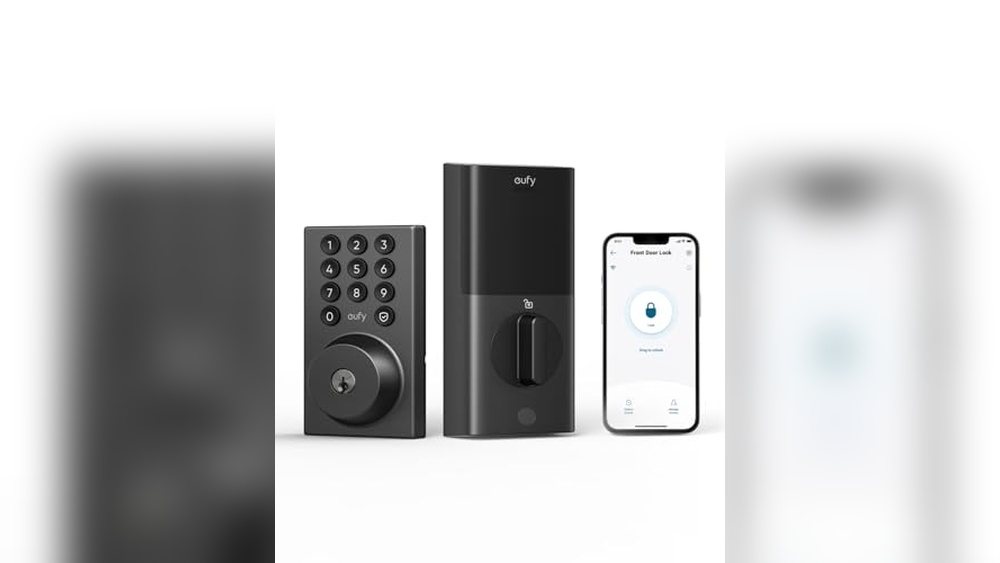
Keyless deadbolts use codes or cards instead of keys. Smart deadbolts connect to your phone or home system. They offer convenience and allow remote control. These locks can alert you when someone enters. They add modern features but need batteries or power to work.
Key Features To Consider
Choosing the right deadbolt door lock means knowing what matters most. Focus on key features that keep your home safe and the lock working well. This guide helps you pick a lock with the best qualities.
Material And Durability
The material of the lock affects its strength and life. Look for locks made from solid brass, steel, or bronze. These materials resist rust and damage. A durable lock lasts longer and keeps your door secure.
Locking Mechanism Strength
Check how strong the locking parts are. Deadbolts with a thick bolt and good internal parts resist force better. Strong mechanisms stop break-ins and give peace of mind. Avoid locks with weak or thin bolts.
Ease Of Installation
Pick a lock that fits your skill level for installation. Some deadbolts come with clear instructions and needed parts. Simple installation saves time and effort. Consider if you want to install it yourself or hire help.
Compatibility With Door Types
Not all locks fit every door. Check if the deadbolt works with your door’s thickness and material. Some locks suit wooden doors, others fit metal or fiberglass. Matching the lock to your door ensures proper fit and function.
Security Ratings And Certifications
Security ratings and certifications help you choose a strong deadbolt lock. They show how well a lock can protect your home. Knowing these ratings makes your choice easier and safer.
Ansi Grading System
The ANSI grading system rates deadbolts by strength and durability. Grades range from 1 to 3, with Grade 1 being the strongest. Grade 1 locks resist heavy use and force attacks. Grade 2 offers good protection for most homes. Grade 3 is basic and less secure. Choose at least Grade 2 for solid security.
Bump And Pick Resistance
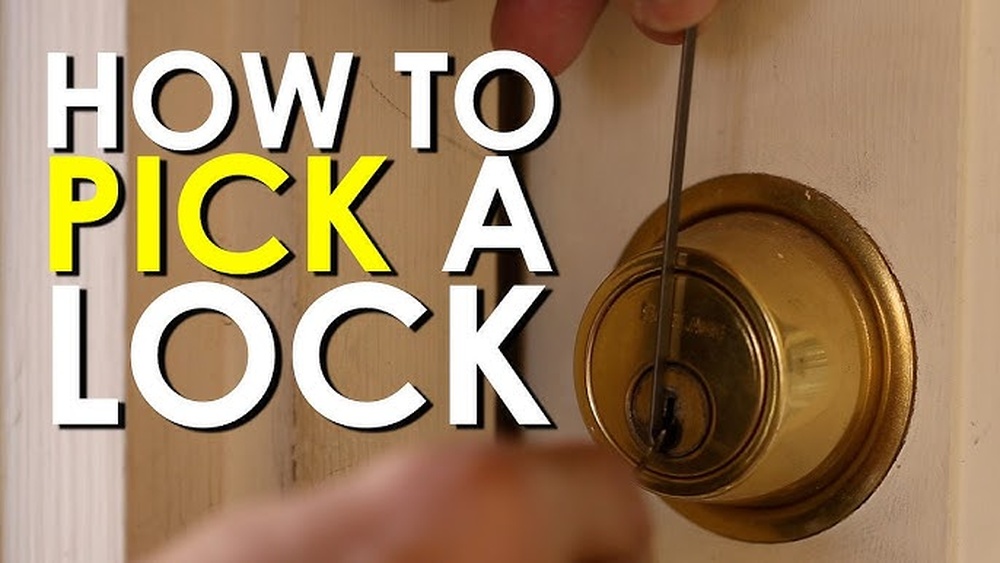
Bump and pick resistance means the lock stops common break-in tricks. Lock bumping uses a special key to open locks quickly. Picking involves manipulating the lock’s pins with tools. High resistance means the lock resists these attacks well. Look for locks labeled “bump-resistant” or “pick-resistant” for better safety.
Weather Resistance
Weather resistance protects the lock from rain, snow, and heat. Outdoor locks face harsh conditions that can damage them. A weather-resistant lock lasts longer and works smoothly. Choose locks with rustproof materials and sealed designs. This keeps your home secure in any weather.
Smart Deadbolts And Technology
Smart deadbolts bring new technology to home security. They offer more than just a lock and key. These locks connect to your phone and let you control who enters your home. You can monitor your door from anywhere. They add convenience and safety in one device.
Connectivity Options
Smart deadbolts connect using Wi-Fi, Bluetooth, or Z-Wave. Wi-Fi allows control from anywhere using your phone. Bluetooth works only when you are close to the door. Z-Wave connects to a home automation hub. Choose a lock that works with your devices.
Access Controls
You can give access to family, friends, or workers. Some locks use codes, keys, or apps for entry. Temporary codes are useful for guests or deliveries. Many locks log who enters and when. This helps you keep track of your home’s security.
Battery Life And Alerts
Smart locks run on batteries that last months. Some show battery status on your phone. Alerts warn you if the battery is low. Other notifications tell you when the door is locked or unlocked. This keeps you informed and your home secure.
Installation Tips
Installing a deadbolt door lock is a task you can do yourself. It improves your home security and peace of mind. Proper installation ensures the lock works smoothly and lasts long. Follow these simple tips to install your deadbolt correctly.
Tools Needed
Gather all tools before you start. You will need a screwdriver, a drill, and drill bits. A tape measure helps with accurate placement. A pencil marks where to drill holes. A chisel may be useful for fitting the lock plate.
Step-by-step Installation
First, measure and mark the door for the lock placement. Drill holes for the lock cylinder and bolt. Insert the lock cylinder into the door. Attach the bolt and secure it with screws. Fit the strike plate on the door frame. Test the lock to ensure it turns smoothly.
Common Mistakes To Avoid
Do not drill holes too large or misaligned. Avoid using the wrong size screws. Do not force parts together; they should fit easily. Check the lock’s alignment before tightening screws. Skipping the test can cause problems later.

Credit: www.wikihow.com
Maintenance And Troubleshooting
Keeping your deadbolt lock in good shape helps protect your home. Regular care stops many problems. Simple checks and fixes save money and time. Learn how to maintain your lock and handle common issues.
Regular Upkeep
Clean the deadbolt with a soft cloth to remove dirt. Avoid using harsh chemicals that can damage the finish. Apply a small amount of lubricant to the keyhole twice a year. Use graphite powder or silicone spray for smooth operation. Test the lock regularly to ensure it turns easily. Tighten loose screws to keep the lock secure.
Handling Jammed Locks
A jammed lock may stop your key from turning. First, check if dirt or rust blocks the keyhole. Spray lubricant into the lock and gently move the key back and forth. Do not force the key to avoid breaking it inside. If the lock still jams, remove it and inspect internal parts. Replace worn or broken components to restore function.
When To Replace Your Deadbolt
Replace the deadbolt if it shows signs of heavy wear. Rust, broken parts, or difficulty locking are clear signs. Upgrading to a newer model improves security and ease of use. Also replace if the lock no longer fits your door properly. Regular checks help you decide when replacement is needed. A well-maintained deadbolt keeps your home safe and secure.
Budgeting For Deadbolt Locks
Choosing the right deadbolt lock means planning your budget carefully. Knowing how much to spend helps you find a lock that fits your needs. It also keeps your home safe without wasting money.
Deadbolt locks come in many price ranges. Each price range offers different features and security levels. Understanding these can guide your purchase.
Price Ranges
Basic deadbolt locks start around $20. These provide standard security for low-risk areas. Mid-range locks cost between $50 and $100. They offer better materials and added features. High-end deadbolts can go beyond $150. These include advanced protection and smart lock options.
Balancing Cost And Security
Spending more does not always mean better security. Focus on locks tested for strength and durability. Choose locks with good reviews and reliable brands. A solid lock at a fair price often beats a costly but weak model.
Consider your home’s security needs. Higher crime areas may require stronger locks. For safer neighborhoods, a basic or mid-range lock might suffice.
Where To Buy
Hardware stores offer a wide range of deadbolt locks. You can see and test locks in person. Online stores provide more options and customer reviews. Compare prices and return policies before buying. Some home improvement centers also have experts to help choose the right lock.

Credit: www.wikihow.com

Credit: lock-picking.wonderhowto.com
Frequently Asked Questions
What Types Of Deadbolt Locks Are Best For Home Security?
Single-cylinder deadbolts are common, using a key outside and a thumb turn inside. Double-cylinder deadbolts require a key on both sides, ideal for doors with glass nearby. Choose based on your door type and security needs for optimal protection.
How Do I Choose A Deadbolt Lock Size?
Measure your door’s thickness and backset before buying. Standard deadbolts fit doors 1-3/8 to 1-3/4 inches thick. Check the lock’s specifications to ensure a proper fit, which is essential for secure installation and smooth operation.
Are Smart Deadbolt Locks More Secure Than Traditional Ones?
Smart deadbolts offer convenience with keyless entry and remote access. They use encryption to prevent hacking but depend on your Wi-Fi security. Traditional deadbolts provide solid mechanical security without tech risks. Choose based on your preference for convenience versus simplicity.
Can I Install A Deadbolt Lock Myself?
Yes, many deadbolts are designed for DIY installation. You need basic tools like a drill and screwdriver. Follow the manufacturer’s instructions carefully. Proper installation is crucial for security, so take time to align and secure the lock correctly.
Conclusion
Choosing the right deadbolt lock keeps your home safe and secure. Consider the lock type, material, and ease of installation. Think about your budget and security needs carefully. A good lock fits your door and lifestyle well. Taking time to decide helps avoid future problems.
Your safety depends on a strong, reliable lock. Stay smart, protect what matters most.