Have you ever stood at your door, key in hand, only to find your deadbolt won’t budge? It’s frustrating, isn’t it?
A stuck deadbolt can leave you feeling locked out or trapped inside, causing unnecessary stress. But don’t worry—you can fix this yourself. You’ll discover simple, effective steps to unstick your deadbolt quickly and safely. Keep reading, and you’ll regain control of your door without needing a locksmith or expensive tools.
Common Causes Of Stuck Deadbolts
Stuck deadbolts cause frustration and delay. Understanding common causes helps fix the problem fast. Various factors affect deadbolt performance, making it hard to turn or open. Explore main reasons deadbolts get stuck and learn what to check first.
Weather Effects
Cold weather can cause metal parts to shrink. Moisture from rain or snow makes the lock swell. Freezing temperatures may freeze internal components. These changes stop the deadbolt from moving smoothly.
Misalignment Issues
Doors and frames shift over time. The deadbolt may not line up with the strike plate. This misalignment blocks the bolt from entering the hole. It creates resistance when turning the key or knob.
Rust And Dirt Buildup
Rust forms on metal parts in damp areas. Dirt and dust collect inside the lock. These build-ups clog the mechanism. The deadbolt becomes stiff and hard to operate.
Worn Out Components
Frequent use wears down springs and pins inside. Parts may become loose or broken. Worn components fail to work properly. This failure causes the deadbolt to stick or jam.

Credit: www.reddit.com
Tools You’ll Need
Fixing a stuck deadbolt needs the right tools. Having these tools ready makes the job easier and faster. You don’t need many items. Just a few simple tools will help you unstick your deadbolt safely. Here are the tools you’ll need.
Lubricants
Lubricants help the deadbolt move smoothly. Use a graphite powder or silicone spray. Avoid oil-based lubricants as they attract dirt. Spray or apply the lubricant inside the keyhole and on the bolt. This reduces friction and can free a stuck deadbolt quickly.
Screwdrivers
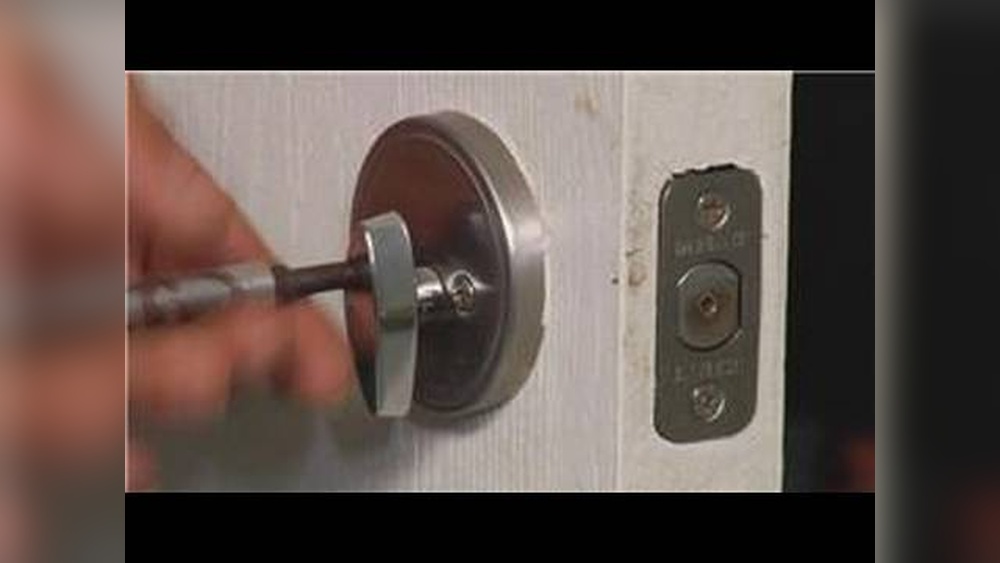
Screwdrivers help remove the lock’s faceplate or tighten screws. A Phillips head and flathead screwdriver are usually enough. Use the right size to avoid damaging screws. Removing the lock parts helps check for internal jams or broken pieces.
Cleaning Supplies
Cleaning supplies remove dirt and debris inside the lock. Use cotton swabs, a soft brush, and a cloth. Clean the keyhole and bolt area carefully. Dirt buildup often causes the deadbolt to stick.
Replacement Parts
Sometimes parts inside the deadbolt wear out. Keep extra screws, springs, or a new deadbolt kit ready. Replacing broken parts can fix the problem. Check the lock’s condition before starting repairs.
Quick Fixes To Unstick A Deadbolt
Deadbolts can get stuck for many reasons. Quick fixes help solve the problem fast. These simple steps restore smooth locking and unlocking. Save time and avoid calling a locksmith.
Lubricate The Lock
Use a graphite or silicone spray to lubricate the lock. Avoid oil-based products that attract dirt. Spray inside the keyhole and on the bolt. Turn the key several times to spread lubricant. This reduces friction and helps the deadbolt move easily.
Realign The Strike Plate
Check if the strike plate on the door frame is misaligned. A misaligned plate blocks the bolt from sliding in smoothly. Loosen the screws and adjust the plate up or down. Tighten the screws once the bolt fits well. This alignment lets the deadbolt lock without sticking.
Clean The Lock Mechanism
Dirt and dust can clog the lock mechanism. Use a can of compressed air to blow out debris. Insert the nozzle into the keyhole and spray briefly. Wipe the outside of the lock with a clean cloth. Clean parts move smoothly and prevent sticking.
Tighten Loose Screws
Loose screws can cause the deadbolt to stick or misalign. Check all screws on the lock and door frame. Use a screwdriver to tighten any loose ones. Firm screws keep the lock steady and working right. This simple step often fixes sticking issues.

Credit: www.youtube.com
When To Replace Your Deadbolt
Knowing when to replace your deadbolt can save you time and frustration. A stuck deadbolt may seem like a small issue. Yet, it can signal bigger problems. Sometimes repair is not enough. Replacement becomes the safer, smarter choice. Understanding the signs helps you decide quickly.
Signs Of Severe Damage
Look for rust on the deadbolt. Rust weakens the metal parts inside. Check if the bolt moves unevenly. Sticking or jamming often means internal damage. Broken keys or a cracked lock face also show damage. These signs mean the deadbolt may fail soon.
Upgrading For Security
Old deadbolts may not protect well anymore. New locks offer better strength and features. Choose a deadbolt with a higher security rating. Some models resist picking or drilling. Upgrading can give your home stronger defense. It also brings peace of mind.
Choosing The Right Replacement
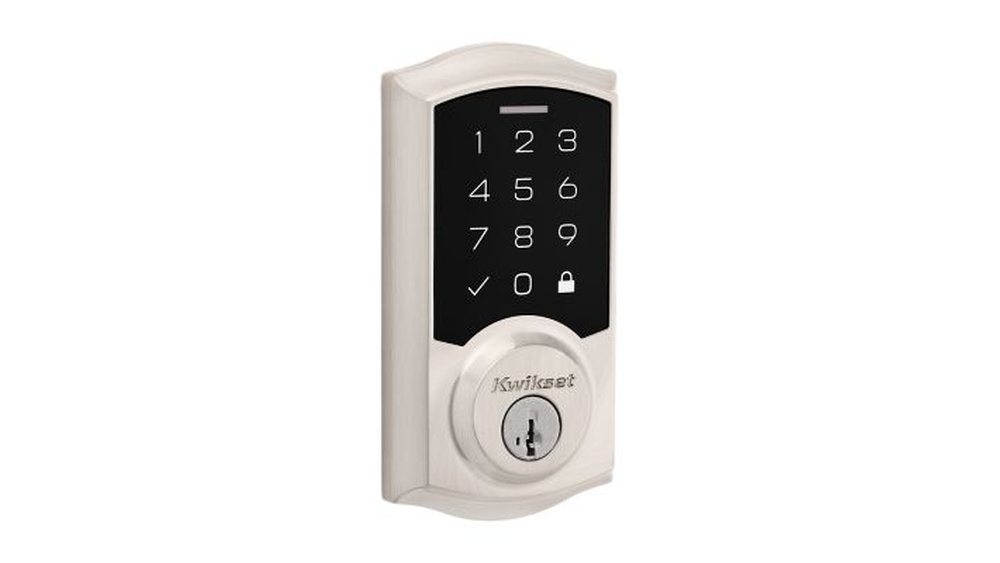
Measure your current lock before buying a new one. Pick a deadbolt that fits your door thickness. Consider a lock with easy installation steps. Look for models with good reviews and warranty. Choose a trusted brand for reliability and durability.
Preventing Future Sticking
Preventing your deadbolt from sticking saves time and avoids frustration. Small steps keep it working smoothly. These steps protect the lock from dirt, rust, and damage. A little care now helps avoid bigger problems later.
Regular Maintenance Tips
Clean the deadbolt regularly with a soft cloth. Remove dust and dirt that build up. Use a lubricant made for locks, not oil or grease. Apply it to the keyhole and moving parts. Turn the key several times to spread the lubricant inside. This keeps the lock moving smoothly.
Weatherproofing Your Lock
Protect the deadbolt from rain, snow, and extreme heat. Install a lock cover or shield if possible. Check weather seals on doors to stop water from reaching the lock. Use rust-resistant locks if you live in a wet climate. Weatherproofing helps the lock last longer and work better.
Routine Inspection Checklist
Check your deadbolt each month for any problems. Look for rust, dirt, or loose screws. Test the key to see if it turns easily. Listen for strange sounds when locking or unlocking. Tighten any loose parts to keep the lock stable. Early checks catch issues before they get worse.

Credit: www.youtube.com
Frequently Asked Questions
How Can I Safely Unstick A Deadbolt Lock?
To unstick a deadbolt, first apply lubricant like WD-40 to the keyhole and bolt. Gently jiggle the key while turning. Avoid forcing it to prevent damage. If stuck persists, check alignment or call a locksmith.
What Causes A Deadbolt To Get Stuck?
Deadbolts get stuck due to dirt buildup, rust, or misalignment. Weather changes can cause metal to expand or contract. Lack of lubrication also leads to stiffness. Regular maintenance prevents these issues and ensures smooth locking.
Can I Fix A Stuck Deadbolt Without Tools?
Yes, you can try lubricating the lock with graphite powder or silicone spray. Avoid oil-based lubricants as they attract dust. Gently wiggle the key while applying pressure. If unsuccessful, minor adjustments might need tools.
How Do I Prevent My Deadbolt From Sticking Again?
Regularly clean and lubricate your deadbolt every six months. Use graphite powder or silicone spray for smooth operation. Check door alignment and tighten loose screws. Proper maintenance prolongs lock life and prevents sticking issues.
Conclusion
A stuck deadbolt can cause real trouble at home. Small fixes often solve the problem quickly. Try cleaning and lubricating the lock first. Tighten screws and check the alignment of the door. If the deadbolt still sticks, consider calling a locksmith.
Taking action early saves time and stress later. A smooth deadbolt keeps your home safe and easy to enter. Simple steps can make a big difference in lock performance. Don’t ignore a stuck deadbolt; fix it soon.