Are you tired of cluttered walls and looking for a simple way to hang your favorite items? Knowing how to install a hook in the wall can change the way you organize your space.
Whether it’s for keys, coats, or decorative pieces, a well-placed hook makes your room look neat and stylish. In this guide, you’ll discover easy steps to get the job done right—no confusion, no mess. Ready to transform your wall and keep your things within reach?
Let’s dive in and make your space work better for you.

Credit: www.wikihow.com
Choosing The Right Hook
Choosing the right hook for your wall is important. The hook must hold your item safely and fit the wall type. Picking the wrong hook can cause damage or make the hook fall. This guide helps you select a hook that works well for your needs.
Types Of Hooks
Hooks come in many shapes and sizes. Some hooks have adhesive backs for light items. Others use screws for heavy objects. Cup hooks hold mugs and small tools. Picture hooks are designed to hang frames. Choose the type that matches what you want to hang.
Weight Capacity
Every hook has a weight limit. Check the package or label for maximum weight. Use heavier-duty hooks for heavy items like shelves or coats. Light hooks work for keys or small decorations. Always choose a hook that can hold more than your item weighs.
Material Considerations
Hooks are made from metal, plastic, or wood. Metal hooks are strong and long-lasting. Plastic hooks are good for light items and easy to remove. Wooden hooks add a natural look but may not hold heavy weight. Pick a material that fits your style and strength needs.

Credit: www.wikihow.com
Tools And Materials Needed
Installing a hook on the wall requires the right tools and materials. These help make the job easier and safer. Preparing well saves time and avoids mistakes. Gather everything before starting.
Essential Tools
You need a drill for making holes. A screwdriver helps fix screws tightly. A hammer is useful for small nails or anchors. Use a tape measure to mark the exact spot. A pencil helps mark where to drill. A level keeps the hook straight.
Safety Gear
Wear safety goggles to protect your eyes. Gloves protect your hands from sharp edges. Dust masks prevent inhaling dust while drilling. Proper safety gear keeps you safe during the work.
Preparing The Workspace
Clear the area around the wall space. Remove furniture and objects that may block you. Cover the floor with a cloth to catch dust. Good lighting helps see better while working. A clean workspace helps you focus and work fast.
Locating The Best Spot
Finding the right spot on the wall is important for a strong hook. The right place keeps your items safe and prevents damage to the wall. You need to know what kind of wall you have and where the solid parts are. This guide helps you locate the best spot for your hook.
Stud Vs. Drywall
Walls have studs and drywall. Studs are wooden or metal frames inside the wall. Drywall is the flat surface you see. Hooks hold better when attached to studs. Drywall alone may not hold heavy items well. Knowing the difference helps you choose the best spot.
Marking The Position
After finding a good spot, mark it lightly with a pencil. The mark shows where to drill or nail. Use a level to keep the mark straight. Marking helps avoid mistakes and keeps the hook in the right place.
Using A Stud Finder
A stud finder is a tool that finds studs behind the wall. Move it slowly along the wall. It beeps or lights up when it finds a stud. Mark the stud edges to know the center. This tool makes finding the best spot easier and more accurate.
Preparing The Wall
Preparing the wall is the first step to install a hook securely. It ensures the hook holds well and lasts long. Taking time to prepare the wall properly avoids damage and keeps things neat.
Cleaning The Surface
Start by cleaning the wall where the hook will go. Use a cloth to remove dust and dirt. A clean surface helps the hook stick better and prevents slipping. Avoid using water on drywall as it can cause damage.
Drilling Pilot Holes
Mark the spot for the hook. Use a small drill bit to make pilot holes. These holes guide screws and prevent the wall from cracking. Drill straight and do not push too hard to avoid damage.
Handling Different Wall Types
Walls differ. Drywall, plaster, brick, and concrete need different tools and anchors. Drywall needs anchors to hold screws tight. Brick or concrete require a masonry bit and anchors. Choose the right method for your wall type.
Installing The Hook
Installing a hook on the wall is a simple task that anyone can do. The right hook can hold pictures, keys, or even heavier items. This section guides you through the proper steps to install a hook securely. Follow these instructions for a stable and lasting setup.
Screwing In The Hook
Start by marking the spot on the wall where the hook will go. Use a pencil to make a small dot. Hold the hook against the wall and align it with the mark. Turn the screw into the wall slowly. Use a screwdriver for a tight fit. Stop turning when the hook feels secure. Avoid over-tightening to prevent damage.
Using Anchors For Support
For drywall or hollow walls, use anchors for extra strength. First, drill a small hole at the marked spot. Insert the anchor into the hole gently. Push it until it is flush with the wall. Then, screw the hook into the anchor. Anchors help the hook hold heavy items safely. They stop the hook from pulling out easily.
Ensuring Stability
Check the hook’s stability by gently pulling on it. It should not wiggle or move. Tighten the screw more if needed. For heavier objects, test the hook with a little weight first. If the hook feels loose, use a bigger anchor or screw. Proper stability keeps items safe and prevents wall damage.

Credit: lelloliving.com
Testing And Adjustments
Testing and adjusting the hook after installation is important. It ensures the hook holds well and does not damage the wall. This step helps you avoid accidents and keeps your wall safe. Check the strength and fit of the hook carefully. Make changes if needed to improve stability and safety.
Weight Testing
Test the hook by hanging items with a similar weight. Start with light objects and slowly add heavier ones. Watch for any signs of bending or loosening. If the hook stays firm, it is ready to use. Weight testing shows if the hook can handle everyday use safely.
Making Adjustments
Adjust the hook position if it feels loose or crooked. Tighten screws or nails to secure the hook better. Use a level tool to keep it straight. If the hook pulls away from the wall, remove it and try a different spot. Small changes improve hook strength and appearance.
Preventing Damage
Avoid overloading the hook beyond its weight limit. Use hooks made for your wall type to prevent holes or cracks. Place a wall anchor for extra support on drywall. Check the hook regularly for wear or damage. Proper care keeps your wall and hook safe for a long time.
Tips For Perfect Hanging
Hanging hooks on walls looks simple but needs careful steps. Perfect hanging makes your space neat and safe. Follow these tips to hang hooks correctly. They help your items stay secure and your walls stay undamaged.
Leveling Items
Use a small level tool to check your hook’s position. Hold the level on top of the hook before fixing it. Adjust the hook until the bubble is in the center. This step keeps your items from tilting or falling.
Spacing Multiple Hooks
Measure the distance between hooks for even spacing. Mark spots lightly with a pencil. Keep enough space to avoid crowding your items. Proper spacing helps your wall look tidy and balanced.
Maintaining Wall Integrity
Use the right type of anchor for your wall material. Avoid heavy hooks on weak drywall without support. Drill small pilot holes to prevent wall cracks. Fill holes properly if you remove hooks later. These steps protect your walls and keep them strong.
Frequently Asked Questions
What Tools Are Needed To Install A Wall Hook?
You need a drill, screwdriver, wall anchors, screws, and a pencil. These tools ensure secure and accurate hook installation on various walls.
How Do I Choose The Right Hook For My Wall?
Consider wall type, hook weight capacity, and hook design. Choose hooks suitable for drywall, plaster, or concrete to avoid damage.
Can I Install Hooks On Drywall Without Anchors?
Small hooks may hold on drywall alone, but anchors provide better support. Using anchors prevents hooks from pulling out under weight.
How High Should I Install A Wall Hook?
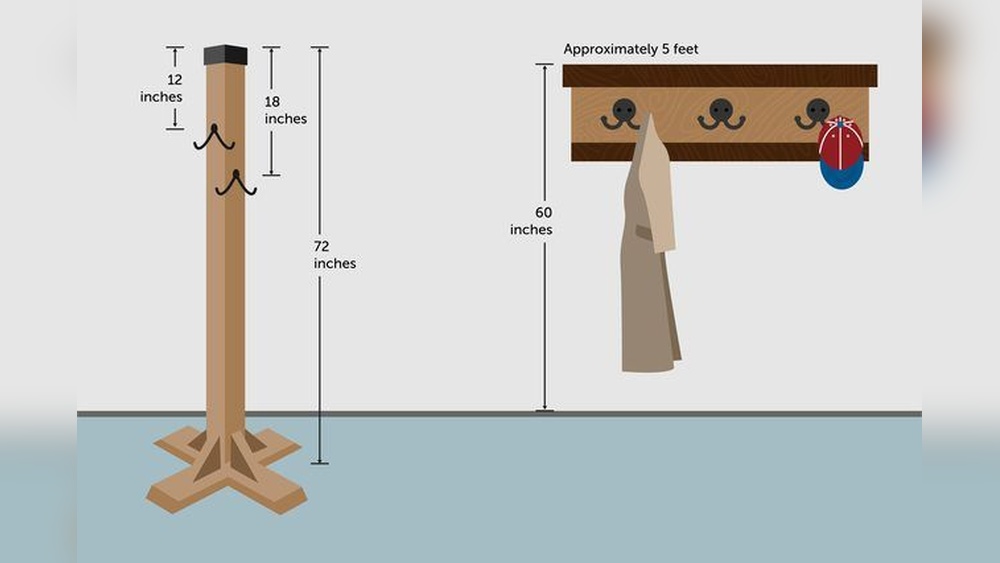
Install hooks at eye level or convenient height for easy access. Adjust height based on the hook’s intended use and user preference.
Conclusion
Installing a hook in the wall is easy with the right steps. Choose the right hook for your wall type. Use the proper tools to avoid damage. Mark the spot clearly before drilling or nailing. Secure the hook tightly to hold weight safely.
Check the hook’s stability before hanging items. This simple task can help organize your space better. Follow these tips and you will do it right every time.