Are you looking to hang something sturdy on your concrete wall but don’t know where to start? Putting hooks into concrete might seem tricky, but with the right steps, you can do it yourself quickly and safely.
Imagine being able to hang shelves, pictures, or tools exactly where you want without worrying about them falling down. In this guide, you’ll discover simple tips and clear instructions that make the whole process easy to follow. Keep reading, and you’ll learn how to get strong, reliable hooks in your concrete walls every time.

Credit: www.amazon.com
Choosing The Right Hooks
Choosing the right hooks for concrete walls is important for safety and durability. The right hook ensures your items stay secure and the wall stays undamaged. Several factors affect your choice, including the type of hook, its material, and how much weight it can hold.
Types Of Hooks For Concrete
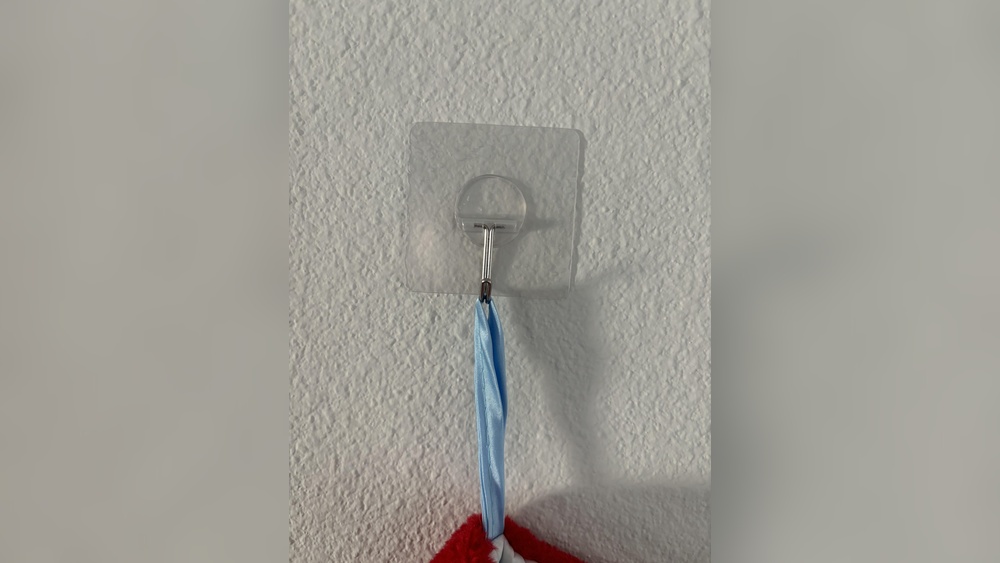
There are many types of hooks designed for concrete walls. Expansion hooks spread out inside the hole to hold tight. Screw hooks have threads that grip the concrete. Adhesive hooks use strong glue for light loads. Choose the type based on what you want to hang and the wall’s condition.
Materials And Coatings
Hooks come in different materials like steel, stainless steel, and plastic. Steel hooks are strong but can rust over time. Stainless steel resists rust and lasts longer. Some hooks have coatings to protect against moisture and corrosion. Pick a material that suits your wall environment, especially in damp places.
Load Capacity Considerations
Each hook has a load capacity limit. This tells how much weight it can safely hold. Check the hook’s label for this information. Overloading a hook can cause damage or accidents. Match the hook’s strength with the weight of the item you want to hang. Always choose a hook with a higher capacity than your item’s weight.

Credit: www.wikihow.com
Tools And Materials Needed
Putting hooks in concrete walls needs the right tools and materials. These ensure the hooks hold tightly and stay safe. Preparing everything before starting saves time and effort. Below are the key tools and materials required for the job.
Drill And Drill Bits
A powerful drill is essential to make holes in concrete. Use a hammer drill for best results. Choose drill bits designed for masonry work. These bits can break through concrete without damage. Pick the right size bit to match the hook anchors.
Anchors And Fasteners
Anchors hold hooks firmly in the wall. Use plastic or metal anchors made for concrete. Match anchors to the hook size and weight load. Fasteners like screws or bolts fit into the anchors. They keep the hook secure and stable.
Safety Gear
Wear safety glasses to protect eyes from dust and debris. Use ear protection to reduce noise from drilling. Gloves protect hands from sharp edges and rough surfaces. A dust mask stops you from breathing concrete dust.
Preparing The Wall
Preparing the wall properly is a key step before putting hooks in concrete. This step helps ensure the hooks hold firmly and last long. Taking time to prepare the wall reduces mistakes and makes the task easier.
Locating The Drill Spot
First, find the exact spot where you want to place the hook. Choose a solid part of the wall without cracks. Avoid areas near edges or corners for better strength.
Use a stud finder or tap the wall gently to check for hollow spots. Mark the spot lightly with a pencil to guide your drilling.
Marking And Measuring
Measure carefully to keep hooks level and evenly spaced. Use a tape measure and a spirit level for accuracy. Mark each drill point clearly with a pencil.
Double-check measurements before drilling to avoid errors. Precise marking helps hooks look neat and work well.
Cleaning The Surface
Clear dust, dirt, and loose debris from the wall surface. Use a brush or cloth to wipe the area clean. A clean surface improves drill bit grip and anchor hold.
Remove any paint flakes or grease as they can weaken the hook’s hold. Let the wall dry fully before drilling.
Drilling Into Concrete
Drilling into concrete walls is a key step to hang hooks securely. Concrete is hard and dense. It needs the right tools and care. Using the correct drill bit and proper technique makes the job easier. Avoiding mistakes helps protect your wall and drill.
Choosing The Right Drill Bit
Select a masonry drill bit for concrete. These bits have a special tip to cut through hard surfaces. Pick the right size based on your hook or anchor. Using a smaller bit can cause loose holes. A larger bit might make the hook unstable. Check your drill bit for wear before starting.
Drilling Techniques
Mark the spot clearly. Use a hammer drill if possible. Start drilling slowly to create a guide hole. Increase speed once the bit grips the concrete. Keep the drill straight to avoid angled holes. Pause often to remove dust from the hole. This keeps the drill cool and working well.
Avoiding Common Mistakes
Do not force the drill too hard. This can break the bit or damage the wall. Avoid drilling without a mask; concrete dust is harmful. Always wear safety glasses to protect your eyes. Do not drill too deep; match the hole depth with your anchor. Check for wires or pipes behind the wall before drilling.
Installing Anchors
Installing anchors in concrete walls is important for strong and safe hook placement. Anchors help hold hooks firmly in place. This process needs careful steps to ensure the hooks stay secure over time.
Choosing the right anchor and installing it correctly helps prevent damage to the wall. It also supports the weight of the items you hang. The following sections explain the types of anchors, how to insert them, and how to check their stability.
Types Of Anchors
There are several types of anchors for concrete walls. Expansion anchors expand inside the hole for a tight fit. Sleeve anchors use a sleeve that grips the wall when tightened. Wedge anchors work by wedging tightly in the drilled hole. Plastic anchors are good for light loads and easy to install.
Each type fits different weights and wall conditions. Pick one that matches your hook size and the load it will carry.
Inserting And Securing Anchors
Start by drilling a hole in the concrete using a hammer drill. The hole size should match the anchor diameter. Clean the hole from dust for better grip. Insert the anchor into the hole until it is flush with the wall. Tighten the bolt or screw to expand or secure the anchor.
Do not overtighten. This can damage the anchor or wall. Follow the anchor instructions for the right tightness.
Checking Stability
After installing the anchor, test its stability. Gently pull or wiggle the hook to see if it moves. The anchor should not shift or feel loose. If it does, remove it and try again with a new anchor or a larger hole.
Checking stability ensures safety and prevents accidents from falling hooks or items.
Attaching Hooks
Attaching hooks to concrete walls is a practical way to hang items securely. Choosing the right hook and installing it correctly ensures safety and durability. The process involves selecting the type of hook, tightening it properly, and testing its strength.
Screw-in Hooks Vs. Bolt Hooks
Screw-in hooks are simple to install and work well for light loads. You drill a pilot hole first, then twist the hook into the wall. They grip the concrete by threading into the hole.
Bolt hooks offer stronger support and hold heavier objects. They require a drilled hole and a bolt anchor inserted into the wall. The hook then attaches to the bolt, giving extra strength.
Tightening For Maximum Hold
Tighten the hook firmly but avoid over-tightening. Excessive force can damage the concrete or strip the threads. Use a wrench or pliers to secure bolt hooks properly. Check that the hook feels stable and does not move.
Testing Hook Strength
Test the hook’s hold by gently pulling down on it. Start with light pressure, then increase gradually. The hook should not shift or come loose. If it moves, retighten or choose a stronger hook type. Safety depends on a secure attachment.
Maintenance And Safety Tips
Maintaining hooks in concrete walls is key to safe use and long life. Regular checks and proper care stop accidents and keep hooks strong. Follow safety tips to protect yourself and your walls.
Regular Inspection
Check hooks often for signs of damage or rust. Look closely at the hook and the wall around it. Catch problems early to avoid bigger repairs later. Use a flashlight to see cracks or loose parts clearly.
Dealing With Loose Hooks
If a hook feels loose, tighten it right away. Remove the hook and clean the hole before reattaching. Use a stronger anchor if needed. Do not use hooks that wobble or move under pressure.
Weight Limits And Usage
Know the weight limits of your hooks. Do not hang items heavier than recommended. Overloading can break hooks and damage walls. Use multiple hooks for heavy objects to spread the weight evenly.
Credit: www.youtube.com
Frequently Asked Questions
How Do I Drill Holes In Concrete Walls?
Use a hammer drill with a masonry bit for best results. Mark the spot, drill slowly, and clean debris before inserting anchors.
What Type Of Hooks Work Best On Concrete?
Use heavy-duty concrete hooks or screw-in anchors. These provide strong support and prevent damage to the wall.
Can I Hang Heavy Items On Concrete Hooks?
Yes, but ensure you use appropriate anchors and hooks rated for the item’s weight to avoid accidents.
Do I Need Special Tools To Install Hooks In Concrete?
Yes, a hammer drill and masonry bit are essential. Standard drills may not penetrate concrete properly.
Conclusion
Putting hooks in concrete walls takes some care and the right steps. Start by choosing the correct hooks and tools. Drill holes carefully to avoid cracking the wall. Secure hooks tightly to hold weight safely. This simple process helps hang items firmly and keeps walls strong.
With practice, the task becomes quick and easy. Trust your skills and follow these tips for best results.