Have you ever tried to hang something on a plaster wall, only to have it fall down? It’s frustrating, right?
Plaster walls are different from drywall, and using the wrong method can leave your shelves, pictures, or mirrors unsecured. But don’t worry—you’re about to learn exactly how to anchor in a plaster wall the right way. Once you know the simple steps, you’ll be able to hang your items safely and confidently.
Keep reading, and say goodbye to worries about damaged walls or falling decorations.
Types Of Plaster Walls
Preparing the wall is the first step to secure anchors in plaster. This step ensures the anchors hold firmly and avoid damage. Proper preparation makes the whole process easier and safer.
Locating Studs
Studs are the wooden frames behind plaster walls. Anchoring into studs gives strong support. Use a stud finder to locate these studs. Move the finder slowly along the wall. Mark the edges of the stud for accuracy.
Marking Anchor Points
Mark the spots where you want to place anchors. Use a pencil to make small, clear marks. Check the marks to avoid placing anchors too close together. Keep marks level and spaced properly for balance.
Drilling Pilot Holes
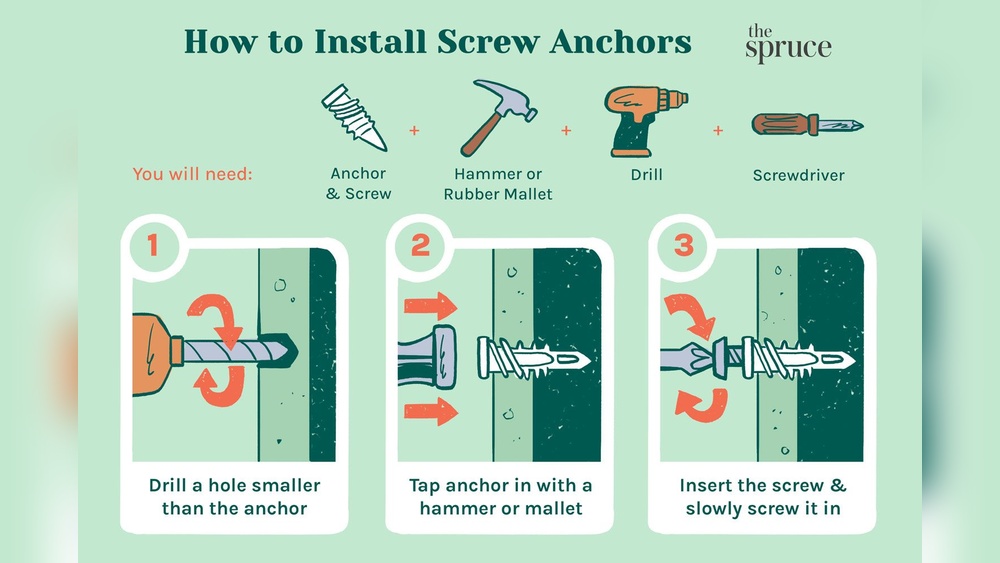
Drill small pilot holes at the marked spots. Use a drill bit smaller than the anchor size. Pilot holes help guide the anchor and prevent plaster cracking. Drill slowly and gently through the plaster.

Credit: abutterflyhouse.com
Choosing The Right Anchor
Securing the fixture to a plaster wall needs care and attention. Proper steps prevent damage and keep your object safe. Each part of the process helps the fixture stay strong and steady. Follow these simple steps to ensure a solid hold.
Aligning The Object
Place the fixture where you want it on the wall. Use a level to make sure it is straight. Mark the spots where screws will go. Correct alignment stops the fixture from hanging unevenly or falling.
Driving Screws Correctly
Choose the right type of screw for plaster walls. Start screws slowly to avoid cracking the plaster. Use a drill or screwdriver to drive screws in gently. Do not force screws too hard. This keeps the wall intact and the anchor tight.
Checking Stability
After fixing, gently push or pull the object. It should not move or wobble. If it does, tighten screws carefully or add stronger anchors. Confirm the fixture feels secure before finishing your work. This step ensures safety and durability.
Tools And Materials Needed
Strong support is key when anchoring in a plaster wall. It keeps items secure and prevents damage. Follow simple tips to ensure your anchors hold firm and last long.
Avoiding Over-tightening
Do not tighten screws too much. Over-tightening can crack plaster around the anchor. Turn the screw slowly and stop when it feels snug. This keeps the wall safe and the anchor strong.
Distributing Weight Evenly
Spread the weight across more than one anchor. Use multiple anchors for heavy items. This helps avoid stress on one spot. Even weight stops plaster from breaking or falling.
Regular Inspection
Check your anchors often. Look for cracks or looseness in the plaster. Tighten screws slightly if needed. Fix or replace anchors showing damage quickly to keep support strong.

Credit: www.youtube.com
Preparing The Wall
Anchoring in plaster walls requires careful steps. Many people make mistakes that weaken the hold. These errors cause damage and waste time. Avoiding them helps secure your fixtures safely and easily.
Ignoring Wall Type
Plaster walls are different from drywall or concrete. Each needs a specific anchor type. Using the wrong method can cause cracks or loose fittings. Always check if your wall is plaster before drilling.
Using Wrong Anchors
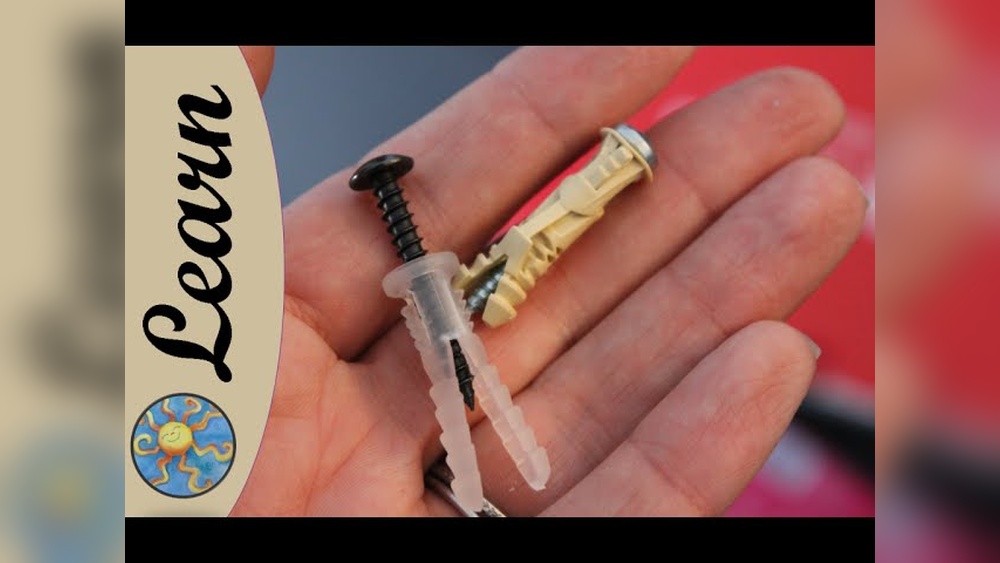
Not all anchors fit plaster walls. Some are for drywall or brick only. Using the wrong anchor leads to poor grip and wall damage. Choose anchors made for plaster to get strong support.
Skipping Pilot Holes
Drilling without a pilot hole risks cracking the plaster. A pilot hole is a small guide hole for the anchor. It makes inserting easier and keeps the wall intact. Always drill a pilot hole before placing the anchor.
Credit: www.ashanging.com
Frequently Asked Questions
What Tools Are Needed To Anchor In A Plaster Wall?
You need a drill, masonry bit, anchors, screws, screwdriver, and a hammer. These tools help create secure holes and firmly fix anchors into the plaster wall.
How Do I Choose The Right Anchor For Plaster Walls?
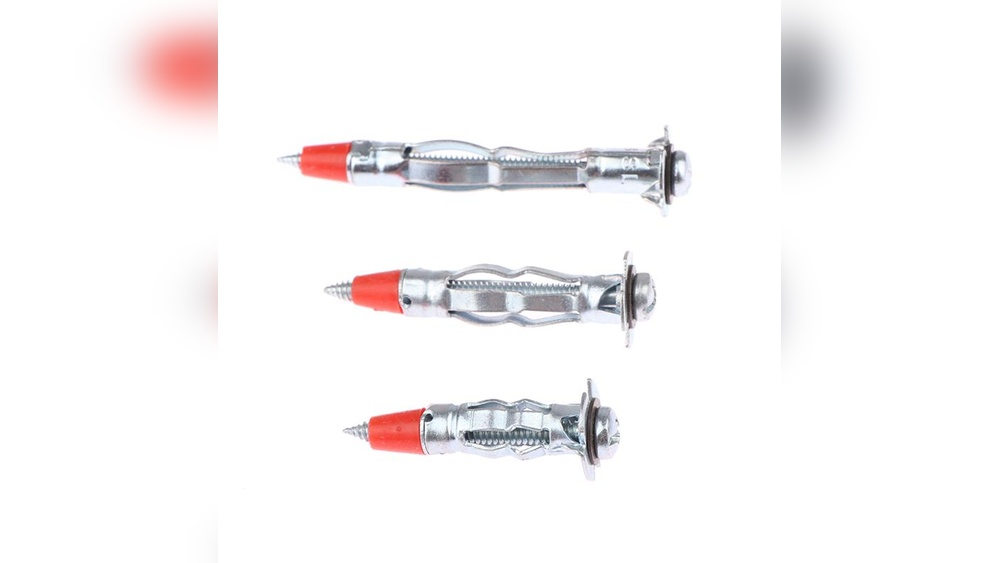
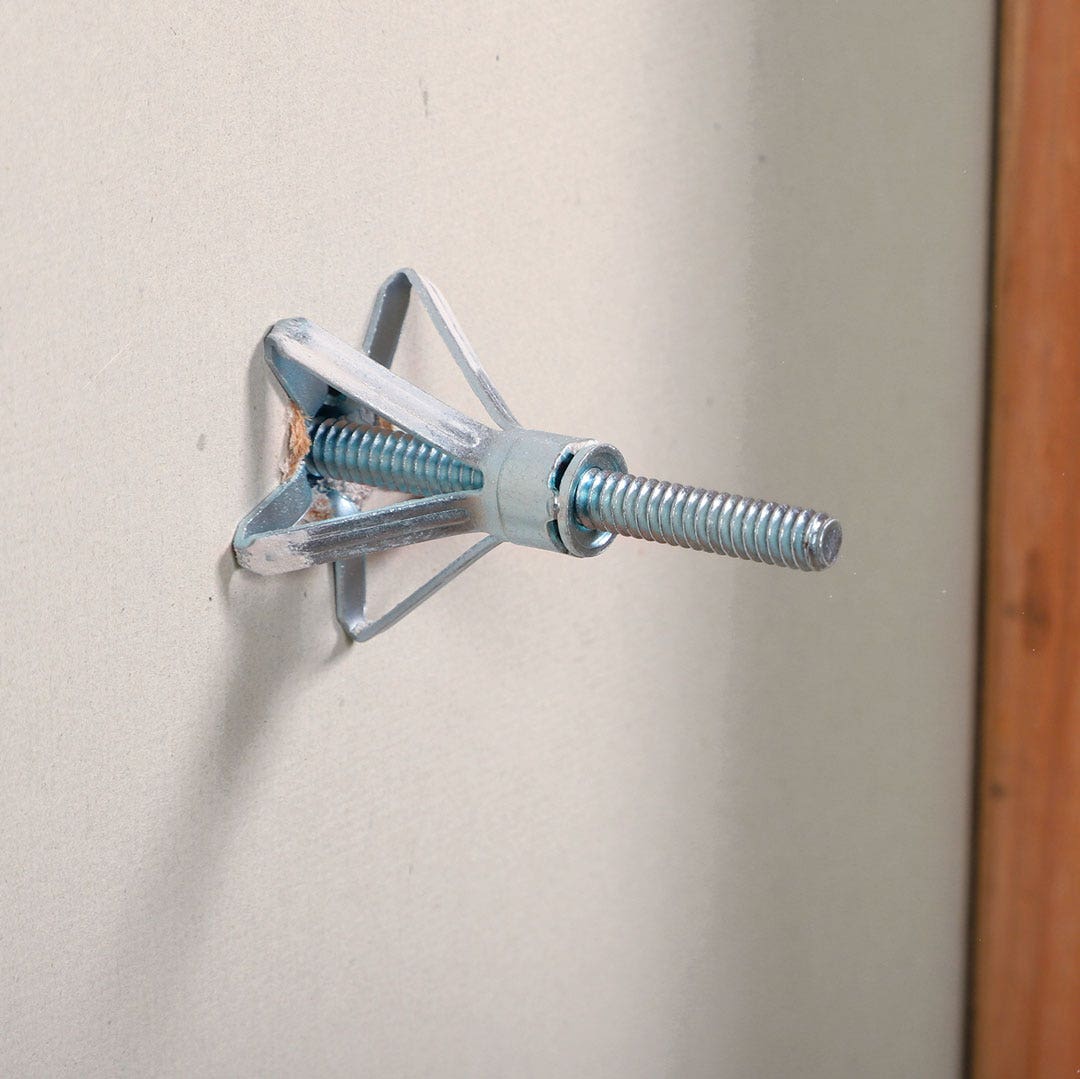
Select anchors designed for plaster or drywall, such as toggle bolts or molly bolts. Choose based on the wall’s thickness and the weight of the item you’re hanging.
Can I Anchor Heavy Items On Plaster Walls Safely?
Yes, but use heavy-duty anchors like toggle bolts. Ensure the anchor supports the item’s weight and always drill carefully to avoid cracking the plaster.
How Deep Should I Drill Holes For Plaster Anchors?
Drill holes slightly deeper than the anchor length. This ensures the anchor fits fully inside the wall, providing a secure hold without damaging the plaster.
Conclusion
Anchoring in a plaster wall needs care and the right tools. Choose the correct anchors to avoid wall damage. Drill holes carefully to keep the plaster intact. Tighten screws gently to hold items firmly. These simple steps help your fixtures stay safe and secure.
Practice patience and take your time for the best results. Now, you can hang things on plaster walls with confidence.