Are you tired of clutter taking over your garage? Imagine having a neat, organized space where every tool and item has its place—right on your walls.
Putting hooks in drywall might sound tricky, but with the right steps, you can do it yourself quickly and securely. In this guide, you’ll learn exactly how to install hooks that hold up heavy gear without damaging your walls. Keep reading, and you’ll discover simple tips that make your garage a clean, functional space you’ll love to use.
Choosing The Right Hooks
Choosing the right hooks for drywall in your garage is important. The hooks must hold your tools and other items safely. Using the wrong hooks can cause damage to the wall or make your items fall. Picking hooks that match your needs makes your garage organized and secure.
Types Of Hooks For Drywall
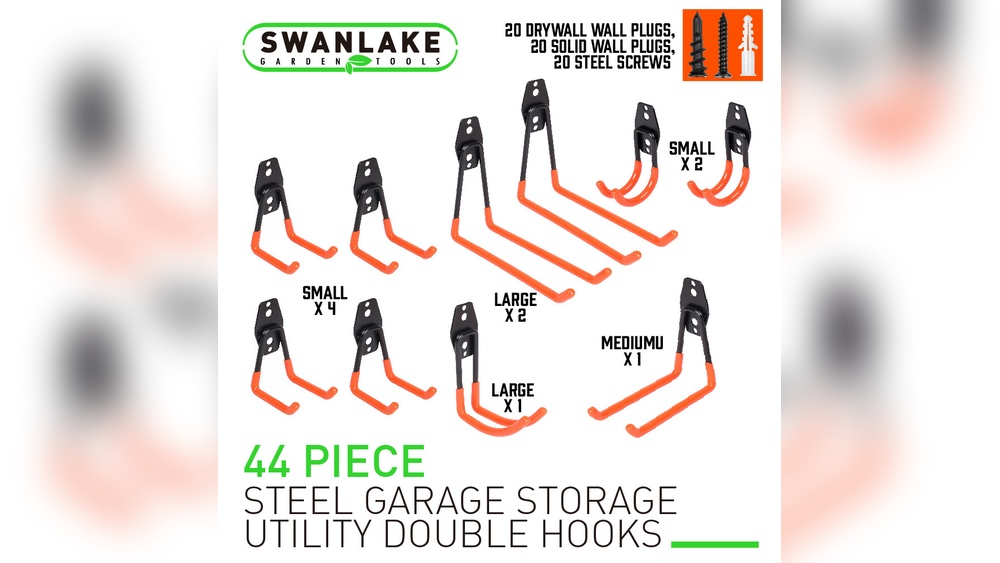
There are several types of hooks designed for drywall. Picture hooks have small nails and are good for light items. Toggle bolts spread inside the wall and hold heavier things. Self-drilling anchors screw directly into drywall for moderate weight. Choose the type based on what you want to hang.
Weight Capacity Considerations
Each hook has a weight limit. Light hooks hold up to 10 pounds. Medium hooks can carry between 10 and 50 pounds. Heavy-duty hooks support over 50 pounds. Always check the weight of your items before choosing hooks. Overloading hooks can damage the wall and cause accidents.
Materials And Coatings
Hooks come in metal, plastic, and coated finishes. Metal hooks are strong and last longer. Plastic hooks are lightweight but less durable. Coated hooks resist rust and look better over time. For garage use, metal or coated hooks work best to resist moisture and wear.

Credit: www.amazon.com
Preparing The Garage Wall
Installing hooks in drywall in your garage helps keep tools and items organized. Follow these simple steps for a strong and safe hold. Each step ensures your hooks stay secure and hold weight well.
Drilling Pilot Holes
Start by marking the spot for your hook on the drywall. Use a small drill bit to make a pilot hole. This hole guides the anchor and prevents drywall damage. Drill straight and stop once you reach the proper depth.
Inserting Anchors
Choose anchors made for drywall to hold heavy items. Push or tap the anchor gently into the pilot hole. Make sure it sits flush with the wall surface. Anchors spread the load and stop hooks from pulling out.
Attaching Hooks Securely
Place the hook’s screw into the anchor. Turn the screw clockwise using a screwdriver. Tighten until the hook feels firm but do not over-tighten. Check the hook by pulling lightly to confirm it is secure.
Tools And Materials Needed
Ensuring strong holds is key to hanging hooks in drywall, especially in a garage. Hooks must support weight without pulling out or damaging walls. Proper techniques help keep hooks secure and your items safe. Follow simple steps for lasting strength and safety.
Testing Hook Stability
After installing a hook, test its stability carefully. Gently pull on the hook to check if it moves or feels loose. Add a small weight similar to the item you want to hang. If the hook stays firm, it is stable. If it shifts or falls, remove it and try again.
Common Mistakes To Avoid
Do not overload hooks beyond their weight limit. Avoid using drywall anchors not made for heavy loads. Do not install hooks in weak or damaged drywall areas. Never use only drywall screws without anchors for heavy items. These mistakes cause hooks to fail and damage walls.
Using Additional Supports
Use wall studs for the strongest support whenever possible. If studs are not available, use heavy-duty drywall anchors. Consider using toggle bolts for very heavy items. Adding a backing board can spread the load across a larger area. These supports increase hook strength and protect your walls.

Credit: proslat.com
Step-by-step Installation
Maintaining and adjusting hooks in drywall helps keep your garage organized and safe. Hooks can loosen or wear out over time. Regular care ensures they hold tools and items securely. Simple checks and small fixes can extend their life and keep your space tidy.
Regular Inspections
Check hooks every few months. Look for any signs of loosening or damage. Make sure hooks are still firmly attached to the drywall. Inspect the items hanging to avoid overloading the hooks. Early spotting of issues prevents accidents and damage.
Repositioning Hooks
Move hooks if items shift or become hard to reach. Find new spots on the drywall that fit your storage needs better. Use a stud finder to place hooks on strong support points. Repositioning keeps your garage neat and maximizes space.
Replacing Worn Hardware
Replace hooks that are bent, cracked, or rusted. Old hardware may not hold weight safely. Choose hooks made for drywall and the type of items you hang. Keep spare hooks on hand for quick swaps. This keeps your garage safe and organized.

Credit: www.youtube.com
Frequently Asked Questions
What Tools Are Needed To Put Hooks In Drywall?
You need a drill, screwdriver, stud finder, level, and drywall anchors. These tools help ensure secure and accurate hook installation in your garage drywall.
How Do I Find Studs For Hanging Hooks?
Use a stud finder to locate wooden studs behind the drywall. Mark the stud locations with a pencil before drilling for strong hook support.
What Types Of Anchors Work Best In Drywall?
Plastic expansion anchors and metal molly bolts work well. They provide extra support for hooks when studs aren’t available.
Can I Hang Heavy Items On Drywall Hooks?
Yes, but use heavy-duty anchors or mount hooks directly into studs. This prevents damage and ensures hooks hold heavy garage items safely.
Conclusion
Putting hooks in garage drywall is simple with the right steps. Choose strong hooks that hold your items safely. Find studs or use anchors for a secure fit. Measure and mark spots carefully before drilling. Take your time to avoid damage and ensure stability.
With these tips, your garage stays neat and organized. Small effort, big difference. Ready to hang your tools and gear with confidence?