Are you tired of struggling to hang shelves, pictures, or heavy items on your walls without them falling down? Choosing the right wall anchor can make all the difference between a secure hold and a frustrating mess.
But with so many types available, how do you know which one is best for your needs? This guide will help you understand the options clearly, so you can pick the perfect wall anchor with confidence. Keep reading, and you’ll never worry about your wall hangings coming loose again.

Credit: www.picturehangsolutions.com
Types Of Wall Anchors
Choosing the right wall anchor depends on the type of wall and the weight of the item. Different anchors work best for different materials and loads. Understanding the common types helps pick the right one easily.
Plastic Expansion Anchors
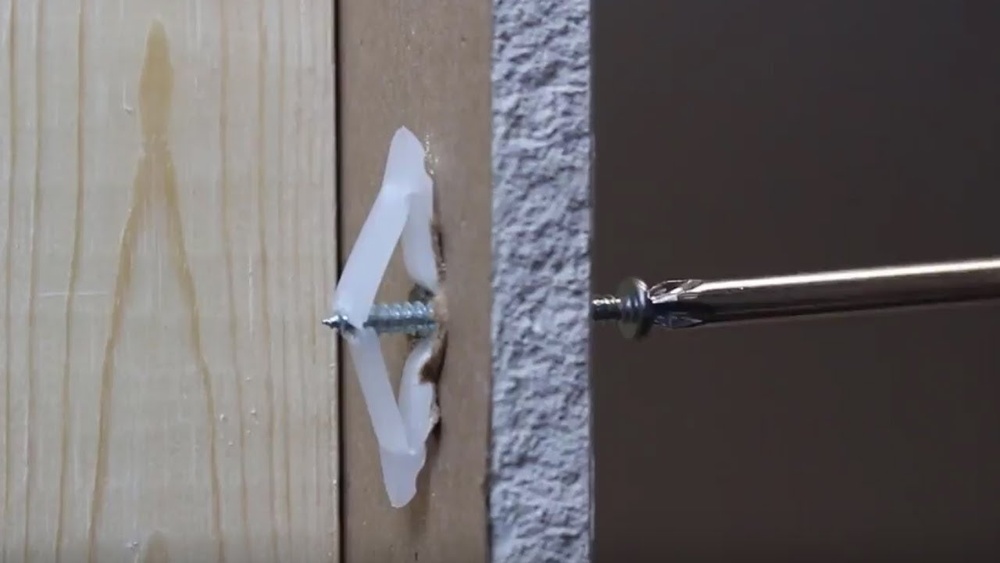
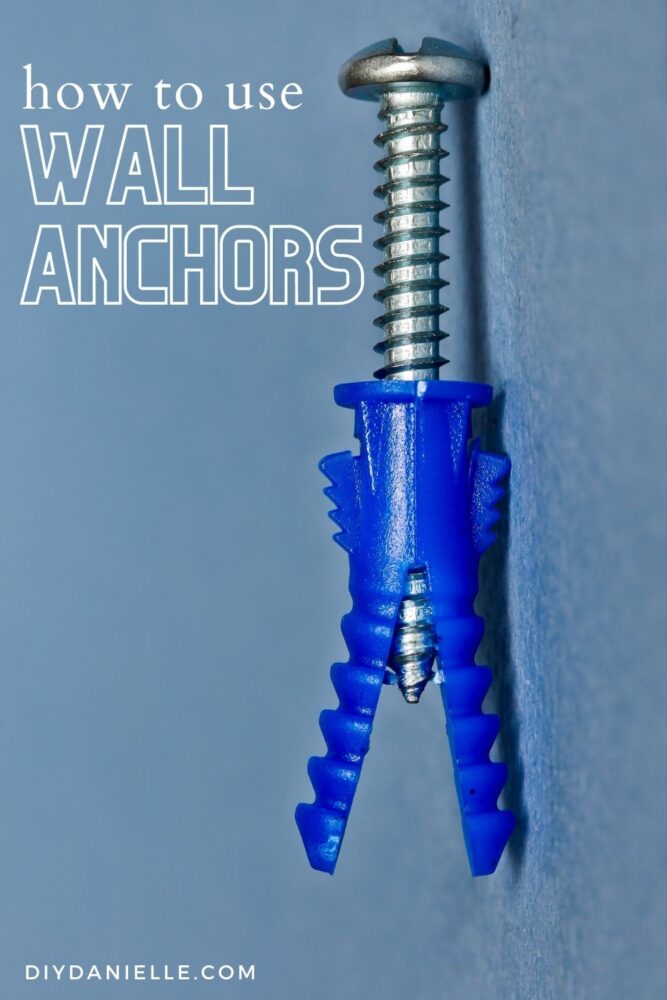
Plastic expansion anchors are simple and affordable. They work well in drywall and light materials. Insert the anchor into a drilled hole, then screw in the fastener. The anchor expands, holding tightly in place. Use these for small pictures or light shelves.
Toggle Bolts
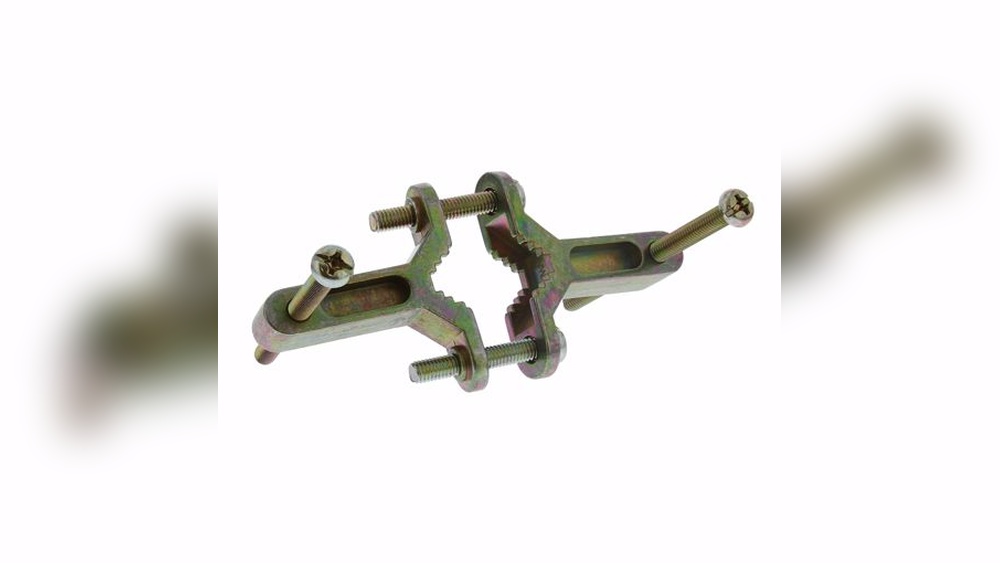
Toggle bolts provide strong support in hollow walls. They have metal wings that open behind the wall. This spreads the load over a large area. Ideal for heavy items like mirrors or large shelves. Requires a larger hole to insert the folded wings.
Molly Bolts
Molly bolts are metal anchors that expand inside the wall. They create a strong grip in drywall or plaster. Insert the bolt, then tighten to expand the anchor. Good for medium-weight items such as curtain rods or towel racks.
Threaded Drywall Anchors
Threaded drywall anchors screw directly into drywall without pre-drilling. They have sharp threads that grip the wall securely. Suitable for moderate loads and easy to install. Perfect for hanging pictures or small shelves.
Self-drilling Anchors
Self-drilling anchors combine drilling and anchoring in one step. Their pointed tip cuts into drywall quickly. No need for a drill or pilot hole. Use for lightweight to medium items that need quick installation.
Factors To Consider
Choosing the right wall anchor is important for safety and durability. Several factors affect the choice. Understanding these factors helps pick the best anchor for your project.
Wall Material
Different walls need different anchors. Drywall, concrete, brick, and plaster all have unique properties. Some anchors work well in drywall but fail in masonry. Check the wall type before buying anchors.
Weight Capacity
Anchors have weight limits. Choose one that can hold the item’s weight safely. Heavy objects need stronger anchors. Overloading anchors can cause damage or accidents.
Anchor Size
The size of the anchor matters. Large anchors support more weight but need bigger holes. Small anchors fit tight spaces but hold less weight. Match anchor size to the item and wall thickness.
Installation Method
Some anchors need special tools for installation. Others are simple and quick to use. Consider the tools you have and your skill level. Correct installation ensures the anchor works well and lasts longer.
Matching Anchors To Projects
Choosing the right wall anchor depends on the project’s weight and material. Different anchors fit different needs. Using the wrong anchor can cause damage or fail to hold your item securely. Understanding the strength needed helps pick the correct anchor for your wall.
Light-duty Applications
Light-duty anchors hold small items like picture frames and clocks. Plastic expansion anchors work well here. They are easy to install in drywall or plaster. These anchors support weights up to 20 pounds safely. Perfect for light decorations or small shelves.
Medium-duty Applications
Medium-duty anchors support heavier items like curtain rods and mirrors. Metal anchors or toggle bolts offer stronger support. They grip tightly in drywall or hollow walls. These anchors can hold between 20 and 50 pounds. Great for medium-weight home fixtures and storage.
Heavy-duty Applications
Heavy-duty anchors are for very heavy items like large shelves or TVs. Sleeve anchors and heavy-duty toggle bolts provide strong support. They work well in concrete, brick, or thick walls. These anchors hold over 50 pounds safely. Essential for securing heavy objects without risk.
Tools Needed For Installation
Choosing the right wall anchor is only part of the job. You need the right tools to install it properly. Having the right tools makes the task easier and ensures a strong hold. Below are the essential tools for wall anchor installation.
Drill And Bits
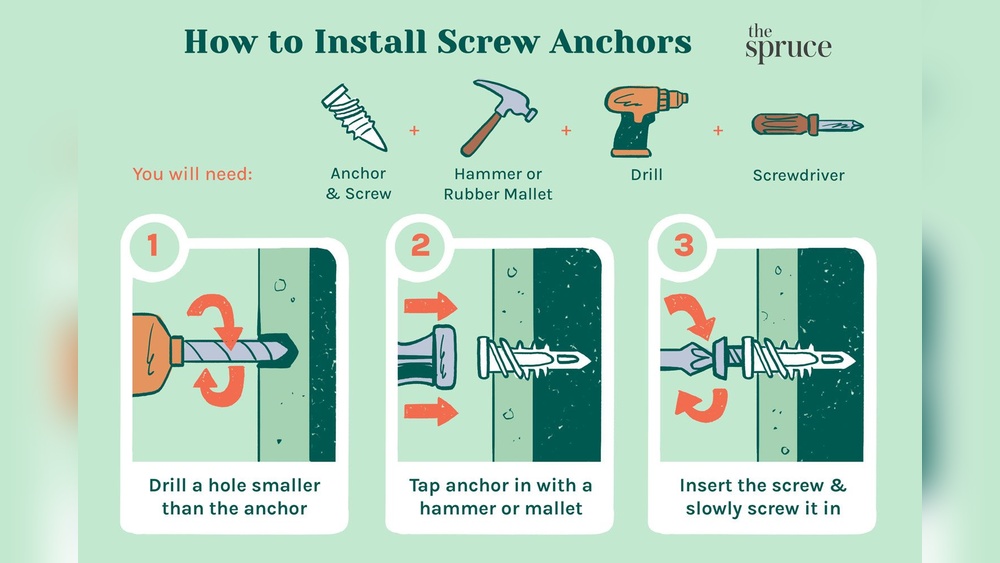
A drill is necessary to make holes in the wall. Use the correct drill bit size for the anchor you choose. A bit too big or small can cause poor grip or wall damage. A power drill speeds up the process and gives clean holes.
Screwdrivers
Screwdrivers help insert screws into the anchors. Use the right type: Phillips or flathead. This prevents stripping the screw head. A screwdriver with a comfortable grip makes the job smooth and less tiring.
Level And Measuring Tape
A level ensures your installation is straight and even. This is important for hanging shelves or pictures. Measuring tape helps mark the exact spot for drilling. Accurate measurements avoid unnecessary holes and mistakes.
Common Installation Mistakes
Choosing the right wall anchor is not enough. Many people make common mistakes during installation. These errors can cause the anchor to fail. Understanding these mistakes helps you avoid damage and weak holds.
Incorrect Anchor Selection
Not all anchors fit every wall or weight. Using a plastic anchor for heavy items leads to slipping. Metal anchors in drywall might cause holes to widen. Match the anchor type to the wall and load for safety.
Overtightening Screws
Turning screws too tight can crack the wall or break the anchor. This weakens the hold and may cause the item to fall. Tighten screws just enough to hold firmly without forcing them.
Ignoring Wall Material
Walls differ: drywall, brick, concrete, or plaster. Each needs a specific anchor type. Using the wrong anchor on brick can cause poor grip. Always check the wall type before picking an anchor.

Credit: thebestbikelock.com
Tips For Secure Fixing
Choosing the right wall anchor is only part of the job. Secure fixing ensures your items stay safely mounted. Follow simple steps to get a strong hold every time. These tips help prevent damage and keep your walls intact.
Pre-drilling Techniques
Pre-drilling creates the perfect hole for your anchor. Use a drill bit that matches the anchor size. Drill slowly and straight to avoid cracking the wall. Clean out dust from the hole before inserting the anchor. This step makes sure the anchor fits tightly.
Proper Screw Length
Select a screw long enough to pass through the anchor and item. Too short screws may not hold securely. Too long screws can damage the wall or item. Measure carefully to find the right length for a firm grip.
Checking Anchor Stability
After installation, test the anchor’s strength gently. Wiggle the mounted item to check for looseness. If it moves, tighten the screw or try a different anchor type. Stable anchors keep your wall safe and your items secure.
Credit: diydanielle.com
Frequently Asked Questions
What Types Of Wall Anchors Are Best For Drywall?
Plastic expansion anchors are ideal for light loads on drywall. For heavier items, use toggle bolts or molly bolts. Each type offers different holding strengths and installation methods. Choose based on the weight and wall thickness.
How Do I Determine The Right Size Wall Anchor?
Select an anchor size that matches your screw size and load requirements. Larger anchors hold more weight but need bigger holes. Check the anchor packaging for weight limits and compatibility with your wall material.
Can I Use Wall Anchors On Plaster Walls?
Yes, use anchors designed specifically for plaster to avoid cracks. Molly bolts and toggle bolts work well. Avoid plastic anchors unless the plaster is very thick and strong.
Are Metal Wall Anchors Stronger Than Plastic Ones?
Metal anchors generally offer higher strength and durability. They are suitable for heavier loads and tougher materials. Plastic anchors work fine for lighter applications and drywall. Choose metal for heavy shelves or large fixtures.
Conclusion
Choosing the right wall anchor makes your project safe and strong. Think about the wall type and the weight you need to hold. Match the anchor size with your screw for best fit. Simple tools and clear steps help you install easily.
Taking time to pick well saves money and effort later. Trust your choice and enjoy a stable, lasting result.