Are you struggling with a stubborn deadbolt that just won’t lock or unlock? Replacing a deadbolt might seem tricky, but with the right guidance, you can do it yourself quickly and confidently.
Imagine saving time and money by fixing your lock without calling a locksmith. You’ll discover step-by-step instructions, easy tips, and helpful tricks – all inspired by top YouTube tutorials – to replace your deadbolt like a pro. Keep reading, and you’ll unlock the secret to a safer, smoother door in no time.
Credit: ygeias-merimna.gr
Tools Needed
Replacing a deadbolt requires a few basic tools. These tools help you remove the old lock and install the new one. Having the right tools makes the job easier and faster. Preparing your tools before starting will save time and avoid frustration.
Essential Tools List
- Screwdriver (Phillips and flathead)
- Measuring tape
- Drill with drill bits
- Hammer
- Chisel
- New deadbolt lock set
- Pencil or marker
Optional Helpful Tools
- Power screwdriver for faster work
- Wood filler for fixing holes
- Utility knife for trimming
- Level to ensure straight installation
- Safety glasses to protect your eyes
Choosing A New Deadbolt
Choosing a new deadbolt is an important step after removing a broken or old lock. The right deadbolt keeps your home safe and secure. It also fits your door perfectly and works smoothly. Understanding the different options helps you pick the best one for your needs.
Types Of Deadbolts
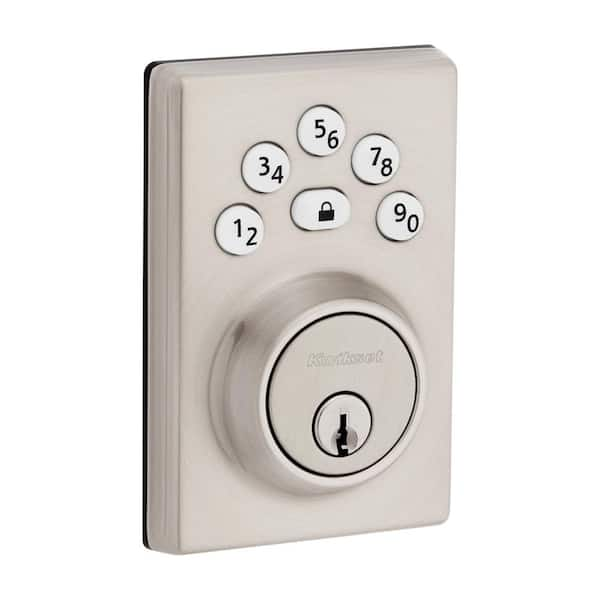
There are three main types of deadbolts. The single-cylinder deadbolt uses a key outside and a thumb turn inside. It is common and easy to use. The double-cylinder deadbolt needs a key on both sides. It adds extra security but can be tricky during emergencies. The lockable thumb turn deadbolt allows you to lock the inside thumb turn with a key. It offers flexibility and better control over the lock.
Factors To Consider
Think about the door material and thickness before buying a deadbolt. Check the size and shape to fit your door. Consider the level of security needed for your home. Some deadbolts have stronger bolts and better resistance to forced entry. Ease of installation matters too, especially for beginners. Look for models with clear instructions or simple designs. Lastly, the finish and style should match your door and home decor.
Removing The Old Deadbolt
Removing the old deadbolt is the first step to install a new lock. This process requires care and the right tools. You will take apart the lock piece by piece. Follow clear steps to avoid damage to the door. Stay organized to make reassembly easier.
Removing The Interior Plate
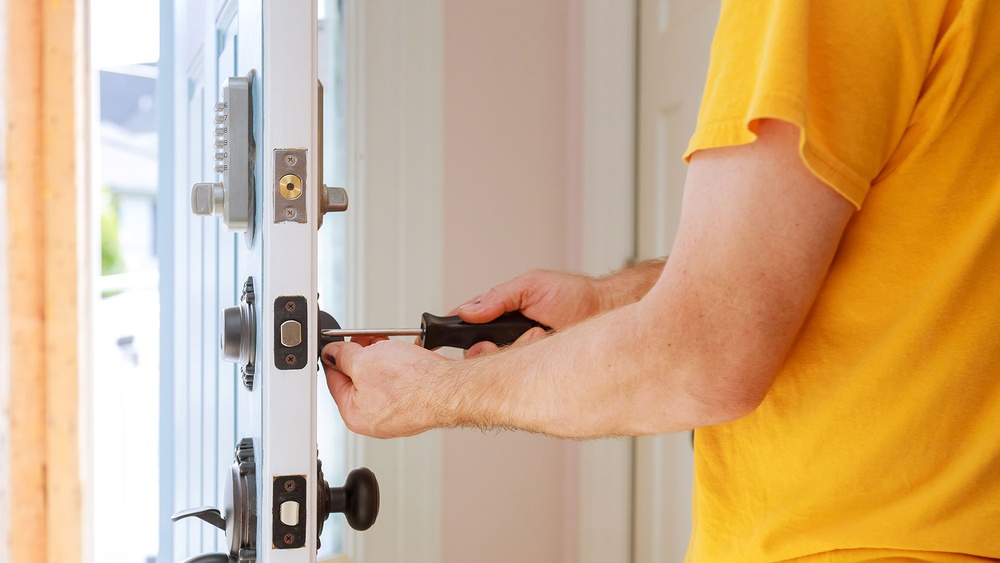
Start by locating the screws on the inside plate of the deadbolt. Use a screwdriver to remove these screws carefully. Keep the screws in a safe place. Gently pull the interior plate away from the door. The interior plate often includes the thumb turn.
Taking Out The Exterior Lock
After the interior plate is off, move to the outside part of the lock. The exterior lock is usually connected to the interior plate by screws or bolts. Remove these screws with your screwdriver. Pull the exterior lock straight out from the door. Avoid twisting it to prevent damage.
Removing The Latch Mechanism
The latch mechanism sits inside the door edge. Unscrew the faceplate covering the latch. Pull the latch mechanism out of the door. Check for any stuck parts and loosen them if needed. Removing the latch completes the disassembly of the old deadbolt.
Preparing The Door
Preparing the door is an important step before replacing a deadbolt. It makes sure the new lock fits well and works properly. Taking time here saves effort later.
Start by cleaning the door edge. Dirt or paint can block the lock parts from fitting. Then check the hole size. Sometimes, holes need a bit of adjusting for the new deadbolt.
Cleaning The Door Edge
Use a cloth to wipe dirt or dust from the door edge. Remove any loose paint or debris. This helps the deadbolt fit tightly without gaps. A clean surface also stops rust and damage over time.
Check for any rough spots. Smooth them gently with sandpaper. This step ensures the lock parts slide in easily. Clean edges give a neat finish to your door.
Checking And Adjusting The Door Hole
Measure the hole in the door edge. It should match the new deadbolt size. If the hole is too small, use a drill or file to enlarge it carefully. Avoid making the hole too big.
Ensure the hole is straight and smooth inside. Rough edges can block the lock from moving. Use sandpaper or a file to fix any uneven spots. A proper hole helps the deadbolt lock and unlock smoothly.
Installing The New Deadbolt
Installing the new deadbolt is a key step in securing your door. This process involves placing the latch, attaching the exterior lock, and securing the interior plate. Each step must be done carefully for the lock to work well.
Inserting The Latch
Start by sliding the latch into the door’s edge hole. Make sure the latch’s curved side faces the door frame. Push it in until it fits snugly. Use screws to fix the latch firmly in place. This keeps the latch stable when you lock the door.
Attaching The Exterior Lock
Hold the exterior lock on the outside of the door. Align the lock’s tailpiece through the latch mechanism. Check that the lock sits flush with the door surface. Insert screws into the holes on the exterior lock. Tighten the screws to secure the lock without moving it.
Securing The Interior Plate
Place the interior plate on the inside of the door. Align it with the exterior lock and latch. Insert screws to hold the plate firmly. Tighten all screws evenly to avoid loose parts. Test the lock by turning the thumb turn or key.

Credit: lockin.com
Testing The Lock
Testing the lock is a vital step after installing a deadbolt. It ensures the lock works properly and keeps your door secure. Take your time and check every part carefully. This step helps avoid future problems with your lock.
Checking Lock Functionality
Start by inserting the key into the lock. Turn the key slowly and listen for smooth movement. The deadbolt should slide in and out without resistance. Test the lock from both inside and outside. Make sure the key turns easily in both directions. Also, check the lock button or thumb turn inside the house. It should move the bolt smoothly as well.
Close the door and lock it using the key. Try to open the door without unlocking. The door must stay firmly locked. Then unlock and open the door to confirm it works correctly. This simple test shows if the lock is installed right.
Troubleshooting Common Issues
If the lock feels stiff or sticks, first check the alignment. The deadbolt must line up with the strike plate on the door frame. Adjust the strike plate if the bolt does not slide smoothly. Tighten all screws on the lock and strike plate. Loose screws can cause poor lock function.
Lubricate the lock with graphite powder or a silicone-based spray. Avoid oil-based lubricants as they attract dirt. Test the lock again after lubrication. If problems continue, remove the lock and reinstall it. Make sure all parts are correctly positioned. Testing and fixing issues ensures your deadbolt works well for years.
Maintaining Your Deadbolt
Maintaining your deadbolt helps keep your home safe and secure. A well-kept deadbolt works smoothly and lasts longer. Simple care can prevent common problems like sticking or jamming. Regular attention saves time and money over replacement costs.
Small actions can make a big difference in how your deadbolt performs. Here are key tips to keep your lock in good shape.
Regular Lubrication Tips
Lubricate your deadbolt twice a year. Use a graphite or silicone-based lubricant. Avoid oil-based products; they attract dust and dirt. Apply lubricant to the keyhole and bolt mechanism. Insert the key and turn it several times. This spreads the lubricant evenly inside. Wipe off any extra to stop grime build-up. Proper lubrication keeps the lock turning smoothly and quietly.
When To Replace Again
Replace your deadbolt if it sticks often despite care. Check for rust, broken parts, or loose screws. If keys are hard to turn or get stuck, consider replacement. Also replace after a break-in or lost keys. Old deadbolts may not protect your home well. Choose a new lock with better security features. Timely replacement ensures continued safety and ease of use.

Credit: www.youtube.com
Frequently Asked Questions
How Do I Replace A Deadbolt Lock Step-by-step?
First, remove the old deadbolt by unscrewing the interior plate. Next, take out the latch and lock cylinder. Insert the new latch, then fit the new lock cylinder. Finally, secure all screws tightly and test the lock for smooth operation.
What Tools Are Needed To Replace A Deadbolt?
You typically need a screwdriver, a new deadbolt lock set, and possibly a tape measure. A drill may be needed if new holes are required. Having all tools ready ensures a quick and smooth deadbolt replacement process.
How Long Does It Take To Replace A Deadbolt Lock?
Replacing a deadbolt usually takes between 15 to 30 minutes. Time varies based on experience and lock type. Following clear instructions or a video tutorial can speed up the process effectively.
Can I Replace A Deadbolt Lock Without Professional Help?
Yes, replacing a deadbolt is a simple DIY task. With basic tools and a good tutorial, most homeowners can do it. It saves money and improves home security quickly.
Conclusion
Replacing a deadbolt is easier than it seems. Follow each step from the video carefully. Take your time and use the right tools. This helps avoid mistakes and saves effort later. A working deadbolt keeps your home safe and secure.
Practice makes the process faster and smoother. Trust yourself to complete the task well. Keep the video handy for reference anytime. Stay safe and confident with your new lock installed.