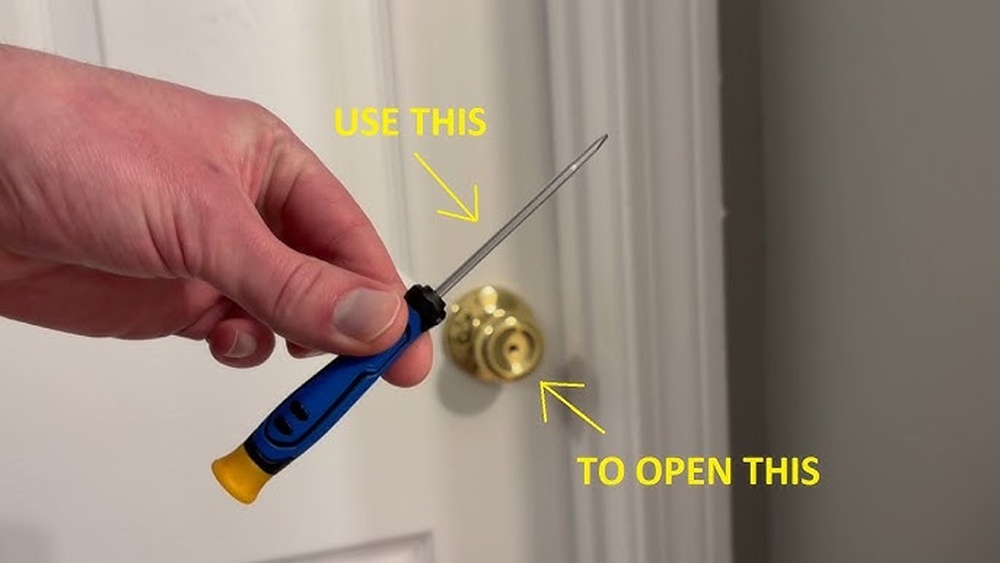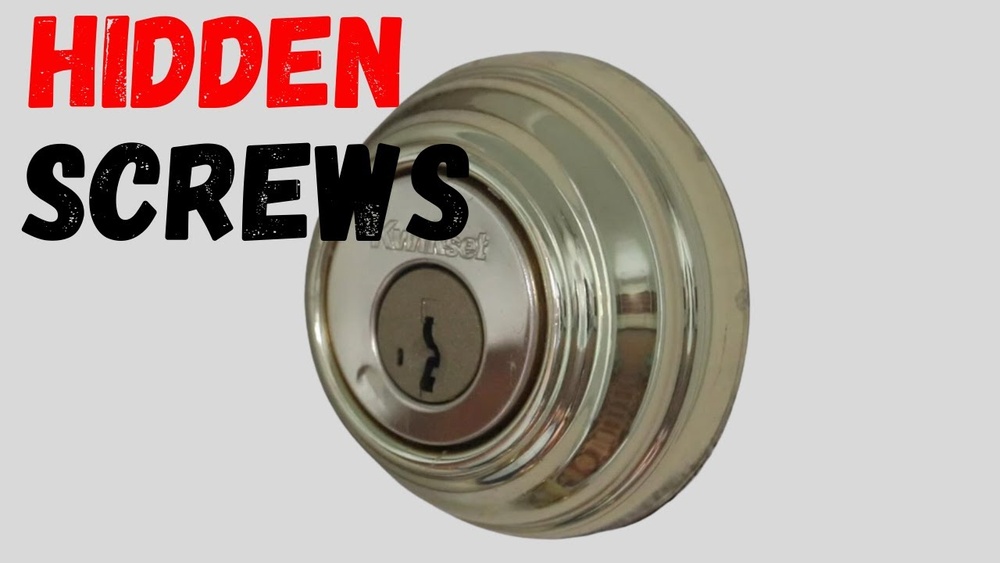
Struggling to remove a deadbolt but can’t find any visible screws? You’re not alone.
Many deadbolts are designed this way to keep your home secure, but that can make removal tricky when you need to replace or fix them. Don’t worry—this guide will walk you through simple steps to take off your deadbolt quickly and safely, even when screws are hidden.
Keep reading, and you’ll learn how to tackle this problem like a pro, saving time and avoiding frustration.
Identify Deadbolt Type
Identifying the deadbolt type is the first step to remove it without visible screws. Different deadbolts have different designs and ways to open. Knowing the type helps to find hidden screws or release mechanisms.
Most deadbolts fit into common categories. Some have screws covered by trim pieces. Others use special clips or tabs to hold them in place. Checking carefully avoids damage to the door or lock.
Check For Hidden Screws
Start by looking closely at the deadbolt. Some screws hide under stickers or plastic covers. Gently pry off any trim or caps with a flat tool. Use a flashlight to see inside small holes or slots.
Look along the edge of the lock and on the faceplate. Screws may be recessed or painted over. Removing these screws often frees the lock from the door.
Examine Faceplate And Trim
The faceplate and trim can hide how the deadbolt attaches. Check for small holes or slots on the trim. Some trims snap on and off without screws.
Press or slide parts of the trim to test if they move. Some deadbolts use clips inside the trim to hold them tight. Finding these clips allows removal without tools that can damage the lock.
Gather Necessary Tools
Removing a deadbolt without visible screws requires the right tools. These tools help you safely access hidden parts without damage. Preparing before starting saves time and effort. Gather everything needed first to avoid interruptions.
Tools For Hidden Screws
Hidden screws often sit under the lock or behind plates. A thin flathead screwdriver helps pry covers gently. A flashlight reveals screws hidden in dark spots. Needle-nose pliers reach screws in tight spaces. A small mirror can show hard-to-see areas clearly.
Tools For Snap-on Covers
Snap-on covers protect screws and need careful removal. A plastic pry tool prevents scratches on the door surface. A putty knife works to lift covers smoothly. Use gentle pressure to avoid breaking the cover. Having these tools ready makes the process easier.
Remove Snap-on Covers
Removing a deadbolt without visible screws often means dealing with snap-on covers. These covers hide the screws and protect the lock mechanism. Knowing how to remove them carefully is the first step to access the screws underneath.
Snap-on covers fit tightly but can be removed without damage. They usually have edges or gaps where you can start prying. Being gentle is key to avoid scratching the door or breaking the cover.
Locate Cover Edges
Look closely around the deadbolt for small gaps or edges. These edges are where the snap-on cover connects to the lock body. Use your fingers or a small tool to feel for any slight looseness. This helps find the best spot to start prying.
Sometimes the cover blends with the lock, so good lighting helps. Check all around the lock, front and sides, to spot any edge or seam.
Use Pry Tool Carefully
Choose a thin, flat pry tool like a plastic spudger or a flathead screwdriver. Avoid metal tools that can scratch the door or lock surface. Insert the tool gently under the edge you found.
Apply light pressure to lift the cover slowly. Move the tool around the edge to loosen the cover evenly. Do not force it or bend the cover too much. A steady, gentle approach prevents damage and makes removal easier.

Credit: www.reddit.com
Access And Remove Screws
Removing a deadbolt without visible screws can seem tricky. The screws are hidden beneath the lock’s exterior parts. To access these screws, start inside the door. Removing the interior plate reveals the screws holding the lock in place. Once you see the screws, you can safely unscrew and remove the deadbolt.
Unscrew Interior Plate
Begin by locating the interior plate on the inside of the door. This plate covers the screws and the lock mechanism. Use a flathead screwdriver or a small pry tool to gently lift the plate. Be careful not to damage the door or the plate.
Once the plate is loose, pull it away carefully. You should now see the screws that hold the deadbolt. Use a screwdriver to unscrew them. Keep the screws safe for reassembly or replacement.
Handle Exterior Plate
The exterior plate hides the screws from the outside. After removing the interior plate and screws, the exterior plate will come off easily. Sometimes, it may twist or slide off the door.
Gently pull or twist the exterior plate to remove it. This exposes the deadbolt mechanism completely. You can now remove the deadbolt without any visible screws blocking you.
Disengage Deadbolt Mechanism
Disengaging the deadbolt mechanism is the key step to remove a deadbolt without visible screws. This step allows you to separate the lock parts carefully. Understanding how the deadbolt works inside helps you handle it safely. Follow simple steps to unlock and pull out the mechanism without damage.
Pull Out Deadbolt
Start by turning the thumb turn or key to retract the bolt. Gently pull the lock from the door edge. Apply steady pressure to slide the deadbolt out. If it feels stuck, wiggle the bolt slightly. Avoid forcing it, as this may cause damage.
Check For Additional Fasteners
Look closely for hidden clips or small screws inside the lock. Some deadbolts use fasteners under the faceplate or inside the latch. Use a flat tool to pry the faceplate gently. Remove any hidden screws or clips found. This step ensures the deadbolt can come out smoothly.
Troubleshoot Stuck Deadbolt
A deadbolt may get stuck even without visible screws. It stops working and blocks your door. Troubleshooting a stuck deadbolt helps avoid damage. You can fix it with simple steps. These tips make removal easier and safer.
Use Lubricants
Lubricants reduce friction inside the lock. Spray a small amount into the keyhole. Use graphite powder or silicone spray. Avoid oil-based lubricants that attract dirt. Let the lubricant settle for a few minutes. Try turning the key or knob again. This often frees a stuck deadbolt smoothly.
Apply Gentle Force
Use gentle force to move the deadbolt. Push or pull the bolt lightly while turning the key. Avoid using too much strength to prevent damage. Sometimes tapping the lock gently helps loosen parts. Use a rubber mallet or the handle of a screwdriver. Repeat the motion slowly until the bolt moves. Patience is key to avoid breaking the lock.
Replace Or Reinstall Deadbolt
Replacing or reinstalling a deadbolt without visible screws can seem tricky. It needs careful handling to keep the lock secure and working well. This process involves aligning the parts correctly and tightening screws firmly. These steps help the deadbolt work smoothly and last longer.
Align Components Properly
Start by placing the deadbolt components in their right spots. The latch should fit snugly into the door edge. The exterior and interior parts must line up perfectly through the door hole. Check that the bolt slides freely without sticking. Proper alignment stops the lock from jamming or breaking.
Secure Screws Tightly
Use a screwdriver to tighten the screws holding the lock parts. Tight screws keep the deadbolt firm and prevent it from wobbling. Avoid overtightening, which can damage the lock or door. Tighten until the parts feel solid and stay in place. Secure screws help the deadbolt resist force and keep the door safe.

Credit: diy.stackexchange.com

Credit: www.youtube.com
Frequently Asked Questions
How Can I Remove A Deadbolt Without Visible Screws?
To remove a deadbolt without visible screws, first locate the hidden screws under the faceplate or inside the knob. Use a flathead screwdriver or a thin tool to pry off covers. Then, unscrew and carefully pull the lock apart.
What Tools Are Needed To Remove A Hidden Screw Deadbolt?
You need a flathead screwdriver, a Phillips screwdriver, and possibly a thin pry tool. These help access and remove hidden screws or covers securing the deadbolt. Having a flashlight can also aid visibility in tight spaces.
Is It Possible To Remove A Deadbolt Without Damaging The Door?
Yes, removing a deadbolt without visible screws is possible without damage. Use gentle prying and the right tools to avoid scratching or denting the door. Patience and care during removal are key to preserving the door’s finish.
Why Are Deadbolt Screws Sometimes Hidden Or Invisible?
Manufacturers hide screws for aesthetic reasons and added security. Hidden screws make tampering harder and improve the lock’s appearance. This design requires knowledge of where and how to access the screws for removal.
Conclusion
Removing a deadbolt without visible screws can be simple. Start by checking for hidden screws or a small slot. Use gentle tools to avoid damage. Take your time and stay patient. This method saves you from extra drilling or damage.
Now you can replace or fix your deadbolt easily. Keep these steps in mind for a smooth process. Practice makes the task easier over time. You have what it takes to handle this job.