Are you looking to boost your home’s security with a reliable deadbolt? Installing a Kwikset deadbolt might seem tricky at first, but it’s easier than you think.
With the right steps, you can have your new lock up and running in no time, giving you peace of mind and control over who enters your home. Keep reading, and you’ll discover a simple, clear guide that helps you install your Kwikset deadbolt quickly and confidently—no special tools or skills needed.
Let’s get started!
Credit: brinkshome.com
Tools And Materials Needed
Installing a Kwikset deadbolt needs some basic tools and materials. Having everything ready saves time and avoids frustration. This section lists all essentials for a smooth installation.
Tools Required
You need a screwdriver, preferably a Phillips head. A power drill helps but is optional. A tape measure ensures precise placement of the deadbolt. A pencil marks drilling spots. A hammer may be necessary for door adjustments. Also, a chisel can help if the door or frame needs slight modification.
Materials Needed
The Kwikset deadbolt package usually includes the lock, screws, and strike plate. You may need extra screws if the door is thicker. Wood filler can fix any old holes. Sandpaper smooths rough areas after adjustments. Keep a small bowl handy to hold screws and small parts.
Credit: www.kwikset.com
Preparing The Door
Preparing the door is the first step in installing a Kwikset deadbolt. It ensures the new lock fits perfectly and works well. This stage includes removing the old lock and checking the door’s fit. These tasks help avoid problems later during installation.
Remove Old Lock
Start by unscrewing the old lock from the door. Take out the screws on both sides carefully. Pull the lock parts away from the door gently. Remove the latch from the edge of the door. Keep the screws safe; you might need them later.
Check Door Fit
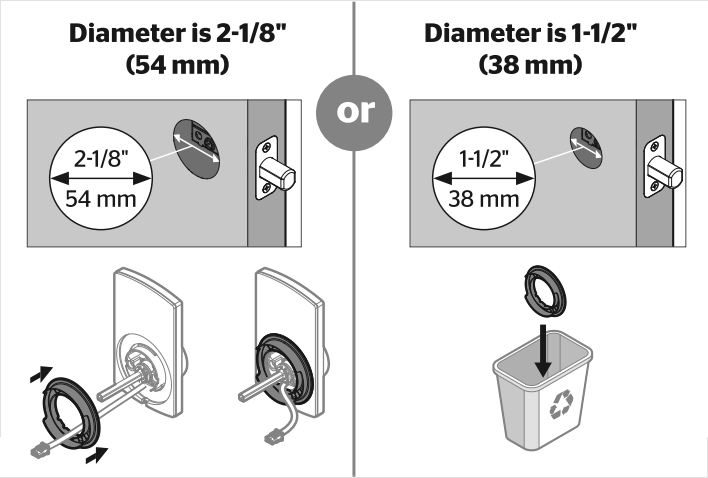
Look at the door edge where the latch goes in. It should be smooth and clean. Make sure the hole is the right size for the new deadbolt. Check the door frame for the strike plate position. Adjust the frame if needed for a tight fit. This step helps the lock work smoothly and securely.
Marking And Drilling Holes
Marking and drilling holes is a key step when installing a Kwikset deadbolt. This step ensures the lock fits perfectly on your door. Careful measurement and accurate drilling create a secure and smooth operation. Take your time to follow each step closely for best results.
Position Template
Start by placing the template on the door. Align it with the door’s edge and height where the deadbolt will go. Use a pencil to mark the drill spots clearly. These marks guide where to drill the holes. Double-check the template’s position before marking.
Drill Face Bore
Next, drill the large hole on the door’s face. Use a hole saw drill bit that matches the deadbolt size. Drill straight and steady to avoid splintering. Clean the hole edges to remove any wood chips. This hole will hold the main lock body.
Drill Edge Bore
Drill a smaller hole on the door’s edge for the latch. Use a spade bit that fits the latch size. Drill deep enough for the latch to sit flush. Smooth the edges with sandpaper or a file. This hole allows the latch to extend and retract easily.
Installing The Latch
Start by placing the latch into the door edge hole. Secure it with screws so it fits snugly and works smoothly. Make sure the latch is aligned properly before tightening all screws.
Insert Latch
Start by sliding the latch into the edge of the door. Make sure the curved side faces the door jamb. Push the latch until it sits flush with the door’s edge. Check that the bolt moves smoothly by pressing the latch bolt. Adjust if it feels stuck or too loose. This step ensures the deadbolt locks and unlocks properly.
Secure Latch Plate
Next, place the latch plate over the latch on the door edge. Align the screw holes with the pre-drilled holes in the door. Use a screwdriver to fasten the screws tightly. The latch plate holds the latch firmly in place. Tight screws stop the latch from shifting during use. Double-check the latch moves freely after securing the plate.
Mounting The Exterior Assembly
Mounting the exterior assembly is a key step in installing a Kwikset deadbolt. This part includes the lock’s outside portion with the key cylinder. Proper mounting ensures the lock works smoothly and stays secure.
Start by placing the exterior assembly through the hole on the door. Make sure the tailpiece fits through the latch mechanism inside the door. The tailpiece connects the exterior lock to the internal parts.
Aligning The Exterior Assembly
Hold the exterior assembly firmly against the door. Check if the tailpiece sits straight through the latch. Misalignment can cause the lock to jam or not turn properly.
Securing The Exterior Assembly
Insert the mounting screws through the door holes. Tighten them carefully, but do not overtighten. Too much pressure can damage the lock or door surface.
Testing The Exterior Assembly
Turn the key gently to test the lock’s movement. The key should turn smoothly without resistance. If it feels stiff, adjust the position slightly and retighten screws.
Attaching The Interior Assembly
Attaching the interior assembly is a key step in installing your Kwikset deadbolt. This part fits inside your door and connects to the outside lock. It controls the locking and unlocking from inside your home.
Careful alignment and secure fastening are important. These ensure the lock works smoothly and stays in place.
Align Components
Start by placing the interior assembly against the inside of your door. Make sure the spindle fits through the latch mechanism. Align the screw holes on the interior assembly with those on the exterior side. Check that the thumb turn is upright and easy to use.
Fasten Screws
Use the screws that came with your Kwikset deadbolt. Insert them into the aligned holes. Tighten the screws evenly to hold the assembly firmly. Avoid over-tightening as it can damage the lock or door. Test the thumb turn to confirm smooth operation.
Testing The Deadbolt
Testing the Kwikset deadbolt is a crucial step after installation. It ensures your lock works smoothly and keeps your home safe. Take the time to check the lock’s function carefully. This process helps find any issues before you start using the door daily.
Check Lock Operation
Turn the key to lock and unlock the deadbolt several times. The bolt should move easily without sticking. Try the thumb turn on the inside to see if it works smoothly. Make sure the door closes fully and the bolt slides into the strike plate securely. Test from both sides to confirm proper operation.
Adjust As Needed
If the deadbolt sticks or feels tight, adjust the strike plate. Loosen its screws and move it slightly, then tighten again. Check if the bolt fits better into the hole. Sometimes sanding the edge of the door or frame helps the bolt slide easily. Repeat testing until the lock turns freely and the door closes firmly.
Troubleshooting Common Issues
Troubleshooting is an important part of installing a Kwikset deadbolt. Small problems can stop the lock from working right. Knowing common issues helps fix them quickly. This saves time and effort during installation.
Many problems come from small mistakes or parts not fitting well. Some issues are easy to spot and fix. Others need a bit more care. Below are common problems and how to solve them.
Incorrect Alignment Of The Deadbolt
The deadbolt must line up with the strike plate. If it does not, the lock will stick or not turn. Check that the bolt slides smoothly into the hole. Adjust the strike plate by moving it slightly up or down.
Loose Screws And Parts
Screws that are not tight can cause the lock to wobble or fail. Tighten all screws firmly but not too hard. Loose parts affect the lock’s function and security. Use a screwdriver that fits the screws well.
Key Does Not Turn Smoothly
Keys might be hard to turn if the lock is new or dry. Add a small amount of graphite lubricant inside the keyhole. Avoid oil-based lubricants as they attract dirt. Check the key to see if it is worn or bent.
Deadbolt Does Not Extend Fully
The bolt must extend all the way into the door frame. If it stops early, check for obstructions. Make sure the door is closed completely before locking. Sometimes sanding the door edge helps if it rubs against the frame.
Problems With Electronic Or Smart Deadbolts
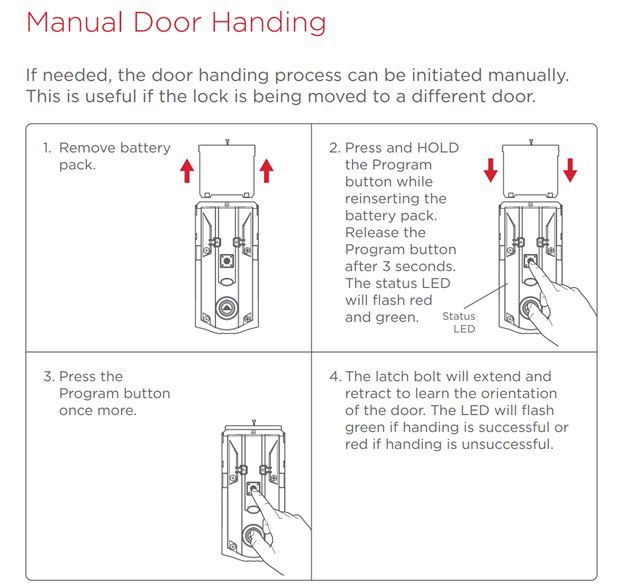
For electronic Kwikset models, check the batteries first. Weak batteries cause malfunction. Reset the lock following the manual’s instructions if codes do not work. Make sure the keypad is clean and dry.
Maintenance Tips For Longevity
Proper maintenance keeps your Kwikset deadbolt working well for years. Simple care helps avoid jams and wear. It saves money on repairs and replacements. Follow these tips to keep your lock smooth and secure.
Cleaning The Deadbolt Regularly
Dust and dirt can build up inside the lock. Use a soft cloth to wipe the surface. Avoid harsh chemicals that may damage the finish. Clean the keyhole gently with compressed air or a small brush.
Lubricating The Lock Mechanism
Apply a dry graphite lubricant to the keyhole and bolt. Avoid oil-based lubricants as they attract dirt. Lubricate twice a year to keep parts moving smoothly. This reduces sticking and extends the lock’s life.
Checking For Loose Screws
Inspect the screws on the lock and strike plate often. Tighten any loose screws with a screwdriver. Loose parts can cause misalignment and make locking difficult. Regular checks ensure the deadbolt stays secure.
Testing The Lock Function
Turn the key and thumb turn regularly to check operation. The lock should move easily without resistance. Fix any stiffness immediately to avoid bigger problems. A well-functioning lock protects your home better.
Protecting From Harsh Weather
Shield the deadbolt from rain and snow when possible. Use a weather-resistant cover or install a porch light nearby. Moisture can cause rust and damage internal parts. Keeping it dry improves performance and lifespan.

Credit: www.youtube.com
Frequently Asked Questions
How Do You Prepare The Door For Kwikset Deadbolt Installation?
First, measure and mark the door for the lock placement. Drill holes according to the template. Ensure the door edge is smooth and fits the latch properly.
What Tools Are Needed To Install A Kwikset Deadbolt?
You need a drill, screwdriver, tape measure, pencil, chisel, and the Kwikset deadbolt kit. These tools help ensure proper fitting and secure installation.
How Do You Align The Kwikset Deadbolt Latch Correctly?
Insert the latch into the door edge. Align it so the bolt extends straight into the strike plate. Secure it with screws to avoid misalignment.
Can I Install A Kwikset Deadbolt Without Professional Help?
Yes, the Kwikset deadbolt comes with detailed instructions. Basic tools and careful attention make installation manageable for most DIYers.
Conclusion
Installing a Kwikset deadbolt is simple and quick with clear steps. Take your time to follow each part carefully. Double-check the alignment before tightening screws. Test the lock to make sure it works smoothly. A properly installed deadbolt adds security and peace of mind.
You can protect your home without needing special tools. Keep the instructions handy for future reference or adjustments. This small effort helps keep your family safe every day.