Are you struggling with how to securely hook a gate to a wall? Whether you want to keep your garden safe or add extra privacy to your home, getting this right is important.
You don’t need to be an expert or spend a lot of money to do it properly. In this guide, you’ll discover simple steps and tips that anyone can follow to attach a gate firmly and safely. Keep reading, and you’ll learn how to make your gate work perfectly for your space—without any hassle or guesswork.
Choosing The Right Gate Hook
Choosing the right gate hook is important for a secure and lasting hold. The right hook keeps your gate stable and easy to open or close. It fits well with the gate and the wall, making your outdoor space safer and more functional.
Types Of Gate Hooks
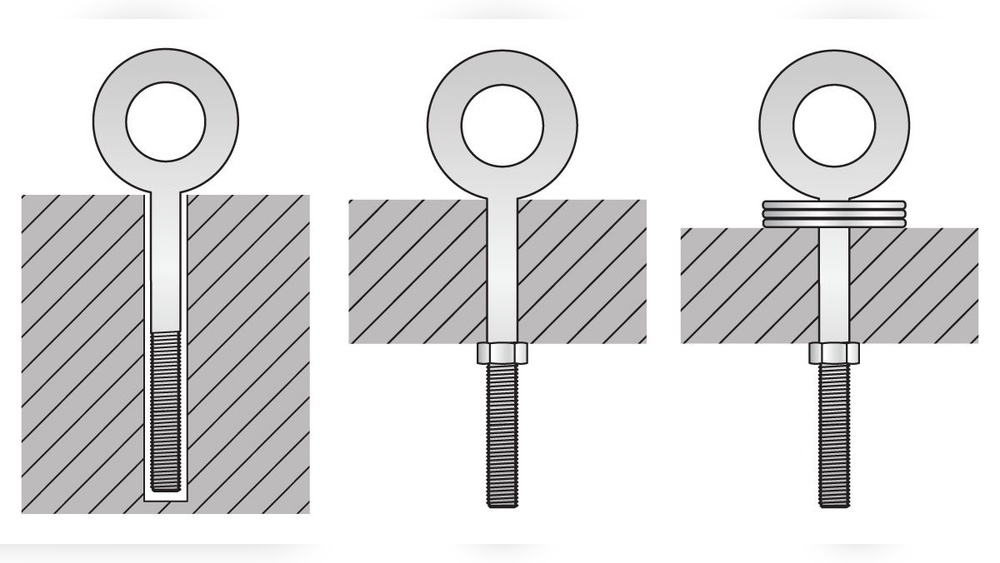
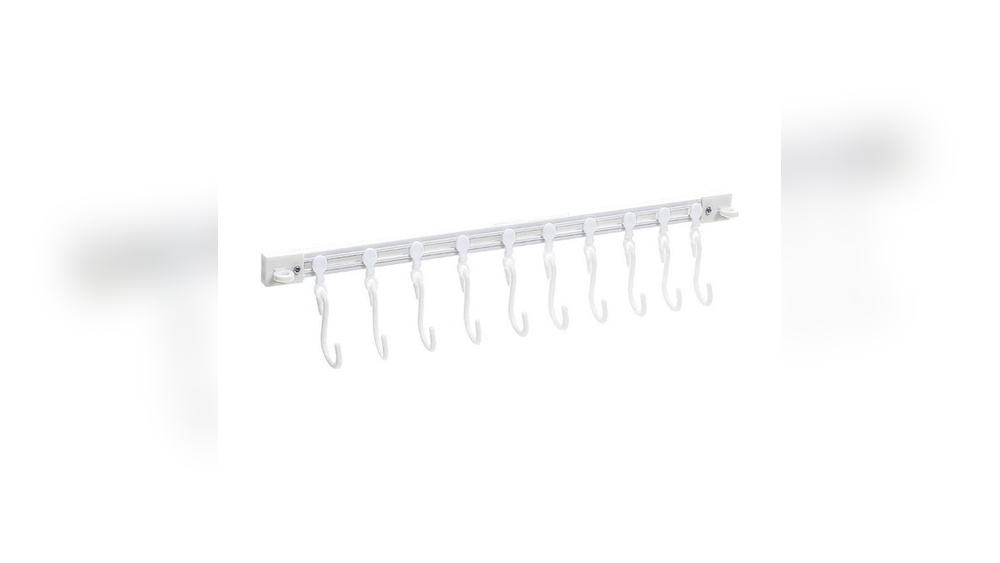
Gate hooks come in many shapes and styles. Some common types are eye hooks, latch hooks, and J-hooks. Eye hooks have a circular end for easy attachment. Latch hooks lock the gate in place firmly. J-hooks are simple and quick to use. Pick the type that matches your gate’s design and how you want to use it.
Materials And Durability
Materials affect how long the hook lasts outside. Steel hooks are strong and resist bending. Stainless steel resists rust and works well in wet areas. Galvanized hooks have a protective coating against weather. Choose a material that matches your climate. This keeps the hook working well for years.
Size And Weight Considerations
The size of the hook matters for safety and ease. A small hook may not hold a heavy gate. A large hook might be hard to handle or look out of place. Match the hook size to the gate’s weight and thickness. This balance makes your gate secure and easy to use every day.
Preparing The Wall And Gate
Preparing the wall and gate is the first step in securing your gate properly. This part ensures your gate will open and close smoothly. It also helps avoid damage to the wall or gate later on. Taking time here saves effort during installation.
Selecting The Mounting Location
Choose a spot on the wall that is strong and stable. Look for solid bricks, concrete, or sturdy wood. Avoid weak or crumbling areas. The location should allow the gate to swing freely without hitting anything. Measure the height and width carefully to match the gate size.
Cleaning And Marking The Surface
Clean the wall surface thoroughly. Remove dirt, dust, and loose paint for better grip. Use a brush or cloth for cleaning. After drying, mark the exact points where you will attach the gate hooks. Use a pencil or chalk for clear, visible marks. Check these marks twice to avoid mistakes.
Gathering Necessary Tools
Collect all tools before starting the work. You will need a drill, screws, wall plugs, a screwdriver, a tape measure, and a level. Having everything ready avoids delays. Wear safety glasses and gloves for protection. Organize tools nearby for easy access.
Step-by-step Installation Process
Installing a gate hook on a wall is a simple task. It keeps your gate secure and stable. Follow these clear steps to complete the job quickly. This guide helps you place the hook correctly and attach it firmly. Ready to start? Let’s break down the process into easy parts.
Measuring And Aligning The Hook
First, decide where to place the hook on the wall. Use a tape measure to find the right height. Mark the spot with a pencil. Check that the hook will line up with the gate latch. Use a level to keep the hook straight. Correct alignment prevents the gate from swinging loose.
Drilling Holes Into The Wall
Next, choose the right drill bit for your wall type. Concrete and brick need a masonry bit. Wood walls work with a regular drill bit. Drill holes where you marked the spots. Drill slowly to avoid cracking the wall. Clean out dust from the holes before moving on.
Attaching The Hook Securely
Use wall anchors if the wall is hollow or soft. Insert anchors into the drilled holes. Place the hook over the holes. Screw it in tightly with a screwdriver or drill. Check the hook does not move. A tight hook keeps your gate safe and steady.

Credit: www.reddit.com
Testing The Hook And Gate
Testing the hook and gate is a crucial step after installation. It ensures the gate functions properly and stays secure. This step helps catch any issues early. A well-tested gate offers safety and ease of use. Take your time to check every part carefully. This process avoids future problems and saves effort.
Checking Stability And Security
Begin by gently pushing and pulling the gate. It should not wobble or feel loose. Check if the hook holds the gate firmly. Make sure the gate stays closed without slipping. Inspect the wall attachment for any movement. Tighten screws or bolts if needed. Stability and security are key to a safe gate.
Adjusting Hook Position If Needed
If the gate does not latch smoothly, adjust the hook. Move it slightly up, down, or sideways. Test the gate after each adjustment. The hook should catch the gate easily. Avoid forcing the gate open or closed. Proper hook placement makes using the gate simple. Keep adjusting until the gate works perfectly.
Maintenance Tips For Longevity
Maintaining the hook of a gate to a wall keeps it strong and lasting longer. Regular care helps avoid repairs and saves money. Simple steps can protect the hook from wear and damage.
Regular Inspection
Check the hook and wall connection often. Look for loose screws or cracks. Tighten any loose parts to keep the hook firm. Early fixes stop bigger problems later.
Cleaning And Lubrication
Clean dirt and dust from the hook regularly. Use a damp cloth to wipe the metal. Dry it well to avoid moisture build-up. Apply light oil or grease to moving parts. This stops squeaks and keeps the hook working smoothly.
Preventing Rust And Damage
Rust weakens metal hooks quickly. Use rust-resistant paint or spray on the hook. Check the coating every few months. Remove any rust spots with a wire brush. Cover exposed metal to protect it from rain and snow.
Credit: www.hometalk.com

Credit: www.reddit.com
Frequently Asked Questions
What Tools Are Needed To Hook A Gate To A Wall?
You need a drill, screws, wall plugs, a hook, measuring tape, and a screwdriver. These tools ensure a secure and precise installation.
How Do I Choose The Right Hook For My Gate?
Select a hook based on the gate’s weight and wall type. Metal hooks suit heavy gates, while plastic works for light ones.
Can I Hook A Gate To A Brick Wall?
Yes, you can hook a gate to brick walls using proper wall plugs and masonry screws for a strong hold.
How High Should I Install The Gate Hook?
Install the hook at gate handle height or slightly lower for easy access and effective gate securing.
Conclusion
Hooking a gate to a wall is a simple task with the right steps. Choose the right hook and tools before starting. Measure carefully to place the hook at the best spot. Secure the hook tightly to keep the gate stable.
Check the gate’s movement to ensure it opens and closes smoothly. Doing this correctly makes your gate last longer and work well. A little effort brings big results. You can easily handle this project yourself. Enjoy a gate that stays safe and strong every day.