Are you worried your digital piano might tip over or slide, causing damage or injury? Securing your instrument to the wall is a simple step that can save you from costly repairs and keep your space safe.
In this guide, you’ll learn easy, effective ways to anchor your digital piano firmly in place. Whether you’re a beginner or just want peace of mind, these tips will help you protect your piano and enjoy playing without any worries.
Keep reading to find out exactly how to do it right.
Choosing The Right Spot
Choosing the right spot for anchoring your digital piano is important. It affects the piano’s safety and your playing comfort. The right location keeps the piano steady and protects it from damage. This section guides you on picking the best place for your instrument.
Consider Room Layout
Think about how the room is arranged. Place the piano where you have enough space to sit and move. Avoid spots that block doors or walkways. Check the distance from other furniture to prevent bumps. A clear area helps you play freely and keeps the piano safe.
Avoid Direct Sunlight
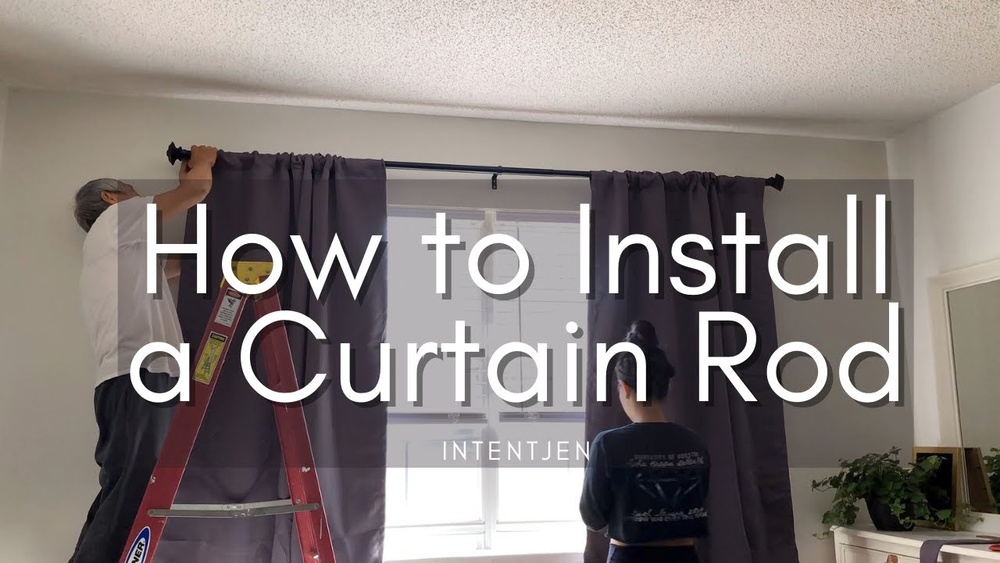
Sunlight can harm your digital piano. It may fade the keys and damage electronics inside. Avoid placing the piano near windows with strong sunlight. Use curtains or blinds to protect it from light. Keeping the piano in shade helps it last longer.
Check Wall Material
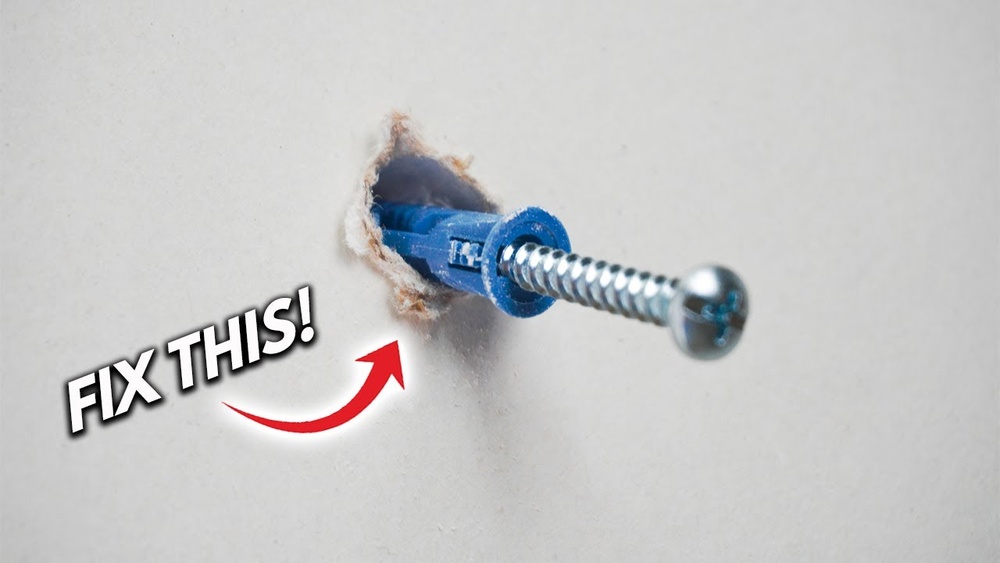
Wall strength matters for anchoring the piano. Drywall alone might not hold the weight well. Look for studs or solid walls like wood or concrete. Use a stud finder to locate strong points. Secure the anchor to a sturdy part to prevent accidents.

Credit: www.sweetwater.com
Gathering Necessary Tools
Before anchoring your digital piano to the wall, gather all necessary tools. This step ensures a smooth and safe installation. Having everything ready saves time and reduces mistakes. Here is what you need to prepare.
Essential Hardware
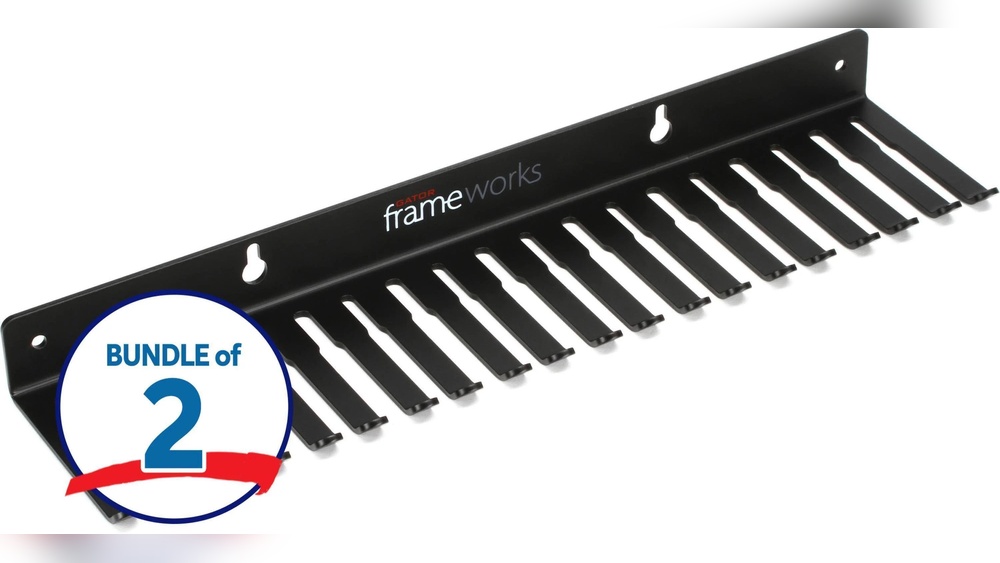
Start with the right hardware to secure your piano firmly. Wall anchors and screws made for your wall type are vital. Use heavy-duty brackets or straps designed for musical instruments. These hold the piano steady and prevent tipping. Check the weight limit on all hardware before buying.
Recommended Tools
Gather tools that make the job easier and accurate. A power drill with the correct drill bits is important. A screwdriver or a drill driver helps tighten screws quickly. A level ensures the piano is perfectly horizontal. Measuring tape helps position the anchors correctly. Pencil marks guide your drilling spots.
Safety Gear
Protect yourself during installation by wearing safety gear. Safety goggles keep dust and debris out of your eyes. Gloves protect your hands from sharp edges and splinters. A dust mask may be needed if you drill into drywall. Wear sturdy shoes to protect your feet from falling tools.
Preparing The Wall
Preparing the wall is the first step to safely anchor your digital piano. This process ensures the piano stays secure and prevents accidents. It involves finding the best spots on the wall to hold the piano firmly. Follow these simple steps to prepare your wall properly.
Locate Studs
Studs are the wooden or metal supports inside the wall. Anchoring into studs gives strong support for heavy items like digital pianos. Use a stud finder tool to locate these studs easily. Move the tool slowly across the wall until it signals a stud. Mark each stud location with a pencil.
Mark Anchor Points
After finding the studs, mark the exact points to place anchors. These points must line up with the piano’s mounting holes. Use a tape measure to keep marks level and even. Double-check the alignment to avoid mistakes. Accurate marks will make installation smooth and safe.
Drill Pilot Holes
Drill small pilot holes at the marked points. These holes guide the screws and prevent the wall from cracking. Use a drill bit slightly smaller than the screw diameter. Drill straight into the stud for maximum hold. Clean any dust from the holes before attaching the anchors.

Credit: www.amazon.com
Securing The Anchor Brackets
Securing the anchor brackets is a key step in safely mounting your digital piano to the wall. Proper attachment keeps the piano stable and prevents accidents. This part needs careful attention and patience. Follow these steps to ensure the brackets hold firmly and your piano stays secure.
Attach Brackets To Wall
Locate the studs in your wall using a stud finder. Mark the spots where the brackets will go. Use a drill to make pilot holes for the screws. Align the brackets with the holes. Fasten the brackets tightly with screws designed for wall mounting. Make sure the brackets are flush against the wall.
Verify Stability
Give each bracket a gentle shake to test its strength. Check for any movement or looseness. Tighten screws if you notice any wobbling. The brackets should feel solid and fixed. This ensures your piano will stay put and not shift over time.
Adjust For Leveling
Place a level on top of the brackets. Check if the surface is perfectly horizontal. Adjust the brackets by loosening screws slightly and shifting them. Re-tighten screws after leveling. A level piano looks better and plays more comfortably. Take time here to get it just right.
Mounting The Digital Piano
Mounting a digital piano to the wall helps save space and keeps it stable. This process requires careful steps to ensure safety and proper support. Follow the instructions below to mount your piano securely.
Align Piano With Brackets
Start by placing the piano near the wall brackets. Make sure the brackets match the mounting holes on the piano. Adjust the piano’s position until it fits perfectly with the brackets. Check that the piano is level and straight to avoid any tilting.
Fasten Piano Securely
Use screws or bolts to attach the piano to the brackets. Tighten each fastener firmly but do not over-tighten. Over-tightening can damage the piano or wall. Ensure all screws are in place and secure for strong support.
Test For Firmness
Gently shake the piano to check its stability. It should feel solid and not move from the wall. If it shifts, tighten the screws again. Confirm the piano is safely anchored before use.

Credit: www.walmart.com
Safety Tips And Maintenance
Securing your digital piano to the wall keeps it safe and stable. Proper safety and regular maintenance help avoid damage. This section covers easy tips to keep your piano anchored and in good shape.
Regularly Check Anchors
Check the wall anchors often. Look for loose screws or cracks. Tighten any loose parts quickly. This stops your piano from falling or shifting. A quick check every few months keeps it secure.
Avoid Excess Weight
Do not place heavy items on the piano. Extra weight can strain the anchors. It may cause the piano to lean or fall. Keep decorations and equipment light and minimal. This protects both the piano and the wall.
Protect Against Moisture
Keep the piano away from damp areas. Moisture can damage both the piano and anchors. Use a dehumidifier if the room is humid. Wipe any spills immediately to prevent rust or warping. Dry conditions help maintain stability and sound quality.
Frequently Asked Questions
How Do I Securely Anchor A Digital Piano To The Wall?
Use heavy-duty brackets designed for musical instruments. Locate wall studs with a stud finder. Attach brackets firmly using screws. Ensure the piano’s weight is supported evenly. This prevents tipping and protects both the piano and your wall.
What Tools Are Needed To Anchor A Digital Piano?
You will need a stud finder, drill, screwdriver, level, and mounting brackets. These tools ensure precise placement and secure attachment. Having the right tools makes installation easier and safer. Always use quality hardware suited for your wall type.
Can Anchoring A Digital Piano Damage My Wall?
If done correctly, anchoring won’t damage your wall. Use wall studs for strong support. Avoid drywall anchors alone for heavy pianos. Proper installation minimizes holes and prevents wall cracks. Always follow manufacturer guidelines for safe mounting.
Why Should I Anchor My Digital Piano To The Wall?
Anchoring prevents the piano from tipping over accidentally. It enhances safety, especially in homes with children or pets. It also keeps the piano stable during play or cleaning. Proper anchoring protects your investment and ensures lasting use.
Conclusion
Anchoring a digital piano to the wall keeps it safe and steady. It stops the piano from tipping or moving during play. Use the right tools and follow the steps carefully. Always check the wall type before drilling holes. Secure anchoring helps protect your instrument and your space.
Take your time and work with care. This simple task adds stability and peace of mind. Your piano stays where it belongs—ready for music anytime.