Are you struggling to hang your curtain rods securely? If your walls don’t have studs where you need them, regular screws just won’t hold.
That’s where wall anchors come in. They give your curtain rods the strong support they need to stay put, even with heavy curtains. In this guide, you’ll learn simple, step-by-step instructions to install wall anchors like a pro. By the end, you’ll feel confident that your curtains will stay up safely and look great.
Keep reading, and let’s get those rods hanging perfectly!
Credit: www.amazon.sg
Choosing The Right Wall Anchors
Choosing the right wall anchors is crucial for a secure curtain rod installation. The proper anchors hold the weight safely and keep the rod steady. Selecting anchors that fit your wall type and the curtain rod’s weight ensures durability.
Types Of Wall Anchors
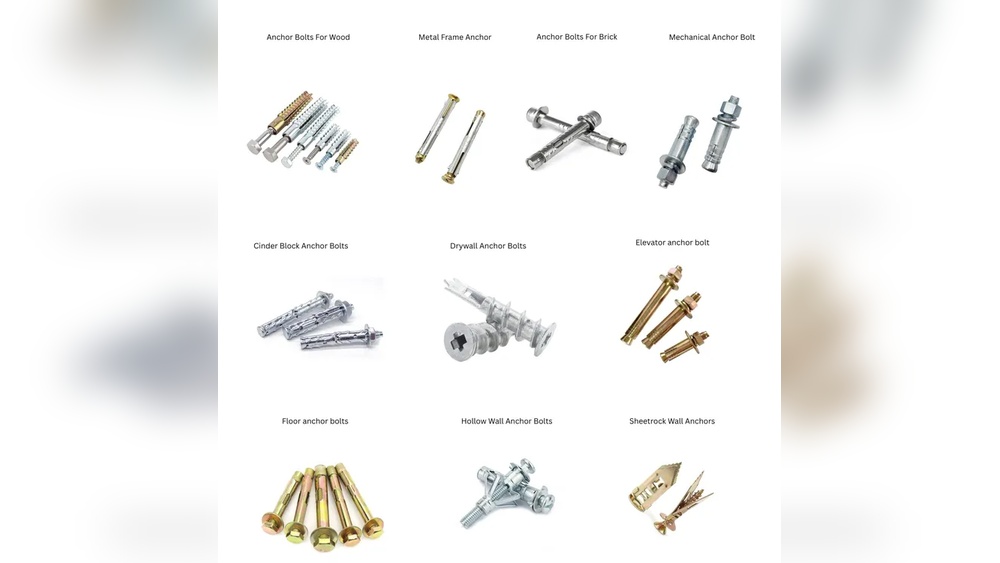
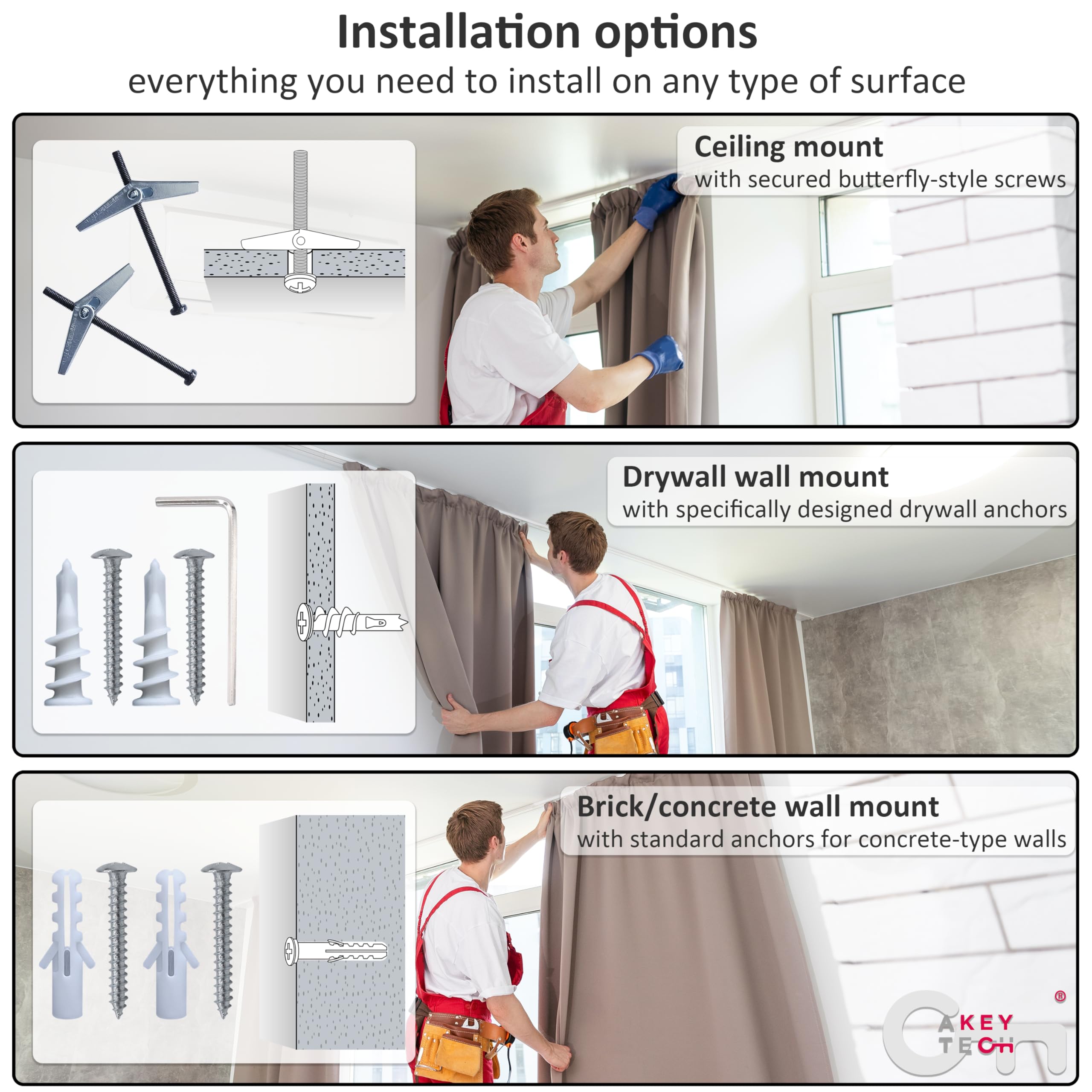
There are several types of wall anchors for different needs. Plastic expansion anchors are common and easy to use. They work best for light loads in drywall. Toggle bolts spread behind the wall for strong support. Molly bolts expand inside the wall for medium-heavy items. Self-drilling anchors screw directly into drywall without a pilot hole.
Matching Anchors To Wall Material
Each wall type needs specific anchors for best results. Drywall requires plastic anchors, toggle bolts, or molly bolts. For plaster walls, use toggle or molly anchors for a firm hold. Concrete or brick walls need masonry anchors or screws. Choosing anchors made for your wall material prevents damage and failure.
Weight Capacity Considerations
Check the weight rating of each wall anchor before use. Light curtains need anchors rated for 10 to 20 pounds. Heavy curtains need anchors that hold 50 pounds or more. Always choose anchors with a higher weight limit than your curtains. This ensures safety and prevents the rod from falling.
Gathering Necessary Tools
Before installing wall anchors for curtain rods, gather all necessary tools. Having everything ready makes the process smooth and faster. It helps to avoid interruptions and mistakes.
Essential Tools List
Start with a drill and drill bits. Choose bits that fit the size of your wall anchors.
Use a screwdriver for tightening screws securely. A tape measure helps to mark exact spots on the wall.
Include a pencil for marking holes. A level ensures the curtain rod stays straight.
Wall anchors and screws come with your curtain rod kit or can be bought separately. Having a hammer is useful for tapping anchors into the wall.
Safety Equipment
Protect your eyes with safety goggles. Dust and debris can cause injuries during drilling.
Wear gloves to protect your hands from sharp tools. Ear protection helps if the drill noise is loud.
Keep a first aid kit nearby for small cuts or scrapes. Safety is important for a stress-free project.
Preparing The Wall
Preparing the wall is the first step in installing wall anchors for curtain rods. This step ensures the curtain rod is secure and safe to use. Proper preparation helps avoid damage to the wall and makes the installation process easier. Take your time to measure and check the wall carefully.
Measuring And Marking Placement
Measure the width of your window to know where the curtain rod will go. Use a tape measure and mark the spot with a pencil. Mark both ends where the brackets will attach. Make sure the marks are level so the curtain rod hangs straight. Use a level tool to double-check your marks. Accurate marks make the installation smooth.
Locating Studs And Avoiding Wiring
Studs are the wooden beams behind drywall that hold weight. Use a stud finder to locate these studs. Anchors work best when attached to studs for extra strength. Also, be careful of electrical wiring inside the wall. A wire detector helps you avoid drilling into live wires. Safety first—always check for wires before drilling.
Drilling Pilot Holes
Drilling pilot holes is a key step for installing wall anchors securely. These small holes guide the screws and prevent the wall from cracking. Taking time to drill pilot holes properly makes the curtain rod sturdy and safe. It also helps the anchors hold tight inside the wall.
Choosing The Right Drill Bit
Select a drill bit that matches the size of the wall anchor. If the bit is too big, the anchor will be loose. If it is too small, the anchor won’t fit or the wall may crack. Use a standard drill bit for wood or drywall. For masonry or concrete walls, use a masonry drill bit. Check the anchor package for size recommendations before drilling.
Drilling Techniques For Different Walls
Drilling into drywall is easy. Use a slow speed and steady pressure. Avoid pushing too hard to stop damage. For plaster walls, drill slowly and use a smaller bit first. This prevents cracking. Brick or concrete walls need a hammer drill or a special masonry bit. Drill straight and pause often to clear dust. This makes a clean hole for the anchor to fit tightly.
Installing The Wall Anchors
Installing wall anchors is a key step to hang curtain rods safely. Anchors hold the screws tightly in the wall. This prevents the rod from falling or pulling out. Choosing the right anchor type depends on your wall material and the rod’s weight. Follow these steps to install anchors correctly and ensure strong support.
Inserting Plastic Anchors
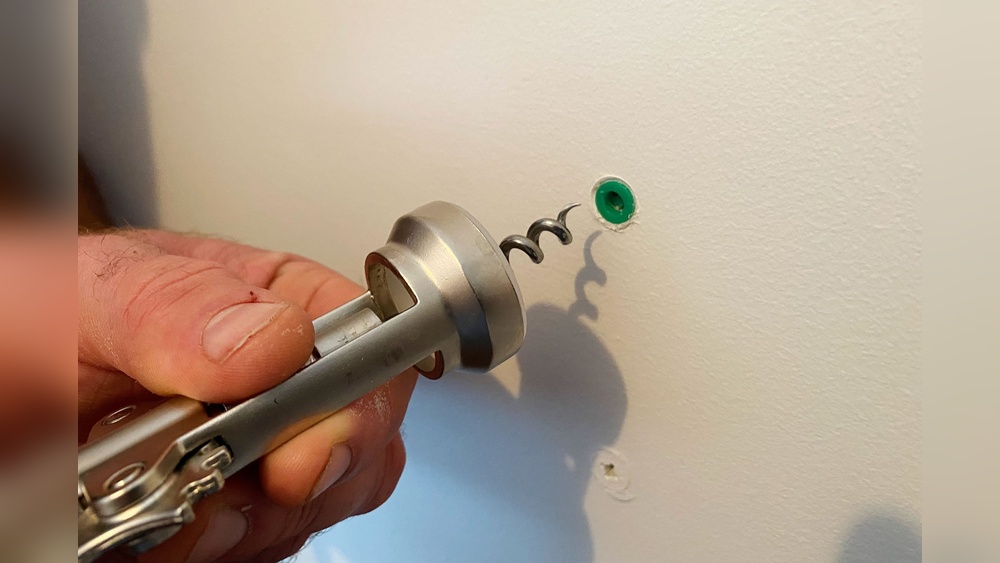
Start by drilling a hole in the wall. Use a drill bit that matches the anchor size. Push the plastic anchor gently into the hole. Tap it lightly with a hammer until it is flush with the wall. Plastic anchors work best for light to medium loads on drywall.
Using Toggle And Molly Bolts
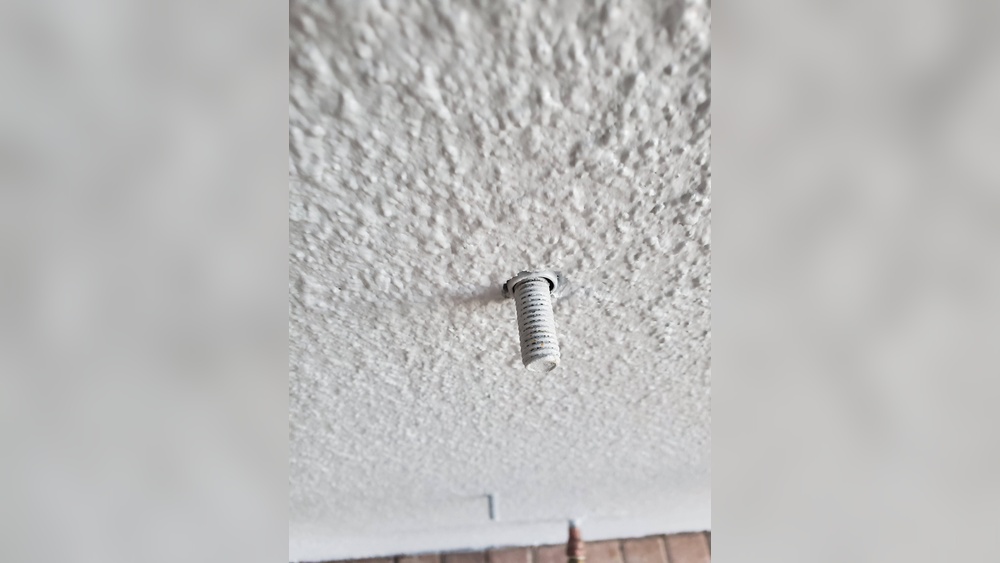
Toggle bolts and molly bolts hold heavier curtain rods. For toggle bolts, fold the wings and push through the hole. The wings open behind the wall to grip firmly. Molly bolts expand inside the wall after tightening the screw. Both types give strong hold in drywall and hollow walls.
Securing Anchors Firmly
Place the anchor fully inside the hole. Tighten the screw slowly. This pulls the anchor tight against the wall. Avoid over-tightening to prevent damage. Check if the anchor feels stable by gently pulling the screw. A firm anchor means your curtain rod will stay secure.
Mounting The Curtain Rod Brackets
Mounting the curtain rod brackets is a key step in hanging your curtains securely. Proper bracket installation ensures your curtains hang straight and hold the rod’s weight. This step requires careful alignment and firm attachment to the wall anchors. Follow these simple steps for a strong and stable setup.
Aligning Brackets With Anchors
Start by holding the bracket against the wall where you placed the anchors. Match the bracket holes with the wall anchors exactly. Check that the bracket is level and straight. Use a level tool or measure from the ceiling for accuracy. Proper alignment avoids crooked curtains and stress on the anchors.
Screwing Brackets In Place
Insert screws through the bracket holes into the wall anchors. Tighten each screw slowly using a screwdriver. Make sure the screws fit snugly without over-tightening. Over-tightening can damage the anchors or wall. Secure brackets firmly so they do not move or wobble. Test the bracket by gently pulling on it to check stability.
Final Checks And Adjustments
After installing wall anchors for your curtain rods, the final step is to check and adjust everything. This step ensures your curtains hang safely and look great. Taking time here avoids future problems like falling rods or crooked curtains.
Testing Stability
Gently pull on the curtain rod to test its strength. The rod should not move or wiggle. If it feels loose, tighten the screws or check the wall anchors. A firm rod means the anchors hold well in the wall. Stability is key for safety and function.
Adjusting Curtain Rod Position
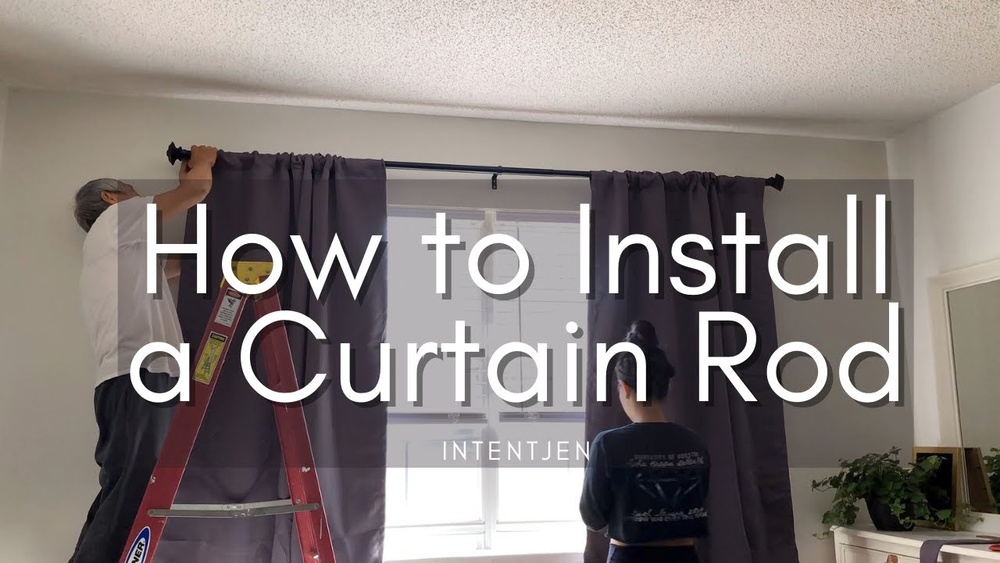
Look closely at the curtain rod’s alignment. It should be straight and level across the window. Use a level tool to check this. If the rod tilts, loosen the screws slightly. Move the rod up, down, or sideways as needed. Tighten screws once the position looks right. Proper placement improves the room’s look and curtain function.

Credit: www.amazon.com

Credit: www.youtube.com
Frequently Asked Questions
What Are The Best Wall Anchors For Curtain Rods?
Plastic expansion anchors and metal toggle anchors work best for curtain rods. Choose based on wall type and rod weight. Plastic anchors suit drywall, while metal toggles hold heavier rods securely in hollow walls.
How Do I Choose The Right Wall Anchor Size?
Pick wall anchors slightly larger than the screw diameter. This ensures a tight fit and strong hold. Check the curtain rod’s weight and select anchors accordingly to prevent damage or falling.
Can I Install Wall Anchors Without A Drill?
Yes, for small plastic anchors, you can gently tap them into a pre-made hole. However, drilling is recommended for precise holes and stronger support, especially for heavy curtain rods.
How Deep Should I Drill For Wall Anchors?
Drill a hole 1/4 inch deeper than the anchor length. This allows the anchor to fit completely and hold firmly. Depth varies with anchor type, so follow package instructions for best results.
Conclusion
Installing wall anchors for curtain rods makes your setup strong and steady. Choose the right anchor type for your wall to avoid damage. Drill carefully and insert anchors firmly to hold the weight well. Tighten screws without forcing to keep everything secure.
This simple process helps hang curtains safely and neatly. Follow these steps to enjoy a tidy, lasting window treatment.