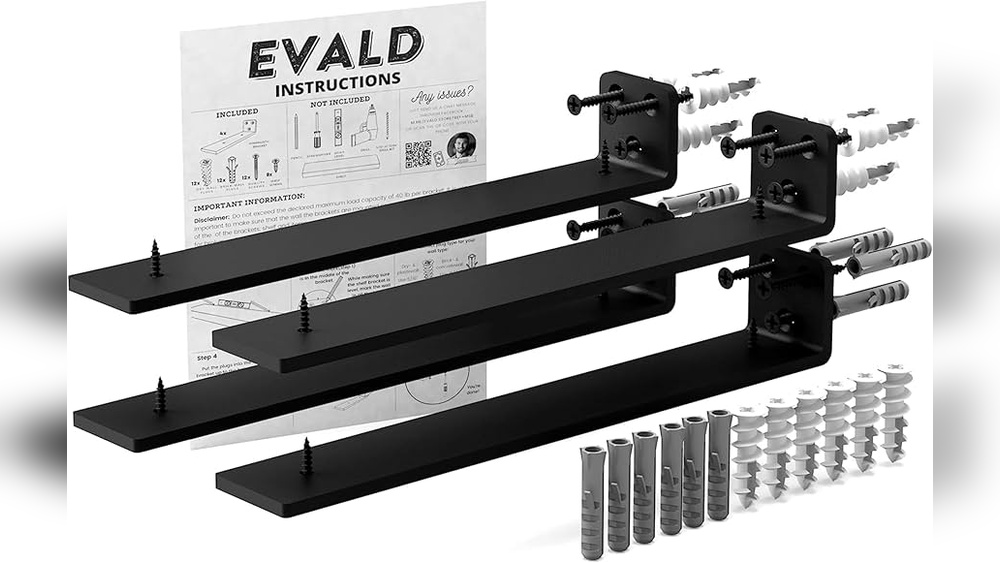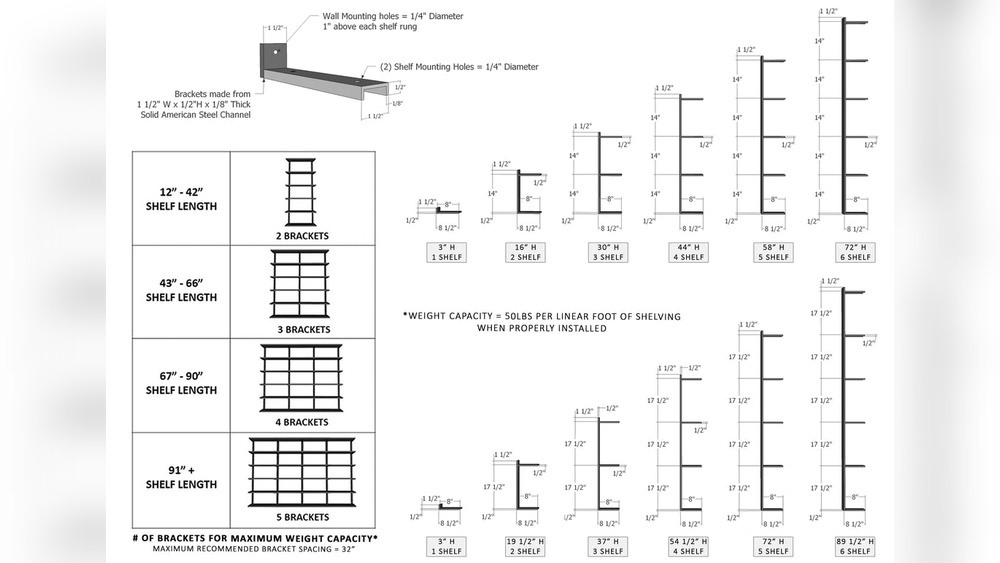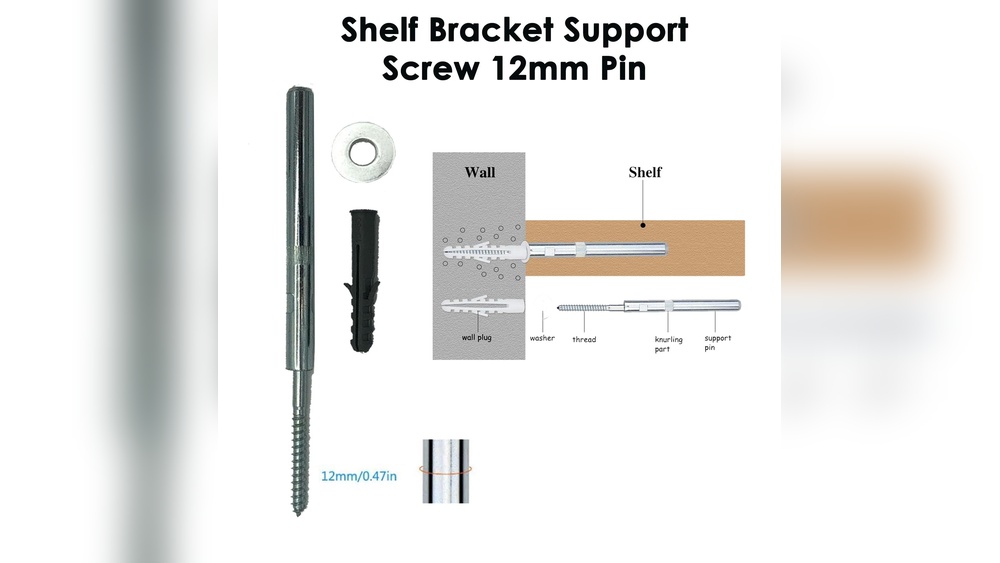
Choosing the right size screw for your shelf bracket might seem simple, but it can make all the difference in keeping your shelves sturdy and safe. If you use screws that are too small, your shelf could wobble or even fall.
Too big, and you risk damaging your wall or bracket. You want your shelves to hold your favorite books, decorations, or essentials without any worry. You’ll discover exactly which screw sizes work best for different types of shelf brackets and walls.
Keep reading to make sure your shelves stay strong and secure every time.
Choosing Screw Types
Choosing the right screw type is key for a strong shelf bracket. The screw must fit the wall and bracket material. Different walls need different screws. This section explains common screw types for shelf brackets.
Wood Screws
Wood screws work well with wooden studs or shelves. They have a sharp tip for easy wood entry. Choose screws long enough to go deep into the wood. This ensures a tight hold and prevents wobbling.
Drywall Anchors
Drywall anchors support screws in hollow walls. They spread the load to stop screws from pulling out. Use anchors if no studs are behind the drywall. Match anchors to the screw size for best strength.
Masonry Screws
Masonry screws fix brackets into brick or concrete walls. They are tough and resist breaking in hard materials. Pre-drill holes before inserting these screws. This keeps walls safe and holds the bracket firmly.

Credit: vadania.com
Determining Screw Length
Choosing the right screw length for a shelf bracket is key for strong support. Too short screws can cause the shelf to wobble or fall. Too long screws may damage the wall or bracket. Knowing how to measure the correct length helps keep shelves safe and steady.
Bracket Thickness
Start by measuring the thickness of the shelf bracket. This is the part the screw goes through first. The screw must be long enough to pass through the bracket completely. Add this thickness to the length needed for the wall.
Wall Material Considerations
The type of wall affects screw length choice. Drywall needs longer screws for anchors or studs. Wood walls require screws deep enough to grip firmly. Concrete or brick walls need special anchors and longer screws. Match screw length to wall type for best hold.
Shelf Weight Support
Heavier shelves need longer and thicker screws for safety. The screw must hold the bracket and shelf weight without bending. Check the shelf load and pick screws that handle extra weight. Strong screws prevent accidents and keep shelves sturdy.
Selecting Screw Diameter
Choosing the right screw diameter is key for strong shelf brackets. Screws too thin may not hold weight well. Thicker screws offer better support and safety.
Common Screw Sizes
Shelf brackets need screws that fit well. The most common screw sizes for shelf brackets are 6, 8, and 10. These sizes work with most wall types and bracket holes. Smaller screws like 6 fit light shelves. Bigger screws like 10 handle heavier loads. Choose a size that matches your bracket holes and wall type.
Load Capacity And Diameter
Screw diameter affects how much weight the shelf can hold. Thicker screws support more weight. Thin screws may bend or break under heavy loads. For heavy shelves, use screws with larger diameters. Check the bracket’s instructions for recommended screw size. Matching diameter to load keeps shelves stable and safe.
Balancing Strength And Aesthetics
Strong screws matter, but appearance does too. Large screws look bulky and may ruin shelf style. Smaller screws look neat but might not hold enough weight. Pick screws that balance strength and look. Use screws with heads that match your shelf design. This keeps shelves safe and attractive.

Credit: www.amazon.com
Matching Screws To Wall Types
Choosing the right screw size depends on the wall type you have. Different walls need different screws for strong shelf support. Using the correct screws helps keep your shelves steady and safe. Here is a guide to match screws to common wall types.
Drywall Installation Tips
Drywall is soft and needs special screws. Use drywall anchors to hold screws firmly. Screws should be at least 1.5 inches long. This length helps reach the anchor behind the drywall. Avoid short screws; they can loosen easily.
Mounting On Concrete Or Brick
Concrete and brick walls are tough. Use masonry screws or anchors made for hard surfaces. Drill a hole with a masonry bit before inserting the screw. Screws must be at least 2 inches long for a strong hold. Use anchors that expand inside the hole for extra grip.
Using Studs For Extra Support
Studs are wooden beams behind drywall. Screwing directly into studs offers the strongest support. Use wood screws at least 2 inches long. First, find the stud with a stud finder. This method holds heavy shelves safely on any wall.
Tools And Techniques
Choosing the right tools and techniques is key for installing shelf brackets securely. Proper tools help avoid damage and ensure strong support. Techniques like drilling pilot holes and using anchors correctly improve the shelf’s hold. Let’s explore the best methods to install screws for shelf brackets safely and efficiently.
Pilot Holes And Drilling
Drilling pilot holes makes screw installation easier. It guides the screw and stops wood from splitting. Use a drill bit slightly smaller than the screw’s diameter. Drill straight into the bracket mark for accuracy. Pilot holes help screws go in smoothly and hold tight.
Using Anchors Correctly
Anchors give extra strength when fixing brackets to drywall or hollow walls. Choose anchors that fit the screw size and wall type. Insert the anchor fully into the hole before screwing. This prevents the bracket from loosening over time. Proper anchor use supports heavier shelves safely.
Torque And Tightening Tips
Tighten screws firmly but not too much. Over-tightening strips the hole or breaks the screw. Use a screwdriver or drill with adjustable torque settings. Stop tightening when the bracket feels secure and does not move. Balanced torque keeps the shelf bracket stable and lasting.

Credit: www.amazon.com
Common Mistakes To Avoid
Choosing the right screw for your shelf bracket is important. Mistakes can cause damage or weak support. Avoiding common errors helps keep your shelves strong and safe. Here are some common mistakes to watch for.
Using Incorrect Screw Length
Screws that are too short may not hold the bracket firmly. This can cause the shelf to fall. Screws that are too long can damage the wall or bracket. Measure carefully and pick the right length for your shelf bracket.
Ignoring Wall Material
Different walls need different screws. Drywall needs anchors for strong support. Wood walls work well with wood screws. Concrete or brick walls require special masonry screws. Know your wall type to choose the best screw.
Over-tightening Screws
Tightening screws too much can strip the hole or crack the wall. It weakens the hold and can break the bracket. Stop turning once the screw feels tight and secure. Gentle but firm is the best way.
Frequently Asked Questions
What Size Screw Is Best For Shelf Brackets?
A 8 or 10 screw is ideal for most shelf brackets. Length should be 1. 5 to 2. 5 inches depending on wall type. Use wood screws for wooden studs and anchors with screws for drywall installation.
How To Choose Screw Length For Shelf Brackets?
Screw length depends on wall material. Use longer screws (2-2. 5 inches) for studs and shorter (1. 5-2 inches) for drywall anchors. Ensure screws penetrate deep enough to hold weight securely.
Can I Use Drywall Anchors With Shelf Screws?
Yes, drywall anchors support screws when no studs are available. Use anchors rated for the shelf’s weight. Combine with 8 or 10 screws for secure mounting.
What Screw Type Works Best For Metal Shelf Brackets?
Use self-tapping or machine screws with metal brackets. Choose size 8 or 10, length 1. 5 to 2 inches. Match screw type to wall material for best results.
Conclusion
Choosing the right screw size keeps your shelf strong and steady. Too small screws may not hold well. Too big screws can damage the wall or bracket. Check the bracket’s instructions for the best fit. Use screws made for the wall type, like wood or drywall.
Proper screws make your shelf safe and long-lasting. Take time to pick the right size. It helps avoid repairs later. Strong shelves hold your items with ease. Simple steps, big difference.