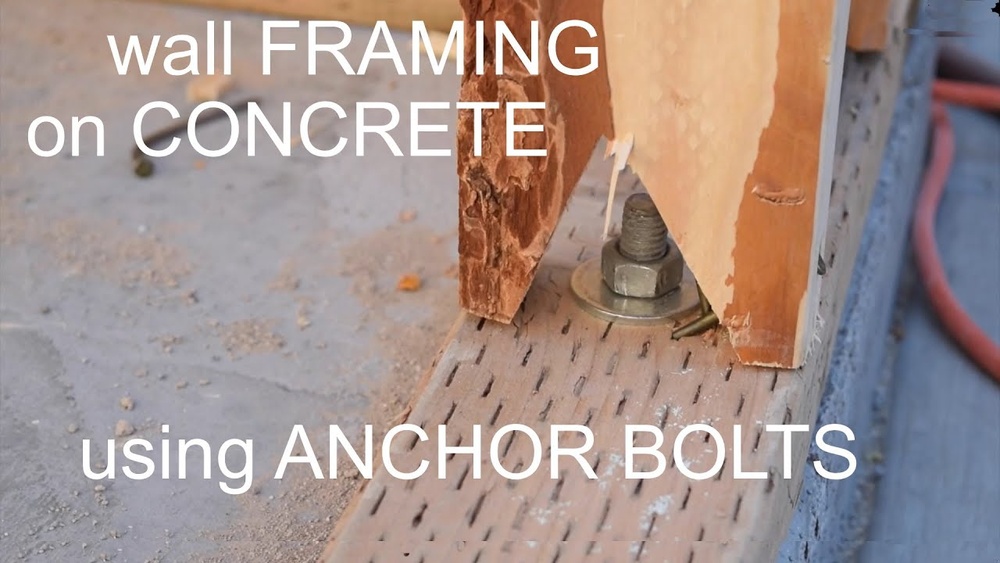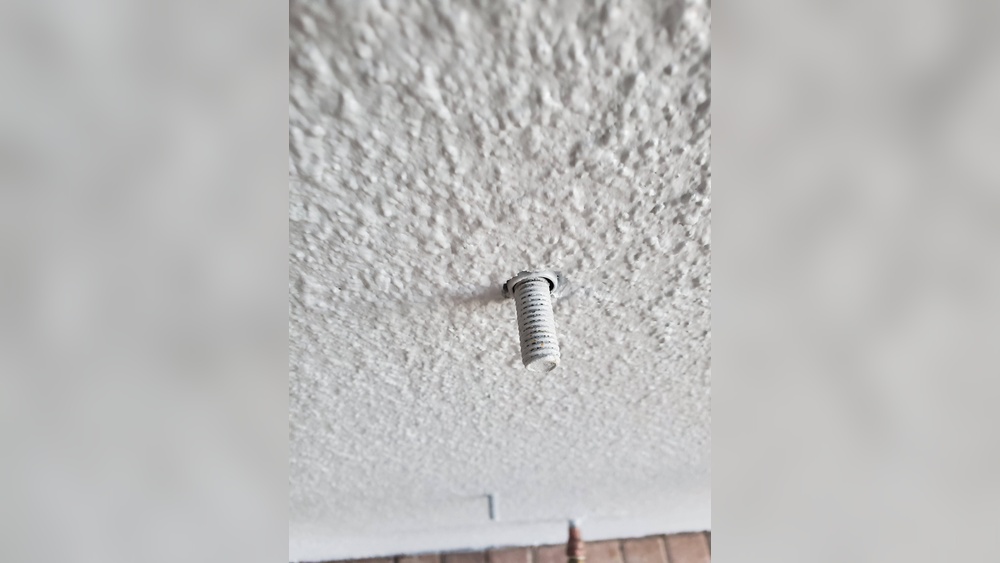
Have you ever faced the frustration of trying to remove concrete anchors from your wall? Whether you’re redecorating, fixing a mistake, or just need a clean surface, getting those stubborn anchors out can feel like a tough challenge.
But what if you could do it quickly, safely, and without damaging your wall? You’ll discover simple, effective methods to remove concrete anchors with ease. Keep reading, and you’ll gain the confidence to tackle this task yourself—and save time and money in the process.
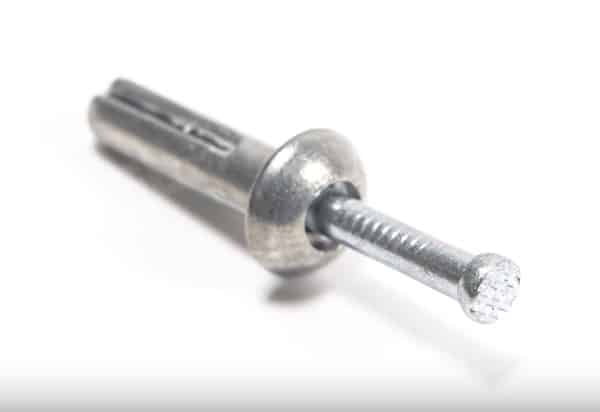
Credit: www.gilgharda.com
Types Of Concrete Anchors
Concrete anchors hold objects firmly to walls or floors. They come in different types, each designed for specific uses and materials. Knowing the types helps to remove them properly without damaging the surface. Here are common concrete anchors you might find in your walls.
Expansion Anchors
Expansion anchors work by expanding inside the hole. They fit into drilled holes in concrete. When you tighten the screw, the anchor expands and grips the wall. They are easy to install and hold light to medium loads.
Sleeve Anchors
Sleeve anchors have a metal sleeve around the bolt. The sleeve expands as you tighten the bolt. This creates a strong hold inside the concrete. They are good for medium to heavy loads and are used in both concrete and brick.
Wedge Anchors
Wedge anchors are strong and designed for heavy-duty tasks. They have a wedge-shaped end that pulls tight inside the hole. Tightening the nut pulls the wedge firmly against the concrete. These anchors are permanent and hold heavy objects securely.
Drop-in Anchors
Drop-in anchors sit flush inside the concrete. You insert them into a drilled hole, then set the anchor with a special tool. The anchor expands inside the hole to hold tightly. They work well for overhead fixtures and heavy loads.

Credit: www.youtube.com
Safety Precautions
Removing concrete anchors from a wall can be tricky. Safety is very important during this task. Taking proper precautions helps avoid injuries and damage. Follow these safety steps before you start.
Wear Protective Gear
Always wear safety glasses to protect your eyes from dust and debris. Use gloves to protect your hands from sharp edges. Wear a dust mask to avoid breathing in concrete dust. Wear sturdy shoes to protect your feet from falling objects.
Clear The Work Area
Remove any furniture or items near the wall. This gives you space to work safely. Clear the floor to avoid tripping over objects. Keep children and pets away from the work area. Good lighting helps you see clearly and work safely.
Use Proper Tools
Use tools made for removing concrete anchors. Avoid using damaged or worn-out tools. Power tools should have safety guards in place. Read the tool instructions before starting. Hold tools firmly and work slowly to prevent accidents.
Tools Needed
Removing concrete anchors from a wall needs the right tools. Using proper tools makes the job easier and safer. Gather all items before starting the work. This saves time and avoids frustration.
Hammer And Chisel
A hammer and chisel help break concrete around the anchor. Use the chisel to chip away the wall gently. Tap the chisel with a hammer carefully. This loosens the anchor without damaging the wall much. Choose a chisel with a sharp edge for best results.
Drill And Bits
A drill with metal or masonry bits drills into the anchor or wall. This helps remove stubborn anchors stuck deep inside. Use a bit size slightly smaller than the anchor. Drill slowly to avoid cracking the wall. Always wear safety glasses during drilling.
Pliers And Wrenches
Pliers and wrenches grip and turn the anchor. Use locking pliers for a strong hold. Turn the anchor counterclockwise to unscrew it. Wrenches help with larger anchors needing more force. These tools work best for screw-type anchors.
Angle Grinder
An angle grinder cuts through metal anchors quickly. Use a cutting disc suitable for metal. Hold the grinder firmly and cut carefully near the wall surface. This tool removes anchors flush with the wall. Wear protective gear to avoid sparks and dust.
Removing Anchors With Hammer And Chisel
Removing concrete anchors with a hammer and chisel is a simple, low-cost method. This technique works best for small anchors embedded in walls. It requires care and patience to avoid wall damage. Follow these steps to remove anchors safely and effectively.
Loosening The Anchor
Start by placing the chisel edge at the base of the anchor. Tap the chisel gently with the hammer to loosen the anchor. Move the chisel around the anchor to loosen it evenly. Avoid hitting too hard to prevent wall cracks. Loosening makes prying easier and reduces wall damage.
Prying Out The Anchor
After loosening, position the chisel under the anchor’s edge. Use the hammer to tap and pry the anchor outward slowly. Work the chisel deeper as the anchor moves. Pull the anchor out carefully to avoid breaking the wall surface. Repeat the process until the anchor is fully removed.
Using A Drill To Extract Anchors
Using a drill to extract concrete anchors is a practical method. It saves time and effort compared to other tools. This technique works best for anchors that are stuck or flush with the wall. A drill makes it easier to break the anchor free from the concrete.
Drilling Around The Anchor
Start by selecting a drill bit slightly smaller than the anchor. Drill carefully around the edge of the anchor. This loosens the grip between the anchor and the wall. Keep the drill steady to avoid damaging the wall. Drill just enough to create space around the anchor. Avoid drilling too deep into the wall.
Removing The Anchor Remnants
After drilling, use a screwdriver or pliers to remove the loosened anchor. Pull gently to avoid wall damage. If parts of the anchor remain inside, drill them out slowly. Clear the hole of any debris with a brush or vacuum. This prepares the wall for patching or new anchors.

Credit: www.youtube.com
Leveraging Pliers And Wrenches
Pliers and wrenches are simple tools that help remove concrete anchors from walls. They give you a good grip and let you apply strong force.
These tools work well with different types of anchors. You can unscrew some anchors or pull others out easily. Using them saves wall damage and time.
Unscrewing Threaded Anchors
Threaded anchors have a screw part inside the wall. Use pliers to hold the anchor firmly. Turn the wrench counterclockwise to unscrew the anchor slowly.
Keep turning until the anchor loosens and comes out. If it is stuck, wiggle it gently with pliers. Avoid using too much force to prevent wall cracks.
Pulling Out Small Anchors
Small anchors often do not have threads. Grab the anchor head tightly with pliers. Pull straight out with steady pressure.
If the anchor is deep, use the wrench to add leverage. Pull slowly to avoid tearing the wall surface. Repeat until the anchor is free.
Cutting Anchors With An Angle Grinder
Cutting concrete anchors with an angle grinder is a quick way to remove stubborn fasteners. This tool makes the job easier by slicing through metal anchors fast. Knowing how to use the angle grinder properly keeps the work safe and effective.
Preparing The Anchor For Cutting
Clear the area around the anchor first. Remove any dirt or debris that blocks your view. Mark the spot on the anchor where you will cut. Use a pencil or marker to draw a straight line. Secure the grinder’s cutting disc and check it for damage. Wear protective gloves and safety glasses. Make sure the grinder’s power cord is away from the cutting area. Stand in a stable position to keep balance.
Safe Cutting Techniques
Turn on the angle grinder and let it reach full speed. Slowly bring the disc to the marked line on the anchor. Apply gentle pressure and do not force the blade. Keep the grinder steady and move it along the mark. Avoid cutting too deep at once to prevent sparks or damage. Stop frequently to check progress and rest the tool. Always watch for flying sparks and wear protective gear. After cutting, switch off the grinder and wait for the blade to stop spinning before setting it down.
Repairing Wall Damage After Removal
Removing concrete anchors from a wall often leaves holes and cracks. These imperfections make the wall look rough and unfinished. Repairing the damage is important to restore the wall’s smooth and clean surface. Proper repair work improves the wall’s appearance and prepares it for painting or other finishes.
Filling Holes And Cracks
Start by cleaning the holes and cracks. Remove any loose debris or dust. Use a putty knife to apply wall filler or spackling compound. Press the filler firmly into the holes. Overfill slightly to allow for shrinkage. Let the filler dry completely before moving on.
Sanding And Smoothing
Once the filler is dry, sand the area gently. Use fine-grit sandpaper for a smooth finish. Sand until the surface is even with the rest of the wall. Wipe away dust with a damp cloth. A smooth surface helps paint stick better and look neat.
Painting And Finishing
Prime the repaired area first to seal the filler. After the primer dries, apply paint that matches the wall color. Use a brush or roller for even coverage. Apply multiple thin coats for the best results. Let the paint dry fully between coats for a flawless finish.
Tips For Preventing Anchor Damage
Removing concrete anchors can be tricky if damage occurs. Preventing damage starts before drilling. Careful choices and proper steps protect your wall and tools. These tips help keep the wall strong and avoid extra repair work.
Choosing The Right Anchor
Select an anchor that fits the wall type and load needs. Lightweight anchors suit small pictures. Heavy-duty anchors hold shelves or large items. Using the wrong anchor leads to wall cracks or anchor failure. Check the package for wall compatibility. Match anchor size to the screw and hole for a tight fit.
Proper Installation Techniques
Drill a clean hole slightly smaller than the anchor diameter. Use a drill bit made for concrete or masonry. Clean dust from the hole before inserting the anchor. Insert the anchor straight, not at an angle. Tighten screws gently to avoid cracking the wall. Stop if the anchor feels loose or the wall shows stress.
Frequently Asked Questions
How Do I Safely Remove Concrete Anchors From A Wall?
Use a hammer and punch to tap the anchor out gently. Wear safety goggles and gloves. Avoid damaging the wall by working slowly and carefully.
What Tools Are Needed To Remove Concrete Anchors?
You need a hammer, punch, pliers, and a drill with a bit. These help loosen and extract the anchors safely and efficiently.
Can I Remove Concrete Anchors Without Wall Damage?
Yes, by using the right tools and techniques. Tap the anchor out gently and avoid excessive force to protect the wall surface.
How To Remove Stubborn Concrete Anchors Effectively?
Try drilling around the anchor to loosen it. Use pliers or a punch to pull or tap it out carefully.
Conclusion
Removing concrete anchors from walls can be simple with the right tools. Always work carefully to avoid damage to your wall. Use common methods like pulling, twisting, or drilling to get the anchor out. Take your time and follow safety steps to protect yourself.
Practice makes the process easier and faster. Now you can handle anchor removal with confidence and keep your walls looking good.