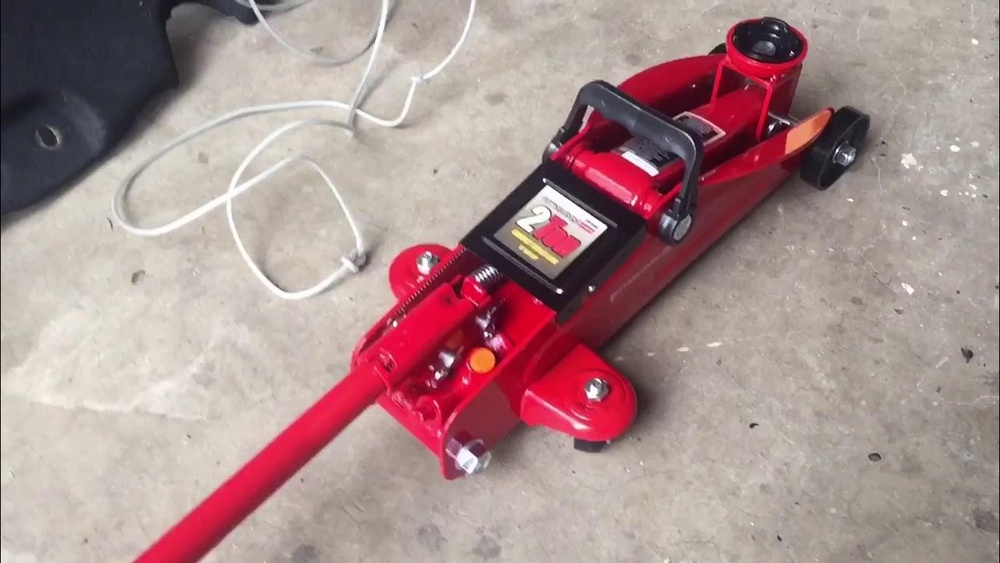
If you own a car, knowing how to use a hydraulic floor jack can save you time, money, and frustration. But using it the wrong way can be dangerous and cause damage to your vehicle or even injure you.
You want to lift your car safely and confidently every time. This guide will show you exactly how to handle your hydraulic floor jack properly, step by step. By the end, you’ll feel ready to tackle tire changes or repairs without worry.
Keep reading to learn the simple, essential tips that will make your work easier and safer.
Choosing The Right Jack
Choosing the right hydraulic floor jack is important for safety and ease. Picking the correct jack helps you lift vehicles smoothly. It also protects your vehicle and yourself from accidents. Consider key factors before buying a jack. These include the type, weight capacity, and brand quality. Each factor plays a role in how well the jack will work for you.
Types Of Hydraulic Floor Jacks
Hydraulic floor jacks come in various types. The most common are trolley jacks and bottle jacks. Trolley jacks have a flat base and wheels for easy movement. They work well on cars and light trucks. Bottle jacks are smaller and shaped like a bottle. They fit in tight spaces but may not roll easily. Choose a type based on your vehicle size and workspace.
Weight Capacity Considerations
Check the weight capacity of the jack before purchase. It must support the vehicle’s weight safely. Pick a jack with a higher capacity than your vehicle weight. For example, a 3-ton jack suits most cars and small trucks. Using a jack with low capacity risks damage or failure. Always know your vehicle’s weight to avoid accidents.
Quality And Brand Factors
Quality matters in hydraulic floor jacks. A well-built jack lasts longer and works better. Look for jacks made from strong steel or alloy. Trusted brands often offer better safety features. They also provide warranties and good customer support. Avoid very cheap jacks with poor reviews. Investing in quality ensures safe and reliable lifting.
Credit: tameson.com
Preparing The Vehicle
Preparing the vehicle before using a hydraulic floor jack is essential for safety. Taking simple steps can prevent accidents and damage. This section explains how to prepare your vehicle properly.
Selecting A Safe Location
Choose a flat, solid surface to park your vehicle. Avoid soft or uneven ground. Concrete or asphalt works best. This keeps the jack stable and prevents slipping. Make sure the area has enough space around the vehicle to work comfortably.
Engaging The Parking Brake
Always set the parking brake before lifting the vehicle. This stops the wheels from moving. Engage the brake firmly to keep the vehicle steady. Double-check that the brake holds the car in place before continuing.
Using Wheel Chocks
Place wheel chocks on the wheels that will stay on the ground. This adds extra security by stopping any roll. Use chocks made of rubber or wood for better grip. Position them snugly against the tires to hold the vehicle firmly.
Positioning The Jack
Positioning the hydraulic floor jack correctly is essential for safe lifting. Proper placement prevents damage to your vehicle and ensures stability. This step requires attention and care before you start lifting.
Locating Jack Points On The Vehicle
Every vehicle has specific jack points designed to support its weight. These points are usually reinforced metal areas under the car. Check your owner’s manual to find exact locations. Using these spots keeps the car balanced and prevents damage.
Aligning The Jack Properly
Place the jack saddle directly under the jack point. Make sure the jack is level and stable on the ground. Keep the jack handle straight and easy to operate. Proper alignment helps lift the car evenly without slipping.
Avoiding Unsafe Contact Areas
Never place the jack on plastic parts, exhaust pipes, or fragile areas. These parts can break or bend under pressure. Avoid soft or uneven ground that can cause the jack to tip. Always use a solid, flat surface to keep the jack steady.
Operating The Jack Safely
Operating a hydraulic floor jack safely is very important. It protects you and your vehicle from accidents. Understanding how to control the jack helps keep the vehicle stable. It also prevents damage to the jack or car. Follow simple steps to lift your vehicle with care and confidence.
Pump Techniques For Lifting
Start by placing the jack under the vehicle’s lifting point. Pump the handle slowly and steadily. Avoid quick or jerky movements. This helps the jack lift smoothly and evenly. Stop pumping once the vehicle is high enough to work on. Do not pump past the jack’s maximum height.
Monitoring Vehicle Stability
Check the vehicle’s position on the jack often. Make sure the car does not rock or shift. Keep the jack base flat and stable on the ground. Use wheel chocks to stop the vehicle from rolling. Never work under a vehicle supported only by a jack.
Common Mistakes To Avoid
Do not place the jack on uneven or soft surfaces. Avoid lifting the vehicle from weak points. Do not overload the jack beyond its weight limit. Never crawl under the car without extra support like jack stands. Avoid rushing the lifting process to prevent accidents.
Securing The Lifted Vehicle
Securing the lifted vehicle is the most important step after using a hydraulic floor jack. It keeps you safe while you work under the car. A lifted vehicle can fall if not properly supported. Taking the right safety measures prevents accidents and injuries.
Using Jack Stands Correctly
Place jack stands under strong points of the vehicle. Look for the manufacturer’s recommended spots. Lower the car slowly onto the stands. Make sure the stands are stable on flat, solid ground. Never use a jack alone to hold the car up.
Double-checking Stability
After setting the vehicle on jack stands, gently shake the car. Check for any movement or wobbling. If the vehicle moves, adjust the stands or reposition them. Stability is key before starting any work under the car.
Never Relying Solely On The Jack
The hydraulic floor jack is only for lifting. It is not designed to hold the vehicle for long. Always use jack stands to support the weight. Remove the jack after the car is secured on the stands. This reduces the risk of sudden failure or accidents.
Lowering The Vehicle
Lowering a vehicle with a hydraulic floor jack needs care and attention. It is important to follow safe steps to prevent damage or injury. This section explains how to lower your vehicle properly after using the jack.
Releasing Pressure Gradually
Start by turning the release valve slowly. This lets the jack lower the car in a controlled way. Avoid opening the valve too fast. Sudden lowering can cause the vehicle to drop quickly. Take your time to keep the process smooth and safe.
Ensuring Clear Area Around The Jack
Check that no tools or people are near the jack. Clear the space around the vehicle’s lifting point. This prevents accidents or damage if the car shifts during lowering. Make sure pets and children stay away from the area as well.
Final Safety Checks
Before fully lowering the vehicle, double-check the jack’s position. Confirm the car sits securely on its tires. Look for any signs of instability or movement. Only remove the jack once the vehicle is stable and resting on the ground.
Maintaining Your Hydraulic Floor Jack
Maintaining your hydraulic floor jack is key to its safety and performance. Regular care helps avoid costly repairs and extends its life. Simple steps keep the jack working smoothly and ready for use.
Regular Inspection Tips
Check the jack before each use. Look for leaks around seals and hydraulic fluid. Inspect the lifting arm and wheels for damage or wear. Test the release valve to ensure it moves freely. Tighten loose bolts and nuts to keep parts secure.
Lubrication And Cleaning
Keep moving parts well lubricated to reduce friction. Use light machine oil on hinges and wheels. Clean the jack after each use to remove dirt and debris. Wipe off excess grease and fluid to prevent buildup. Avoid harsh chemicals that can damage seals and paint.
Storage Best Practices
Store the jack in a dry, clean place to prevent rust. Lower the lifting arm fully before storing to relieve pressure. Cover the jack to protect it from dust and moisture. Keep it away from direct sunlight and extreme temperatures. Regular storage care helps keep the jack in top shape.

Credit: www.youtube.com
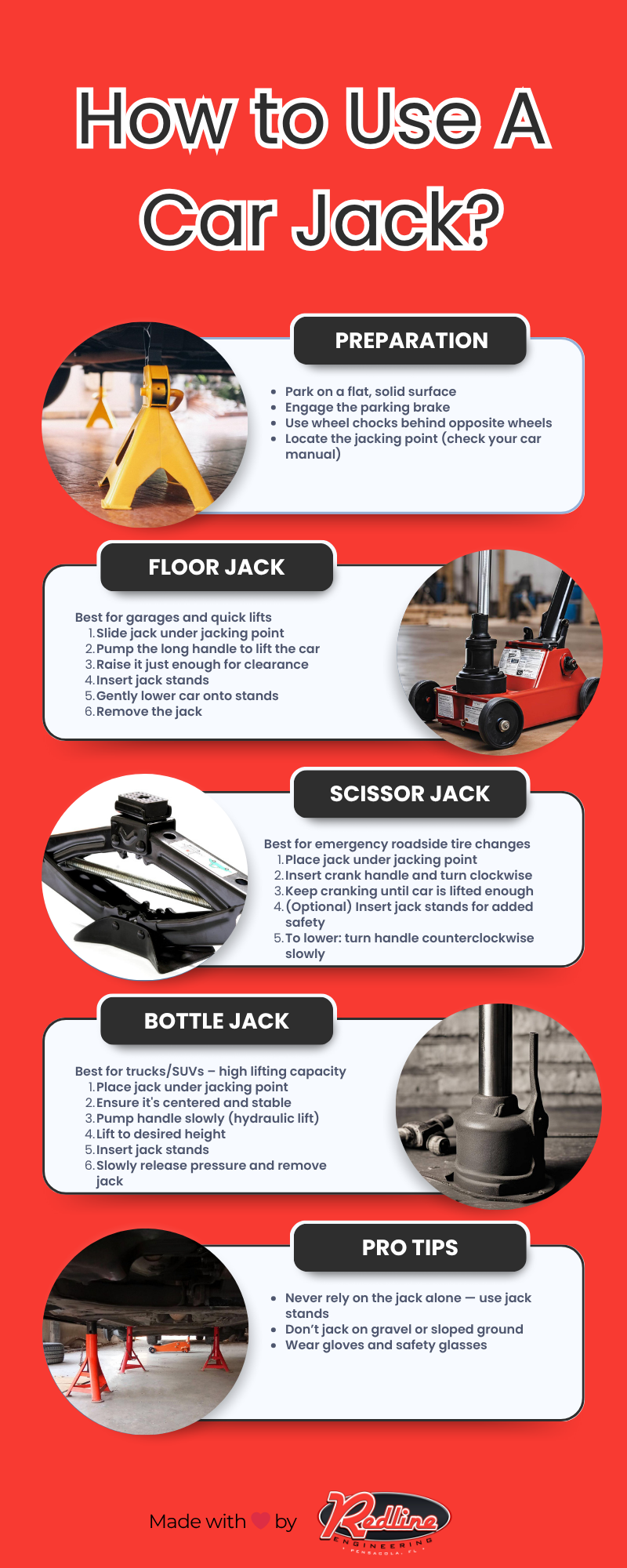
Credit: www.redlinestands.com
Frequently Asked Questions
How Do I Safely Position A Hydraulic Floor Jack?
Place the jack on a flat, stable surface. Align the jack saddle under the vehicle’s recommended lift point. Ensure the vehicle is in park with the parking brake engaged before lifting.
What Weight Capacity Should My Hydraulic Floor Jack Have?
Choose a jack with a weight capacity exceeding your vehicle’s weight. This ensures safe and efficient lifting without overloading the jack.
How Do I Lower A Hydraulic Floor Jack Properly?
Slowly turn the release valve counterclockwise to lower the jack. Lower the vehicle gently to avoid sudden drops and ensure stability.
Can I Use A Hydraulic Floor Jack On Uneven Ground?
No, always use the jack on level, solid ground. Uneven surfaces risk jack instability and potential accidents.
Conclusion
Using a hydraulic floor jack safely protects you and your vehicle. Always check the jack’s condition before use. Place it on a flat, stable surface for best results. Lift the car slowly and keep it steady. Never go under a car supported only by a jack.
Use jack stands for extra safety. Practice these steps to handle the jack with confidence. Stay cautious and take your time. This simple tool can make car maintenance easier and safer.