Have you ever needed to hang something on your wall but didn’t have a drill handy? It can feel frustrating when you want to get the job done quickly but lack the right tools.
What if you could install a wall anchor without drilling a hole? In this guide, you’ll learn simple, effective ways to put in a wall anchor using just everyday items. By the end, you’ll have the confidence to hang shelves, pictures, or hooks securely—no drill required.
Ready to make your walls work for you? Let’s dive in.

Credit: www.reddit.com
Tools Needed
Putting in a wall anchor without a drill is possible with the right tools. Having the proper materials makes the task easier and safer. This section explains the tools needed to get the job done well.
Essential Materials
Wall anchors are the main item needed. Choose anchors based on wall type and weight. A hammer is useful to tap the anchor gently. A pencil helps mark the spot on the wall. A tape measure ensures correct placement. These simple tools form the basic kit.
Alternative Tools To A Drill
A hand screwdriver can help create a small hole or guide. A nail or pushpin works to start a hole for the anchor. You can also use a small awl or a sharp knife to make a pilot hole. A utility knife helps trim any rough edges. These tools replace a drill effectively for light tasks.
Choosing The Right Wall Anchor
Choosing the right wall anchor is key to a strong hold without a drill. The right anchor matches your wall and the item you hang. A wrong choice can cause damage or failure. Understanding types and matching anchors helps secure your items safely.
Types Of Wall Anchors
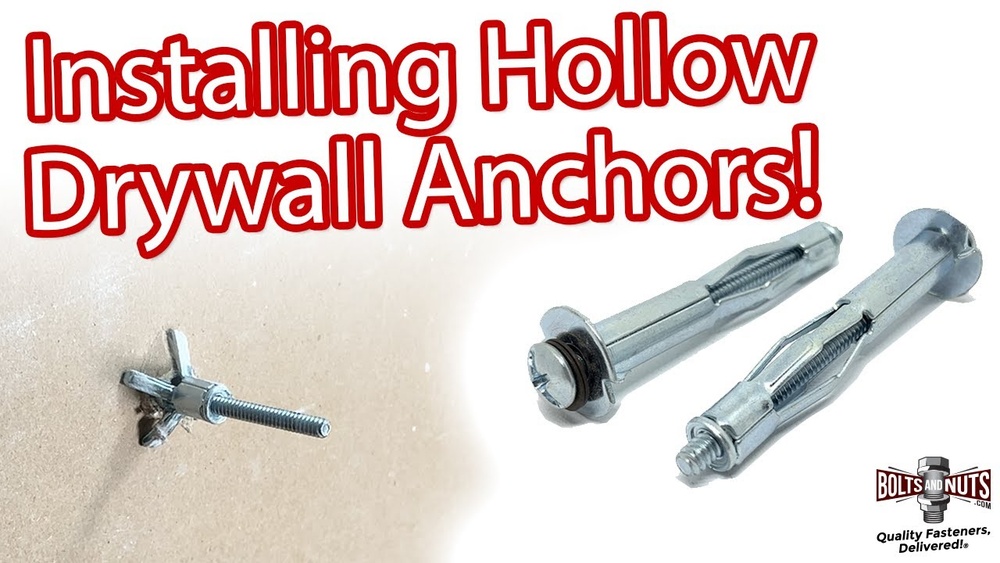
Plastic expansion anchors are common and easy to use. They work well in drywall and light materials. Toggle bolts spread behind the wall for heavy items. They need a hole but no drill is required with a small tool. Self-drilling anchors cut into drywall without a drill. They offer good support for medium weight. Molly bolts expand inside the wall for firm grip. They fit best in hollow walls and need only a small hole.
Matching Anchors To Wall Material
Drywall needs anchors like plastic or self-drilling types. These prevent the wall from crumbling. Plaster walls require anchors that expand or toggle for strong hold. Concrete or brick needs heavy-duty anchors. These anchors usually need a drill, but some can be hammered in. Choose an anchor that suits your wall for safe mounting. Check the wall type before picking your anchor.
Preparing The Wall
Preparing the wall is the first step to install a wall anchor without a drill. It ensures the anchor holds well and stays secure. Taking time to prepare helps avoid mistakes and damage to the wall.
Marking The Spot
Start by deciding where the anchor will go. Use a pencil to mark the exact spot on the wall. Check the mark twice to be sure it is in the right place. A small mark is better than a big one. It guides you during the next steps and keeps things accurate.
Cleaning The Surface
Clean the wall area around the mark. Use a damp cloth to remove dust and dirt. Let the wall dry completely before moving on. A clean surface helps the anchor stick better. It also prevents dust from weakening the hold.
Manual Hole Making Techniques
Making a hole in the wall without a drill is easy using simple tools. Manual hole making techniques work well for light tasks. These methods save time and avoid the need for power tools. They are perfect for small anchors and soft wall materials like drywall.
Using A Hammer And Nail
Start by choosing a nail with a thin point. Hold the nail against the spot on the wall. Tap gently with a hammer to create a small hole. Tap slowly to avoid cracking the wall. Once the hole is deep enough, remove the nail carefully. The hole is ready for the wall anchor.
Employing A Screwdriver
Select a flat-head screwdriver with a sharp tip. Press the tip firmly against the wall. Twist the screwdriver slowly to pierce the surface. Keep turning until the hole is the right size. Pull out the screwdriver carefully to keep the hole clean. This method works best on drywall and soft plaster.
Utilizing A Key Or Awl
Use an old key or a sharp awl to make a hole. Push the pointed end into the wall firmly. Twist the tool to create a small opening. Repeat twisting until the hole fits the anchor size. This technique is handy if you lack other tools. It works well for light anchors and soft walls.
Inserting The Wall Anchor
Inserting a wall anchor without a drill is easier than it seems. The key is to prepare the wall and anchor carefully. This ensures the anchor holds firmly and safely. Let’s explore how to insert the anchor step by step.
Tapping The Anchor In
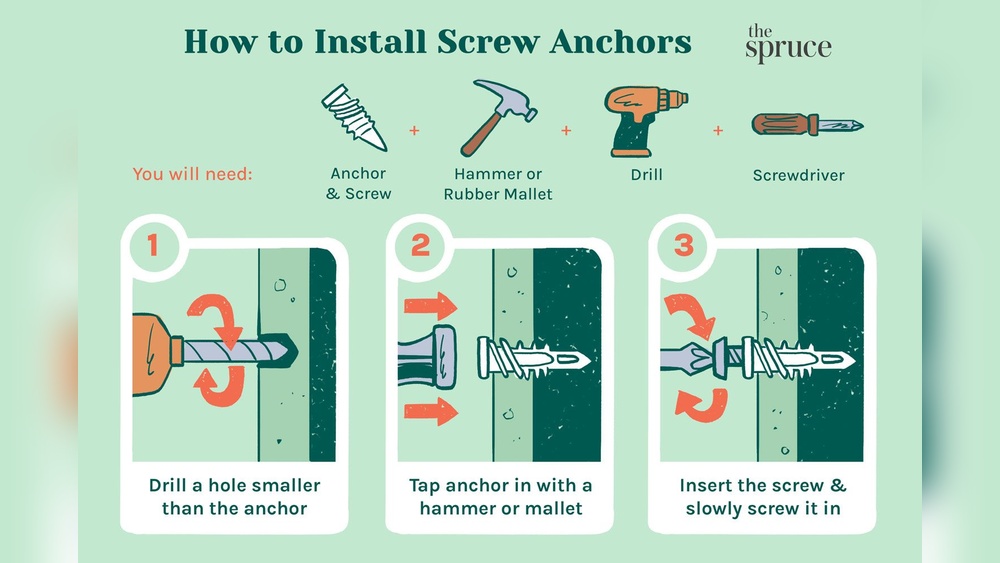
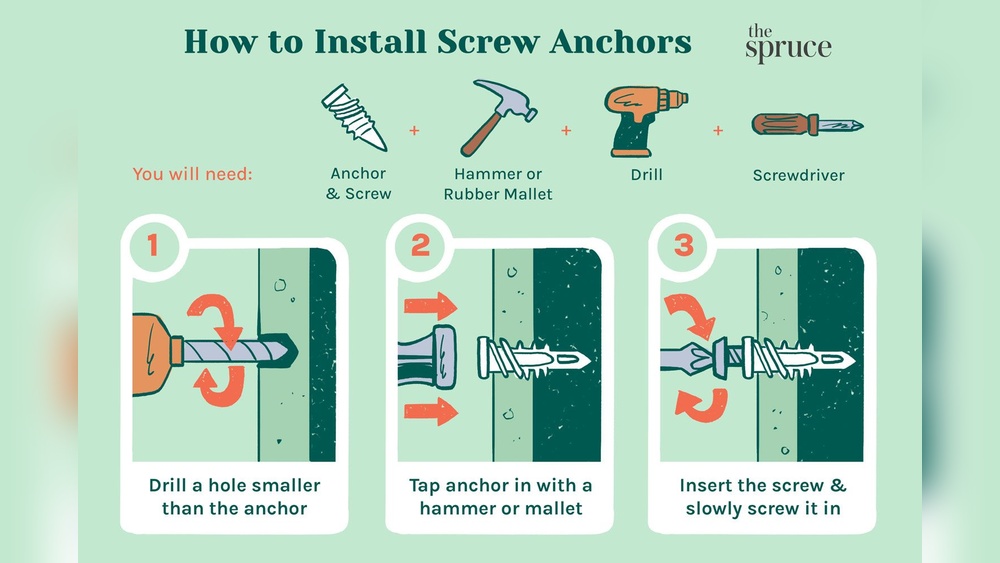
Start by placing the anchor against the wall. Use a small hammer or a sturdy tool. Gently tap the anchor into the wall surface. Tap slowly to avoid bending or breaking the anchor. Keep tapping until the anchor is flush with the wall.
Ensuring A Secure Fit
Check if the anchor feels tight and stable. Wiggle it slightly to test its hold. If it moves, tap it in a bit more. A secure fit means the anchor will hold screws well. This prevents damage to your wall and keeps items safe.
Securing Screws Without A Drill
Securing screws without a drill is easy with the right techniques. You can firmly attach wall anchors using simple hand tools. This method works well for light to medium loads. It saves time and avoids the noise of power tools.
Hand-turning Screws
Start by twisting the screw into the wall anchor using your fingers. This gives you control and avoids slipping. Turn slowly and keep the screw straight. If it feels stuck, back it out a little, then try again. Hand-turning works best for soft materials like drywall.
Use your palm to push the screw while turning for more force. It helps the screw bite into the anchor securely. Stop when the screw feels tight and stable. Avoid over-tightening to prevent damage to the wall or anchor.
Using A Manual Screwdriver
A manual screwdriver offers more power than hand-turning alone. Choose a screwdriver with a handle that fits your hand well. Match the screwdriver tip to the screw head for a snug fit. Place the tip firmly in the screw slot before turning.
Turn the screwdriver slowly and steadily. Keep pressure on the screw to prevent slipping. Use both hands if needed—one to hold the screwdriver, the other to steady it. This method provides better grip and control for a secure fit.
Tips For Different Wall Types
Different walls need different ways to put in wall anchors without a drill. Knowing the wall type helps you choose the right method. It also makes sure the anchor holds tight and does not damage the wall.
Drywall
Drywall is soft and easy to work with. Use a small nail or screwdriver to make a hole. Push the anchor gently into the hole. Tap lightly with a hammer if needed. Avoid making the hole too big. The anchor should fit snugly to hold strong.
Plaster
Plaster is harder and can crack easily. Use a sharp nail or awl to create a small hole. Tap gently to avoid breaking the plaster. Insert a plastic or metal anchor made for plaster walls. Push the anchor slowly and carefully. This prevents damage and keeps the anchor secure.
Concrete And Brick
Concrete and brick are very hard. Use a hammer and nail to make a small hole. This can take some time and effort. Insert a masonry anchor or sleeve anchor into the hole. Tap it firmly with a hammer to set it tight. These anchors hold well without a drill.

Credit: www.youtube.com
Common Mistakes To Avoid
Putting in a wall anchor without a drill can save time and effort. Yet, many make simple mistakes that cause problems. Avoid these common errors to ensure your anchor holds strong and your wall stays safe.
Choosing The Wrong Anchor Type
Not all anchors work well without a drill. Some require a pre-drilled hole for proper grip. Pick anchors designed for hand installation, like self-drilling or expansion anchors.
Using Too Much Force
Pressing or hammering too hard can damage the wall or the anchor. Apply steady, moderate pressure. Too much force can crack drywall or bend the anchor.
Ignoring Wall Material
Different walls need different anchors. Drywall, plaster, or brick all react differently. Use anchors suited for your wall to avoid poor support or damage.
Not Marking The Spot Accurately
Placing the anchor off target causes misalignment and weak support. Mark the exact spot before starting. A small mistake can lead to crooked hooks or shelves.
Skipping Pilot Hole For Hard Walls
Some walls need a small hole first, even without a drill. Use a nail or a screw to create a guide hole. This prevents cracking and helps the anchor fit better.
When To Consider Using A Drill
Knowing when to use a drill is important for wall anchor installation. Some tasks need a drill to make holes quickly and cleanly. Other times, you can avoid the drill and still secure anchors well.
Choosing the right method saves time and effort. It also protects your walls from damage. Below are some key points about when using a drill is best.
Hard Wall Materials
Drills work best on hard materials like concrete, brick, or stone. These surfaces are tough to pierce. Using a drill creates a precise hole. This helps anchors fit tightly and hold strong.
Large Or Heavy Anchors
Big anchors need bigger holes. Heavy items require strong support. Drilling ensures the hole is the right size and depth. This prevents the anchor from slipping or breaking.
Tight Or Deep Spaces
Sometimes anchors must go deep or in narrow spots. A drill reaches these areas easily. It makes clean holes without damaging nearby surfaces. This helps place anchors exactly where needed.
Speed And Efficiency
Drilling is faster than manual methods. For many anchors, using a drill saves time. It reduces effort and makes the job smoother. This matters in bigger projects or multiple anchor installations.
Credit: www.youtube.com
Frequently Asked Questions
How Do I Insert A Wall Anchor Without A Drill?
You can insert a wall anchor without a drill by using a hammer and a screwdriver. First, mark the spot, then gently tap the anchor into the wall. Finally, screw in the screw to secure the anchor firmly in place.
What Tools Are Needed To Install Wall Anchors Manually?
To install wall anchors without a drill, you need a hammer, screwdriver, wall anchors, and a pencil. These simple tools help you mark, insert, and secure anchors effectively without power tools.
Can I Use A Nail Instead Of A Drill For Wall Anchors?
Yes, you can use a nail to create a pilot hole for the wall anchor. Gently tap the nail into the wall to make a hole, then remove it and insert the anchor carefully.
Are Wall Anchors Strong Without Drilling Holes?
Wall anchors installed without drilling can be strong if inserted properly. Using the right anchor type and ensuring it fits snugly in the wall improves holding power significantly.
Conclusion
Putting in a wall anchor without a drill is simple and doable. Use a nail or screwdriver to make a hole first. Then, gently tap the anchor into the wall. This method saves time and avoids noisy tools. It works well for light to medium loads.
Always check the anchor’s fit before hanging heavy items. With patience, you can complete this task easily at home. Try this easy way next time you need a wall anchor. It’s a handy skill everyone should know.