If your 93642W floor jack isn’t lifting like it used to, you don’t have to buy a new one just yet. You can bring it back to life by rebuilding it yourself.
Imagine saving money and gaining the satisfaction of fixing your own tool. In this guide, you’ll discover simple steps to rebuild your floor jack safely and effectively. Whether it’s leaking oil or losing pressure, you’ll learn exactly what to do to get your jack working like new.
Ready to take control and extend the life of your floor jack? Let’s dive in.
Tools And Materials Needed
Rebuilding a 93642W floor jack requires the right tools and materials. Having everything ready makes the job smoother and faster. It helps avoid delays and ensures a quality repair.
Gathering the proper tools and parts is the first step. This section lists what you need to rebuild your floor jack efficiently.
Essential Tools
- Socket wrench set for removing bolts
- Flathead and Phillips screwdrivers for screws
- Adjustable wrench for tightening nuts
- Rubber mallet to gently tap parts
- Pliers for gripping small pieces
- Clean rags to wipe grease and dirt
- Hydraulic oil for refilling the jack
- Drain pan to catch old oil
- Torque wrench to tighten bolts properly
Replacement Parts
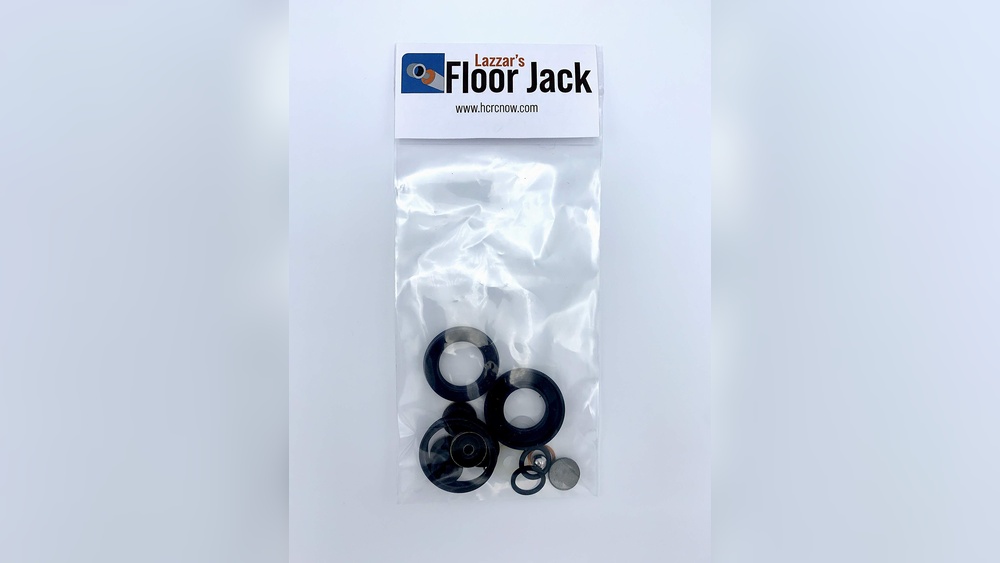
- New seals and O-rings to prevent leaks
- Hydraulic fluid compatible with your jack
- Replacement valves for smooth operation
- Pressure release valve if damaged
- New handle or lever if worn out
- Any worn-out bolts or screws

Credit: jamaica.desertcart.com
Safety Precautions
Safety is the top priority while rebuilding the 93642W floor jack. Careless actions can cause injuries or damage. Follow basic safety steps to protect yourself and the tool. These precautions help you work efficiently and avoid accidents.
Work Area Setup
Choose a clean, flat surface for your work area. Clear away clutter to avoid tripping or falling. Ensure good lighting so you see all parts clearly. Keep children and pets away from the workspace. Have a fire extinguisher nearby in case of emergencies.
Personal Protective Equipment
Wear safety glasses to protect your eyes from dust and debris. Use gloves to avoid cuts and grease on your hands. Wear closed-toe shoes for foot protection. Avoid loose clothing or jewelry that can get caught in tools. Use a dust mask if working with old or rusty parts.
Disassembling The Floor Jack
Disassembling the 93642W floor jack is the first step in rebuilding it. You need to take it apart carefully. This process helps you check each part and fix problems inside. Follow these simple steps to disassemble your floor jack safely and correctly.
Removing The Handle
Start by placing the jack on a flat surface. Locate the handle where it connects to the main body. Use a wrench to loosen the bolt holding the handle. Pull the handle out gently once the bolt is removed. Keep the bolt and handle parts safe for later use.
Detaching The Hydraulic Unit
Next, focus on the hydraulic unit. Find the bolts or screws that attach it to the frame. Use the correct tools to loosen and remove these fasteners. Carefully lift the hydraulic unit away from the jack body. Avoid spilling hydraulic fluid during this step. Store the hydraulic unit in a clean, dry place for inspection and repair.
Inspecting Components
Inspecting the components of your 93642W floor jack is the first step in the rebuild process. Careful inspection helps spot issues early and saves time later. It ensures each part works well and fits properly. This section breaks down what to check and how to identify faulty parts.
Checking For Wear And Damage
Start by examining all moving parts for signs of wear. Look for cracks, dents, or bends on the metal frame. Check the hydraulic cylinder for leaks or rust. Inspect the wheels and casters for smooth rotation and any damage. Worn parts can reduce the jack’s performance. Replace any parts that look weak or broken.
Identifying Faulty Parts
Next, test each component for proper function. The release valve should open and close smoothly. The pump piston must move without sticking or slipping. Check seals and O-rings for cracks or hardening. Faulty seals cause hydraulic fluid leaks and loss of pressure. Mark any parts that fail tests for replacement. Using only good parts ensures safety and efficiency.
Cleaning And Preparing Parts
Cleaning and preparing the parts of your 93642W floor jack is a key step in rebuilding it. Dirt and grime can block the jack’s function. Proper cleaning helps the parts work smoothly. It also extends the jack’s life. Take time to clean each part carefully before putting them back together.
Removing Dirt And Debris
Start by wiping off loose dirt with a dry cloth. Use a brush to clear away stuck debris. For oily parts, apply a mild cleaner or degreaser. Let the cleaner sit for a few minutes. Scrub the parts gently to remove residue. Rinse with water and dry them well. Avoid letting water stay on metal parts to stop rust.
Lubricating Moving Components
Apply lubricant to all moving parts after cleaning. Use a light machine oil or grease made for tools. Spread the lubricant evenly on hinges, joints, and screws. This reduces friction and prevents wear. Move the parts by hand to spread the oil inside. Wipe off any extra lubricant to avoid attracting dirt.
Replacing Seals And O-rings
Replacing seals and O-rings is key to fixing your 93642W floor jack. These small parts stop oil leaks and keep pressure strong. Worn seals cause the jack to lose lift and fail.
This part of the rebuild takes care and focus. You must find each seal’s spot and put new ones in the right way. Doing this right makes your jack work like new again.
Locating Seal Positions
First, clean the jack parts well. Dirt can hide seals or damage new ones. Check the pump cylinder and piston areas closely. Seals sit in grooves or under metal caps.
Use a small tool to gently lift old seals out. Mark each place to remember where seals fit. Compare old seals with new ones to match sizes. This step stops mistakes during assembly.
Installing New Seals
Before placing new seals, apply a thin layer of jack oil. This helps seals slide into place without damage. Press each seal firmly into its groove. Avoid twisting or stretching the seals.
Check that seals lie flat and snug. A loose seal can leak or slip out. Assemble parts carefully after seals are set. Test the jack for leaks and smooth lift after rebuilding.
Reassembling The Floor Jack
Reassembling the floor jack is a key step after cleaning and repairing parts. It restores the jack’s function and safety. Follow each step carefully to avoid damage and ensure smooth operation. Take your time to place each part correctly. A well-assembled jack works better and lasts longer.
Reattaching Hydraulic Unit
Start by placing the hydraulic unit back into its position. Align it carefully with the base and mounting points. Secure it using bolts or screws removed earlier. Tighten them firmly but avoid over-tightening. Check the seals and O-rings for proper placement. This prevents leaks and maintains pressure. Connect the hydraulic hose to the pump unit. Ensure the connection is tight and leak-free.
Securing Handle And Other Components
Attach the handle to the jack frame next. Insert the handle into the socket and lock it in place. Secure it with the pin or bolt provided. Check the movement of the handle for smooth operation. Attach any other parts like release valves or springs. Make sure all parts fit tightly and move freely. Test the jack by pumping the handle slowly. This confirms the jack lifts and holds pressure well.
Testing The Rebuilt Jack
Testing the rebuilt 93642W floor jack is key. It ensures safety and proper function. After rebuilding, the jack must work smoothly under pressure. Testing finds any problems early before real use. Follow these steps to test your jack carefully.
Checking For Leaks
Start by inspecting the jack for leaks. Look around seals and fittings. Use a clean cloth to spot any oil drips. Pump the jack slowly and watch for fluid escape. Leaks reduce lifting power and cause damage. Fix any leaks before moving on to the next step.
Verifying Lift Performance
Next, test the jack’s lifting ability. Place it on a flat, stable surface. Pump the handle to lift a heavy object or a test load. The jack should rise smoothly and hold the load steady. Check for unusual noises or jerky movements. Lower the load carefully and watch for smooth descent. Proper lift performance means the jack is ready for use.
Maintenance Tips For Longevity
Maintaining your 93642W floor jack extends its life and keeps it working well. Simple steps prevent damage and costly repairs. Regular care saves time and money over the long run.
Regular Inspection Schedule
Check the floor jack often for wear and tear. Look for cracks, rust, or leaks in the hydraulic system. Test the lifting mechanism to ensure smooth operation. Tighten loose bolts and replace worn parts quickly. Keep a record of inspections to track any issues over time.
Proper Storage Practices
Store the floor jack in a dry, clean area. Avoid places with moisture or extreme temperatures. Lower the jack completely before storing it to reduce pressure on parts. Cover the jack to protect it from dust and debris. Proper storage prevents rust and keeps the jack ready for use.

Credit: jamaica.desertcart.com
Frequently Asked Questions
How Do I Disassemble A 93642w Floor Jack Safely?
To disassemble, first lower the jack completely. Use proper tools to remove bolts carefully. Keep parts organized for easy reassembly. Always wear safety gloves and goggles during the process.
What Parts Need Replacing When Rebuilding A 93642w Floor Jack?
Common parts to replace include seals, O-rings, and the hydraulic fluid. Inspect the pump and release valve for wear. Replace any damaged or worn components to ensure smooth operation.
How Do I Bleed Air From A 93642w Floor Jack?
Open the release valve and pump the handle slowly. This forces air bubbles out of the hydraulic system. Close the valve once no more air escapes. Proper bleeding ensures optimal jack performance.
Can I Use Any Hydraulic Fluid For The 93642w Jack?
Use only manufacturer-recommended hydraulic fluid or high-quality jack oil. Avoid automotive brake fluid or other liquids. Using the correct fluid maintains pressure and extends jack life.
Conclusion
Rebuilding the 93642W floor jack keeps it working strong. You save money by fixing it yourself. Follow each step with care and patience. Check all parts for wear and replace if needed. Test the jack carefully before using it again.
Regular maintenance helps your tools last longer. Keep your workspace clean and organized. Now, you can trust your floor jack to lift safely. Simple repairs make a big difference in the long run.