Have you ever stared at a wall hook and wondered how to take it down without leaving a mess? Removing hooks from your wall can seem tricky, especially if you want to keep your walls looking perfect.
But don’t worry—you’re about to learn simple, effective steps that anyone can follow. Whether you’re redecorating, moving, or just changing things up, this guide will help you remove hooks quickly and cleanly. Keep reading, and you’ll discover the easy tricks to make your walls smooth and hook-free in no time.
Credit: www.reddit.com
Types Of Wall Hooks
Wall hooks come in many types. Each type holds items differently and needs a special way to remove it. Knowing the types helps you remove hooks safely without damage. Let’s explore the common kinds of wall hooks.
Adhesive Hooks
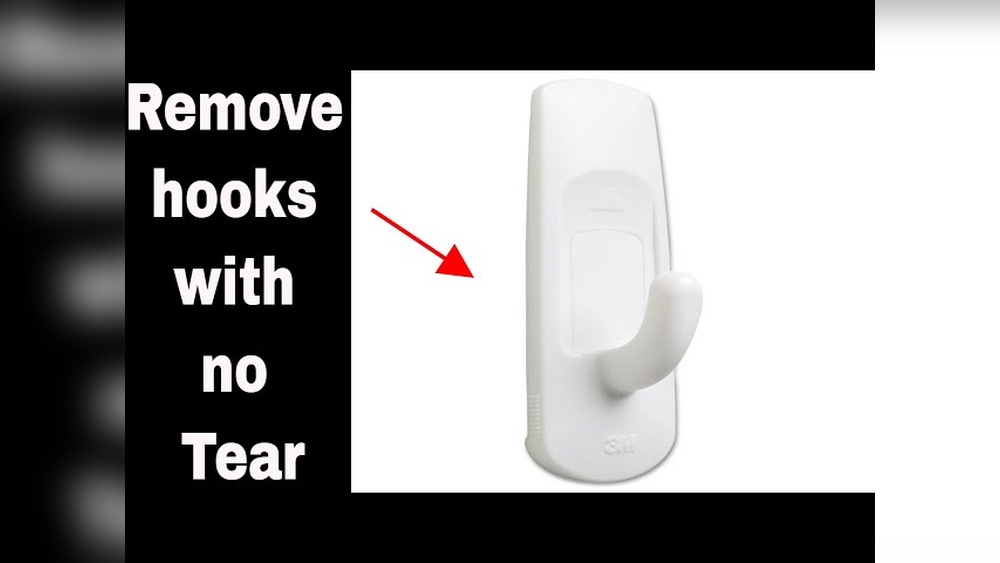
Adhesive hooks stick to the wall using glue. They do not need nails or screws. These hooks are easy to put up and take down. But removing them needs care to avoid peeling paint or wall damage.
Nail And Screw Hooks
Nail and screw hooks attach with nails or screws. They are strong and hold heavy items well. Removing these hooks means pulling out nails or unscrewing screws. This may leave small holes in the wall.
Command Strips
Command strips use a special tape to stick to the wall. They hold well and remove cleanly. Pulling the tab on the strip stretches it and releases the hook. These strips reduce wall damage and make removal easy.
Tools Needed For Removal
Removing hooks from walls needs the right tools. Using proper tools helps avoid damage. It makes the job faster and easier. Different hooks require different tools. Some are simple, others need special care.
Basic Household Tools
A flathead screwdriver is helpful to pry hooks gently. Pliers can pull out stubborn hooks. A putty knife works well to loosen stuck hooks. A step stool may be needed for high walls. Keep a cloth handy to protect the wall surface.
Specialty Tools For Adhesives
Adhesive hooks need more than just pulling. A hairdryer softens the glue for easier removal. Goo Gone or similar adhesive removers break down sticky residue. A plastic scraper removes leftover glue without scratching. Use these tools carefully to keep walls clean.
Safety Gear
Wear gloves to protect your hands from sharp hooks. Safety goggles keep dust or debris out of your eyes. A mask prevents inhaling dust or fumes from adhesives. Proper safety gear ensures you stay safe during the task. It also helps avoid accidents and injuries.
Removing Adhesive Hooks
Removing adhesive hooks from walls can be tricky. The goal is to take off the hook without harming the paint or wall surface. This guide shows simple steps to do it carefully and cleanly.
Softening The Adhesive
Start by softening the glue. Use a hairdryer on low heat and warm the adhesive area. Keep the dryer moving to avoid damage. Heat makes the glue softer and easier to peel.
Peeling Off Without Damage
Hold the hook gently and pull the tab slowly. Pull straight down, not out. Stretch the adhesive strip along the wall. This helps avoid paint peeling or wall marks.
Cleaning Residue
Some glue might stay on the wall. Use warm, soapy water and a soft cloth to wipe it off. For tougher spots, try rubbing alcohol on a cloth. Clean gently until the wall looks smooth.

Credit: www.reddit.com
Removing Nail And Screw Hooks
Removing nail and screw hooks from walls is a common task in home care. These hooks often hold pictures, mirrors, or decorations. Removing them carefully prevents damage to the wall surface. The process involves a few simple steps that anyone can follow.
Start by loosening the hook from the wall. After removal, fix the small holes left behind. Finally, smooth and paint the area to restore the wall’s look.
Unscrewing Or Pulling Nails
Identify if the hook is attached with screws or nails. For screws, use a screwdriver to turn counterclockwise. Pull out nails gently with a claw hammer or pliers. Avoid force that might damage the wall.
Patching The Hole
Fill small holes with spackle or wall filler. Press the filler into the hole with a putty knife. Let the filler dry completely before touching it. Larger holes may need multiple layers of filler.
Sanding And Painting
Lightly sand the patched area to make it smooth. Use fine-grit sandpaper for best results. Wipe away dust with a clean cloth. Paint over the patch to match the wall color. This step hides any sign of repair.
Tips To Avoid Wall Damage
Removing hooks from walls can cause damage if done carelessly. Taking the right steps helps keep your wall smooth and clean. Simple tricks protect paint and drywall. Follow these tips to avoid marks, holes, or peeling paint.
Slow And Steady Removal
Pull the hook gently. Fast or hard pulls can tear the paint. Move the hook back and forth. This loosens the grip without breaking the wall surface. Patience helps keep the wall intact.
Using Heat Or Solvents
Heat softens glue or adhesive. Use a hairdryer on low heat near the hook. Warm the area for a minute or two. This makes removal easier and less damaging. Some adhesives respond well to rubbing alcohol. Dab a little on the base of the hook. Let it sit to weaken the glue before pulling.
Proper Tool Usage
Use tools designed for wall care. A putty knife or plastic scraper works well. Slide the tool under the hook base. Lift carefully to avoid wall dents. Avoid metal tools that can scratch or gouge. Small tools give more control and cause less harm.
Fixing Wall Imperfections
Removing hooks from walls can leave small holes and marks. Fixing these wall imperfections helps restore the wall’s smooth look. Simple steps like filling holes, sanding, and painting bring your wall back to life. These fixes make your room look clean and neat again.
Filling Small Holes
Start by cleaning the hole area with a dry cloth. Use a small amount of wall filler or spackle. Press the filler into the hole using a putty knife. Smooth the surface and remove extra filler. Let it dry completely before moving on.
Sanding For Smoothness
After the filler dries, use fine-grit sandpaper. Gently sand the filled area until it feels smooth. Sand in small circles to blend with the wall. Wipe away dust with a damp cloth. The surface should look even and ready for paint.
Touching Up Paint
Match your wall paint color as closely as possible. Use a small brush to apply paint on the repaired spot. Apply thin layers to avoid drips or streaks. Let the paint dry between coats for the best finish. Your wall will look fresh and flawless again.
Credit: www.youtube.com
Frequently Asked Questions
How Can I Safely Remove Hooks From The Wall?
To safely remove hooks, gently twist or pull them out. Use a hairdryer to soften adhesive if needed. Avoid damaging the wall by removing slowly and carefully.
What Tools Help Remove Wall Hooks Without Damage?
Use pliers, a hairdryer, or a putty knife. These tools help loosen hooks and adhesive carefully, minimizing wall damage.
How Do I Repair Wall Damage After Hook Removal?
Fill holes with spackle or wall filler. Sand smooth once dry. Paint over to match the wall color for a seamless finish.
Can I Reuse Hooks After Removing From The Wall?
Yes, if hooks are undamaged. Clean off any residue. Store them safely for future use or reinstallation.
Conclusion
Removing hooks from walls is easier than it seems. Start slowly to avoid damage. Use the right tools for best results. Take your time and be gentle. Fix any small holes with spackle or filler. Paint over the area to match the wall color.
Clean the spot and let it dry well. Now, your wall looks fresh and neat again. Simple steps make the task quick and smooth. You can do this without any stress or mess.