Have you ever tried to hang something important on your wall, only to find the anchor won’t hold? A stripped wall anchor can turn a simple task into a frustrating headache.
But don’t worry—fixing it is easier than you think. In this guide, you’ll discover simple, effective steps to repair your stripped wall anchor and get your shelves, pictures, or hooks hanging securely again. Keep reading, and you’ll save time, avoid damage, and feel confident tackling this common home repair.
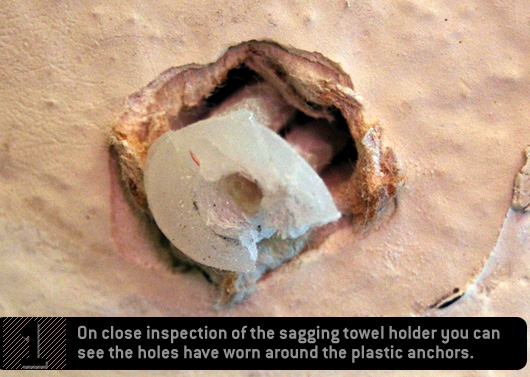
Credit: www.primermagazine.com
Causes Of Stripped Wall Anchors
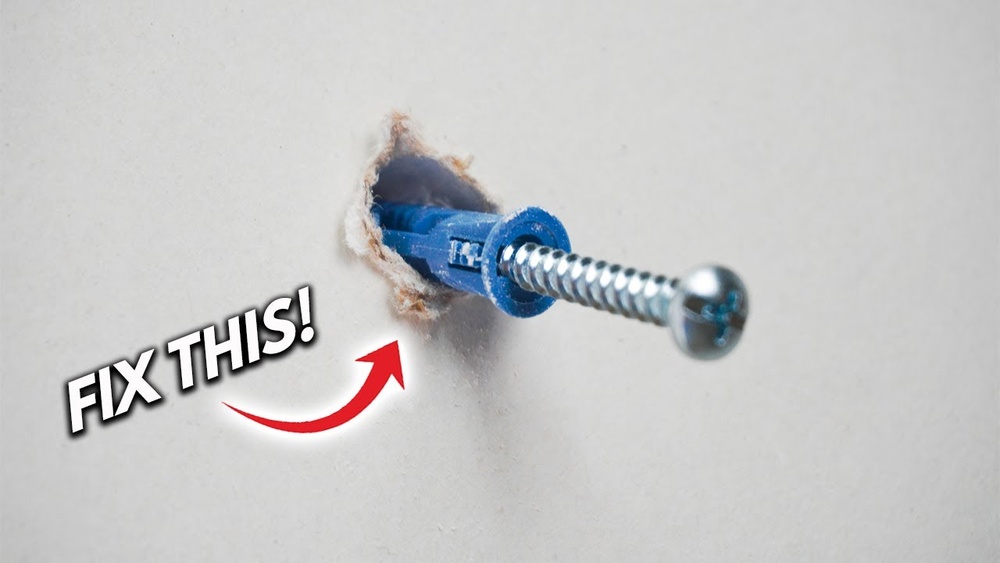
Stripped wall anchors happen when the anchor fails to hold inside the wall. This problem can make your mounted items loose or fall. Understanding the causes helps fix the issue and prevent it from happening again.
Common Mistakes During Installation
Drilling holes too large weakens the anchor’s grip. Using the wrong drill bit size causes loose fitting. Not pushing the anchor in fully leaves it unstable. Twisting the anchor too hard can damage the wall. These errors reduce the anchor’s strength and cause stripping.
Types Of Wall Anchors And Their Limits
Plastic anchors suit light loads but fail under heavy weight. Metal anchors hold more weight but need proper installation. Expansion anchors work well in solid walls but not in drywall. Using the wrong type for your wall or load causes stripping. Knowing anchor limits avoids damage and failure.
Effects Of Overloading Anchors
Putting too much weight on anchors strains the wall and anchor. Overloading causes the anchor to pull out or strip inside the wall. Heavy items need stronger anchors or multiple anchors. Ignoring weight limits leads to unsafe mounting and damage. Proper load handling keeps anchors secure and walls intact.
Credit: www.bee1.com.br
Tools And Materials Needed
Fixing a stripped wall anchor needs the right tools and materials. Having these on hand makes the repair faster and easier. Gather everything before you start to avoid interruptions. This section lists all essentials for a smooth fix.
Basic Repair Tools
Start with a screwdriver matching your anchor screws. A drill with a drill bit helps remove old anchors. Use a utility knife to clean the hole edges. A hammer might be needed to tap in new anchors. A putty knife is useful for applying fillers smoothly.
Replacement Anchors And Fillers
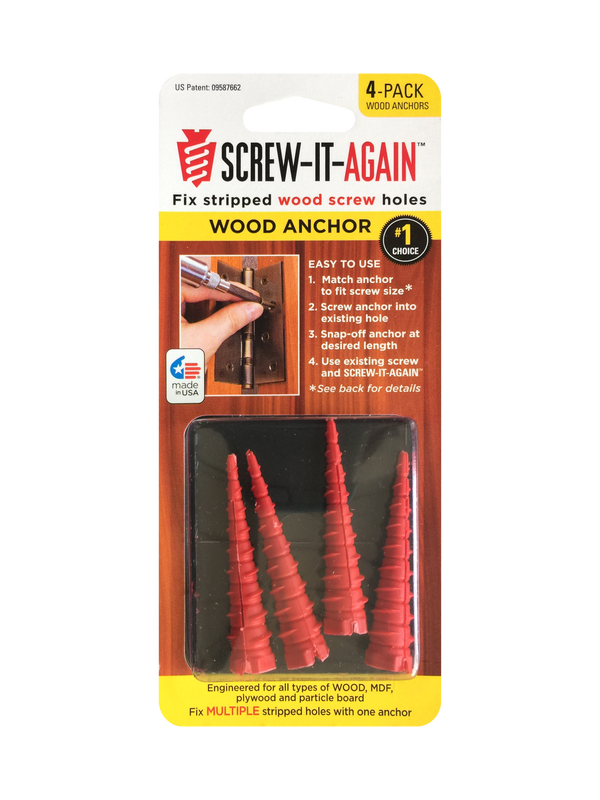
Choose new wall anchors that fit your wall type and weight needs. Plastic expansion anchors work for light loads. For heavier items, metal or toggle anchors are better. Use spackle or wood filler to fill the old hole. Sandpaper helps smooth the surface after drying.
Safety Gear
Protect your eyes with safety goggles during drilling or hammering. Wear gloves to avoid cuts from sharp tools. A dust mask keeps dust out of your lungs. Use ear protection if using loud power tools. Safety first keeps the repair safe and stress-free.
Removing A Stripped Wall Anchor
Removing a stripped wall anchor can be tricky. The anchor may spin or stay stuck inside the wall. Knowing how to take it out carefully helps avoid bigger holes or wall damage. Here are easy ways to remove a stripped wall anchor safely.
Techniques For Easy Removal
Try to pull the anchor out with pliers. Grip the edge tightly and pull straight out. If it spins, stop pulling. Use a screwdriver to turn it counterclockwise. This may loosen the anchor. Another way is to push the anchor inside the wall. It can hide the damage and let you patch the hole later. Use a drill with a small bit to drill into the center. This breaks the anchor for easy removal.
Dealing With Stubborn Anchors
For anchors that won’t come out, try cutting them. Use a utility knife or a saw to cut the anchor flush with the wall. Then push the remaining part inside the wall. If the anchor is metal, tapping around it with a hammer can help. This loosens it. Avoid forcing the anchor hard. This can cause bigger wall damage. Patience and gentle moves work best.
Repairing The Hole
Fixing a stripped wall anchor starts with repairing the hole properly. A well-repaired hole gives a strong base for a new anchor. This step helps avoid future damage and keeps your wall safe. Follow these simple steps to fill and prepare the hole for reinstallation.
Choosing The Right Filler Material
Select a filler that suits the hole size and wall type. For small holes, spackling paste or lightweight filler works well. Larger holes need stronger materials like joint compound or wood filler. Use quick-drying fillers for faster repair. Check product labels to ensure compatibility with your wall surface.
Step-by-step Filling Process
Clean out the hole to remove dust and loose debris. Apply the filler with a putty knife, pressing it firmly inside. Overfill slightly to allow for shrinkage as it dries. Let the filler dry fully according to package instructions. Avoid rushing this step for a solid repair.
Sanding And Preparing For Reinstallation
Once dry, sand the filled area smooth with fine-grit sandpaper. Remove any dust with a damp cloth. The surface should be flat and even to the touch. This creates a perfect spot to install a new wall anchor. Now, the repaired hole is ready for reuse.
Installing A New Wall Anchor
Installing a new wall anchor is key to fixing a stripped one. It gives your wall the grip it needs. A strong anchor holds shelves, pictures, and other items safely. This section guides you through choosing and installing the right anchor. Follow these tips for a secure hold that lasts.
Selecting The Correct Anchor Type
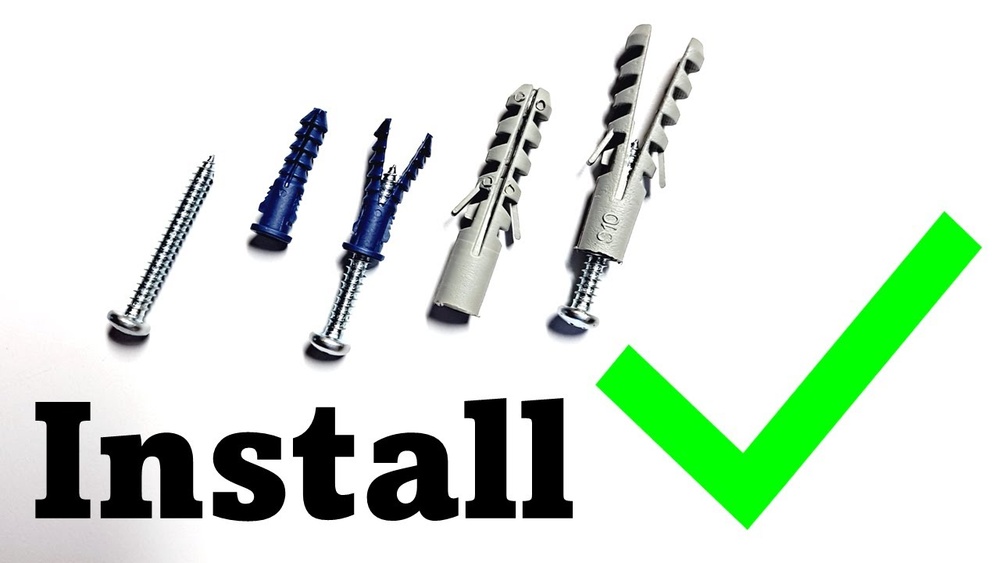
Choose an anchor that fits your wall type. Drywall anchors work best for hollow walls. Use masonry anchors for brick or concrete walls. Consider the weight of the item you want to hang. Plastic anchors suit light objects. Metal anchors hold heavier loads. Pick the right size to avoid loose or tight fits.
Proper Installation Tips
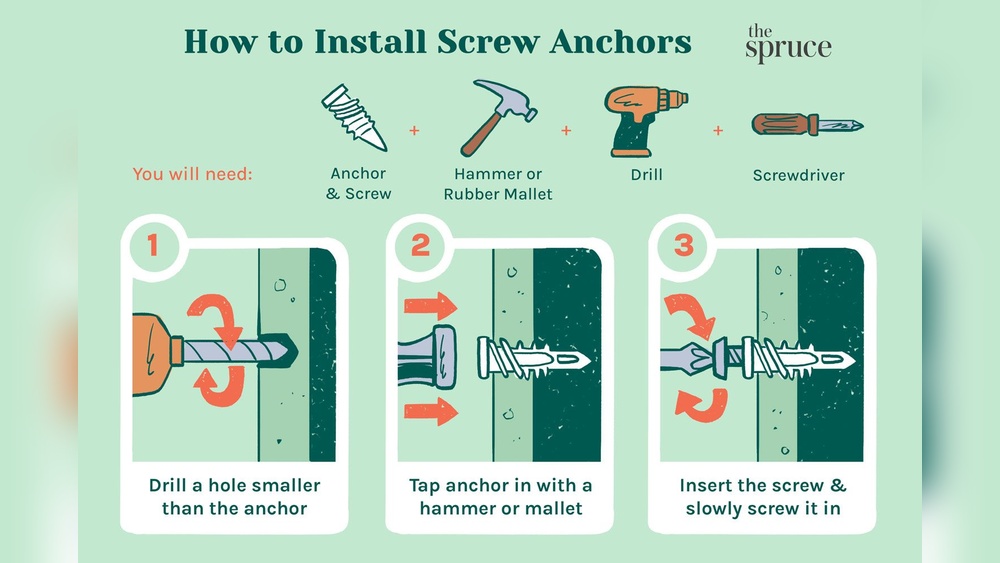
Start by drilling a hole slightly smaller than the anchor. Clean out dust from the hole. Insert the anchor gently until it sits flush with the wall. Avoid forcing it in to prevent damage. Use a screwdriver to expand or lock the anchor in place. Make sure the anchor is straight and secure before adding screws.
Testing The Anchor Strength
After installation, test the anchor’s hold. Pull gently on the attached item to check firmness. Apply a bit more force to ensure stability. If the anchor moves or slips, remove it and try a different type. Proper testing prevents future wall damage and keeps your items safe.

Credit: www.youtube.com
Preventing Future Stripping
Preventing future stripping of wall anchors saves time and frustration. It helps keep your walls safe and your items secure. Small steps during installation and maintenance can make a big difference.
Follow simple tips to avoid common mistakes. Choose the right anchor for the job. Check your anchors regularly. These practices extend the life of your wall anchors and hold your items firmly.
Avoiding Common Installation Errors
Use the correct drill bit size for the anchor. Drilling too large or too small can cause poor fit. Insert the anchor straight into the hole. Twisting or forcing it can damage the wall. Do not overtighten screws. Tightening too much can strip the anchor quickly.
Weight Limits And Anchor Selection
Check the weight limit of each anchor before use. Use anchors designed for the weight of your item. Heavy items need stronger anchors or different wall supports. Using the wrong anchor increases the risk of stripping and damage.
Regular Maintenance Checks
Inspect wall anchors periodically for signs of wear or loosening. Tighten screws gently if they become loose. Replace anchors that show damage or no longer hold firmly. Regular checks help catch problems early and keep your walls secure.
Frequently Asked Questions
How Do You Fix A Stripped Wall Anchor?
To fix a stripped wall anchor, remove it carefully. Use a larger anchor or fill the hole with wood filler. Let it dry, then re-drill a new hole for a stronger fit. This ensures the anchor holds securely in place.
Can You Reuse A Stripped Wall Anchor?
Reusing a stripped wall anchor is not recommended. Stripping weakens the grip, risking wall damage. It’s better to replace it with a new, appropriately sized anchor for reliable support and safety.
What Tools Are Needed To Fix Stripped Wall Anchors?
You need a screwdriver, pliers, wood filler, drill, and a new anchor. These tools help remove the old anchor, repair the hole, and install the new anchor properly.
Why Do Wall Anchors Get Stripped Easily?
Wall anchors strip due to oversized holes, over-tightening screws, or using the wrong anchor size. Proper installation and matching anchor size prevent stripping and ensure durability.
Conclusion
Fixing a stripped wall anchor does not have to be hard. Start by removing the old anchor carefully. Choose the right size anchor for the hole next time. Use proper tools to avoid damage. Tighten screws gently and do not overforce.
These simple steps help keep your walls strong. Small fixes save time and money. Try these tips for a secure hold every time. Your walls will thank you.