Are you tired of struggling to hang pictures, shelves, or mirrors only to have them fall down? Knowing how to install a drywall anchor can change everything.
It’s a simple step that makes your walls stronger and keeps your items safely in place. In this guide, you’ll learn easy tricks to install drywall anchors like a pro—no special tools or skills needed. Keep reading, and you’ll gain the confidence to tackle your next project with ease and avoid costly mistakes.
Your walls will thank you!

Credit: www.picturehangsolutions.com
Choosing The Right Anchor
Choosing the right drywall anchor is key to a strong and safe hold. Different anchors suit different walls and weights. Picking the wrong one can cause damage or make your item fall. Let’s explore how to select the best anchor for your project.
Types Of Drywall Anchors
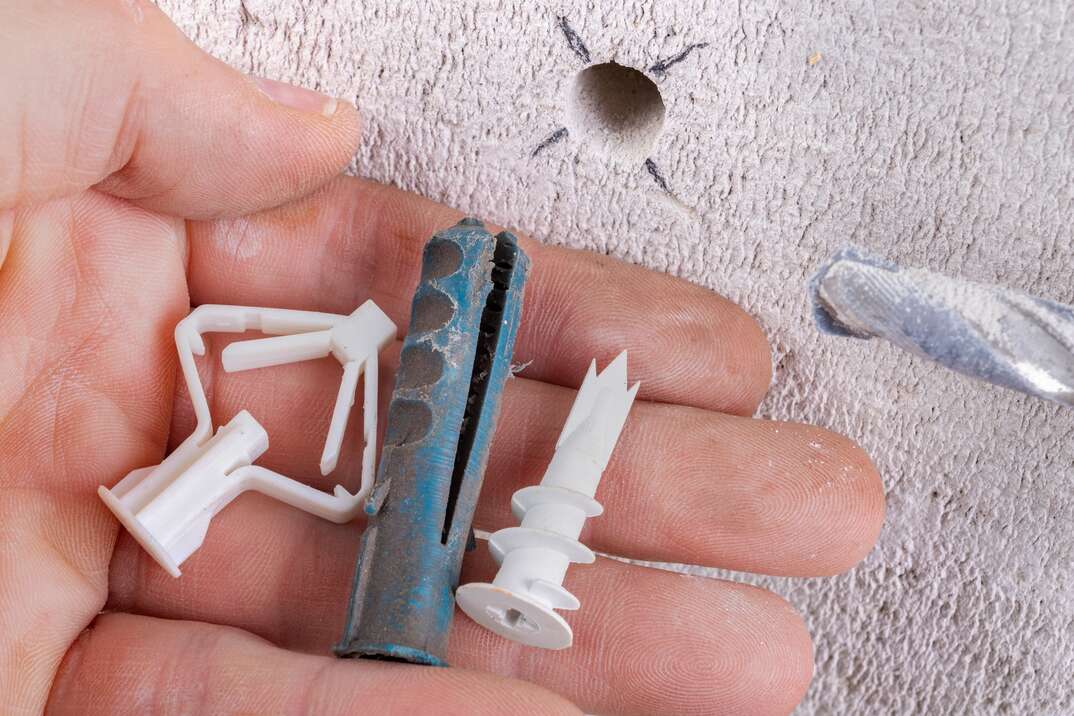
There are several types of drywall anchors. Plastic expansion anchors work well for light items. They expand as you insert a screw. Threaded anchors screw directly into the wall. They hold medium-weight objects firmly. Toggle bolts have wings that open behind the drywall. They support heavy items securely. Each type fits certain tasks and weights.
Weight Capacity Considerations
Check the weight of your item before choosing an anchor. Light anchors hold up to 20 pounds. Medium anchors can support 30 to 50 pounds. Heavy-duty anchors carry more than 50 pounds. Always pick an anchor with a higher capacity than your item’s weight. This prevents accidents and wall damage.
Material Compatibility
Consider the wall material before buying anchors. Some anchors work best in drywall only. Others fit plaster or hollow walls. Metal anchors suit studs or solid surfaces. Using the right anchor material ensures a tight grip. It also protects the wall from cracks and holes.
Gathering Necessary Tools
Gathering the right tools is the first step to install a drywall anchor. Having everything ready makes the work smooth and safe. Each tool plays a role in making the anchor secure and strong.
Drill And Bits
A drill helps create holes in the drywall. Choose the right drill bit size for the anchor. A bit too big or small can cause problems. Use a drill with a steady speed for clean holes.
Screwdrivers And Screws
Screwdrivers drive screws into the anchor. Use the right type: a flathead or Phillips, based on the screw. The screws must match the anchor size. Tighten screws carefully to avoid damage.
Measuring And Marking Tools
Measuring tools like a tape measure ensure correct placement. Mark spots with a pencil for accuracy. Proper marking prevents mistakes and keeps the anchor level. Use a level tool if needed for precision.
Preparing The Wall
Preparing the wall is the first step before installing a drywall anchor. It helps ensure the anchor holds securely. Proper preparation prevents damage and makes the installation smoother. Follow simple steps to get the wall ready for the anchor.
Locating Studs And Avoiding Obstacles
Start by finding the studs in the wall. Studs provide strong support but drywall anchors go between them. Use a stud finder tool or tap the wall to listen for solid sounds. Avoid electrical wires and pipes hidden inside the wall. These obstacles can cause accidents or damage. Mark safe spots away from studs and obstacles.
Marking Anchor Points
Measure and mark where the anchor will go. Use a pencil to make small dots on the wall. Check the height and spacing carefully. Make sure the marks are level and straight. Clear marks help drill holes accurately. This step saves time and keeps the anchor secure.
Installing The Anchor
Installing a drywall anchor is an important step for hanging objects securely. The process involves preparing the wall, placing the anchor, and making sure it stays in place. Follow these simple steps to install the anchor correctly.
Drilling Pilot Holes
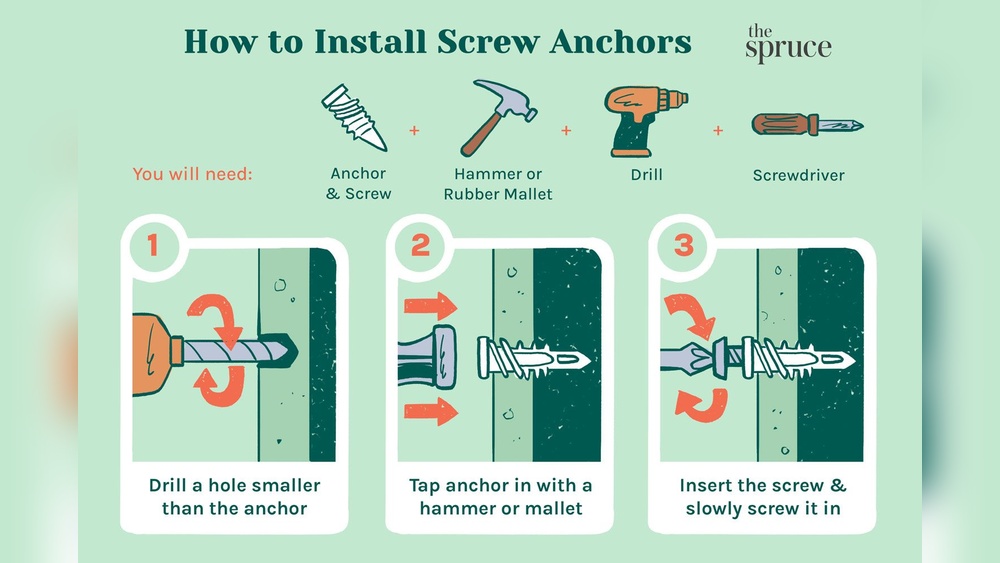
Start by marking the spot for the anchor on the wall. Use a drill with a bit size that matches the anchor. Drill a pilot hole straight into the drywall. Drill only as deep as the anchor length to avoid damage. Clean out any dust or debris from the hole.
Inserting The Anchor
Take the drywall anchor and gently push it into the pilot hole. Use your fingers or a small hammer to tap it lightly if needed. The anchor should fit snugly and sit flush with the wall surface. Avoid forcing it too hard to prevent wall damage.
Securing The Anchor
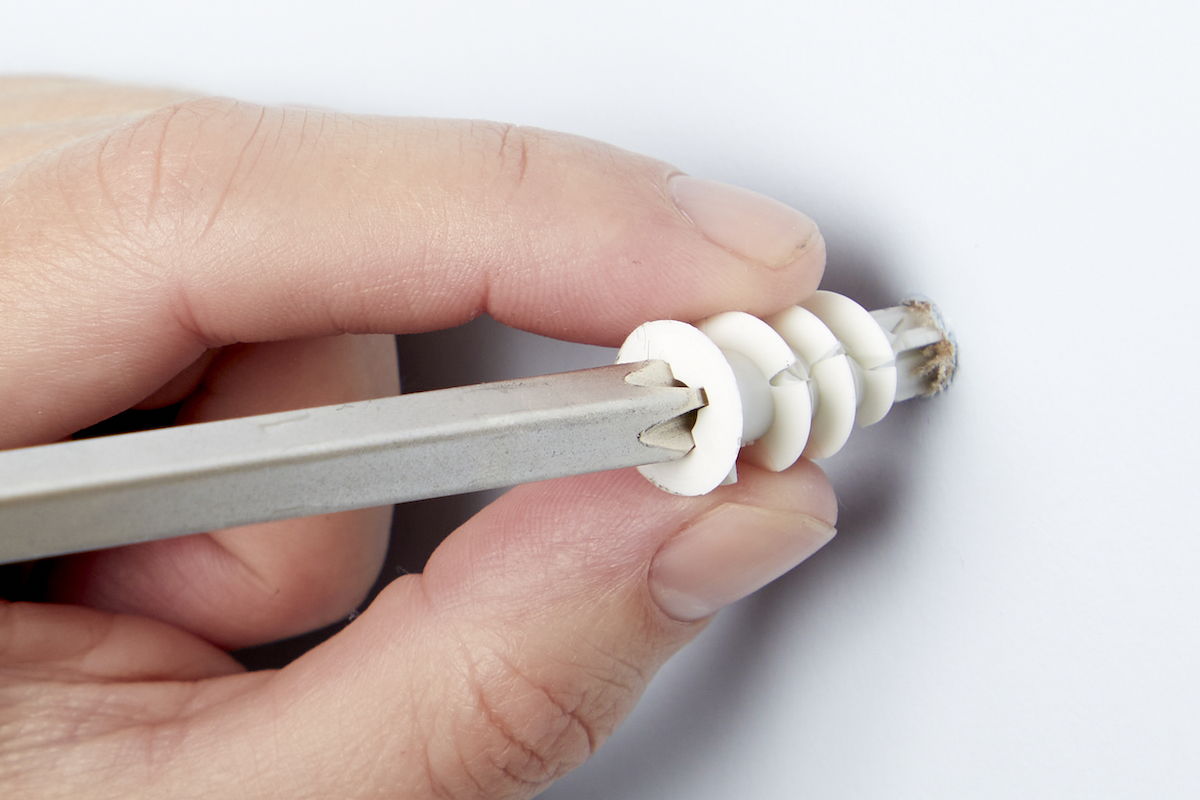
Insert the screw into the anchor carefully. Turn the screw slowly using a screwdriver or drill. Tighten until the anchor expands behind the drywall. This expansion holds the anchor firmly in place. Stop tightening once the screw feels secure without overdoing it.
Attaching Fixtures
Attaching fixtures to drywall anchors is a key step for a secure hold. Proper attachment ensures your items stay in place without damage. Follow these steps carefully for best results.
Aligning Fixtures With Anchors
Place the fixture over the wall where anchors are installed. Match the holes in the fixture to the anchors. Make sure everything lines up correctly before moving on.
Screwing In Fasteners
Insert screws through the fixture into the drywall anchors. Turn screws slowly to avoid stripping or damaging anchors. Tighten screws until the fixture feels firmly attached.
Testing Stability
Gently pull or push the fixture to check hold. It should not wiggle or feel loose. If unstable, tighten screws more or check anchor placement again.
Credit: www.bobvila.com
Troubleshooting Common Issues
Troubleshooting issues with drywall anchors helps keep your walls safe and fixtures secure. Problems can arise from wrong installation or weak walls. Knowing how to fix these issues saves time and money.
Anchor Pull-out
Anchor pull-out happens when the anchor slips from the drywall. This occurs if the hole is too big or the anchor type is wrong. To fix this, use a larger anchor or choose a different kind for heavy items. You may also need to patch the hole and try again for a stronger hold.
Wall Damage
Wall damage can happen if the drill bit is too large or the anchor is forced in. Cracks or crumbling drywall means the wall needs repair before re-anchoring. Use spackle or joint compound to fill damaged spots. Let it dry fully before installing a new anchor.
Loose Fixtures
Loose fixtures happen when the anchor does not grip the wall firmly. This can cause items to wobble or fall. Tighten screws carefully and avoid overtightening, which can break the anchor. Use anchors rated for the fixture’s weight to ensure stability.
Tips For Long-lasting Support
Ensuring drywall anchors hold strong over time takes care and smart choices. These tips help your anchors stay secure and support weight safely. Follow these steps for long-lasting results and avoid common problems.
Choosing Quality Anchors
Use anchors made from durable materials like metal or heavy-duty plastic. Cheap anchors break or lose grip quickly. Match the anchor type to the wall and the object’s weight. This choice prevents damage and keeps your item steady.
Proper Weight Distribution
Spread the load across multiple anchors when hanging heavy items. One anchor may not hold enough weight alone. Balanced weight stops the drywall from cracking or sagging. Even small items benefit from good weight distribution.
Regular Inspection
Check anchors and screws every few months. Look for signs of loosening or damage. Tighten screws if needed to keep a firm hold. Early fixes stop bigger problems and keep your walls safe.
Credit: www.homeserve.com
Frequently Asked Questions
What Tools Do I Need To Install A Drywall Anchor?
You need a drill, screwdriver, drywall anchor, and a pencil. A level can help for precise placement. These tools ensure a secure and accurate installation.
How Do I Choose The Right Drywall Anchor Size?
Select an anchor size based on the weight of the item. Check the packaging for weight limits. Using the correct size ensures stability and prevents wall damage.
Can I Install Drywall Anchors Without A Drill?
Yes, some anchors are self-drilling and can be installed with a screwdriver. However, a drill speeds up the process and provides a tighter fit.
How Deep Should I Drill For A Drywall Anchor?
Drill a hole slightly smaller than the anchor diameter. The hole should be deep enough for the entire anchor to fit flush with the wall.
Conclusion
Installing a drywall anchor is simple and helpful for hanging items securely. Start by choosing the right anchor for your wall and weight needs. Drill a small hole, insert the anchor, and tighten the screw carefully. Avoid forcing the anchor to prevent wall damage.
With the right steps, your items will stay safe on the wall. Practice patience and take your time. Soon, you will feel confident in handling drywall anchors for various projects. Small effort. Big difference.