Are you ready to hang shelves, pictures, or hooks securely on your walls without worrying about them falling down? Installing plastic wall expand anchors is the key to making sure your items stay put, even in drywall or hollow walls.
In this guide, you’ll learn exactly how to install these anchors quickly and easily, saving you time and frustration. By the end, you’ll have the confidence to tackle any wall-mounting project like a pro. Let’s get started and make your walls work for you!
Tools And Materials Needed
Installing plastic wall anchors requires the right tools and materials. Having these ready makes the job easier and faster. It also helps to get a strong hold for your screws. This section covers the types of anchors and essential tools you need.
Types Of Plastic Wall Anchors
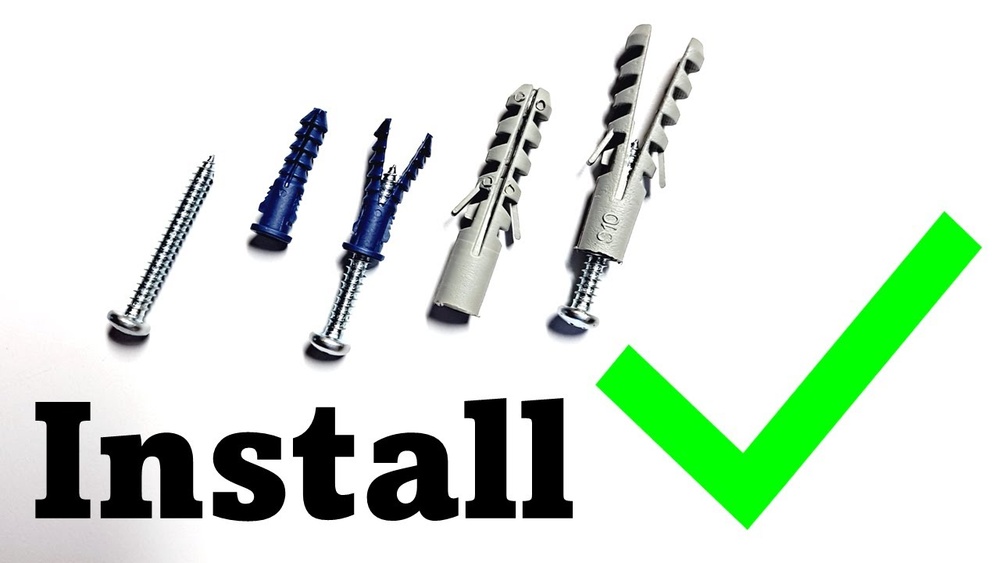
Plastic wall anchors come in different shapes and sizes. The most common types include expansion anchors, toggle anchors, and self-drilling anchors. Expansion anchors spread apart inside the wall for a tight fit. Toggle anchors have wings that open behind the wall for extra support. Self-drilling anchors can be installed without pre-drilling holes. Choose the right type for your wall and the weight you want to hold.
Essential Tools For Installation
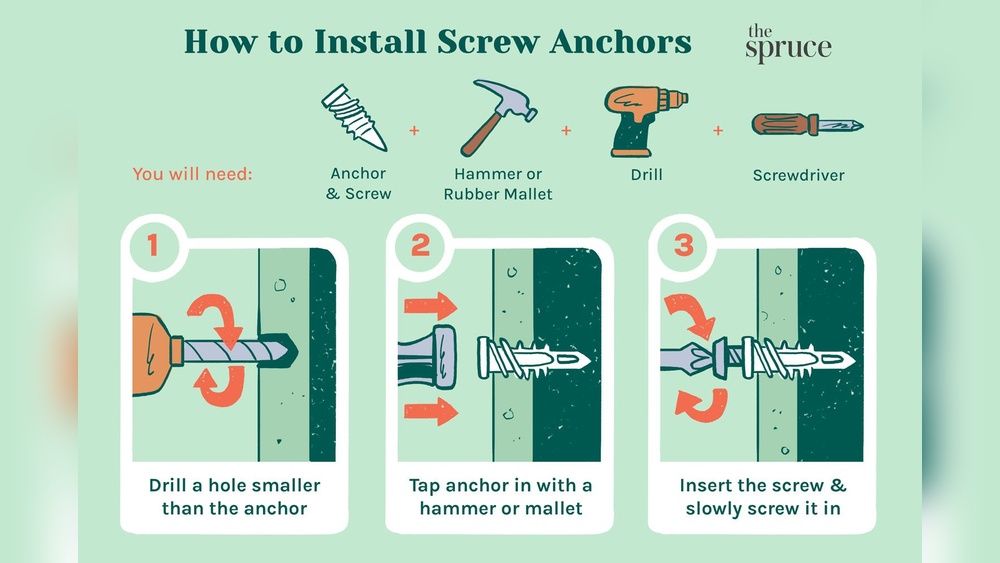
You need a few basic tools to install plastic wall anchors. Start with a drill to make holes in the wall. Pick a drill bit size that matches your anchor. A screwdriver is needed to drive the screw into the anchor. A hammer may help to tap the anchor into the hole gently. Finally, a level can ensure your installation is straight. These tools make the process smooth and safe.
Preparing The Wall
Preparing the wall is an important first step for installing a plastic wall expand anchor. It helps the anchor hold strong and keeps your items secure. Taking time to prepare properly avoids mistakes and damage to your wall.
Choosing The Right Spot
Pick a spot on the wall that is clean and flat. Avoid areas with cracks or soft materials like drywall near studs. The anchor works best in solid walls such as brick, concrete, or plaster. Check for wires or pipes behind the wall to stay safe.
Marking The Drill Point
Use a pencil to mark the exact point where you will drill. Measure carefully to keep the mark level and in the right place. A small dot or cross makes it easy to see. Double-check your measurements before drilling to avoid errors.
Drilling The Hole
Drilling the hole is the first important step in installing a plastic wall expand anchor. A correctly drilled hole ensures the anchor fits tightly and holds firmly. Taking time to drill properly makes your installation strong and lasting.
Selecting The Drill Bit Size
Choose a drill bit that matches the anchor size exactly. Check the packaging for the recommended drill bit diameter. Using a bit too small makes the anchor hard to insert. Too large, and the anchor will be loose and weak.
Measure the anchor width and pick a drill bit the same size. This fit helps the anchor expand inside the wall for a secure hold. Avoid guessing the size to prevent poor installation results.
Drilling Techniques For Clean Holes
Hold the drill steady and straight to avoid angled holes. Start drilling slowly to create a small guide hole. Increase speed once the drill bit is firmly in the wall.
Keep the drill bit cool by pulling it out occasionally. This stops overheating and keeps the hole clean. Clean holes allow the anchor to expand fully and grip better.
Remove dust and debris from the hole before inserting the anchor. Use a small brush or blow air into the hole. A clean hole ensures the anchor fits tightly and holds strong.

Credit: www.invidiavoices.co.uk
Inserting The Plastic Anchor
Inserting the plastic wall anchor is a key step for a secure hold. The anchor fits into the hole in your wall, providing support for screws and heavy items. This part must be done carefully to avoid damage and ensure strength.
Aligning The Anchor
Start by matching the plastic anchor with the drilled hole. Check the size of the anchor and hole; they must fit snugly. Hold the anchor straight to avoid bending or breaking it. Proper alignment helps the anchor sit flush against the wall.
Securing The Anchor In Place
Press the anchor gently into the hole using your thumb. If it does not go in easily, tap it lightly with a hammer. Push until the anchor is flush with the wall surface. A well-secured anchor will not spin or move when you insert a screw.
Installing The Screw
Installing the screw into a plastic wall expand anchor is a critical step. It secures the anchor and holds objects firmly on the wall. Proper installation ensures strength and durability. Follow clear steps to avoid mistakes and ensure a solid hold.
Choosing The Correct Screw
Select a screw that fits the anchor size exactly. Too small screws will not expand the anchor properly. Too large screws can crack the anchor or wall. Use screws designed for plastic anchors, usually indicated on the package. Check the length so it goes through the anchor and into the wall safely.
Driving The Screw Properly
Start by placing the screw into the anchor head carefully. Use a screwdriver or drill with the right bit size. Turn the screw slowly and steadily. Stop when the screw feels tight, and the anchor expands inside the wall. Avoid over-tightening to prevent damage. The screw should hold the anchor firmly without cracking it.
Testing The Installation
Testing the installation of a plastic wall expand anchor is a key step. It ensures the anchor holds firmly in the wall. This step helps prevent damage and keeps items secure. Take time to check the stability and fix common issues.
Checking Stability
Gently pull or push the attached item. It should not move or wiggle. Try to feel any looseness around the anchor. A stable anchor stays tight and does not shift. Check both the anchor and the mounted item.
Tap the wall near the anchor with your finger. A hollow sound may mean a loose anchor. Listen carefully for any cracking or crumbling noises. Solid walls give a firm, dull sound. This test helps confirm the anchor’s hold.
Troubleshooting Common Issues
If the anchor feels loose, do not ignore it. Remove the item and inspect the anchor. Look for cracks or broken parts. Replace damaged anchors with new ones. Use the correct size for your wall type.
Sometimes the hole is too big. Fill the hole with wall filler and let it dry. Drill a new hole next to the old one. Insert a new anchor and test again. Avoid over-tightening the screw to stop damage.
Tips For Best Results
Following some simple tips helps you install plastic wall expand anchors correctly. Proper steps avoid common problems and improve the anchor’s hold. These tips save time and prevent damage to your walls.
Avoiding Wall Damage
Use the correct drill bit size for the anchor. Too large or small holes weaken the wall. Drill slowly and keep the drill straight to prevent cracks. Clean dust from the hole before inserting the anchor. This step helps the anchor fit tightly. Avoid hammering the anchor forcefully. Gently tap it in to protect the wall surface.
Ensuring Long-lasting Hold
Choose an anchor size that matches the screw and load. Too small anchors slip out easily. Insert the anchor fully into the wall for a secure grip. Tighten screws slowly to expand the anchor inside the wall. Over-tightening can break the anchor or damage the wall. Test the hold by gently pulling on the fixture after installation.

Credit: www.fmwfasteners.com
:max_bytes(150000):strip_icc()/how-to-use-and-discard-anchor-screws-1822671-Final-ec8091ccf65241b1b1f888549f25003a.jpg)
Credit: www.thespruce.com
Frequently Asked Questions
What Tools Do I Need To Install Plastic Wall Expand Anchors?
You need a drill, drill bit, screwdriver, hammer, and the plastic wall expand anchors. These tools ensure proper installation and secure fastening.
How Do I Choose The Right Drill Bit Size?
Select a drill bit that matches the anchor’s diameter. This ensures a snug fit and prevents wall damage during installation.
Can Plastic Wall Expand Anchors Hold Heavy Objects?
Yes, they can support medium-weight items. For very heavy loads, consider metal anchors or other heavy-duty fasteners for safety.
How Deep Should I Drill For A Plastic Wall Anchor?
Drill a hole slightly longer than the anchor’s length. This allows the anchor to expand fully and hold securely.
Conclusion
Installing plastic wall expand anchors is simple and effective. Start by drilling the right hole size. Insert the anchor gently until it fits flush with the wall. Tighten the screw carefully to expand the anchor inside the wall. This method gives strong support for hanging items safely.
Practice makes perfect, so try on a test spot first. With patience and care, your wall anchors will hold well. Use these steps to secure shelves, pictures, or hooks easily. Simple tools and clear steps make the job quick and neat.