Are you planning to hang something heavy and need a strong, reliable anchor in your concrete wall? Securing a heavy duty eye hook might seem tricky, but with the right steps, you can do it yourself safely and effectively.
This guide will show you exactly how to install an eye hook that holds firm, giving you peace of mind and saving you time and money. Keep reading, and you’ll learn simple tips to make sure your eye hook stays put—no matter the weight.

Credit: stonedesignbysantos.com
Choosing The Right Eye Hook
Choosing the right eye hook is key to securing heavy loads safely in a concrete wall. The right choice depends on the material and size. These factors affect strength and durability. Picking the wrong hook can cause accidents or damage. Here is what to consider.
Material Considerations
Eye hooks come in different materials. Steel is strong and resists bending. Stainless steel offers rust resistance, great for wet areas. Galvanized hooks have a protective coating to prevent rust. Choose a material that fits the environment. For outdoor use, rust resistance is important. For indoor use, steel may be enough. Strong materials ensure the hook holds well over time.
Size And Load Capacity
Eye hooks come in many sizes. Size relates directly to how much weight they can hold. Check the load capacity before buying. The hook must support the total weight safely. Larger hooks usually hold more weight. Don’t pick a hook too small for your load. This avoids accidents and damage. Choose a size that matches your lifting or hanging needs.
Preparing The Concrete Wall
Preparing the concrete wall is the first step to secure a heavy duty eye hook properly. This step ensures the hook holds strong and lasts long. A well-prepared surface prevents damage and keeps the installation safe.
Inspecting The Surface
Check the concrete wall for cracks or loose parts. These can weaken the hold of the eye hook. Make sure the area is clean and dry. Remove dust, dirt, or grease. A smooth, solid surface gives the best grip.
Marking The Drill Spot
Choose the exact spot for the eye hook. Use a pencil or marker to make a clear mark. Measure carefully to ensure the hook is level and in the right place. Marking correctly helps avoid mistakes and extra holes.
Drilling The Hole
Drilling a hole in a concrete wall is the first important step to secure a heavy duty eye hook. It requires care to avoid cracks and to make the hole fit the hook anchor perfectly. Using the right tools and methods helps create a strong hold for the hook. This section explains how to drill the hole correctly.
Selecting The Drill Bit
Choose a drill bit made for concrete or masonry. These bits have a special tip to cut through hard surfaces. Pick the right size bit that matches the anchor size of your eye hook. Using a bit too small or too large weakens the hold. Carbide-tipped bits are durable and work well in tough concrete.
Drilling Techniques For Concrete
Mark the spot clearly before drilling. Use a hammer drill if available; it makes drilling easier in concrete. Start drilling at a low speed to keep the bit steady. Apply firm, steady pressure but do not push too hard. Let the drill do the work to avoid breaking the bit or wall.
Stop occasionally to remove dust from the hole using a brush or air blower. Keep the drill bit straight to make a clean, deep hole. Drill to the depth recommended for the anchor to ensure a strong fit. Proper drilling techniques help the eye hook hold heavy loads safely.
Inserting Anchors
Inserting anchors is a key step in securing a heavy duty eye hook to a concrete wall. The right anchor provides a strong hold and keeps the hook in place under heavy loads. Choosing the correct anchor type and installing it properly ensures safety and durability. Below are details on anchor types and how to install them correctly.
Types Of Concrete Anchors
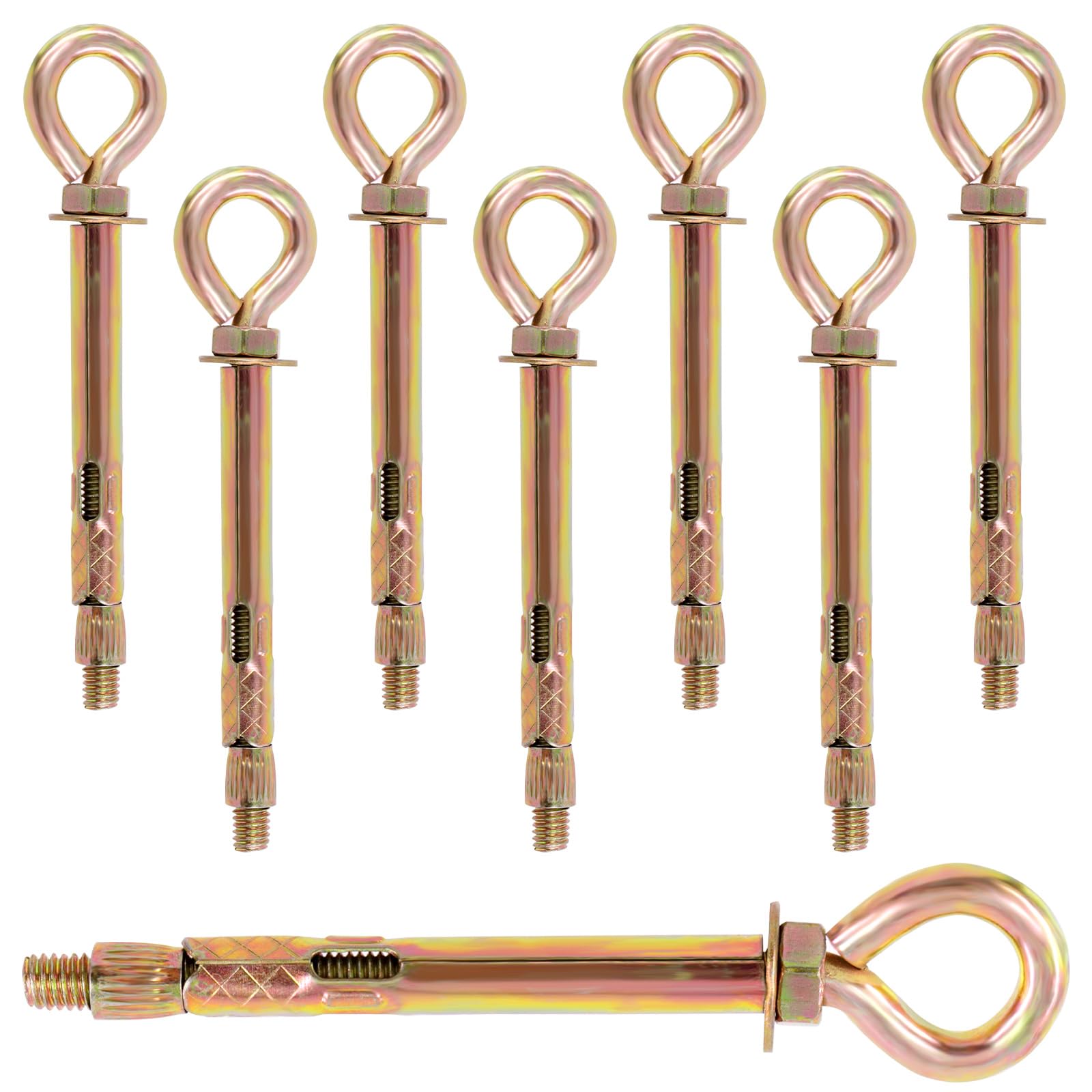
Concrete anchors come in several types. Expansion anchors fit tightly as they expand inside the hole. Sleeve anchors work well for medium loads. Wedge anchors offer strong holding power for heavy loads. Drop-in anchors sit flush with the surface. Choose anchors based on the weight and type of load.
Proper Installation Methods
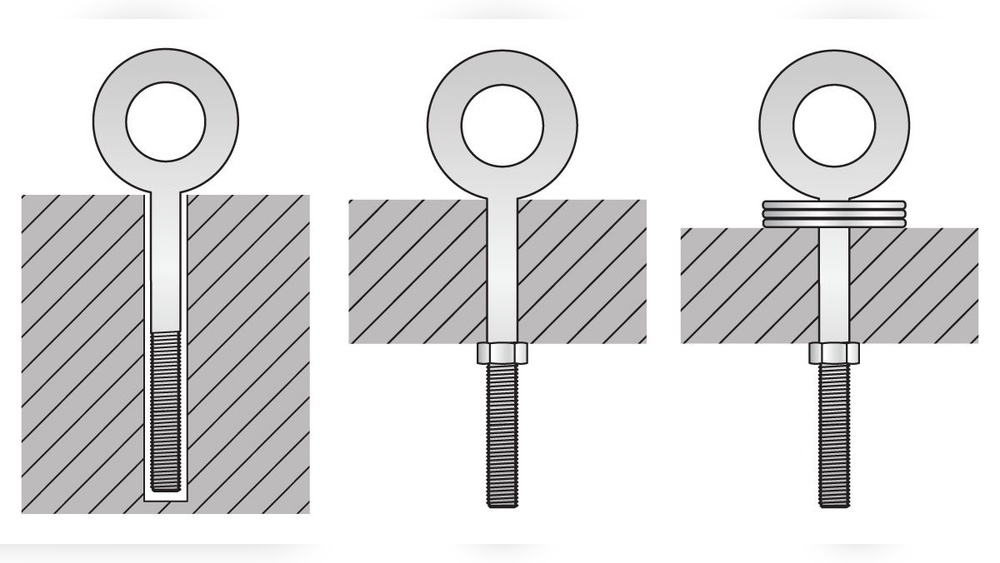
Start by drilling a hole to the right size for the anchor. Clean the hole from dust and debris. Insert the anchor fully into the hole. Tighten the anchor using the correct tool to expand or secure it. Avoid over-tightening to prevent damage. Test the anchor’s hold before attaching the eye hook.
Securing The Eye Hook
Securing a heavy duty eye hook in a concrete wall requires careful steps. Doing it right ensures strong support and safety. The eye hook must fit tightly to hold heavy weight without slipping. Use the right tools and techniques to get a firm grip. Follow these simple steps to secure your eye hook properly.
Threading The Hook
Start by threading the eye hook into the anchor or sleeve. Turn it slowly by hand at first. Make sure the threads catch evenly without crossing. Use steady pressure to avoid stripping the threads. The hook should go in smoothly with no resistance. Stop if it feels stuck or tight.
Tightening For Maximum Hold
Use a wrench or pliers to tighten the eye hook. Turn it clockwise to secure it firmly in place. Avoid over-tightening to prevent damage to the concrete or hook. Tighten until the hook feels solid and does not wiggle. Check that the hook is straight and well aligned. A tight eye hook holds weight safely and lasts longer.

Credit: www.hellobuckwild.com
Safety Checks
Safety checks are vital for securing a heavy duty eye hook in a concrete wall. They help avoid accidents and ensure the hook holds strong under pressure. Regular inspections catch problems early and keep the setup reliable.
Proper safety checks protect both people and property. They confirm the hook and wall can handle the intended load. Skipping these checks risks failure and injury.
Load Testing
Load testing measures how much weight the eye hook can bear. Test the hook with weights close to its limit. Watch for any bending or loosening during the test.
Use certified equipment for accurate results. Perform load tests before first use and after any repairs. Keep records of all tests for safety tracking.
Regular Maintenance Tips
Inspect the eye hook and wall regularly for cracks or rust. Clean the hook to remove dirt and debris that weaken it. Tighten any loose bolts or anchors immediately.
Replace worn or damaged parts without delay. Check the surrounding concrete for signs of crumbling or moisture damage. Maintain a routine schedule for all safety checks.
Common Mistakes To Avoid
Securing a heavy duty eye hook in a concrete wall requires care and precision. Many people make simple mistakes that weaken the hold or cause damage. Avoiding these errors saves time and ensures safety. Below are common mistakes to watch out for during installation.
Choosing The Wrong Anchor Type
Not all anchors work well with concrete. Using a weak or unsuitable anchor reduces strength. Select anchors designed specifically for concrete walls. This ensures a secure and lasting hold for heavy loads.
Improper Hole Size
Drilling holes too small or too large causes problems. A hole too small breaks the anchor or wall. Too large a hole lets the hook loosen over time. Always match the drill bit to the anchor size exactly.
Ignoring Wall Condition
Concrete walls with cracks or damage cannot hold heavy hooks properly. Installing in weak spots risks failure. Check the wall for cracks or crumbling areas before drilling. Choose a solid section for installation.
Not Cleaning The Hole
Dust and debris inside the drilled hole reduce anchor grip. Failing to clean the hole weakens the hold. Use a brush or compressed air to clear dust before placing the anchor.
Over-tightening The Hook
Applying too much force while tightening can crack the anchor or wall. Tighten the eye hook just enough to secure it firmly. Stop once the hook feels stable and does not spin.
Credit: www.talbrossealing.com
Frequently Asked Questions
How Do I Choose The Right Eye Hook For Concrete?
Select a heavy-duty eye hook rated for concrete use. Check the weight capacity and material quality to ensure safety and durability.
What Tools Are Needed To Install An Eye Hook In Concrete?
You need a hammer drill, masonry bit, wall plug, screwdriver, and the eye hook itself. These tools ensure a secure fit.
How Deep Should The Hole Be For An Eye Hook?
Drill the hole at least 1. 5 times the length of the eye hook’s threaded section. This ensures a strong anchor.
Can I Secure An Eye Hook Without Wall Plugs?
No, wall plugs provide essential grip inside concrete. Without them, the eye hook may loosen and fail under load.
Conclusion
Securing a heavy duty eye hook in a concrete wall is simple with the right steps. Start by choosing the correct hook and anchors. Drill a hole that fits the anchor tightly. Insert the anchor fully and then screw in the eye hook firmly.
Check that it holds well before applying weight. Taking these easy steps keeps your hook strong and safe. This method works for many heavy-duty needs on concrete surfaces. Trust the process and your hook will stay secure for a long time.