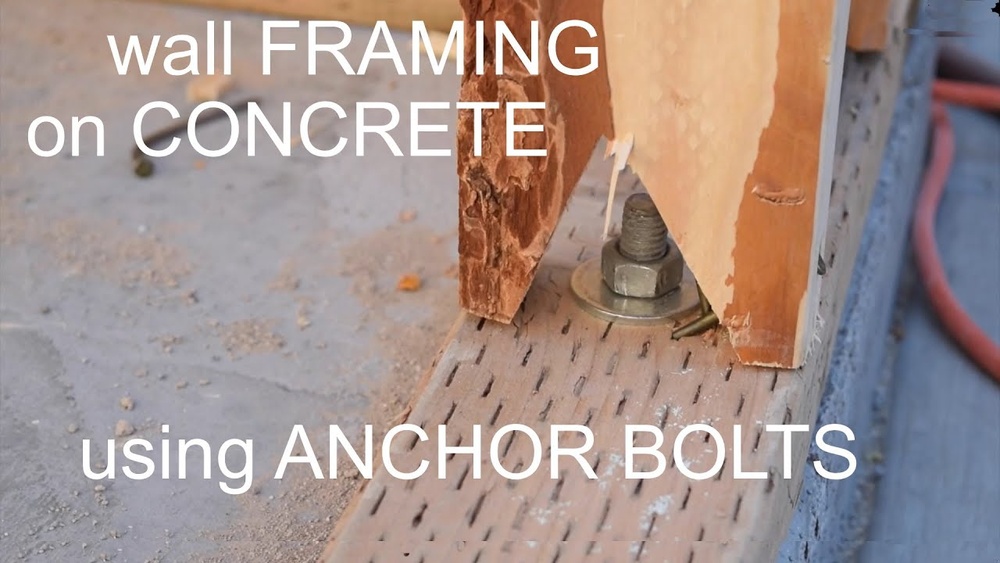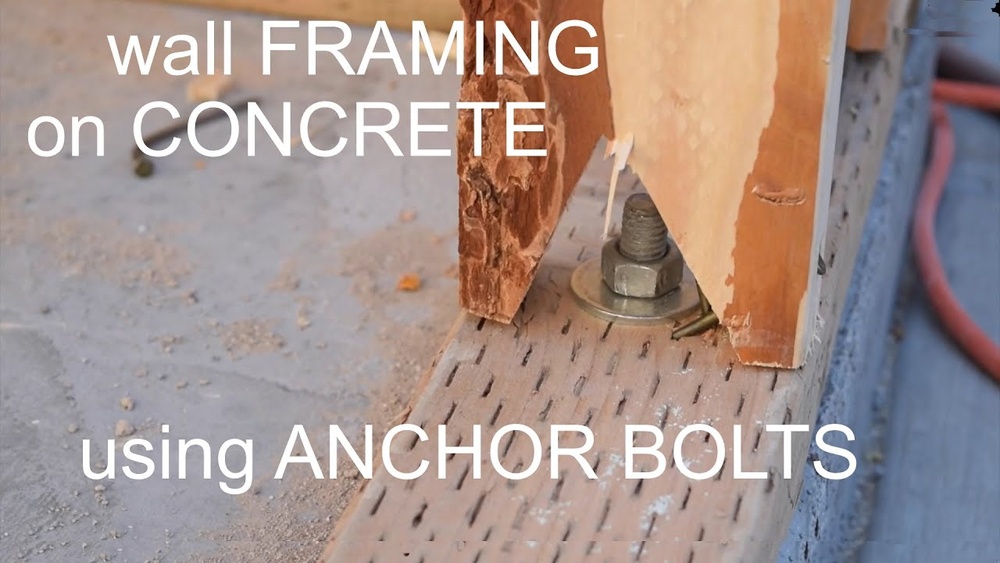
Are you struggling to securely attach your studded walls to concrete? You’re not alone.
Anchoring walls to a solid concrete surface can feel tricky, but getting it right is crucial for the strength and safety of your project. In this guide, you’ll discover simple, step-by-step methods that make the process clear and manageable—even if you’re new to DIY.
Keep reading, and you’ll learn how to achieve a strong, lasting hold that keeps your walls steady for years to come.
Tools And Materials Needed
Anchoring studded walls to concrete requires specific tools and materials. These help secure the wall firmly and ensure safety. Preparing the right items before starting saves time and effort. Below is a list of what you will need.
Essential Tools
- Hammer drill with a masonry bit
- Socket wrench or drill driver
- Measuring tape
- Level
- Marker or pencil
- Vacuum or brush for cleaning dust
Recommended Anchors
- Concrete wedge anchors
- Sleeve anchors
- Tapcon screws
- Expansion anchors
Safety Gear
- Safety goggles to protect your eyes
- Dust mask to avoid inhaling dust
- Work gloves for hand safety
- Ear protection if using loud tools
:strip_icc()/hammering-concrete-nails-7a5b81a6-89a6078f13fb4ec0899ebbf399fc755c.jpg)
Credit: www.bhg.com
Preparing The Concrete Surface
Preparing the concrete surface is a crucial step before anchoring studded walls. A clean and well-marked surface ensures the anchors hold firmly and the wall stays secure. Proper preparation saves time and avoids problems later.
Cleaning The Area
Start by removing dirt, dust, and loose debris from the concrete. Use a stiff brush or broom to sweep the surface thoroughly. For oil or grease stains, apply a concrete cleaner and scrub the spot. Rinse the area with water and let it dry completely. A clean surface helps the anchors grip better and prevents slipping.
Marking Anchor Points
Measure and mark where each anchor will go on the concrete. Use a pencil or chalk for clear, visible marks. Check your measurements twice to ensure accuracy. Proper marking helps drill holes in the right spots, making the installation smoother. Precise points reduce errors and save effort during anchoring.
Drilling Into Concrete
Drilling into concrete is a key step to anchor studded walls securely. Concrete is tough. It needs special tools and methods. Using the right drill bit and proper technique ensures clean holes. This helps fix anchors tightly. Careful drilling prevents cracks or damage in the concrete. Let’s explore how to drill into concrete the right way.
Choosing The Right Drill Bit
Use a masonry drill bit for concrete. These bits have a carbide tip. It breaks the hard concrete surface easily. Regular bits will wear out fast or break. Pick a bit size that matches the anchor diameter. A snug fit holds anchors firmly. Hammer drill bits work best for tough concrete. They combine rotation and a hammering action. This makes drilling faster and easier.
Drilling Techniques
Start drilling slowly to mark the spot. Increase speed after the bit grips the surface. Apply steady pressure but don’t force the drill. Let the bit do the work. Pull the bit out often to clear dust. This prevents overheating and keeps the hole clean. Keep the drill perpendicular to the wall. Angled holes weaken the anchor hold. Stop drilling when you reach the needed depth. Use tape on the bit as a depth guide.
Credit: www.hansenpolebuildings.com
Installing Anchors
Installing anchors is a crucial step in attaching studded walls to concrete. It creates a strong connection that holds the studs firmly in place. The right anchor type depends on the weight of the wall and the concrete condition. Using proper tools and techniques ensures a secure and lasting hold. Below are common methods for installing anchors in concrete.
Inserting Expansion Anchors
Expansion anchors work by expanding inside the drilled hole in concrete. First, drill a hole matching the anchor size. Clean out dust and debris from the hole. Insert the anchor into the hole until flush with the surface. Tighten the bolt or screw to expand the anchor. This expansion grips the concrete walls tightly. Expansion anchors are good for medium to heavy loads.
Using Sleeve Anchors
Sleeve anchors offer strong support for studded walls. Drill a hole slightly larger than the anchor diameter. Remove dust to ensure a clean fit. Place the sleeve anchor into the hole with the sleeve against the concrete wall. Tighten the bolt to pull the sleeve outward. The sleeve locks firmly inside the hole. These anchors work well for uneven concrete surfaces.
Securing With Epoxy Anchors
Epoxy anchors use a chemical adhesive for a powerful hold. Begin by drilling a precise hole and cleaning it thoroughly. Inject epoxy resin into the hole using a special dispenser. Insert the threaded rod or rebar into the epoxy-filled hole. Let the epoxy cure fully before applying any load. Epoxy anchors provide excellent strength for heavy walls and vibration resistance.
Attaching The Studded Wall
Attaching the studded wall to concrete is a key step in building a strong structure. This process keeps the wall steady and safe. Correct attachment prevents movement and damage. It also helps the wall hold shelves or fixtures well.
Aligning The Wall
Start by placing the studded wall against the concrete. Use a level to check if the wall is straight. The studs should line up evenly. Mark the spots on the concrete where the studs touch. These marks guide where to drill holes. Proper alignment ensures a solid attachment.
Fastening Methods
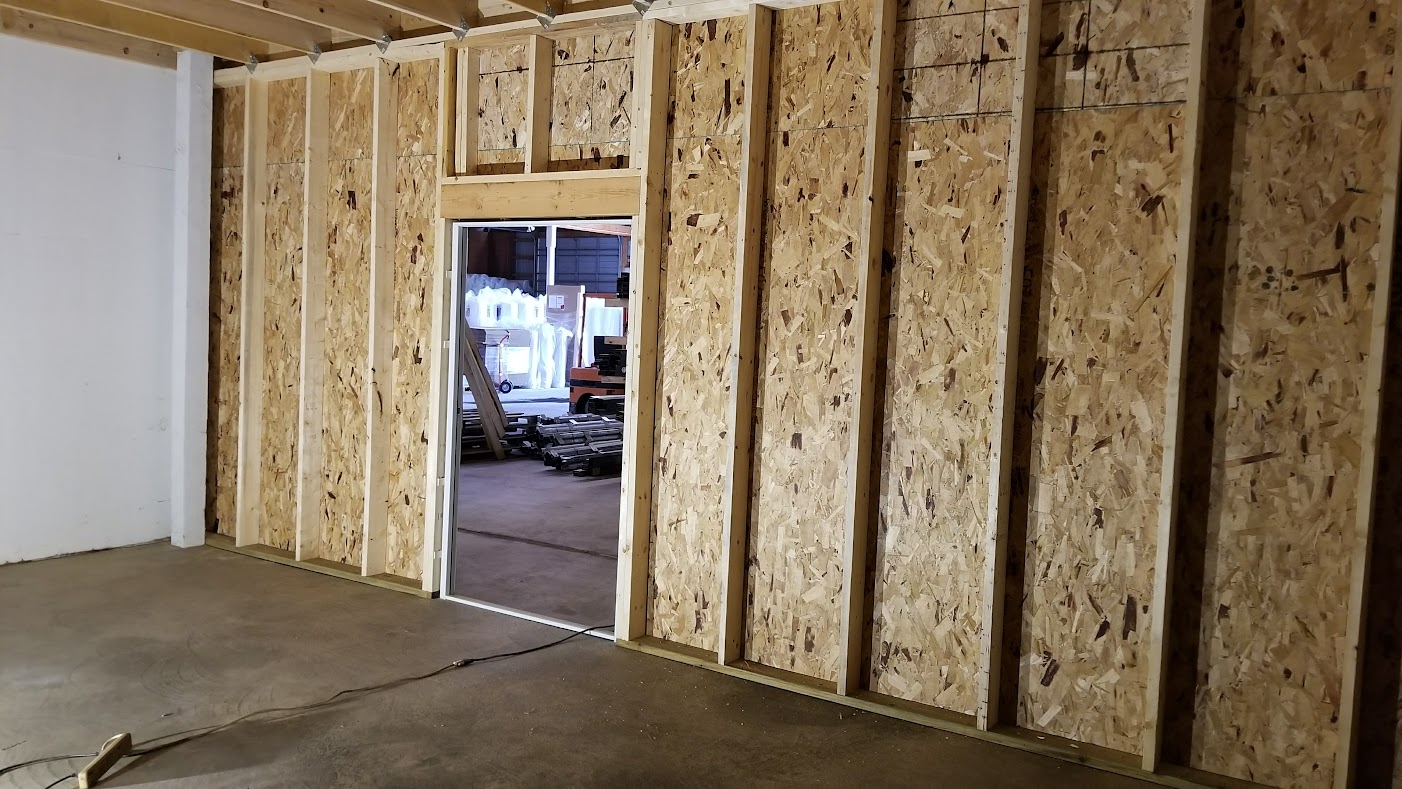
Choose the right fasteners for concrete, such as concrete screws or anchors. Drill holes into the concrete at the marked spots. Use a hammer drill for easier drilling. Insert anchors if needed for extra hold. Screw the studs tightly to the concrete. Tight fasteners keep the wall secure and stable.
Ensuring Stability And Safety
Ensuring stability and safety is key when anchoring studded walls to concrete. Proper anchoring keeps the wall secure and prevents accidents. It also helps the structure last longer and hold heavier loads. Taking time to verify the strength and tightness of anchors makes a big difference.
Checking Anchor Tightness
Check each anchor bolt to confirm it is tight. Use a wrench to turn the bolt slightly. It should not move easily. Loose bolts can cause the wall to wobble or fall. Tighten any bolts that feel loose. This step ensures the studs hold firmly against the concrete.
Load Testing
Perform load testing to measure the wall’s strength. Apply weight gradually to the studs and observe any movement. The wall should stay steady without bending or cracking. Load testing shows if the anchors can handle real use. Repeat testing on all key points for full safety.
Common Mistakes To Avoid
Anchoring studded walls to concrete requires care and the right technique. Many mistakes can weaken the hold or cause damage. Avoid these common errors to ensure a strong, safe installation.
Improper Drilling
Drilling too fast or with the wrong bit can crack concrete. Use a hammer drill with a masonry bit. Drill slowly and steady. Make sure the hole depth matches the anchor length. Clean out dust after drilling for a tight fit.
Using Incorrect Anchors
Not all anchors suit every wall or load type. Choose anchors made for concrete and the stud size. Avoid using plastic anchors for heavy loads. Metal wedge anchors or sleeve anchors work best for studded walls. Check the weight capacity before buying.
Ignoring Safety Precautions
Concrete dust harms lungs and eyes. Always wear safety goggles and a dust mask. Use gloves to protect your hands. Work in a well-ventilated area. Secure the wall properly before drilling to prevent accidents.
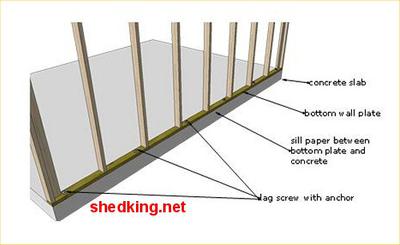
Credit: www.shedking.net
Frequently Asked Questions
What Materials Are Needed To Anchor Studded Walls To Concrete?
You need concrete anchors, a hammer drill, masonry bits, studs, screws, and a level. These tools ensure a secure and precise installation on concrete surfaces.
How Do You Drill Holes For Studs In Concrete Walls?
Use a hammer drill with a masonry bit to drill holes. Mark stud positions, drill to the correct depth, and clean debris for proper anchor placement.
Which Anchors Work Best For Securing Studs To Concrete?
Sleeve anchors or wedge anchors are ideal. They provide strong hold and resist pull-out forces, ensuring the stud wall remains stable over time.
Can You Anchor Stud Walls To Old Concrete Surfaces?
Yes, but inspect for cracks or damage first. Use appropriate anchors and avoid weak areas to maintain strong attachment and safety of the wall.
Conclusion
Anchoring studded walls to concrete takes some care and the right tools. Follow the steps carefully for a strong hold. Use proper anchors and drill in the right spots. Double-check your work to avoid mistakes. This helps keep your walls safe and stable.
Taking your time pays off in the end. Your project will last longer with a solid base. Simple steps make a big difference in results. Keep safety in mind throughout the process. Now you can feel confident about your wall installation.