Have you ever struggled to remove a Command hook without damaging your wall? You’re not alone.
Those little hooks are great for hanging things, but taking them off can feel tricky and risky. What if you peel off paint or leave sticky residue behind? Don’t worry—this guide will show you exactly how to take a Command hook off your wall safely and easily.
By the end, you’ll have the confidence to remove hooks without a second thought. Keep reading to learn the simple steps that protect your walls and save your time.
:max_bytes(150000):strip_icc()/how-to-remove-command-strips-5089679-08-f1a503a270af4f05a47e576b957c8f6b.jpg)
Credit: www.thespruce.com
Tools Needed
Removing a Command Hook from the wall is easy with the right tools. You need only a few simple items. These tools help you avoid damage to the wall and keep the hook reusable.
Gathering the right tools saves time and effort. It also makes the removal process smooth and safe. Below are the essential tools needed for this task.
Hair Dryer
A hair dryer softens the adhesive strip behind the Command Hook. Warm air loosens the glue, making it easier to pull the strip off. Use medium heat to avoid damaging the wall.
Dental Floss Or Fishing Line
Dental floss or fishing line helps cut through the adhesive strip gently. Slide it behind the hook and move it back and forth. This action separates the strip from the wall without peeling paint.
Plastic Card
A plastic card, like an old credit card, helps to lift the edge of the adhesive strip. It provides a flat surface to work under the hook. This tool prevents wall damage during removal.
Soft Cloth
A soft cloth cleans any leftover sticky residue after removing the hook. Dampen it with warm water to gently rub off glue. This keeps your wall smooth and ready for new hooks.
Preparing The Hook
Preparing the Command Hook before removal is important. It helps protect the wall and makes the process easier.
Taking a few simple steps can prevent damage and save time. Understanding the hook type and checking the surface are key.
Identify The Type Of Command Hook
Look closely at your Command Hook. Some have a plastic tab, others have a sticky strip.
Knowing the type helps you decide how to remove it safely. The tab usually stretches the adhesive strip.
Clear The Area Around The Hook
Remove any items hanging on the hook. Keep the wall space clear and clean.
This prevents accidents or damage during removal. A clear area gives you room to work comfortably.
Clean Your Hands And The Hook
Wash your hands before touching the hook. Dirt and oil can make the adhesive stick more.
Wipe the hook gently with a soft cloth. This keeps the surface clean for easier handling.
Check The Wall Condition
Look for cracks, paint peeling, or other damage. Avoid removing the hook if the wall is fragile.
Preparing the wall helps reduce damage risks. You can fix minor issues before removal.
Removing The Hook Slowly
Removing a Command Hook slowly is the safest way to protect your wall. Ripping it off quickly can cause damage. Take your time and follow careful steps. This will help keep your paint and drywall safe.
Focus on pulling the adhesive strip gently. Stretching it right helps release the hook without leaving marks. Patience is key in this process.
Stretching The Adhesive Strip
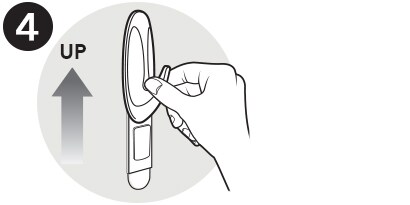
Hold the hook in one hand. Use your other hand to grab the adhesive strip’s tab. Pull the strip straight down, slowly. Do not pull it toward you or outward. Pulling straight down stretches the strip and breaks the bond.
Keep pulling until the strip releases from the wall. It may take 10 to 15 seconds. Keep steady pressure. Avoid jerky movements. Stretching the strip slowly helps it peel off cleanly.
Avoiding Wall Damage
Do not pull the hook or strip sideways. Sideways force can peel paint or drywall. Always pull down, close to the wall. If the strip breaks, try again with a new tab.
Check the wall after removal. Use a damp cloth to clean any residue. Avoid scraping or using strong chemicals. Gentle care keeps your wall smooth and safe.
Dealing With Stubborn Hooks
Sometimes Command Hooks stick tightly to the wall. They refuse to come off easily. This can be frustrating and may damage your paint or wallpaper. Patience and care help remove stubborn hooks safely. The right techniques make the process smoother and protect your wall.
Using Heat To Loosen Adhesive
Heat softens the glue behind the hook. Use a hairdryer on low heat. Hold it a few inches from the hook. Move it around for one to two minutes. The warmth makes the adhesive less sticky. This helps the hook peel off without damage.
Applying Gentle Pressure
After heating, gently pull the hook. Pull slowly and evenly from the bottom. Avoid yanking or sudden moves. Stretch the adhesive strip, not the hook itself. If it resists, apply more heat. Repeat the process until the hook slides off.
Cleaning Residue From The Wall
Removing a Command Hook from the wall often leaves behind some sticky residue. This residue can be stubborn and unattractive. Cleaning it properly protects the wall and restores its smooth look. Using the right cleaning methods helps avoid damage and removes all sticky marks efficiently.
Safe Cleaning Solutions
Choose gentle cleaning products to protect your wall’s paint. Warm soapy water works well for most surfaces. Mix a few drops of mild dish soap in water. Use a soft cloth to apply the solution gently. Avoid harsh chemicals like bleach or strong solvents. These can damage the paint or wall surface.
Removing Sticky Marks
Use a soft cloth or sponge soaked in warm soapy water. Rub the sticky area gently in circular motions. For tougher residue, apply a small amount of rubbing alcohol on a cloth. Test it first on a hidden spot to check for damage. Wipe the area carefully until the residue disappears. Rinse with clean water and dry with a soft towel.
Credit: www.familyhandyman.com
Tips To Prevent Damage
Removing a Command Hook can be tricky without hurting your wall. Follow simple tips to keep your paint and surface safe. Proper steps help avoid damage and save you time.
Correct Removal Angle
Pull the tab straight down, not out or sideways. This keeps the adhesive strip stretched properly. Stretching the strip slowly avoids tearing paint or drywall. Hold the base of the hook steady while pulling the tab.
Avoiding Paint Peeling
Heat the adhesive with a hairdryer before removing the hook. Warmth softens the glue, making it easier to pull off. Pull the tab slowly and steadily to prevent paint from peeling. Avoid quick or harsh movements during removal.
Alternative Removal Methods
Removing a Command Hook from the wall does not always require the standard pull-tab method. Some walls or surfaces make the usual way tricky. Alternative methods offer simple ways to remove hooks without damage. These options use common household items to help ease the hook off.
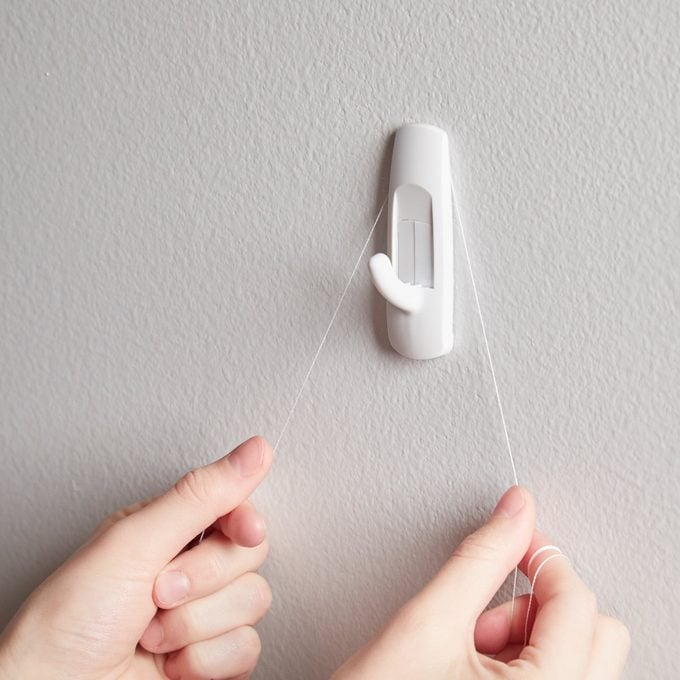
Using Dental Floss
Dental floss works well to cut through the adhesive. Take a long piece of floss and slide it behind the hook. Move the floss back and forth in a gentle sawing motion. This action loosens the glue slowly.
Keep the floss close to the wall to avoid pulling paint. Work carefully and patiently. This method avoids sudden pulls that can harm your wall.
Employing Plastic Cards
Plastic cards like old credit cards can help lift the hook. Slide the card behind the hook’s base. Move it gently to separate the adhesive from the wall.
Use slow, steady pressure to avoid wall damage. The card acts as a barrier, reducing stress on the paint. Try this method if you do not have floss handy.
Credit: www.commandbrand.com.au
Frequently Asked Questions
How Do I Safely Remove A Command Hook?
To safely remove a Command Hook, gently pull the adhesive tab straight down. Avoid pulling it towards you or outwards. This method prevents wall damage and helps the adhesive release cleanly. Always follow the product’s specific removal instructions for the best results.
Can I Reuse A Command Hook After Removal?
Command Hooks are designed for one-time use only. Once removed, the adhesive loses strength and won’t hold securely. For best results, use a new adhesive strip when reapplying the hook. Reusing old strips may cause the hook to fall and damage surfaces.
What If The Command Hook Damages My Wall?
If the hook damages your wall, use mild soap and water to clean the area. Small paint chips can be fixed with touch-up paint. Command Hooks usually avoid damage if removed correctly. Always follow removal instructions to minimize wall damage.
How Long Can A Command Hook Stay On The Wall?
Command Hooks can stay on walls for up to two years. Adhesive strength may weaken over time, especially in humid areas. Check the hook periodically to ensure it remains secure. Replace the adhesive strip if the hook starts to lose grip.
Conclusion
Removing a Command Hook is quick and easy with the right steps. Pull the tab slowly, straight down, to avoid wall damage. Use gentle pressure and patience for the best results. No need for extra tools or harsh chemicals. This method keeps your walls clean and safe.
Now you can change or move hooks without worry. Simple and safe. Try it next time you want to remove a Command Hook.